





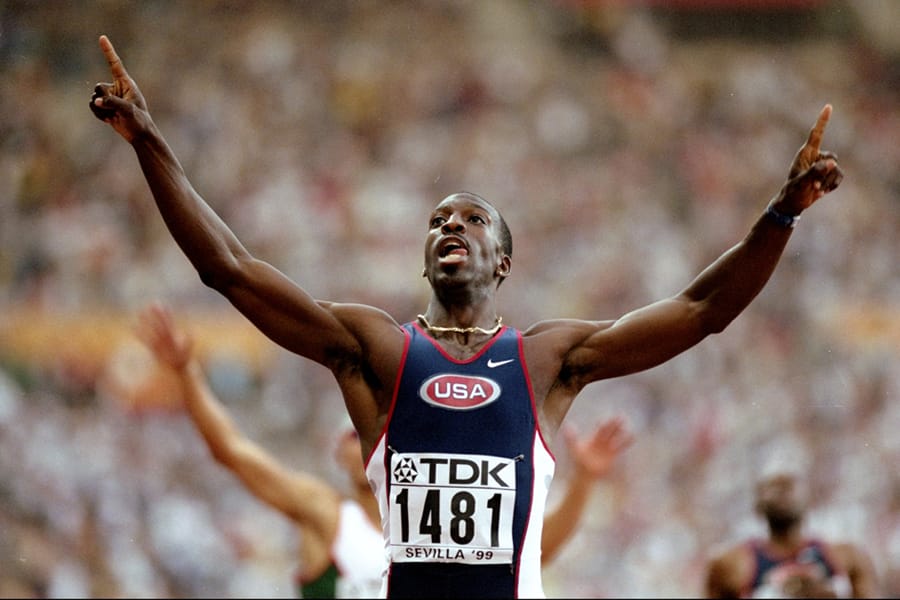
Michael Johnson’s ambitious attempt to reinvent track and field is now facing a messy and deeply uncomfortable aftermath.
The former Olympic champion, who launched the Grand Slam Track (GST) league with big promises of transforming athletics, has been accused in a US bankruptcy filing of paying himself $500,000 just days before the project collapsed, leaving athletes and vendors owed millions.
According to court documents filed in the US Bankruptcy Court in Delaware, vendors and creditors claim Johnson initiated the payment on 4 June, only eight days before the league effectively fell apart. The filing alleges that Johnson withdrew the money even though he knew the project was already in serious financial trouble and struggling to cover its debts.
Lawyers representing unsecured creditors say the move effectively prioritised Johnson over athletes and other creditors, many of whom are still waiting to be paid.
The documents also reveal that Johnson himself was owed around $2.2 million by the project. But creditors argue that taking out half a million dollars at such a critical moment raises serious questions about how the league was managed.
The collapse marks a dramatic end to what was once pitched as a bold new era for athletics.
When Grand Slam Track was launched, Johnson promised it would “bring fantasy to life” by creating a league where the sport’s biggest stars would regularly compete against each other for huge prize money. The idea was to give track and field something closer to Formula One or tennis, a season-long, star-driven spectacle.
But warning signs appeared early.
The very first event in Jamaica last April drew thin crowds, raising concerns about the league’s financial viability. And after just three events, the project unravelled shortly after the Philadelphia meet on 1 June.
By December, Grand Slam Track filed for bankruptcy, revealing liabilities estimated between $10 million and $50 million, owed to more than 200 creditors.
Now, what was meant to be a revolutionary moment for track and field has turned into a legal battle and another failed attempt to reshape the sport’s struggling commercial model.