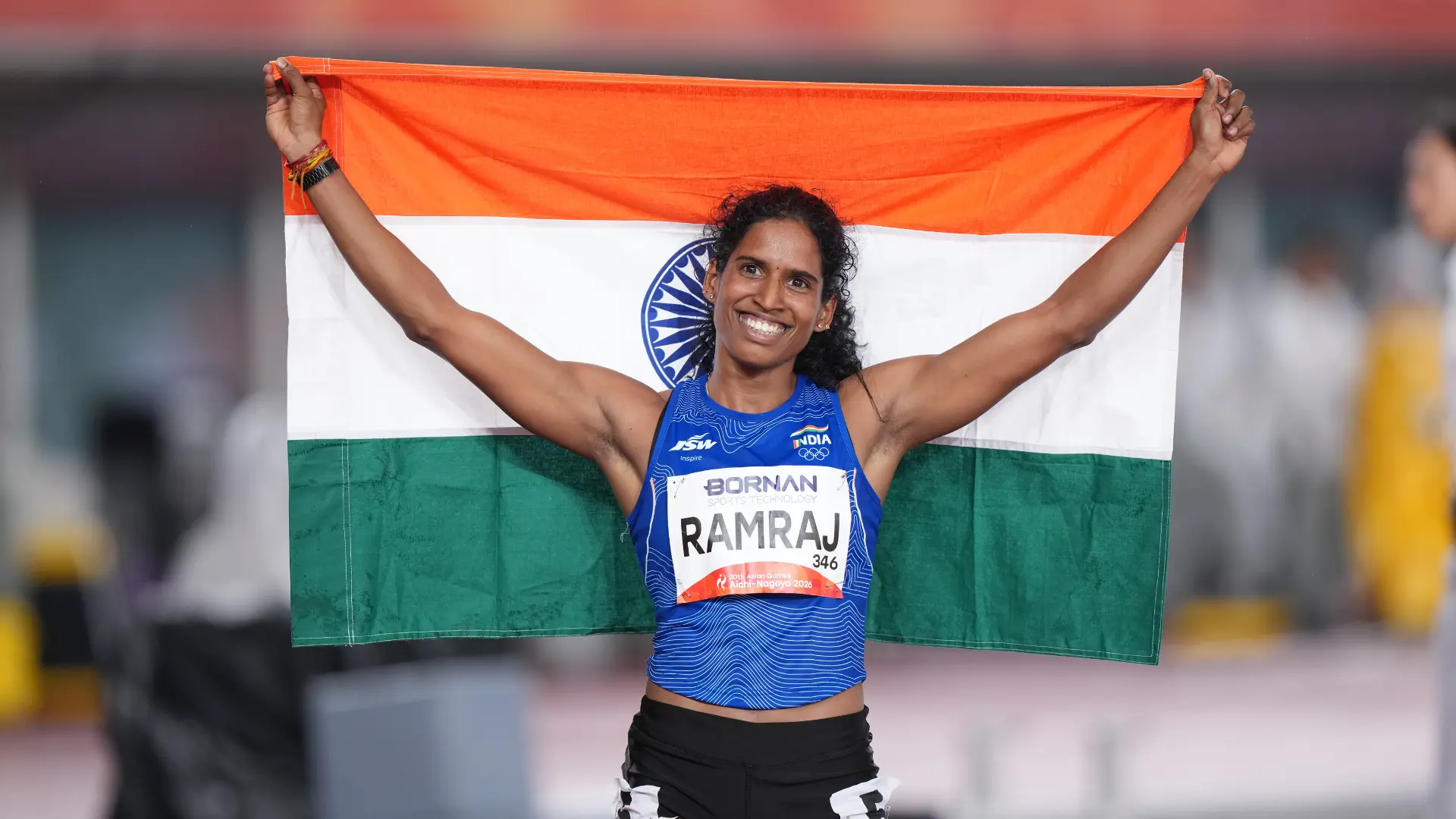
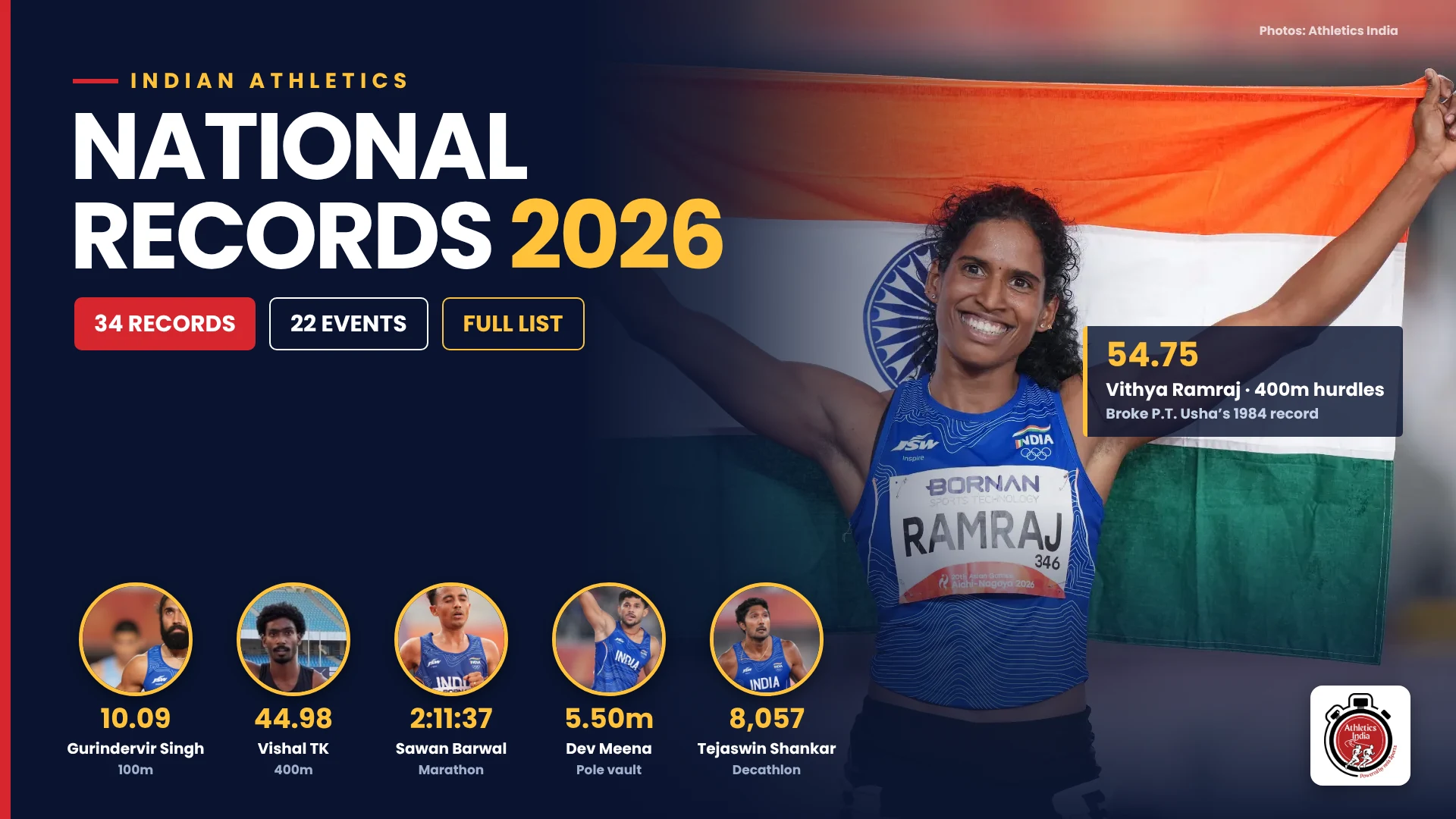
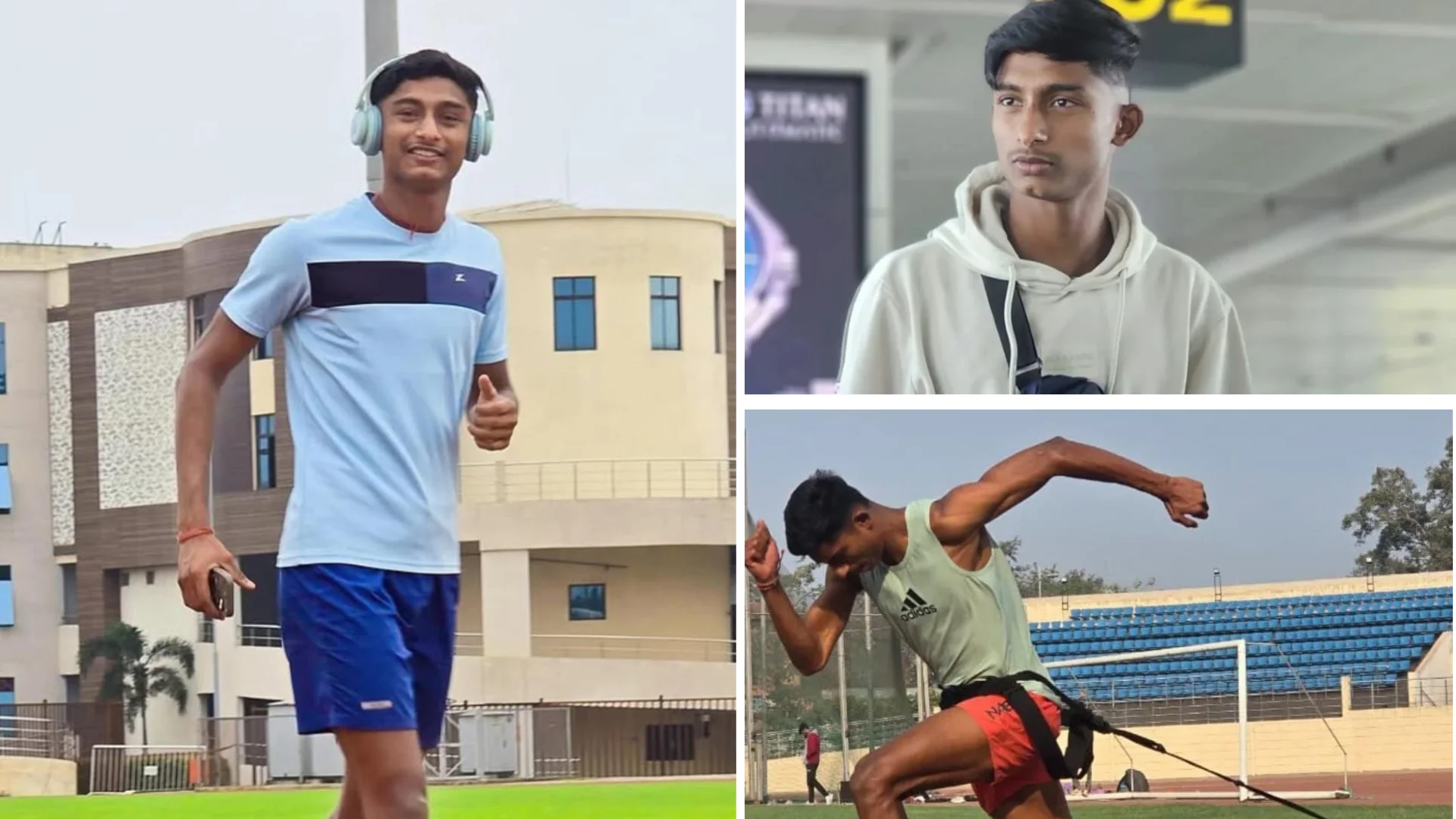
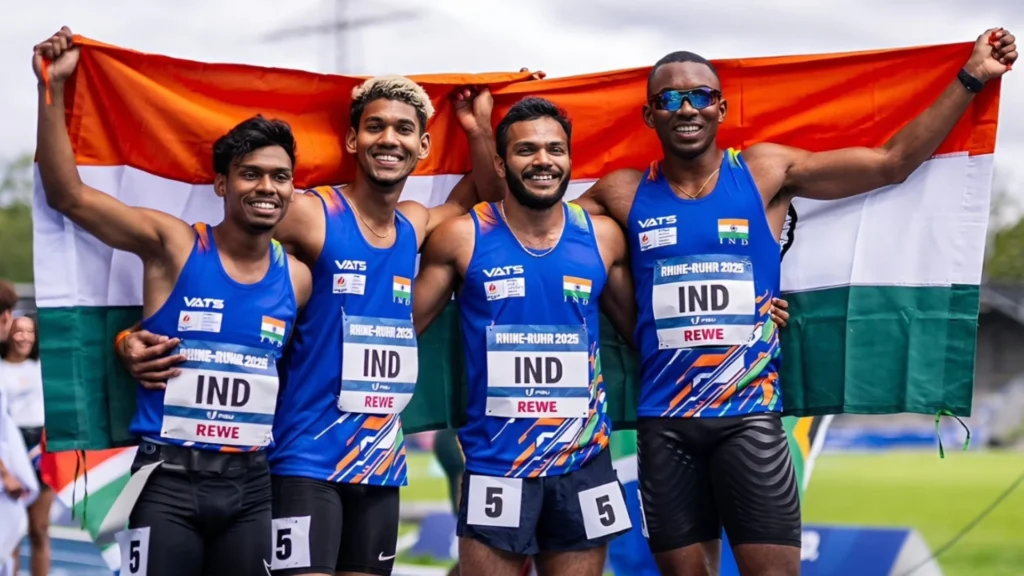
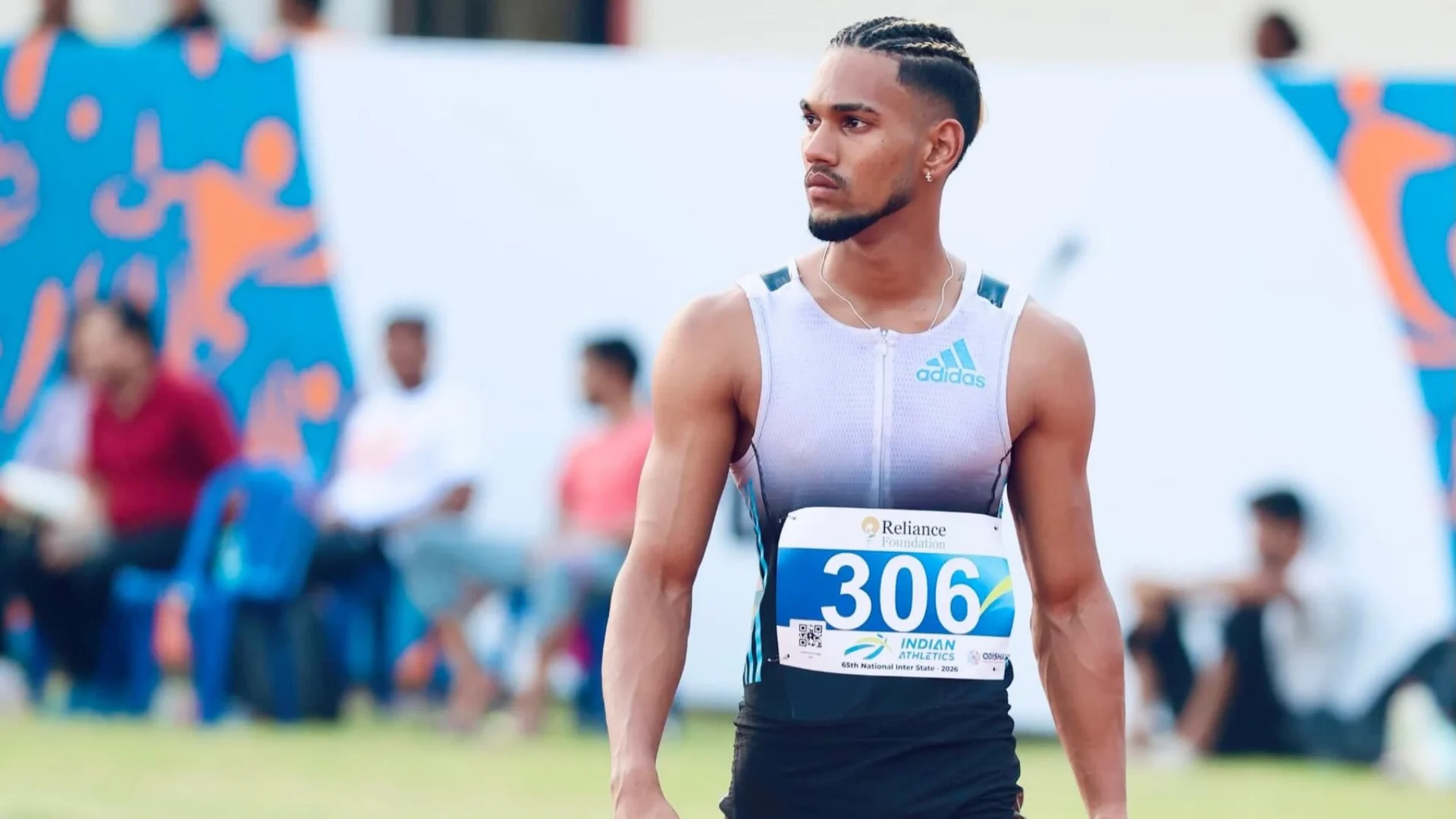
Indian national records 2026 tell the story of a record year: marks fell 34 times, across 22 events. Gurindervir Singh ran 10.09 in the 100m. Vishal TK became the first Indian under 45 seconds in the 400m. And Vithya Ramraj broke P.T. Usha’s 42-year-old 400m hurdles record at the Asian Games.
This page lists every senior national record set this year. It runs from January to the Asian Games and the Indian Athletics Series Final in September. In other words, it updates our mid-season list of 26 records from July. Below, therefore, you will find the current record in each event and the events where it fell more than once. You will also find the oldest marks that fell and the four records from Nagoya.
The table shows the current national record in each event and the meet where the athlete set it. In addition, the last column shows the record it replaced.
* DD News reported the mixed relay’s 41.06 in Nagoya as a national record; it improves on the 41.35 from the World Relays. We list all records on this page as reported at the time. However, the Athletics Federation of India (AFI) ratifies national records separately.
Records broken more than once in 2026
In six events, the record fell two or more times. Above all, the men’s pole vault led the way: Kuldeep Kumar and Dev Meena pushed each other from 5.41m to 5.50m in one season.
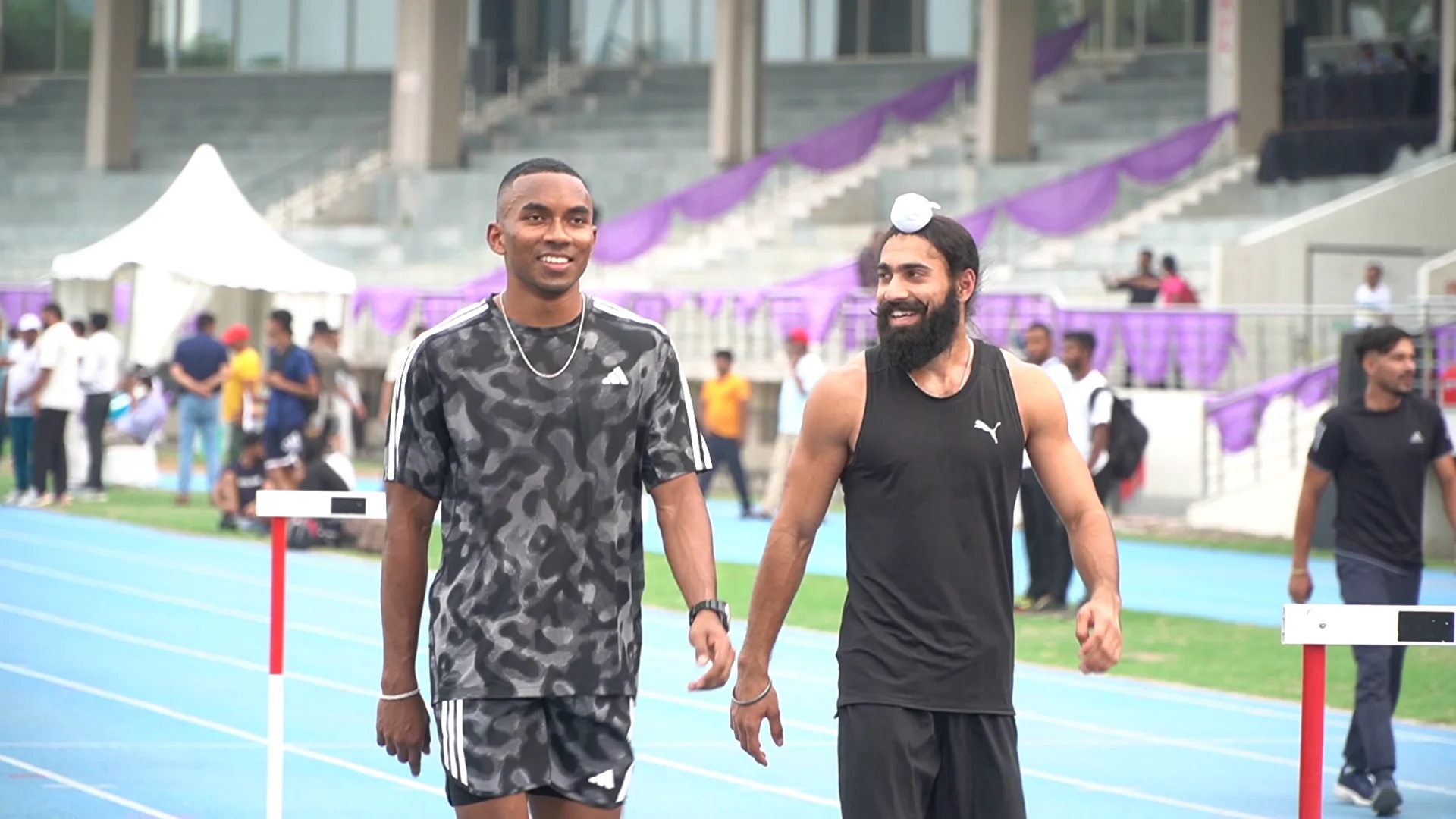
Animesh Kujur and Gurindervir Singh traded the 100m national record at the Federation Cup in Ranchi. Photo: Athletics India
Similarly, the 100m record changed hands three times in one meet. First, Gurindervir ran 10.17 in his semi-final; then Animesh Kujur replied with 10.15. Finally, in the final, Gurindervir took it back with 10.09, as The Tribune reported.
The oldest Indian national records that fell in 2026
Moreover, several of this year’s new records replaced marks that had lasted for decades. As a result, fans will remember 2026 as the year Indian athletics finally moved past some of its most famous names.
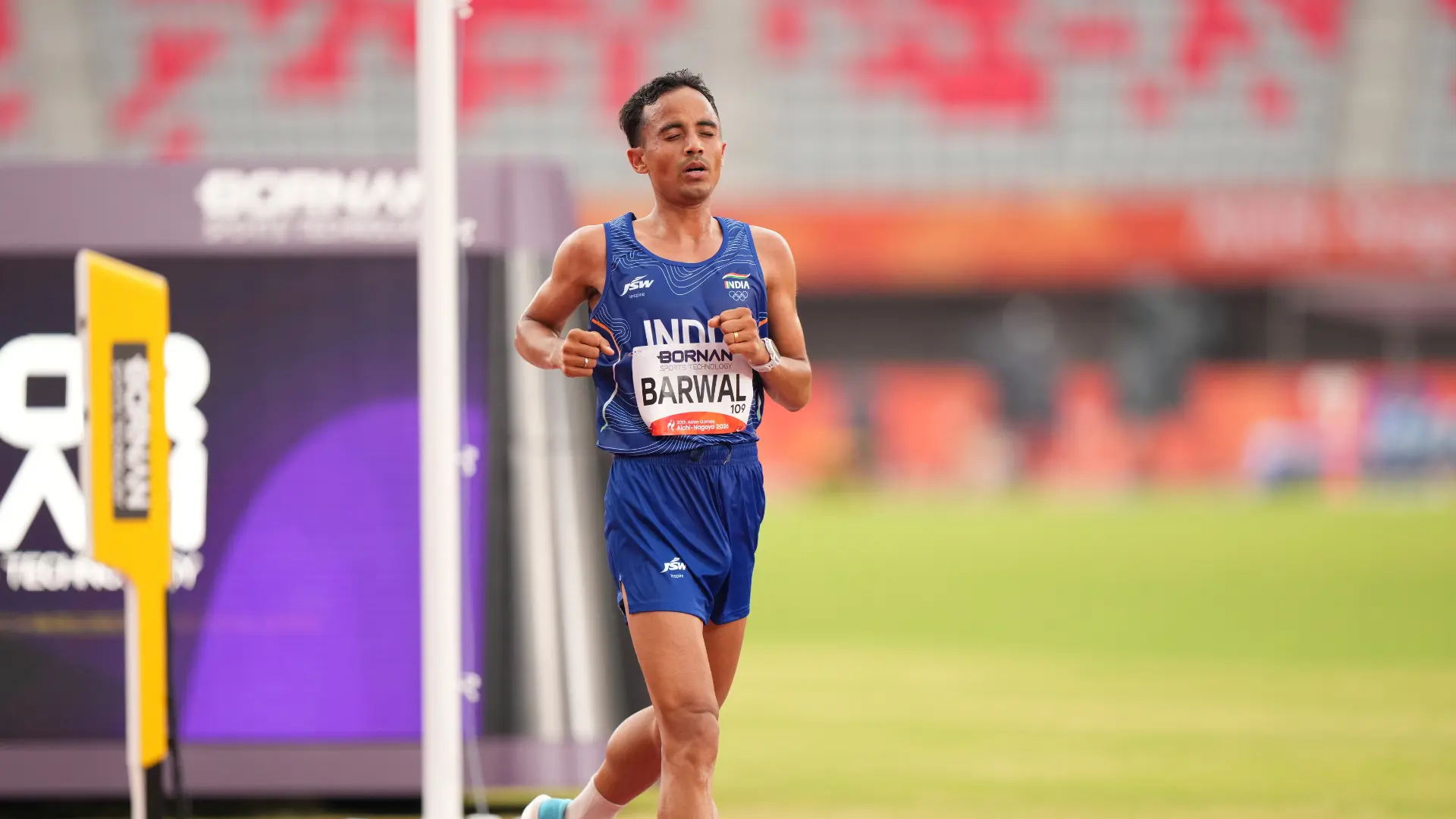
Sawan Barwal improved his own marathon national record to 2:11:37 in Nagoya. Photo: Athletics India
The first national records in the new race walk events
From 2026, the half marathon and marathon race walks replaced the 20km and 35km at major championships. Consequently, India needed new national records. The first ones came at the Indian Open Race Walking Competition in Chandigarh. In the marathon race walk, Ram Baboo set 3:09:16 and Manju Rani 3:33:24. In the half marathon race walk, Sahil clocked 1:25:48 and Ravina 1:39:14.
What comes next for Indian national records
The senior season is nearly over; still, records can fall before the end of the year, so we will add any new mark to this page. Meanwhile, the full results from every meet are on our Indian athletics results page.
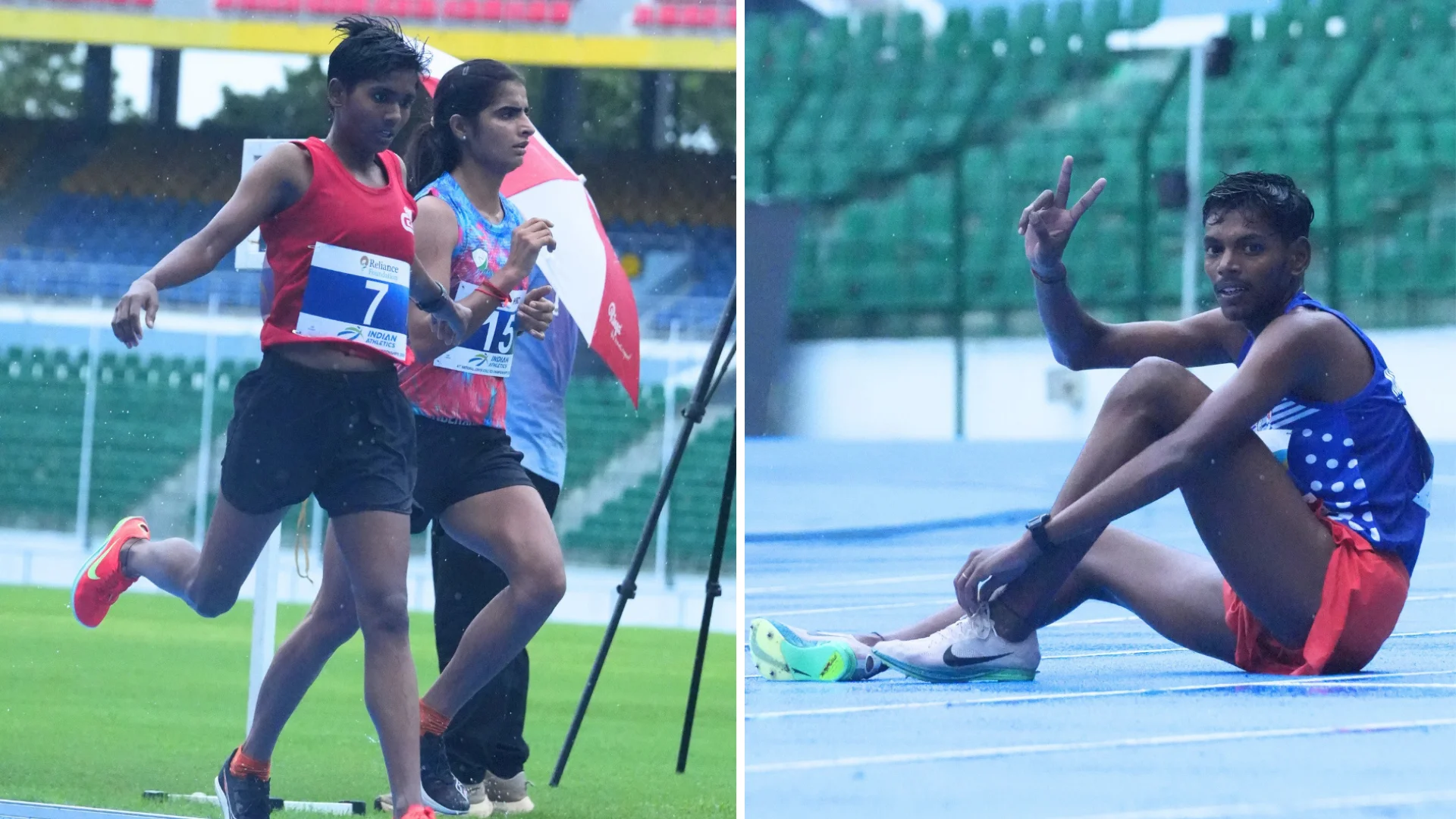
Karnataka’s Tamanna and Maharashtra’s Abhinandan Suryavanshi won the women’s and men’s U20 5000m titles at the ongoing 41st National Junior Athletics Championships 2026.
Tamanna claimed the women’s gold in a lifetime best of 17:27.85. Uttarakhand’s Roshni finished second in 17:35.71, while Madhya Pradesh’s Archita took bronze in 17:36.25. However, Tamanna’s winning time fell short of the previous edition’s mark. Sonam Parmar won that title in 17:20.98.
In the men’s U20 5000m, Abhinandan Suryavanshi secured gold in 14:32.08 after a thrilling finish. Uttar Pradesh’s Aakash followed closely with silver in 14:32.14. Rajasthan’s Rohit took bronze in 14:32.35. The top three athletes finished within just 0.27 seconds of each other. However, Abhinandan’s time remained well outside the meet record of 14:09.71, which Mohit set at the previous edition.
The Junior Nationals took place in Bhubaneswar, Odisha, for the last two editions. This year, the championships moved to Chennai. The Jawaharlal Nehru Stadium track has a reputation for speed. It has also hosted impressive performances in senior competitions. For example, Tamilarsu clocked 10.22 seconds in the 100m at the 2025 Inter-State Championships. Meanwhile, Vishal recorded 45.21 seconds in the 400m.
Both U20 5000m winners posted slower times than the previous edition’s champions. As a result, their performances have raised questions about the pace of the middle- and long-distance events.
However, it remains too early to draw firm conclusions. The championships still have 4.5 days and nine sessions to go. Therefore, the upcoming events will provide a clearer picture of the overall performance standards.
The former Tokyo Marathon champion tested positive for methylprednisolone, but a falsified medical prescription and misleading statements to investigators turned a doping violation into a six-year suspension.
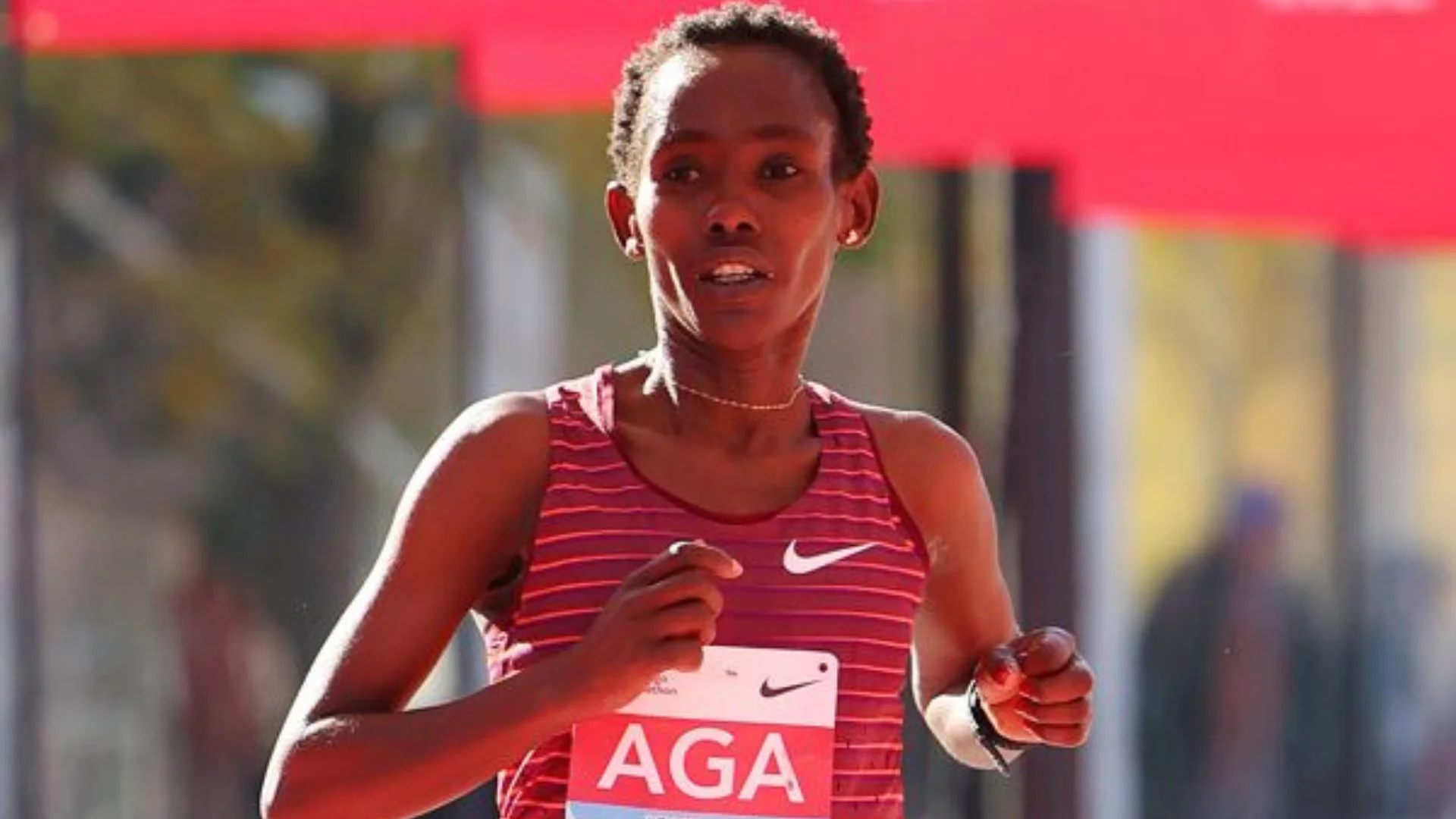
Ethiopian marathon star Ruti Aga has been banned for six years, but the most damaging part of her case was not simply the presence of a prohibited substance in her system. It was what happened when anti-doping investigators began asking questions.
The 32-year-old, who won the prestigious Tokyo Marathon in 2019, tested positive for methylprednisolone following her victory at the Meishan Renshou Half Marathon in China on March 15, 2026.
The Athletics Integrity Unit (AIU) imposed a two-year sanction for the substance violation and an additional four years for tampering with the investigation.
The six-year ban took effect on September 10, 2026, the date of her provisional suspension.
The Medical Explanation That Fell Apart
Aga sought to explain the positive test by claiming she had received treatment for a knee injury.
She submitted medical documentation to support that explanation. But investigators found serious irregularities.
The prescription referred to a clinic that did not exist. The supposed prescribing doctor was reportedly a family member who was not registered to practise medicine. A clinic associated with an old prescription pad denied any connection with the document.
The AIU concluded that the medical evidence had been falsified. It also found that Aga had misled officials during the investigation.
What might have remained a two-year doping sanction consequently became a six-year exclusion from competition.
For an athlete who had established herself among the world’s leading marathon runners, the consequences are potentially career-defining.
What Is Methylprednisolone?
Methylprednisolone is a synthetic corticosteroid used to treat inflammation, swelling, allergic reactions and certain painful medical conditions.
It is not an anabolic steroid used for building muscle. Instead, its anti-inflammatory properties can reduce pain and discomfort, potentially helping athletes train or compete despite injuries.
The medication is available in different formulations, including methylprednisolone acetate, commonly used in longer-acting injections, and methylprednisolone sodium succinate, used in injectable preparations.
Importantly, the publicly reported findings do not establish which specific formulation Aga used.
Under the World Anti-Doping Agency’s (WADA) 2026 Prohibited List, methylprednisolone belongs to the S9 Glucocorticoids category.
Glucocorticoids are prohibited during competition when administered orally, by injection or rectally, unless the athlete has appropriate therapeutic authorisation. Other routes, including certain topical and inhaled applications, are generally permitted under specified conditions.
How Long Does the Drug Remain in the Body?
WADA recommends different washout periods depending on how methylprednisolone is administered.
For oral administration, the standard washout period is three days. Intramuscular injections require five days, while most local injections carry a three-day guideline.
These periods are intended to reduce the possibility of a positive test. They are not guarantees that a substance will become undetectable.
Sustained-release formulations may remain detectable beyond the recommended period.
Athletes requiring genuine medical treatment must maintain accurate medical records and, where necessary, obtain a Therapeutic Use Exemption (TUE).
A Warning Beyond One Athlete
Aga’s case illustrates how anti-doping violations can extend far beyond a positive laboratory result.
Under the World Athletics Anti-Doping Rules, the presence or use of a prohibited substance and tampering with the investigation are separate violations, carrying separate consequences.
The AIU’s six-year sanction reflects that distinction: two years for the drug offence and four for interfering with the process.
For athletes, coaches and medical support teams, the implications are significant. A legitimate medical condition does not automatically excuse the use of a prohibited substance. Equally, attempting to manufacture medical evidence can carry consequences even more severe than the original violation.
Aga’s case has become a stark reminder that anti-doping enforcement is not limited to detecting prohibited drugs. It also depends on the honesty of the explanations and evidence provided after a positive test.
For the former Tokyo Marathon champion, that distinction has proved devastating.
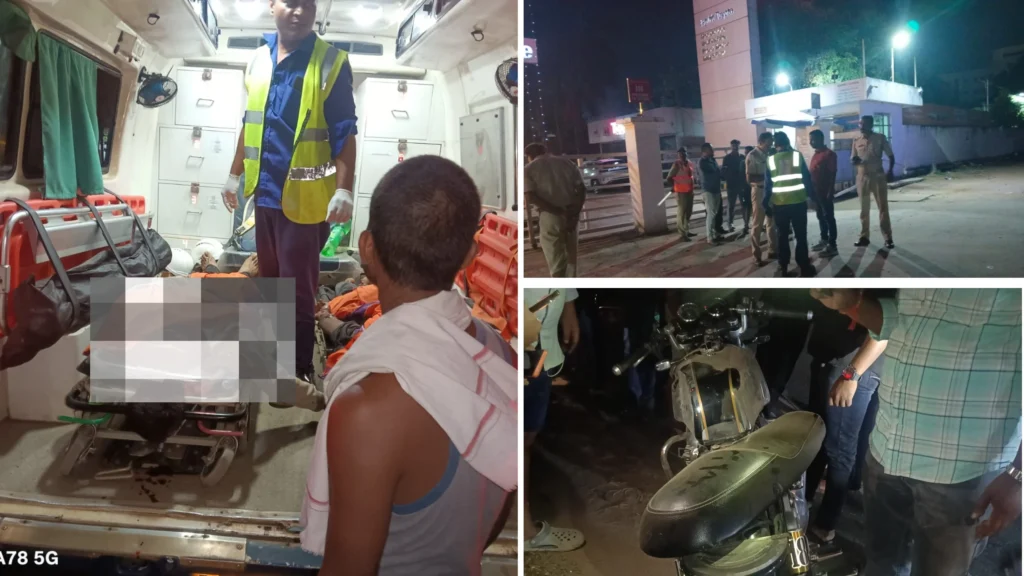
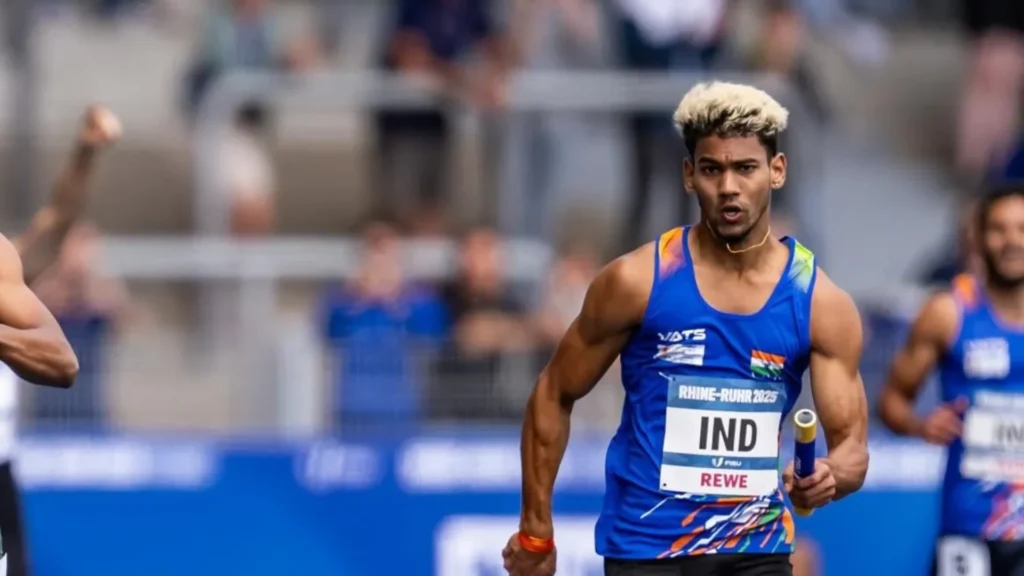
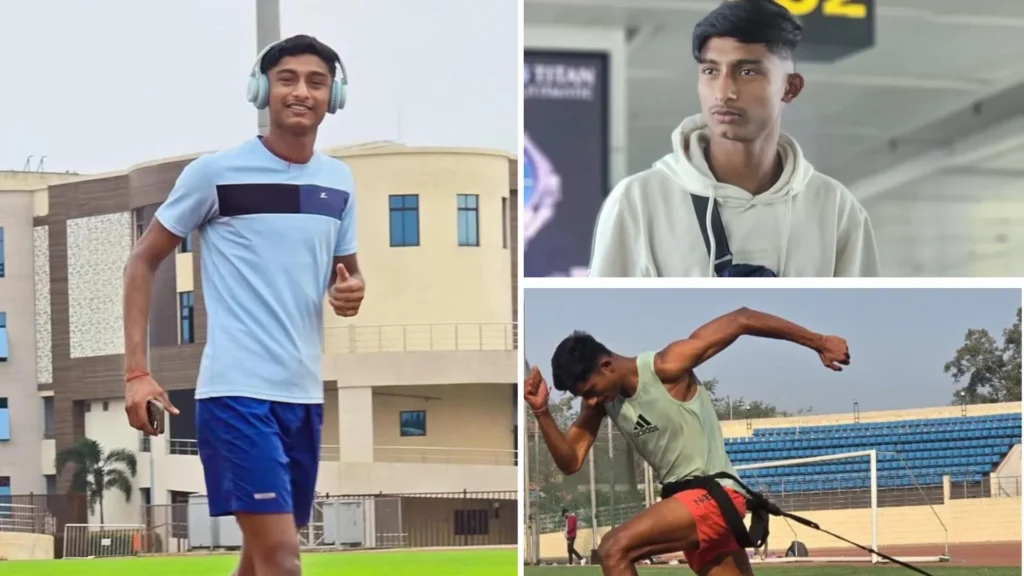
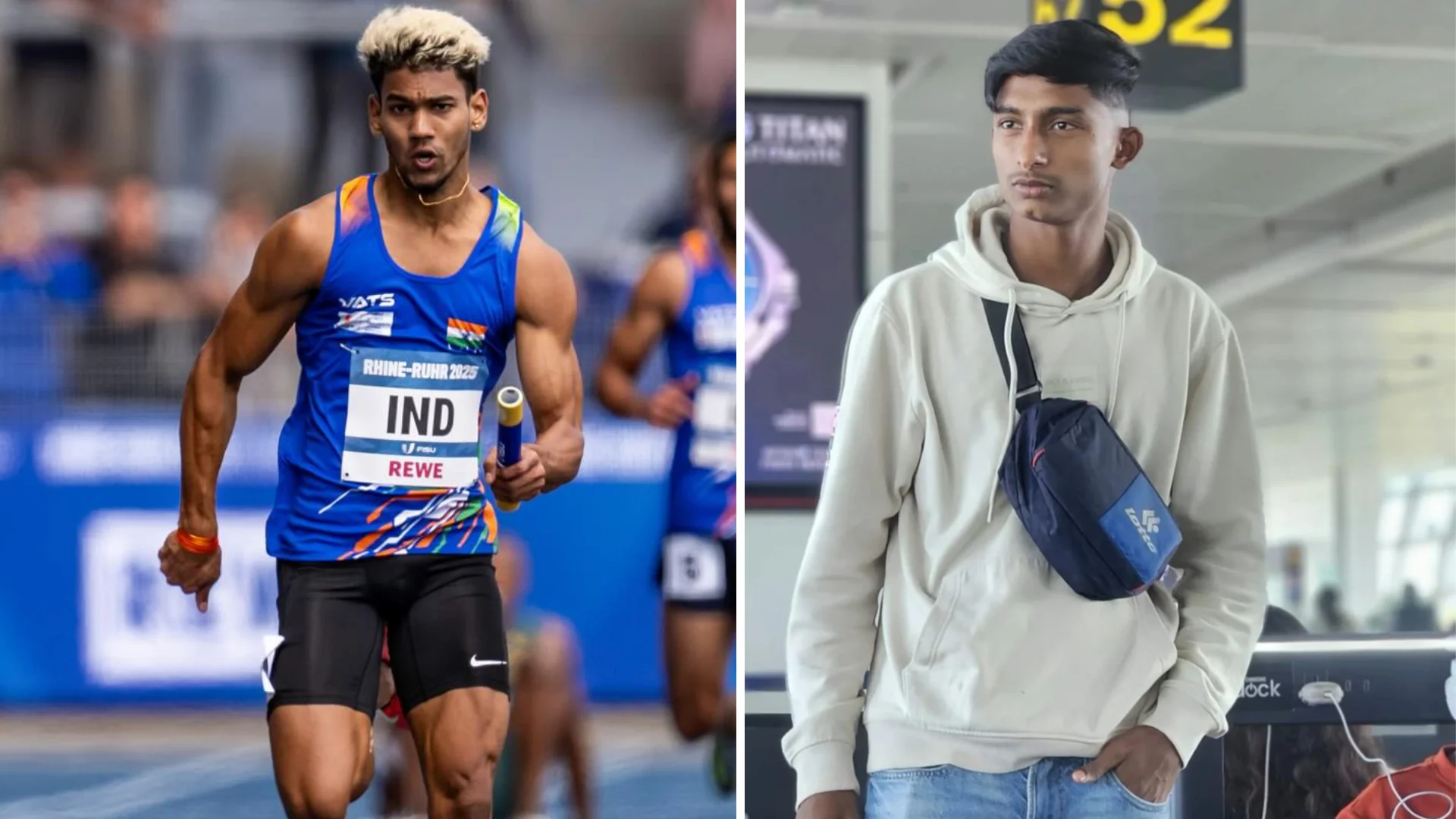
Odisha athletes Mrutyam Jayaram Dondapati, 21, and Malaya Barik, 20, died in a road accident on the Cuttack–Bhubaneswar National Highway near Nakhara at around 10:30 pm on Wednesday, 21 October 2026. Both were declared dead on arrival at SCB Medical College and Hospital in Cuttack.
The crash came just three days after both men raced at the 6th Indian Open U23 Athletics Competition in Jaipur. There, Jayaram won 100m bronze and 200m silver, and Barik ran a lifetime best of 48.23 in the 400m. This page covers what happened, their careers, their last races and the tributes from Odisha and beyond.
According to reports, four people, three athletes and a swimming coach, were travelling to Cuttack on two two-wheelers. Jayaram and Barik were on the motorcycle that crashed. Astik Pradhan, the Odisha quartermiler who won 400m bronze in Jaipur, was reportedly on a scooter about 50 metres behind them with the other two members of the group.
One report says the rider lost control and the motorcycle hit a road divider; this has not been officially confirmed. Local residents took both athletes to SCB Medical College and Hospital, where doctors declared them dead on arrival.
Reports differ on where the group was going. Some say a Sambalpuri melody orchestra in Cuttack, while others mention a jatra or the city’s festivities.
When
What happened
16–18 October 2026
Both race at the Indian Open U23 in Jaipur. Jayaram wins 100m bronze and 200m silver; Barik runs 48.23, a lifetime best
21 October, around 10:30 pm
Motorcycle accident near Nakhara on the Cuttack–Bhubaneswar stretch of NH-16
21 October, late night
Both declared dead on arrival at SCB Medical College and Hospital, Cuttack
22 October
Chief Minister Mohan Charan Majhi, Sports Minister Suryabanshi Suraj and the state Sports Department pay tribute
Mrutyam Jayaram Dondapati: one of India’s fastest U23 sprinters
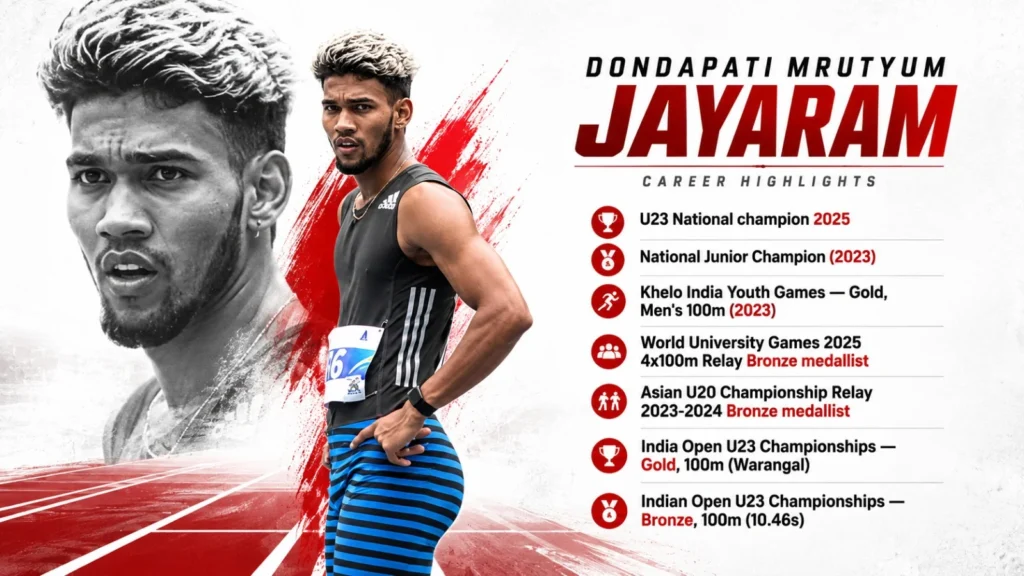
Born on 12 January 2005 and from the Bhawanipatna area of Kalahandi, Jayaram trained at the Odisha Reliance Foundation Athletics High Performance Centre in Bhubaneswar. He won national titles from youth level upwards, and twice helped India to Asian U20 relay medals.
His breakthrough came at the 2023 Khelo India Youth Games in Bhopal, where he won the 100m in 10.53 to break the Games record. A year later he ran on the Indian 4x100m team that won Asian U20 bronze in Dubai in a national U20 record of 40.01. For his full record, see our Mrutyam Jayaram Dondapati athlete profile.
On a phone, swipe the table sideways to see the full result.
When
Competition
Result
2022
National Junior Championships
U18 100m gold, 10.83
February 2023
Khelo India Youth Games, Bhopal
100m gold, 10.53 (Games record); 4x100m relay gold
2023
Asian U20 Championships, Yecheon
4x100m relay bronze
March 2024
National Junior Federation Cup, Lucknow
100m gold (10.67) and 200m gold (21.59)
April 2024
Asian U20 Championships, Dubai
4x100m relay bronze, 40.01 (national U20 record)
September 2024
South Asian U20 Championships
100m bronze, 10.56
December 2024
National Junior Championships, Bhubaneswar
U20 100m gold, 10.50
2025
5th Indian Open U23, Hanumakonda (Warangal)
100m gold (10.49) and 200m gold (21.10)
July 2025
World University Games, Rhine-Ruhr
4x100m relay bronze, 38.89
June 2026
200m personal best
20.97
October 2026
6th Indian Open U23, Jaipur
100m bronze (10.46), 200m silver (21.04)
World Athletics lists him as a two-time Asian U20 bronze medallist, a World University Games bronze medallist and a two-time national champion.
Malaya Barik: Odisha’s young quartermiler
Born on 1 April 2006, Malaya Barik came from Attabira in Bargarh district. He trained under Siba Mishra, who also coached Dutee Chand, and joined HPC Odisha a few months ago after the Open Nationals. He lived at the sports hostel at Kalinga Stadium.
Malaya Barik was also a regular in Odisha’s 4x400m relay squad, and was expected to run for the state again in the coming weeks.
48.23 in the heats (lifetime best); 49.12 in the semi-final
Siba Mishra, his coach: “This is a very tragic loss, as Malaya was supposed to be part of Odisha’s 4x400m relay team.”
Their last races: the Indian Open U23 in Jaipur
Both athletes ran their final races at the Sawai Mansingh Stadium from 16 to 18 October. The AFI detailed result book shows every round.
Jayaram: a lifetime best and two medals
In the 100m, Jayaram won his heat in 10.40, but the wind was +3.1 m/s, so the time was not legal. He then won semi-final 3 in 10.41 into a −0.3 m/s headwind. That is his official personal best.
The final was just as close. Rushiprasad Desai won in 10.35, while three men crossed in 10.46. On thousandths, Savin Thingalaya took silver in 10.451, Jayaram bronze in 10.455 and Abhay Singh fourth in 10.459.
In the 200m, he improved in every round, from 21.47 in the heats to 21.21 in the semi-final. In the final, he finished in 21.04, three hundredths behind Yuvaraj E of Tamil Nadu, for silver.
Barik: a breakthrough 48.23
Barik ran 48.23 for fifth in heat 4 of the 400m, a race won by his teammate Astik Pradhan in 46.60. It was the fastest time of his career, almost a second quicker than his 49.33 in Ranchi in April. In semi-final 3, he finished sixth in 49.12.
Odisha Chief Minister Mohan Charan Majhi said on social media that he was deeply saddened, adding: “Their untimely passing is a profound loss to Odisha’s sporting fraternity.”
Sports Minister Suryabanshi Suraj called them young sporting icons of the state, and the Department of Sports and Youth Services expressed its grief on X. The Leader of the Opposition also described the news as heartbreaking.
A heavy loss for Odisha’s sprint group
Odisha has become one of India’s strongest sprint states, and Jayaram was at the centre of that rise. He shared relay medals with Mahendra Santa, who also ran in Jaipur, and he trained alongside a group that includes Astik Pradhan and Sabita Toppo, the women’s 100m hurdles champion in Jaipur.
Barik, meanwhile, had just begun to close the gap on that group. His 48.23 in Jaipur showed how much he had improved since joining the High Performance Centre.
We extend our deepest condolences to their families, coaches and teammates.
A note on the results: Jayaram’s 10.40 in Jaipur was wind-assisted (+3.1 m/s), so his legal 100m best is 10.41 from the semi-final, as listed by World Athletics. Astik Pradhan won bronze in the men’s 400m in Jaipur (46.52), not silver.
Spellings: some reports spell the names Jayaram Dandapat and Malay Barik. We use the spellings on the AFI result sheets.
Odisha’s young 400m runner Malaya Barik has reportedly passed away following a serious road accident late last night.
The 20-year-old quartermiler was an active member of Odisha’s 4x400m relay team. He recently competed at the U23 Nationals in Jaipur, where he finished sixth in Semifinal 3. He also recorded his lifetime best of 48.23 seconds in the heats at the same meet.
He trained under Siba Mishra, who also coached Dutee Chand, one of India’s fastest female sprinters.
“This is a very tragic loss, as Malaya was supposed to be part of Odisha’s 4x400m relay team,” said Siba Mishra, reacting to the incident.
Malaya had joined HPC Odisha a few months ago, following the Open Nationals.
Details of the Road Accident
Malaya was travelling with fellow sprinter Mrutyam Jayaram Dondapati, who also lost his life in the tragic accident. According to the details received, four people—three athletes and a swimming coach—were travelling on two two-wheelers.
Jayaram and Malaya were on the motorcycle involved in the accident. Astik Pradhan, who recently won silver in the men’s 400m at the U23 Nationals in Jaipur, was reportedly travelling on a scooter around 50 metres behind them, along with the other two members of the group.
The group was reportedly travelling to attend a Sambalpuri melody orchestra in Cuttack when the tragedy occurred.
CUTTACK — The Indian athletics community is in deep mourning following the tragic passing of Mrutyam Jayaram Dondapati, one of the country’s most promising young U23 sprinters. Jayaram had consistently delivered standout performances at national track events. However, his promising journey came to a tragic end late at night following a severe road accident on the Cuttack highway.
According to reports, Jayaram was travelling with fellow athlete and 400m runner Malaya Barik when the tragic incident occurred. As a result, the news left the athletics community deeply saddened.
A Rising Star in Indian Sprinting
Representing Odisha, Jayaram had rapidly built a reputation as one of the fastest young athletes in the country. At the Indian Open U23 Athletics Championships, he secured the bronze medal in the men’s 100-meter dash, stopping the clock at an impressive 10.46 seconds.
His title-winning campaign at the India Open U23 Athletics Championships in Warangal stood out as a clear statement of his potential, where he captured gold in the men’s 100m with a timing of 10.49 seconds. Across his career, he posted a personal best of 10.40 seconds in the 100m alongside a strong season’s best of 20.97 seconds in the 200m event.
From Junior Prodigy to Elite Contender
Jayaram’s success on the U23 circuit was the natural continuation of an outstanding junior record. He first announced his talent on the national stage by winning the national junior title in 2022.
He followed that performance with a stellar 2023 season, taking gold in the 100m at the Khelo India Youth Games and claiming victory at the Junior Federation Cup. His explosive speed and consistency earned him a spot in the national relay squad camp for the Asian U20 Championships, marking him as a core prospect for India’s future international sprint squads.
A Legacy That Will Endure
Jayaram’s trajectory represented years of disciplined training, dedication, and the steady pursuit of excellence on the track. His passing leaves an irreplaceable void in Indian track and field, particularly within the sprinting community that followed his career with high expectations.
“His races and achievements were not just numbers on a score sheet; they were milestones in a journey that inspired coaches, teammates, and fans across the country.”
We extend our deepest condolences to Jayaram’s family, friends, coaches, and teammates during this extremely difficult time. His drive, speed, and contribution to Indian athletics will be remembered.
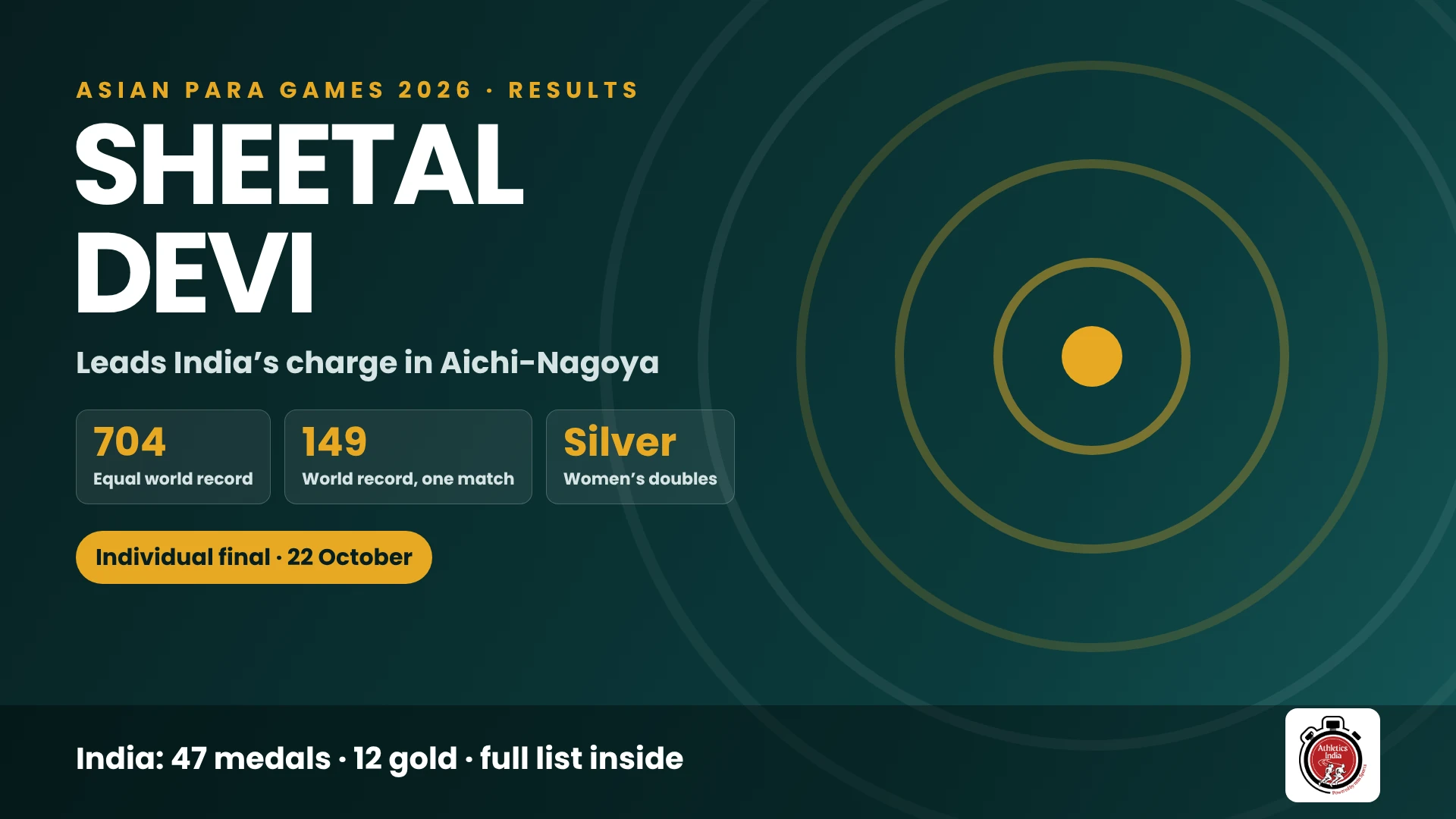
Sheetal Devi is the headline of India’s Asian Para Games 2026 results. The armless archer from Jammu and Kashmir has equalled the world record, broken two more world records, won silver in the women’s doubles and reached the individual compound final, which she shoots on 22 October.
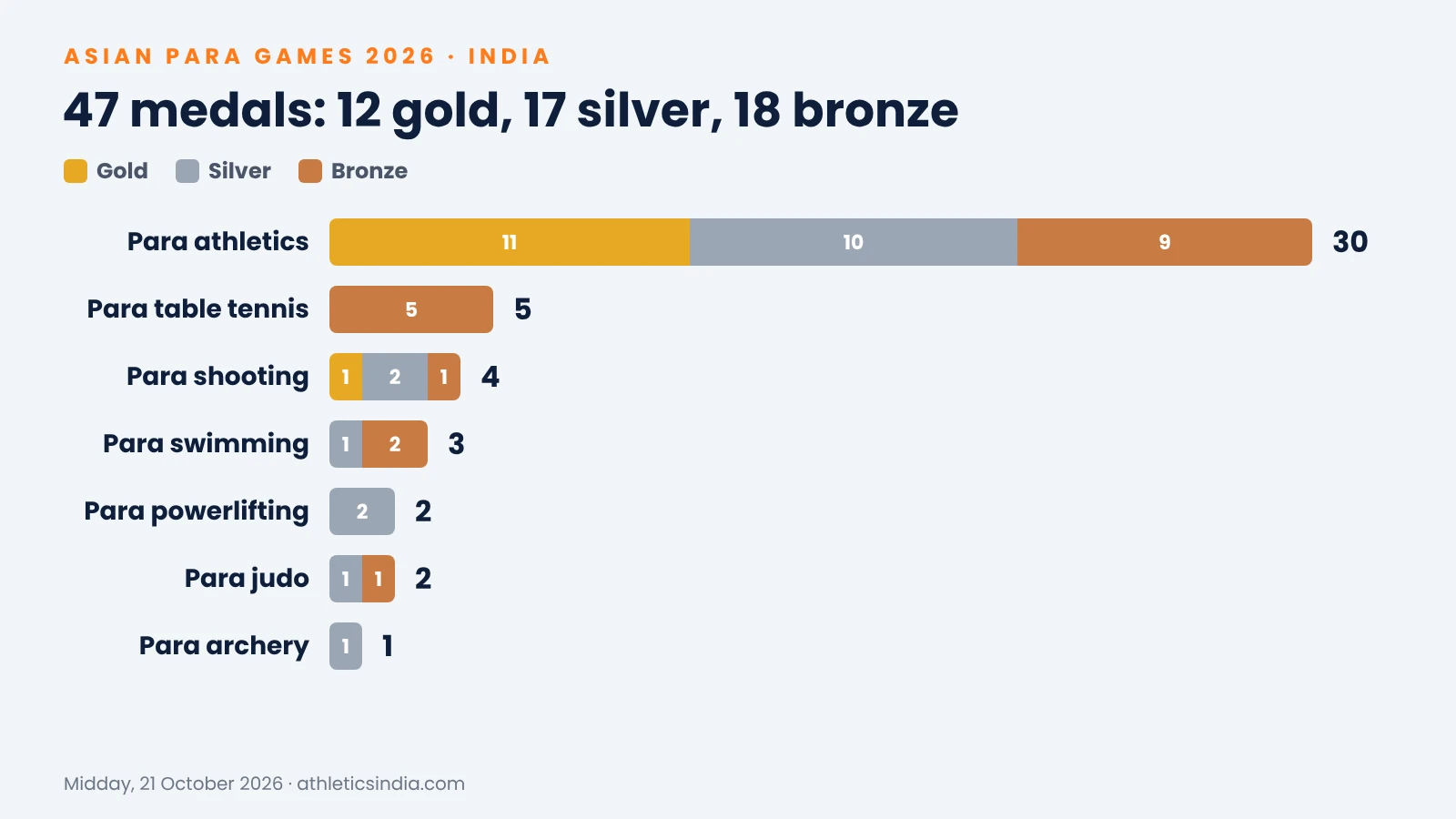
Overall, India has won 47 medals (12 gold, 17 silver, 18 bronze) at the Games in Aichi-Nagoya, Japan, as of midday on 21 October. Para athletics leads the way with 30 medals. Below are Sheetal’s results, India’s medal tally by sport and every Indian athletics medal, day by day.
Asian Para Games 2026 results: India at a glance
Sheetal Devi: 704 in the ranking round (equal world record), world-record 149 in a match, women’s doubles silver, individual final on 22 October
India’s medals (all sports): 47 (12 gold, 17 silver, 18 bronze) at midday on 21 October
Para athletics: 30 medals (11 gold, 10 silver, 9 bronze)
Games records in athletics: Deepthi Jeevanji, Simran Sharma, Nishad Kumar, Praveen Kumar, Sachin Khilari
Sheetal Devi leads the Asian Para Games 2026 results
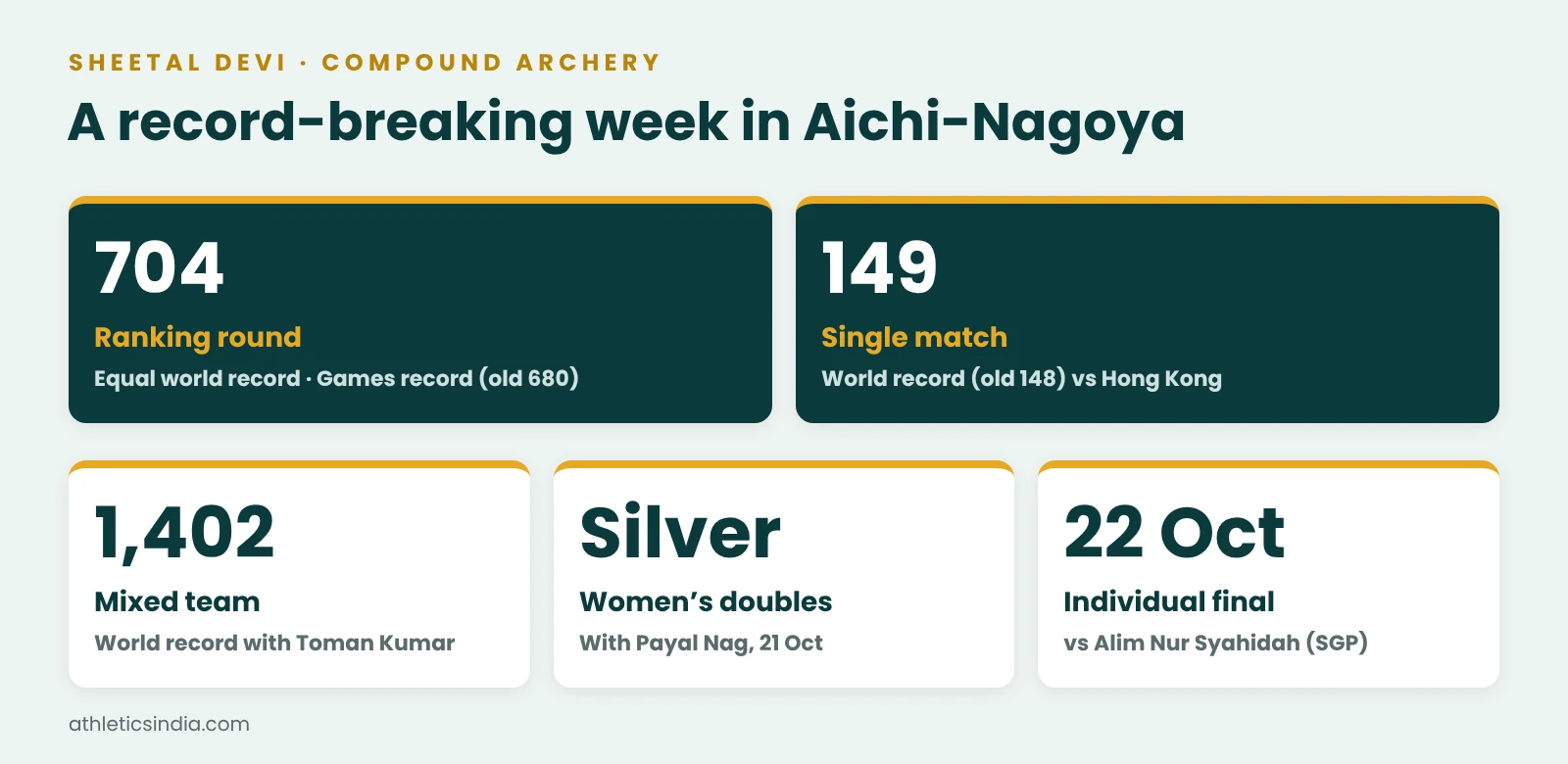
Sheetal arrived in Aichi-Nagoya as the defending champion and world No. 1 in women’s compound. Even so, her first three days were remarkable. In the ranking round, she scored 704 out of 720, equalling the world record held jointly with Turkey’s Oznur Cure. That score also raised the Asian Para Games record from 680 to 704.
Sheetal Devi’s record-breaking week in Aichi-Nagoya. Graphic: Athletics India
Round
Event
Result
Note
Ranking round
Women’s compound individual
704, ranked 1st
Equal world record; Asian Para Games record (old 680)
Ranking round
Women’s doubles (with Payal Nag)
1,379, ranked 1st
Asian and Games records
Ranking round
Mixed team (with Toman Kumar)
1,402
World record (old 1,400, Sheetal and Rakesh Kumar)
Pre-quarter-final
Individual
Beat Chan Yuen Wah (Hong Kong) 149-134
World record (old 148, Jessica Stretton)
Quarter-final
Individual
Beat Agustina Bantiloc (Philippines) 147-135
–
Semi-final
Individual
Beat Aya Shinohara (Japan) 145-137
Medal assured
Final, 21 Oct
Women’s doubles (with Payal Nag)
🥈 Silver, lost 141-150
To China’s Xu Xueqing and Zhao Jing
Final, 22 Oct
Individual
vs Alim Nur Syahidah (Singapore)
Gold-medal match
Silver in the doubles with Payal Nag
In the women’s doubles, Sheetal teamed up with 18-year-old Payal Nag from Balangir, Odisha. Payal lost all four limbs in an electrocution accident as a child, and she took up archery after being inspired by Sheetal. Together, they topped the ranking round with Asian and Games records. However, in the final on 21 October, China’s Xu Xueqing and Zhao Jing won 150-141, so the Indian pair took silver.
Other Indian archers
Swati Chaudhary reached the women’s W1 final by beating South Korea’s Lee Eunhee 6-2. Meanwhile, Toman Kumar lost his men’s compound semi-final 144-149 to China’s Ai Xin Liang and goes for bronze.
Who is Sheetal Devi?
Sheetal Devi was born on 10 January 2007 in Loidhar village in the Kishtwar district of Jammu and Kashmir. She was born with phocomelia, a rare condition that left her without arms, so she shoots with her legs and feet. In fact, she is the first female para archer without arms to become a world champion.
Around 2020, the Indian Army’s Rashtriya Rifles noticed her through Operation Sadbhavana and supported her education and medical care. Later, at the Shri Mata Vaishno Devi Shrine Board Sports Complex, coaches Abhilasha Chaudhary and Kuldeep Baidwan began training her. Within 11 months, she was competing at the Asian Para Games.
Year
Competition
Result
2023
Asian Para Games, Hangzhou (2022 edition)
🥇 Individual gold, 🥇 mixed team gold, 🥈 doubles silver
2023
World Championships, Plzeň
🥈 Individual silver
2024
Paralympic Games, Paris
🥉 Mixed team bronze with Rakesh Kumar, at 17 the youngest Indian Paralympic medallist
Sheetal received the Arjuna Award for 2023 and was named World Archery’s Para Archer of the Year for 2025.
India’s Asian Para Games 2026 medal tally by sport
Para athletics has won 30 of India’s 47 medals so far. In addition, para shooting has given India a gold through Mona Agarwal in the women’s 10m air rifle SH1.
Sport
Gold
Silver
Bronze
Total
Para athletics
11
10
9
30
Para shooting
1
2
1
4
Para archery
0
1
0
1
Para swimming
0
1
2
3
Para powerlifting
0
2
0
2
Para judo
0
1
1
2
Para table tennis
0
0
5
5
Total
12
17
18
47
India’s medals by sport at midday on 21 October. Graphic: Athletics India
47
India’s medals
all sports
12
Gold
11 in athletics
30
Athletics medals
19–21 October
149
World-record score
Sheetal Devi, one match
Para athletics results: 19 October
India opened with six athletics medals. Nishad Kumar won the long jump T47, and then Rinku Hooda and Ajeet Singh Yadav finished one-two in the javelin F46, just nine centimetres apart. Later, Soumya and Radha Venkatesh did the same in the women’s 1500m T12/T13.
Athlete
Event
Medal
Mark
Note
Nishad Kumar
Men’s long jump T47
🥇 Gold
7.11m
–
Rinku Hooda
Men’s javelin F46
🥇 Gold
65.11m
–
Soumya
Women’s 1500m T12/T13
🥇 Gold
5:12.39
–
Ajeet Singh Yadav
Men’s javelin F46
🥈 Silver
65.02m
–
Radha Venkatesh
Women’s 1500m T12/T13
🥈 Silver
5:30.90
–
Ravanni Valasanaini
Women’s 1500m T11
🥉 Bronze
5:41.85
Guide: Rahul Balakrishna
Para athletics results: 20 October
Day 2 brought 14 athletics medals. Above all, Deepthi Jeevanji defended her 400m T20 title in a Games record of 56.36, and Simran Sharma won the 200m T12 in 24.80, also a Games record. Nishad Kumar then added a second gold in the high jump with a Games record of 2.04m.
On Wednesday, Paris Paralympic champion Praveen Kumar won the high jump T64 with a Games record of 2.05m. Then India swept the shot put F46, led by Sachin Khilari’s Games record of 15.87m. Later, Anubhav Choudhary and Rakeshbhai Bhatt both ran personal bests for 100m bronze.
Athlete
Event
Medal
Mark
Note
Praveen Kumar
Men’s high jump T64
🥇 Gold
2.05m
Games record
Sachin Khilari
Men’s shot put F46
🥇 Gold
15.87m
Games record
Ayush Verma
Men’s shot put F53
🥇 Gold
8.16m
–
Banti
Men’s high jump T64
🥈 Silver
1.92m
Personal best
Mohd Yasser
Men’s shot put F46
🥈 Silver
15.06m
–
Manjeet
Men’s javelin F12/F13
🥈 Silver
61.03m
Personal best
Bhagyashri Jadhav
Women’s shot put F34
🥈 Silver
–
–
Parveen
Men’s shot put F46
🥉 Bronze
14.94m
–
Anubhav Choudhary
Men’s 100m T35
🥉 Bronze
12.72
Personal best
Rakeshbhai Bhatt
Men’s 100m T37
🥉 Bronze
11.50
Personal best
Results for 21 October are as of midday. We add every new Indian medal to this page as soon as it is confirmed.
Records set by Indian athletes at the Asian Para Games 2026
On 22 October, Sheetal Devi shoots for her second straight Asian Para Games individual gold against Singapore’s Alim Nur Syahidah. Meanwhile, the athletics programme continues until the Games end on 24 October, and India’s squad still includes two-time Paralympic javelin champion Sumit Antil. For the full athletics squad, see our Asian Para Games 2026 guide.
This page is updated with every Indian medal until 24 October.
The Diamond League 2027 schedule has 15 meetings, starting in Doha on 7 May and ending with a two-day Final in Zurich on 25 and 26 August 2027. World Athletics announced the calendar on 13 October 2026, and it will therefore be the 18th season of the Wanda Diamond League.
In total, the series visits 15 cities on four continents. Moreover, it ends about a month before the World Championships in Beijing in September 2027, so every meeting also matters for World Championships qualification. Below, you will find the full Diamond League 2027 schedule, how the league works and what it means for Indian athletes such as Neeraj Chopra.
Diamond League 2027 at a glance
Season: 18th Wanda Diamond League season
Meetings: 15 (14 series meetings and the Final)
First meeting: Doha, Qatar, 7 May 2027
Final: Zurich, Switzerland, 25–26 August 2027 (two days)
Continents: Asia, Europe, Africa and North America
Next big event: World Athletics Championships, Beijing, September 2027
The table below lists the full Diamond League 2027 schedule in date order. In addition, the Final in Zurich is highlighted.
#
Date (2027)
City
Country
Continent
1
Friday 7 May
Doha
Qatar
Asia
2
Saturday 15 May
Shanghai/Keqiao
China
Asia
3
Saturday 22 May
Xiamen
China
Asia
4
Thursday 27 May
Rome
Italy
Europe
5
Sunday 30 May
Rabat
Morocco
Africa
6
Thursday 3 June
Oslo
Norway
Europe
7
Sunday 6 June
Stockholm
Sweden
Europe
8
Friday 25 June
Paris
France
Europe
9
Saturday 3 July
Eugene
USA
North America
10
Friday 9 July
Monaco
Monaco
Europe
11
Tuesday 13 July
Lausanne
Switzerland
Europe
12
Saturday 17 July
London
Great Britain
Europe
13
Sunday 15 August
Silesia
Poland
Europe
14
Friday 20 August
Brussels
Belgium
Europe
15
Wednesday 25 – Thursday 26 August
Zurich (Final)
Switzerland
Europe
The Diamond League 2027 calendar at a glance. Graphic: Athletics India
The 2027 season month by month
Overall, the calendar falls into four clear blocks. First, the season opens with three meetings in Asia in May. After that, it moves to Europe and Africa, crosses to the United States in early July and returns to Europe for the run-in to the Final.
5
Meetings in May
Doha to Rabat
3
Meetings in June
Oslo, Stockholm, Paris
4
Meetings in July
Eugene to London
3
Meetings in August
incl. the Final
May: the Asian swing and Rome
Doha, Shanghai/Keqiao and Xiamen make up the Asian leg, which is also the best time zone for Indian fans. After that come Rome on 27 May and Rabat, the only African meeting, on 30 May.
June and July: the heart of the season
Next, June brings Oslo, Stockholm and Paris. Then, in July, the league visits Eugene in the United States before three meetings in quick succession: Monaco, Lausanne and London, all within eight days of each other.
August: the run-in
After a four-week break, the season resumes in Silesia on 15 August and Brussels on 20 August. Notably, Brussels hosted the 2026 Final, and Silesia also staged a meeting in 2026; read our Silesia Diamond League 2026 report.
Diamond League Final 2027 in Zurich
The 2027 Final will be held over two days, 25 and 26 August, in Zurich. As always, the winner of each discipline is crowned Diamond League champion. For example, at the 2026 Final in Brussels, Australia’s Cameron Myers won the 1500m in 3:30.14.
The Final moves from Brussels (2026) to Zurich (2027). Brussels stays on the calendar as the last series meeting before the Final.
How the Diamond League works
Each series meeting stages only some of the disciplines. Then, in every discipline, the top eight athletes score points: 8 for first, 7 for second and so on down to 1 for eighth. Therefore, athletes need several good results across the season to qualify.
1
Series meetings. First, athletes collect points at the 14 meetings from Doha to Brussels.
2
Qualification. The leading athletes in each discipline’s standings qualify for the Final.
3
The Final. In Zurich, the points reset. Whoever wins the Final is the Diamond League champion, whatever their points total.
4
The reward. Champions receive the Diamond Trophy and prize money. In addition, a Diamond League title can earn a wild card for the World Championships.
India and the Diamond League 2027
Neeraj Chopra is India’s biggest name in the Diamond League. In 2022, he became the first Indian to win the Diamond League title, in Zurich, the same city that hosts the 2027 Final. In 2026, he threw a season-best 88.05m in Lausanne, finishing nine centimetres behind Rumesh Pathirage.
However, an ankle ligament tear ended his 2026 season in late August, so he missed the Final in Brussels. As a result, the 2027 Diamond League will be a key test of his comeback, with the World Championships in Beijing only weeks after the Final.
2022
Neeraj’s DL title
won in Zurich
88.05m
His 2026 best
Lausanne, 21 August
15
Chances in 2027
Doha to Zurich
Sept
World Championships
Beijing 2027
Diamond League 2027 and the road to Beijing
Diamond League meetings are among the highest-ranked competitions in the world rankings. That matters, because the rankings decide most World Championship places under the Beijing 2027 qualification system. Consequently, Indian athletes who cannot hit the entry standards will want as many Diamond League starts as possible.
We will add the discipline list for each meeting once it is announced, and update this page if any date changes.
India’s athletics team finished the 2026 Asian Games with 24 medals: one gold, nine silver, and 14 bronze. The total fell from 29 medals, including six golds, at the previous edition. India’s earlier performance was its best athletics haul since the inaugural Games in 1951, when Indian athletes won 34 medals. This time, the team also recorded five national records, 11 personal bests, and three season bests.
However, several concerns emerged well before the competition ended. Coaching decisions, relay performances, and athlete management raised questions about India’s preparation. Here are four areas that may need attention before the next season.
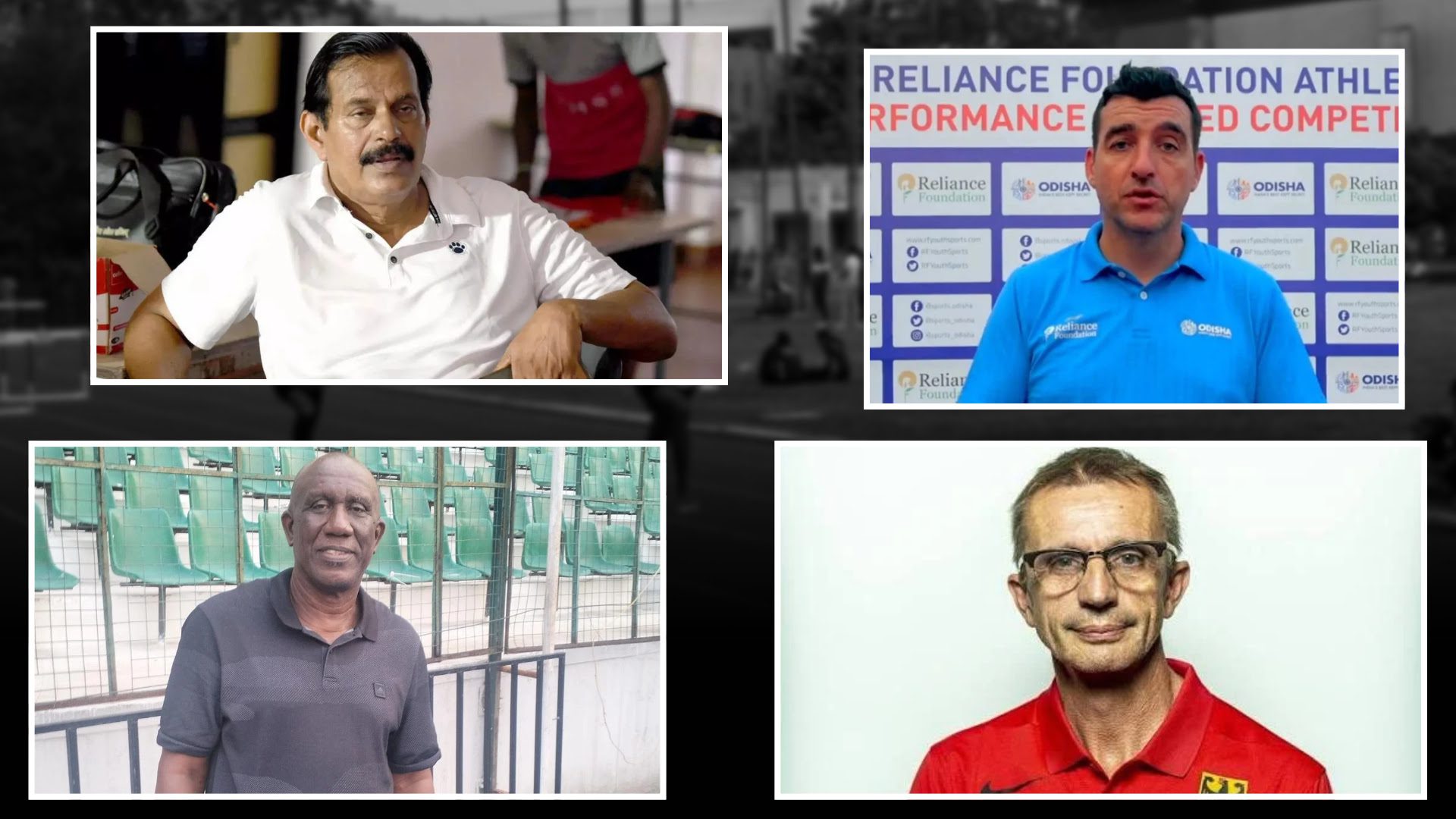
1. Jerry Lee Holness: Reviewing the Women’s 400m Coaching Setup
The Athletics Federation of India (AFI) appointed Jamaica’s Jerry Lee Holness as the dedicated women’s 400m coach at the NCOE camp in Trivandrum. His responsibilities included the women’s 400m and 4x400m relay squads.
Holness arrived with high expectations. He had previously mentored Olympic and world champions Elaine Thompson-Herah and Nesta Carter. However, after almost two seasons, his results with India’s women’s 400m group remain a concern.
By comparison, Jamaican coach Jason Dawson has earned credit for India’s progress in the 400m. His work includes Vishal TK’s national record of 44.98 seconds.
India’s women won the country’s only athletics gold at the Asian Games in the 4x400m relay. However, the athletes’ training arrangements raise questions about the camp’s contribution. Kiran Pahal, Vithya Ramraj, and Prachi trained mostly outside the camp. They joined it after the Inter-State Championships, the qualifying event for the 2026 Asian Games. This arrangement technically met AFI’s campers-only policy.
What the Women’s 400m Results Reveal
Individual performances also highlight the issue. Vithya Ramraj, a 400m hurdler who trains outside the camp under Nehpal Singh Rathore, recorded the fastest Indian women’s 400m time of the season at 51.96 seconds. Aishwarya Mishra ranked second at 52.51 seconds. She also trained outside the camp.
Last season’s rankings showed a similar pattern. Aishwarya topped the list with 51.12 seconds. Among the top four athletes, only Rupal, who finished second at 52.41 seconds, trained at a camp. She worked under Dawson rather than Holness.
Therefore, AFI faces an important decision. Will it retain Holness or consider a coaching change before the 2028 Olympics? The Asian Relay Championships and the 2027 World Championships will provide important opportunities to assess progress.
2. Radhakrishnan Nair: Choosing India’s Next Chief Athletics Coach
NNIS Sports reported on 17 July 2026 that India’s chief athletics coach, Radhakrishnan Nair, was expected to retire. AFI has since posted the vacancy on its website and invited applications for the position.
Sources indicate that a throws coach with experience working alongside several of India’s elite throwers may be a frontrunner. However, the federation has not made a final decision.
We contacted coaches and athletes to understand their expectations for the next chief coach. Their responses highlighted three priorities: stronger support for Indian coaches, better communication, and greater transparency.
What Athletes and Coaches Want
One coach, who requested anonymity, said, “Focus more on Indian coaches and don’t be entirely dependent on foreign coaches.”
A member of the support staff also called for better communication with athletes. They said, “Communication with athletes should be smoother and more respectful. There have been instances of male athletes being spoken to using inappropriate language.”
Meanwhile, another athlete stressed the need for transparent team selection.
“Team selection should be explained by the chief coach at a press conference after each selection meeting. This would ensure transparency and help people understand AFI’s thinking,” the athlete said.
These concerns point to the need for clear communication and accountability. The next chief coach will need to build trust with athletes and support staff while improving India’s competitive performance.
3. India’s 4x100m Relay Coaches: Addressing Performance and Injuries
After India won silver in the women’s 4x100m relay at the 2025 Asian Athletics Championships, AFI announced that it would prioritise both 4x100m relay teams for the Asian Games.
The federation appointed James Hillier, athletics director at Reliance, as the men’s national coach. It also appointed Seenivasan Ramaiah to lead the women’s team. AFI announced the probable athletes almost a year in advance and organised two preparatory camps. The women trained at NCOE Trivandrum, while the men trained at Reliance’s Jio Institute in Mumbai.
Women’s Progress and Men’s Relay Setbacks
The women’s team qualified for the Asian Games final and finished fourth in 43.57 seconds. However, the men’s team endured a difficult season.
First, the men were disqualified at the season-opening Open Relays on 28 March 2026. As a result, they missed qualification for the Asian Relay Championships. They then suffered another disqualification at the World Relays because of a failed baton exchange.
Injuries created further problems. Most members of the men’s squad sustained injuries while training at the Jio Institute under Hillier. Consequently, India missed the men’s 4x100m relay event at the Asian Games.
These setbacks highlight the importance of relay coordination, injury management, and consistent preparation. AFI will need to review its training methods and athlete fitness plans before the next major competitions.
4. Ronald Weigel: Assessing India’s Racewalking Programme
AFI appointed Germany’s Ronald Weigel as India’s foreign racewalking expert in 2025. However, almost two seasons later, the programme has yet to demonstrate clear improvements in major international competitions.
AFI required athletes who had trained independently or with private and government organisations to join the camp under Weigel. Nevertheless, only a few athletes, including Priyanka Goswami and Sandeep Kumar, trained under him. India’s performances at the World Race Walking Championships also fell short of expectations.
India’s Results at the World Race Walking Championships
The following results show how Indian racewalkers performed in the marathon and half-marathon events.
India’s racewalkers struggled again at the 2026 Asian Games. Across the four marathon and half-marathon race walk events, India fielded athletes only in the women’s marathon race walk. Priyanka Goswami and Manju Rani represented the country.
Priyanka received four red cards after approximately 9km and was disqualified. Two cards cited loss of contact, while the other two cited knee flexion. Meanwhile, Manju Rani finished last in 3:40:17. Her time was nearly seven minutes slower than her personal best of 3:33:24.
When NNIS Sports approached Weigel for an interview at the venue, he declined. He explained that he could not speak to the media without AFI’s permission.
These results raise questions about the effectiveness of the current racewalking programme. AFI may need to assess coaching methods, athlete preparation, and the support available to racewalkers before the next international season.
What Needs to Change Before the Next Athletics Season?
India’s 2026 Asian Games campaign delivered 24 medals, national records, and individual improvements. However, the results also exposed concerns about coaching effectiveness, relay preparation, athlete communication, and racewalking performance.
AFI now faces important decisions about its coaching structure and training programmes. Better support for Indian coaches, transparent selection processes, improved injury management, and stronger event-specific preparation could help athletes progress.
With the 2027 World Championships and the road to the 2028 Olympics ahead, the next season will offer an important opportunity to evaluate these changes and strengthen India’s athletics programme.
Chennai’s Jawaharlal Nehru Stadium will host the 41st National Junior Athletics Championships from October 23 to 27. The meet features around 100 events across four age groups: U20, U18, U16, and U14. Both men and women will compete.
The championships offer a major platform for India’s young athletes. Past editions introduced talents such as high jumper Pooja and sprinter Abinaya Rajarajan before their senior careers.
This season has already produced remarkable junior performances. A 17-year-old hammer thrower set a senior national record. An U18 sprinter broke his age-group record twice in one day. Meanwhile, hurdlers combined for six runs faster than the previous national record.
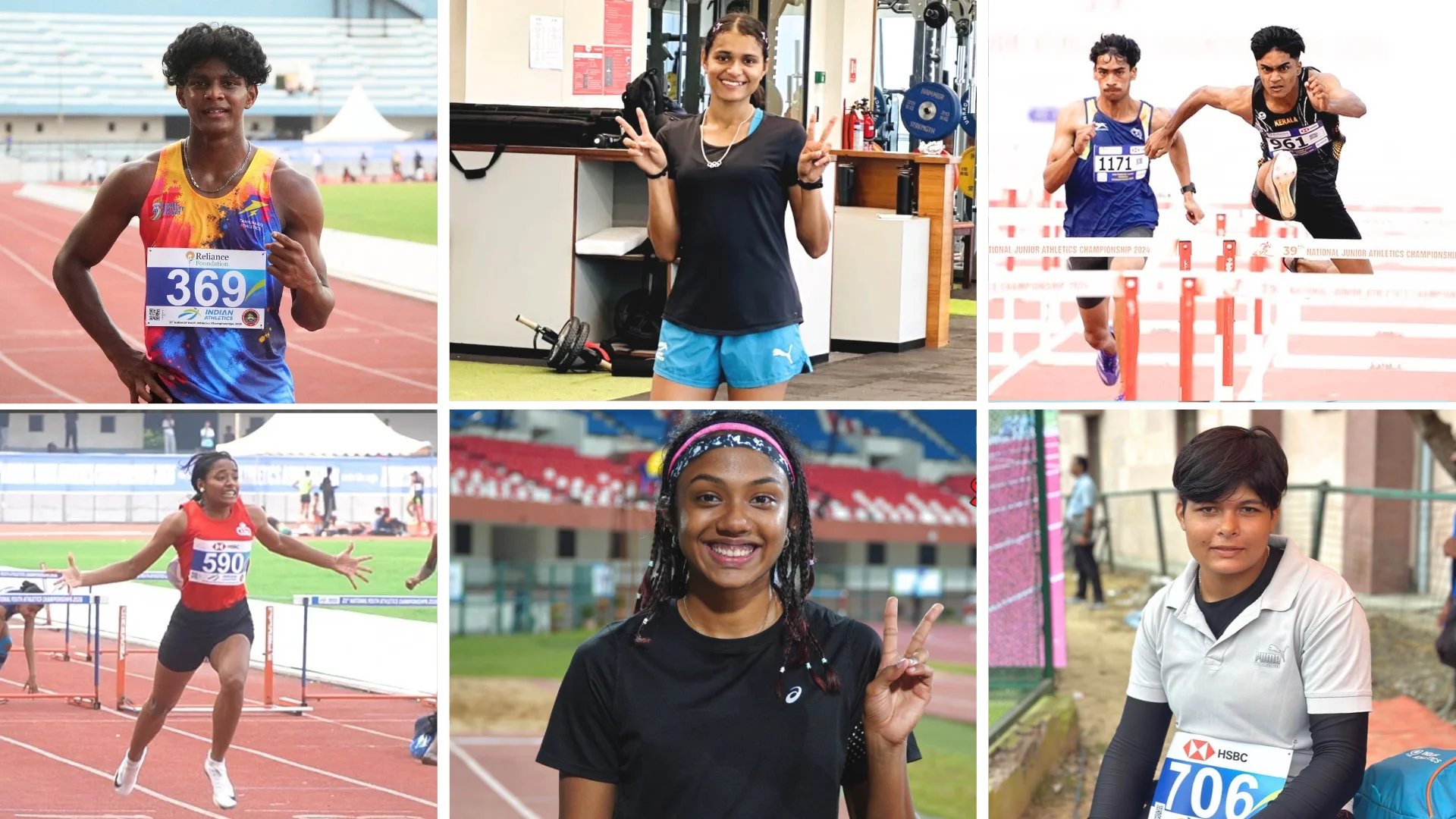
Here are the athletes and events to watch in Chennai.
1. Sprints: Neil Samraj Leads the U18 Field
Neil Samraj Targets a Faster 100m
Tamil Nadu’s Neil Samraj, 17, is a leading contender in the U18 men’s 100m. On September 1, 2026, he broke the U18 national record twice in one day at the Youth Nationals. He now holds the record at 10.46 seconds.
However, Samraj wants more. He told NNIS Sports after his race, “Not really satisfied with my performance. I was targeting a sub-10.40s run, but the race went slow.”
His next race offers another chance to improve that mark.
Pratik Maharana and Aarti Siwach Aim to Impress
Odisha’s Pratik Maharana, 19, will also attract attention. He is the defending U20 200m champion and last year’s 100m silver medallist. His personal bests stand at 10.62 seconds in the 100m and 21.24 seconds in the 200m.
Maharana trains under Siba Misra, who has also coached Dutee Chand. Chand holds the women’s senior national 100m record at 11.17 seconds. Chennai’s Jawaharlal Nehru Stadium track has a reputation for speed. Therefore, both sprinters could challenge their personal bests.
In the women’s U20 sprints, Aarti Siwach will move up from the U18 category. She previously won national titles in both the 100m and 200m. Her personal bests are 11.81 seconds and 24.12 seconds, respectively.
Siwach also won bronze at the 2025 U18 Asian Youth Championships. This season, she joined Reliance and began training under Rohit Manne. The U20 competition will test her against older and stronger rivals.
2. Hurdles: Three Contenders Chase the Men’s Title
Fasalul Haque, Kiran K and Saif Chafekar
The men’s 110m hurdles could deliver one of the closest races of the championships. Kerala’s Fasalul Haque and Kiran K will face Maharashtra’s Saif Chafekar.
These three athletes have made significant progress over the past year. Yuvaraj S, who has now exceeded the U20 age limit, also contributed to the rise in performances.
Together, the four athletes have recorded six times faster than the previous U20 national record. Moreover, athletes have lowered that record three times during the same period. The Chennai final will reveal who currently leads the field.
Nupura Holla Returns to the Spotlight
In the women’s U18 100m hurdles, 16-year-old Nupura Holla is another athlete to watch. She set a personal best of 13.78 seconds while winning the youth title ahead of Shourya Ambure at the Youth Nationals.
Holla also qualified for the Youth Olympics. However, she could not represent India because she holds a US passport. The Chennai championships offer her a major opportunity to compete again after that disappointment.
3. Race Walk: Tushar Panwar Looks to Continue His Progress
Tushar Panwar enters the men’s 5000m race walk after winning bronze in the 21km race walk at the U23 Nationals on October 18, 2026.
Earlier this season, Panwar won the 5km title at the Indian Race-Walking Championships. He also holds the fastest time in the 5000m race walk field.
However, the two distances demand different approaches. The move from 21km to 5000m requires a major adjustment in pace and race strategy. His speed over the shorter distance will be worth watching.
Understanding the Race Walk Records
Nitin Gupta holds the Indian U20 record in the 5000m race walk. Meanwhile, Tushar Panwar holds the record in the 5km race walk.
The distances may sound similar, but the events use different courses. The 5000m race walk takes place on a track. In contrast, the 5km race walk takes place on a road course.
4. Throws: Record-Breakers Return to Competition
Anushka Yadav Returns to the U20 Hammer Throw
Uttar Pradesh’s Anushka Yadav, 17, made headlines this season. She broke the senior women’s hammer throw national record with a throw of 67.02 metres.
She also won the Inter-State Championships and earned selection for India’s Asian Games team. Later, Tanya Chaudhary improved the national record to 68.35 metres.
Yadav now returns to the U20 hammer throw after an eventful season. Her performance in Chennai will show how she responds to the demands of junior competition.
Nischay Brings International Experience
Haryana’s Nischay, 17, is another promising name in the throws. He won silver at the U20 Asian Championships with a U20 national record of 60.10 metres in the discus.
He also represented India at the U20 World Championships. At Chennai, Nischay will compete in the U18 discus and shot put. His participation in both events makes him one of the meet’s most versatile throwers.
5. Jumps: Sadhana Ravi Takes on Two Events
Tamil Nadu’s Sadhana Ravi, 18, will compete in both the women’s long jump and triple jump.
She won the 2025 Junior Federation Cup triple jump with a mark of 12.75 metres. She also claimed the 2025 U18 national long jump title with 5.94 metres.
This season, Ravi earned silver in the triple jump at the U20 Asian Championships. She then improved her personal best to 13.08 metres at the season-opening Open Jumps.
Her long jump season best stands at 5.74 metres. Therefore, both events offer opportunities to assess her progress and consistency.
What to Expect at the National Junior Athletics Championships 2026
The five-day championships will bring together promising athletes across four age groups. Sprinting, hurdles, race walking, throws, and jumps all feature potential breakthrough performances.
Neil Samraj will look to improve his record-breaking sprint times. Meanwhile, the men’s 110m hurdles promises a close contest. Tushar Panwar, Anushka Yadav, Nischay, and Sadhana Ravi will also draw attention in their respective events.
With several athletes already producing national records and international-level results, Chennai offers an important test. The championships will help identify which juniors are ready to take the next step in Indian athletics.