
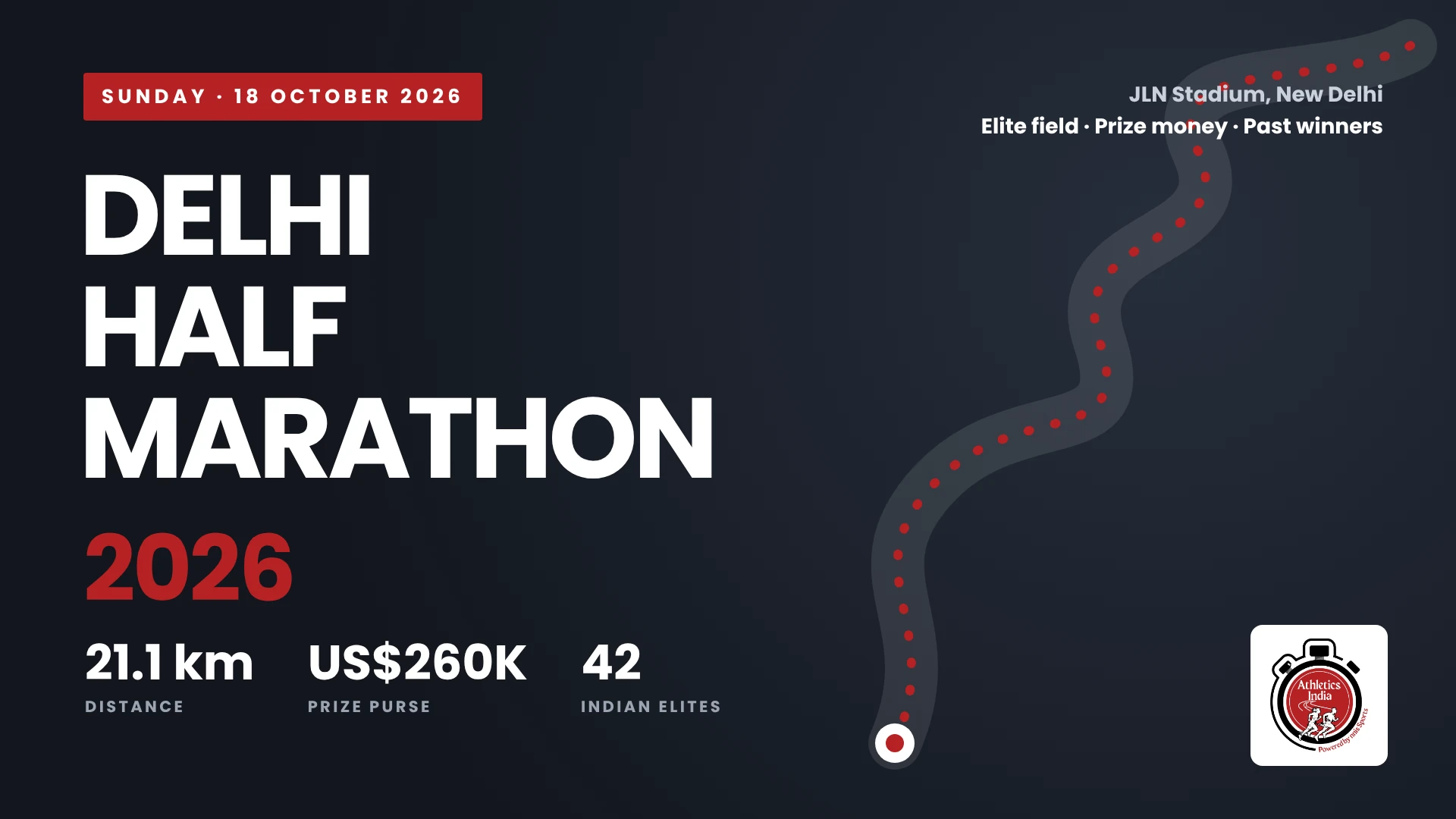
The Delhi Half Marathon 2026 takes place on Sunday, 18 October, with the start and finish at the Jawaharlal Nehru Stadium in New Delhi. It is the 21st edition of the Vedanta Delhi Half Marathon, a World Athletics Gold Label road race with a total prize purse of US$260,000.
Procam International, the race promoter, announced a 42-member Indian elite field on 8 October. Harmanjot Singh, the fastest Indian in the field, leads the men, while former champions Lili Das and Kavita Yadav lead the women. This guide therefore covers the date, the race categories, the Indian elite runners, the prize money, the records and every recent winner. In addition, we will add the results here on race day.
Delhi Half Marathon 2026 at a glance
- Date: Sunday, 18 October 2026
- Start and finish: Jawaharlal Nehru Stadium, New Delhi
- Edition: 21st Vedanta Delhi Half Marathon
- Status: World Athletics Gold Label road race
- Total prize purse: US$260,000
- Indian elite field: 42 runners (22 men, 20 women)
- Indian elite winner’s prize: Rs 3,50,000 (men and women)
- Promoter: Procam International
Jump to: Date and venue Race categories Indian elite field Prize money Records Past winners 2025 results Race-day results
Delhi Half Marathon 2026 date and venue
The race is on Sunday, 18 October 2026. As in recent editions, it starts and finishes at the Jawaharlal Nehru Stadium. Procam International organises the event, and the official race website carries the race-day information for registered runners.
The Delhi Half Marathon is one of India’s biggest running events. For example, the 2025 edition had 39,513 participants, including 9,709 women, according to Outlook. The elite race also carries World Athletics Gold Label status, so it draws Kenyan and Ethiopian runners every year.
Race categories at the Delhi Half Marathon 2026
Registrations opened on 23 July for six categories. However, each category had its own closing date or slot limit, so check the official website for any places left.
| Category | Note |
|---|---|
| Half Marathon | 21.097 km; elite and amateur runners aged 18 and above |
| Open 10K | 10 km |
| Great Delhi Run | Fun run |
| Senior Citizens’ Run | – |
| Champions with Disability Run | – |
| Virtual Run | Run from anywhere |
For the elite half marathon, runners must be at least 18, which means born on or before 17 October 2008. Moreover, all elite finishers receive a finisher medal, and confirmed elite runners get an official event T-shirt.
Delhi Half Marathon 2026 Indian elite field
The Indian elite field has 22 men and 20 women. Procam named the leading athletes in a press release on 8 October, reported by ANI. In short, the men’s race is a contest between a debutant with the best time and the runners who stood on the podium last year.
Indian elite men to watch
| Athlete | Why he matters |
|---|---|
| Harmanjot Singh | Fastest Indian in the field with a half marathon best of 1:01:46 (Alwar). Reigning TCS World 10K Bengaluru 2026 Indian elite champion and 2026 Asian Cross Country silver medallist. Making his Delhi debut. |
| Kiran Matre | Second among Indian elite men in Delhi in 2025, where he ran his best of 1:04:57. Indian elite winner at the TCS World 10K Bengaluru in 2024. |
| Kartik Karkera | Third among Indian elite men in Delhi in 2025. Indian elite men’s winner at the Tata Mumbai Marathon 2026. |
| Prince Kumar (Uttar Pradesh) | Back in the half marathon after a long break. Won the 5000m and 10,000m at the 2025 National Open and 5000m gold at the 2025 South Asian Championships. |
Harmanjot starts as the favourite on paper. His best is more than three minutes faster than Kiran Matre’s. Earlier this season, he also traded the lead with Gulveer Singh in the Inter-State 5000m final. Karkera, meanwhile, is in good form as well; he ran a 10,000m personal best on the track at the Indian Athletics Series in April.
Indian elite women to watch
| Athlete | Why she matters |
|---|---|
| Lili Das | Won the Indian elite women’s race in Delhi in 2024. |
| Kavita Yadav | Won the Indian elite women’s race in Delhi in 2023. |
| Ankita Dhyani | Olympic and World Championships steeplechaser. Finished fifth among Indian elite women on her half marathon debut in Delhi in 2025. |
| Priti Lamba | Bronze medallist in the 3000m steeplechase at the Asian Games 2023. |
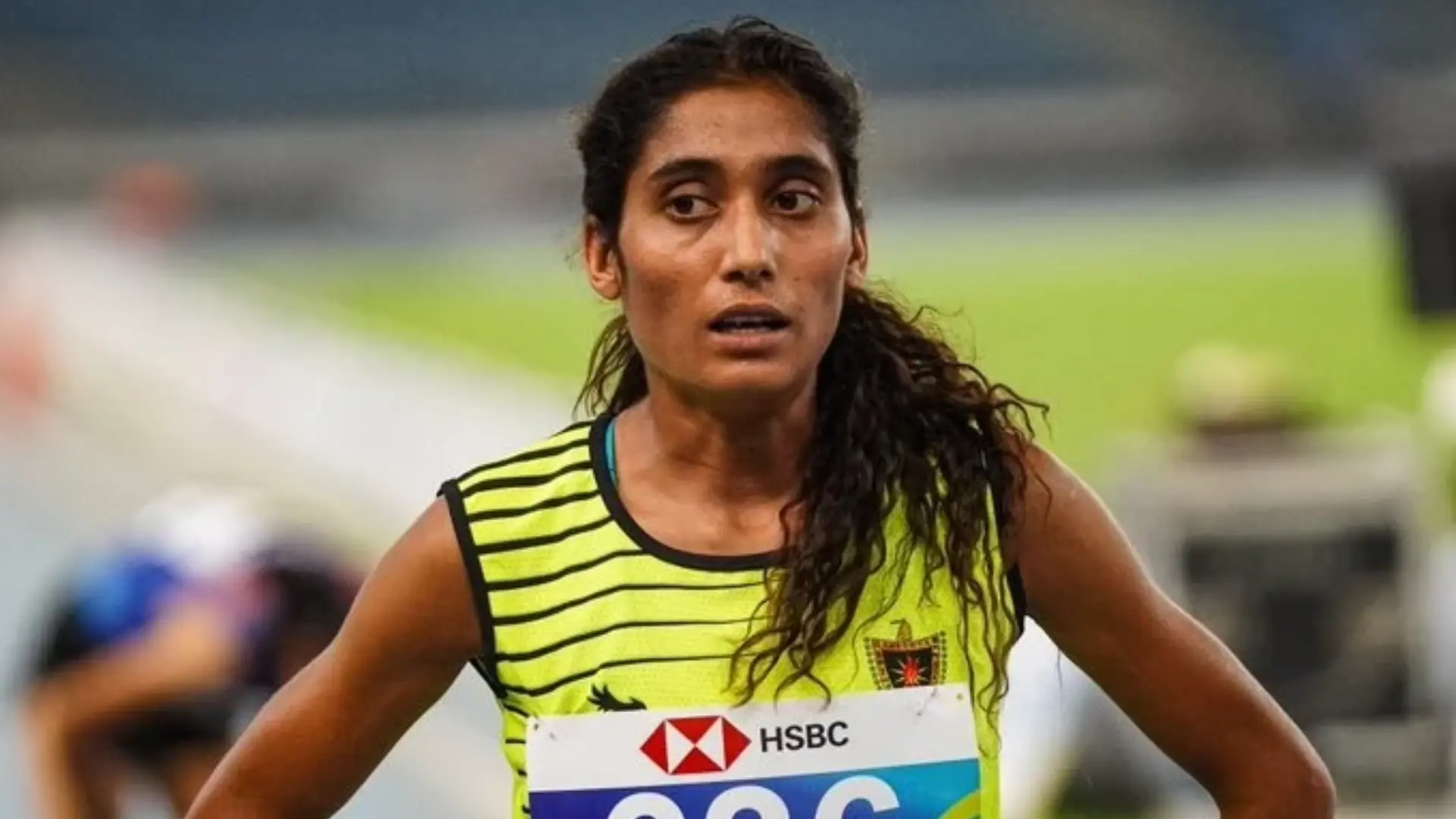
Two former champions, then, meet two steeplechasers who are still new to the distance. Ankita comes into the race in form, too: she won the 1500m at the National Open Athletics Championships in New Delhi this month.
Delhi Half Marathon 2026 prize money
The total prize purse is US$260,000. Most of it goes to the international elite race. For Indian runners, however, there is a separate Indian elite prize, and it is the same for men and women.
| Indian elite position | Men | Women |
|---|---|---|
| 1st | Rs 3,50,000 | Rs 3,50,000 |
| 2nd | Rs 2,50,000 | Rs 2,50,000 |
| 3rd | Rs 1,50,000 | Rs 1,50,000 |
| New Indian elite race record | Rs 1,00,000 bonus | Rs 1,00,000 bonus |
In addition, Procam has launched PRIDE (Procam Rewards for Indian Distance Elites) with this edition. It is a merit-based rewards scheme for verified Indian elite distance runners who enter any Procam event, according to Telangana Today.
Course records and Indian elite records
Both overall course records date from the 2020 race, which Ethiopian runners won in very fast times. The Indian elite records are older still.
| Record | Time | Athlete | Year |
|---|---|---|---|
| Course record, men | 58:53 | Amedework Walelegn (Ethiopia) | 2020 |
| Course record, women | 1:04:46 | Yalemzerf Yehualaw (Ethiopia) | 2020 |
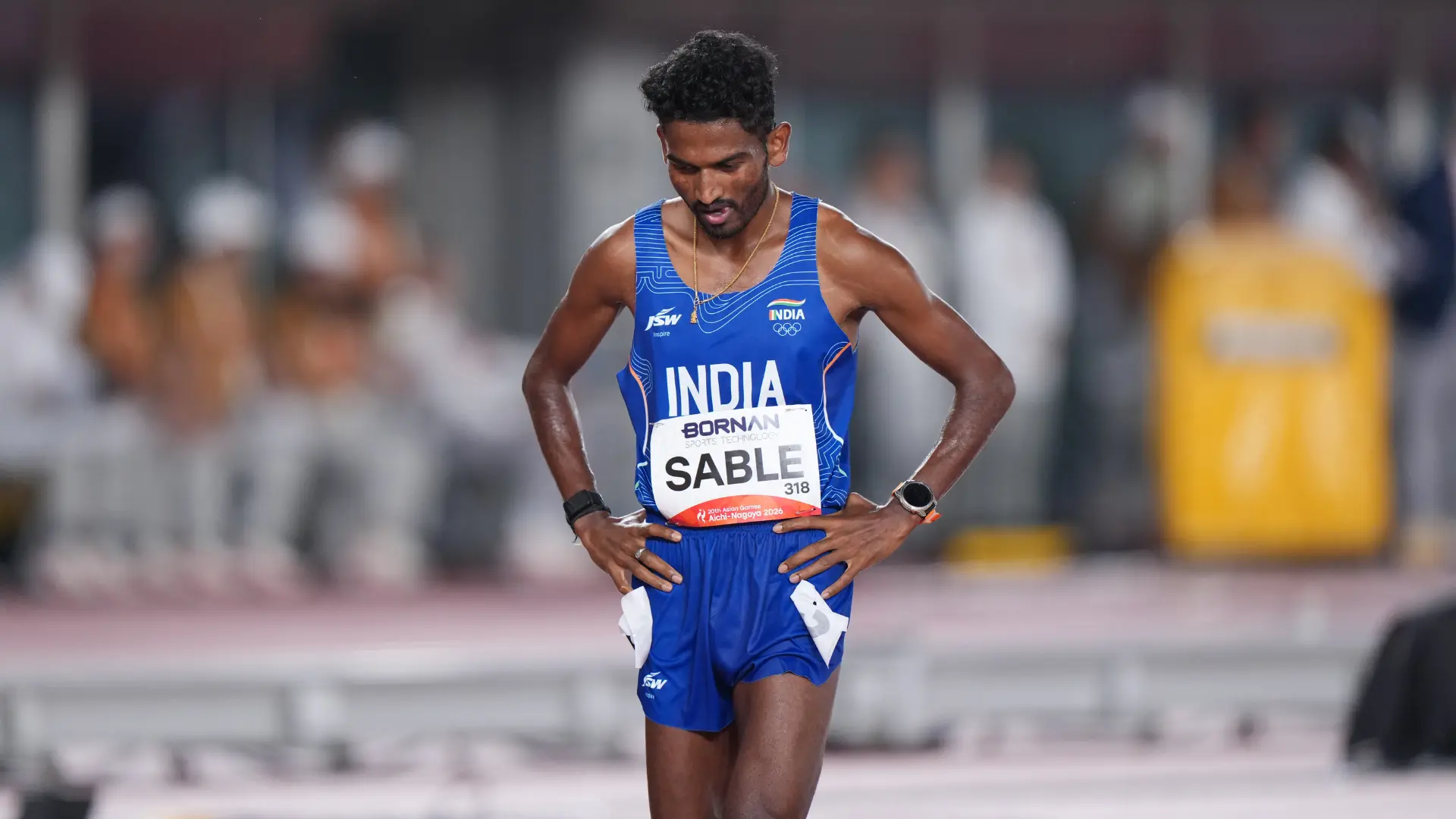
| Indian elite record, men | 1:00:30 | Avinash Sable | 2020 |
| Indian elite record, women | 1:10:31 | L. Suriya | 2017 |
Can the Indian men’s record fall this year? It would take a big step from Harmanjot. His best of 1:01:46 is still 76 seconds slower than Sable’s mark. Even so, the Rs 1,00,000 bonus gives every Indian elite runner a reason to go for it.
Delhi Half Marathon winners since 2019
East African runners have won every international elite race in recent years. Notably, Olympic and world champion Joshua Cheptegei of Uganda won the men’s race in 2024.
| Year | Men’s winner | Time | Women’s winner | Time |
|---|---|---|---|---|
| 2025 | Alex Matata (Kenya) | 59:50 | Lilian Rengeruk (Kenya) | 1:07:20 |
| 2024 | Joshua Cheptegei (Uganda) | 59:46 | Alemaddis Eyayu (Ethiopia) | 1:08:17 |
| 2023 | Daniel Ebenyo (Kenya) | 59:27 | Almaz Ayana (Ethiopia) | 1:07:58 |
| 2022 | Chala Regasa (Ethiopia) | 1:00:30 | Irine Cheptai (Kenya) | 1:06:42 |
| 2020 | Amedework Walelegn (Ethiopia) | 58:53 | Yalemzerf Yehualaw (Ethiopia) | 1:04:46 |
| 2019 | Andamlak Belihu (Ethiopia) | 59:10 | Tsehay Gemechu (Ethiopia) | 1:06:00 |
Delhi Half Marathon 2025 results: a quick recap
Last year’s race took place on 12 October 2025. Kenya won both elite races, and that had happened only once before, in 2006. Alex Matata won the men’s race in 59:50, while Lilian Rengeruk beat Ethiopia’s Melal Siyoum Biratu by one second in the women’s race, as Outlook reported.
| Indian elite | 1st | 2nd | 3rd |
|---|---|---|---|
| Men | Abhishek Pal, 1:04:17 | Kiran Matre, 1:04:57 | Kartik Karkera, 1:05:16 |
| Women | Seema, 1:11:23 | Ujala, 1:15:41 | Sanjivani Jadhav, 1:15:52 |
Two of last year’s men’s podium finishers, Matre and Karkera, are back in 2026. As a result, Harmanjot’s debut gives the Indian race its most open look in years.
Shaunae Miller-Uibo is the event ambassador
Two-time Olympic 400m champion Shaunae Miller-Uibo of the Bahamas is the International Event Ambassador for the Delhi Half Marathon 2026, Procam announced on 24 September. She won Olympic gold in Rio 2016 and Tokyo 2020, and she became world 400m champion in 2022.
Delhi Half Marathon 2026 results on race day
Provisional results are due by 5 PM on race day, according to the official race page. Timing certificates follow on Sports Timing Solutions after 21 working days.
We will update this page on 18 October with the international and Indian elite results, the top ten in each race and any records. Procam had not named the international elite field when this page was published on 12 October; we will add it as soon as it is announced.
Meanwhile, Indian distance running is having a strong year. For example, Sawan Barwal set a national record of 2:11:37 to win marathon silver at the Asian Games in September. You can also find all of India’s medals in our Asian Games 2026 athletics results.
Parul Chaudhary delivered an impressive performance at the Nagoya Asian Games, winning two bronze medals in two different events within 24 hours.
The Indian distance runner first claimed bronze in the women’s 3000m steeplechase, setting a national record of 9:08.67. The following day, she returned to the track and secured another bronze in the women’s 5000m, clocking 15:14.61.
Her double medal achievement required her to compete in two events with very different demands.
Parul Chaudhary Sets National Record in 3000m Steeplechase
Parul began her two-day campaign with a bronze medal in the women’s 3000m steeplechase.
She clocked 9:08.67, setting a new Indian national record while securing a place on the podium.
The event combines distance running with 35 barriers, including seven water jumps. It demands endurance, rhythm and the ability to negotiate obstacles throughout the race.
Parul’s performance made it one of the strongest races of her career.
Second Bronze in the Women’s 5000m
Just one day later, Parul returned to the track for the women’s 5000m final.
She remained in medal contention throughout the race before delivering another determined performance in the closing stages. Her time of 15:14.61 earned her a second bronze medal.
Bahrain’s Winfred Yavi won gold in 15:10.18, while Japan’s Nozomi Tanaka secured silver in 15:11.65.
Parul finished third, just 1.46 seconds behind Tanaka.
Unlike the steeplechase, the 5000m is a continuous track event covering 12½ laps. It requires sustained pace, tactical awareness and the ability to respond to changes in the race.
Two Events, Two Different Challenges
Parul’s double bronze highlights her ability to compete across different distance events.
In the steeplechase, she had to negotiate barriers and water jumps while maintaining her pace. The 5000m, meanwhile, demanded consistent speed and tactical racing over a longer uninterrupted distance.
Her experience in both disciplines helped her deliver two podium finishes in quick succession.
Parul has established herself as one of India’s leading distance runners, competing successfully in the 3000m steeplechase and longer track events.
Her Nagoya performances add two more major championship medals to her record.
Parul Chaudhary’s Asian Games Medal Summary
|
Event |
Medal |
Performance |
|---|---|---|
|
Women’s 3000m Steeplechase |
Bronze |
9:08.67 (NR) |
|
Women’s 5000m |
Bronze |
15:14.61 |
Two Bronzes in Two Days
Parul Chaudhary leaves Nagoya with two Asian Games bronze medals and a new national record.
Her achievement came through two demanding races held on consecutive days. She first reached the podium in the steeplechase before returning the next day to claim another bronze in the 5000m.
Two races, two days, two medals — and a national record along the way.
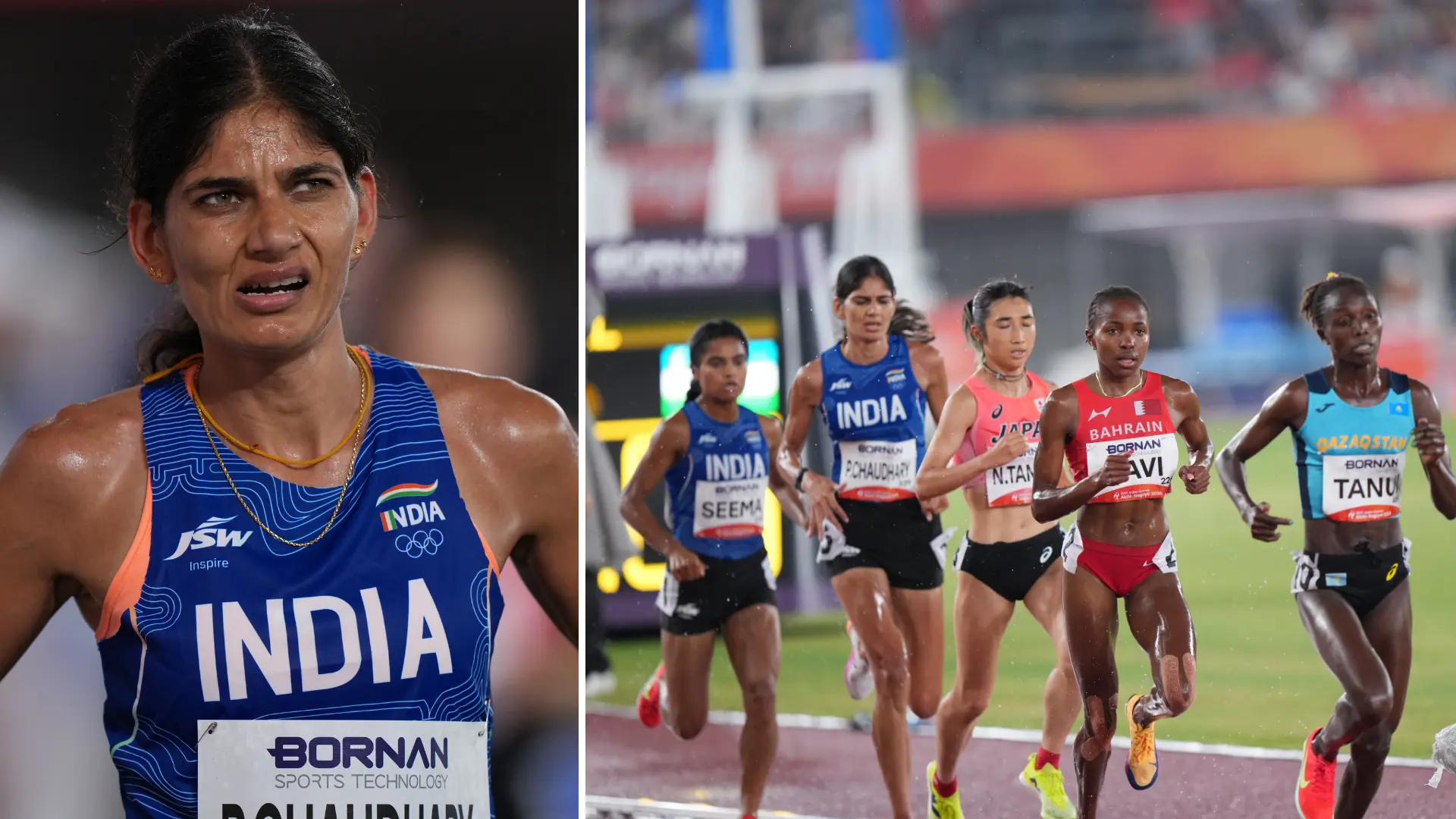
As the race unfolded, Bahrain’s Winfred Yavi bobbed up and down in the lead, while Ruth Jebet surprisingly began to fade. Meanwhile, Nozomi Tanaka of Japan stuck tenaciously to the front, threatening an upset on the final lap before Yavi’s world-class, loping strides and devastating 200-meter sprint broke the resistance.
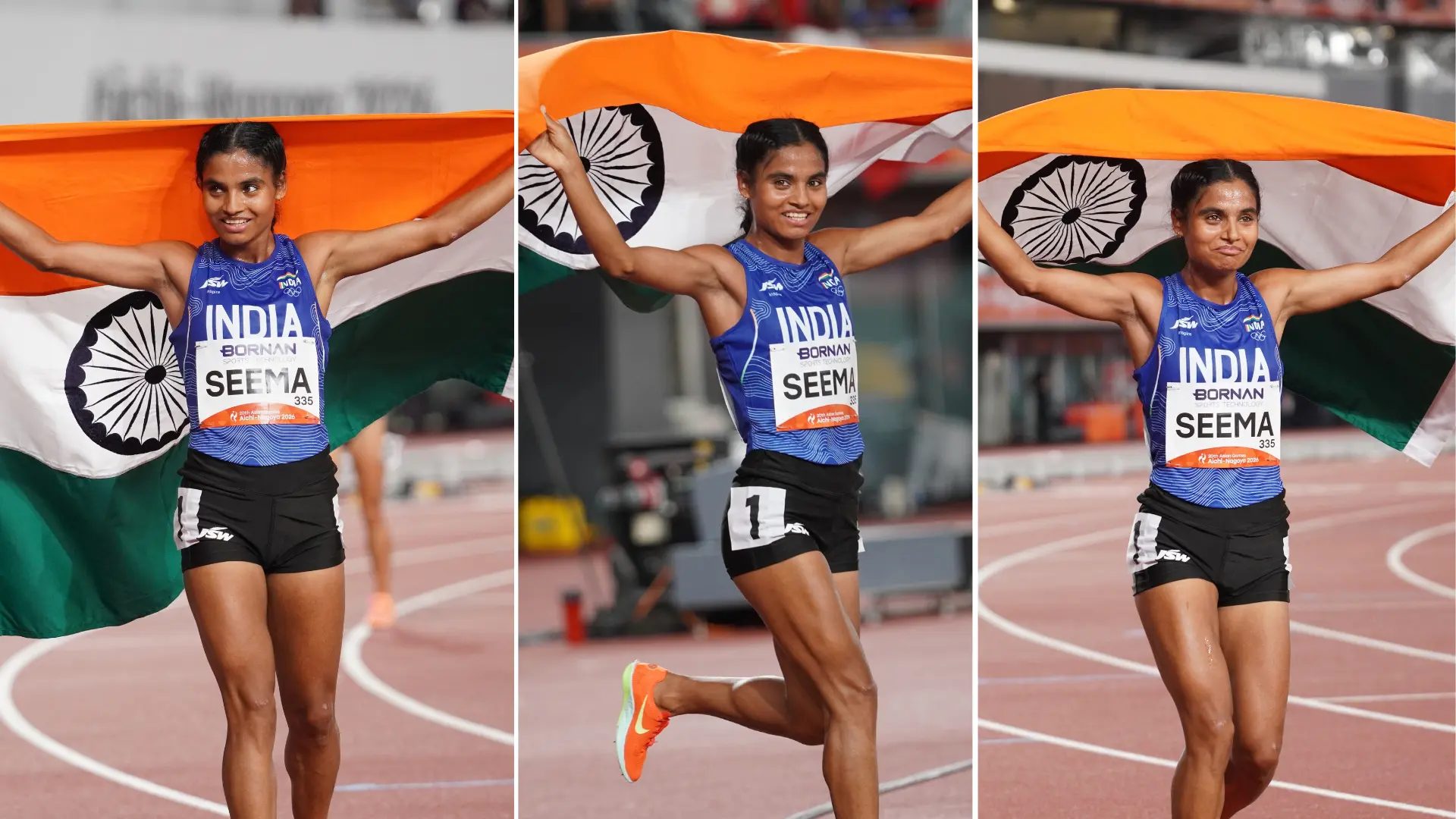
Amidst this elite fray was Seema, the diminutive Indian distance runner taking a giant step onto the international stage.
“Because it was my first Asian Games, and everyone wants to win gold for their country, I also fought to win gold. But I won the bronze medal. I am happy.”
For Seema, the race wasn’t just physical; it was a course of unexpected trials. Unknown to most, a foreign object had lodged itself into her shoe early on.
“Did you get hurt in your shoes? Yes, I got a sticker on my foot. But I didn’t see it. I didn’t pay much attention.”
That resilience defined her race. When the initial slow tempo didn’t suit her and the pack began playing tactical games, Seema adapted on the fly. When Yavi and the leaders finally threw down the hammer in the final laps, Seema dug deep. Could she have grabbed silver instead of Tanaka? Yes, she could have. That is the eternal crossroads for a 10k runner: when to surge and when to bide your time. Securing bronze in 32:50.05 was a steep learning curve, but one she handled with maturity.
This podium finish was no accident. It is the product of meticulous planning, gruelling overseas camps, and an unbreakable mindset. Training in the United States for the last three years, with the support of the Athletics Federation of India (AFI), SAI, and TOPS, has transformed her trajectory.
Recent months saw the squad complete a high-intensity, two-and-a-half-month block in the U.S., returning home just a week prior to the Games. “It is very beneficial for us because there are tough conditions there, and we train with Olympic champions. Since the Olympic Games will be held in Los Angeles in 2028, it prepares our mindset to compete.”
Wrapped proudly in the tricolour, Seema looked back at a journey that includes a silver medal at the 2025 World University Games. But the story is far from over.
With her next event, the 5000 meters, approaching on September 28th, Seema is eager to apply the tactical lessons learned on the 10k track.
“My next event is the 5000 meters. I will try my best to change the colour of my medal.”
Guided by mentors who always remind her, “Seema, you are the best. You are a fighter,” she has proven she can take a punch, adapt to chaos, and deliver when it matters most.
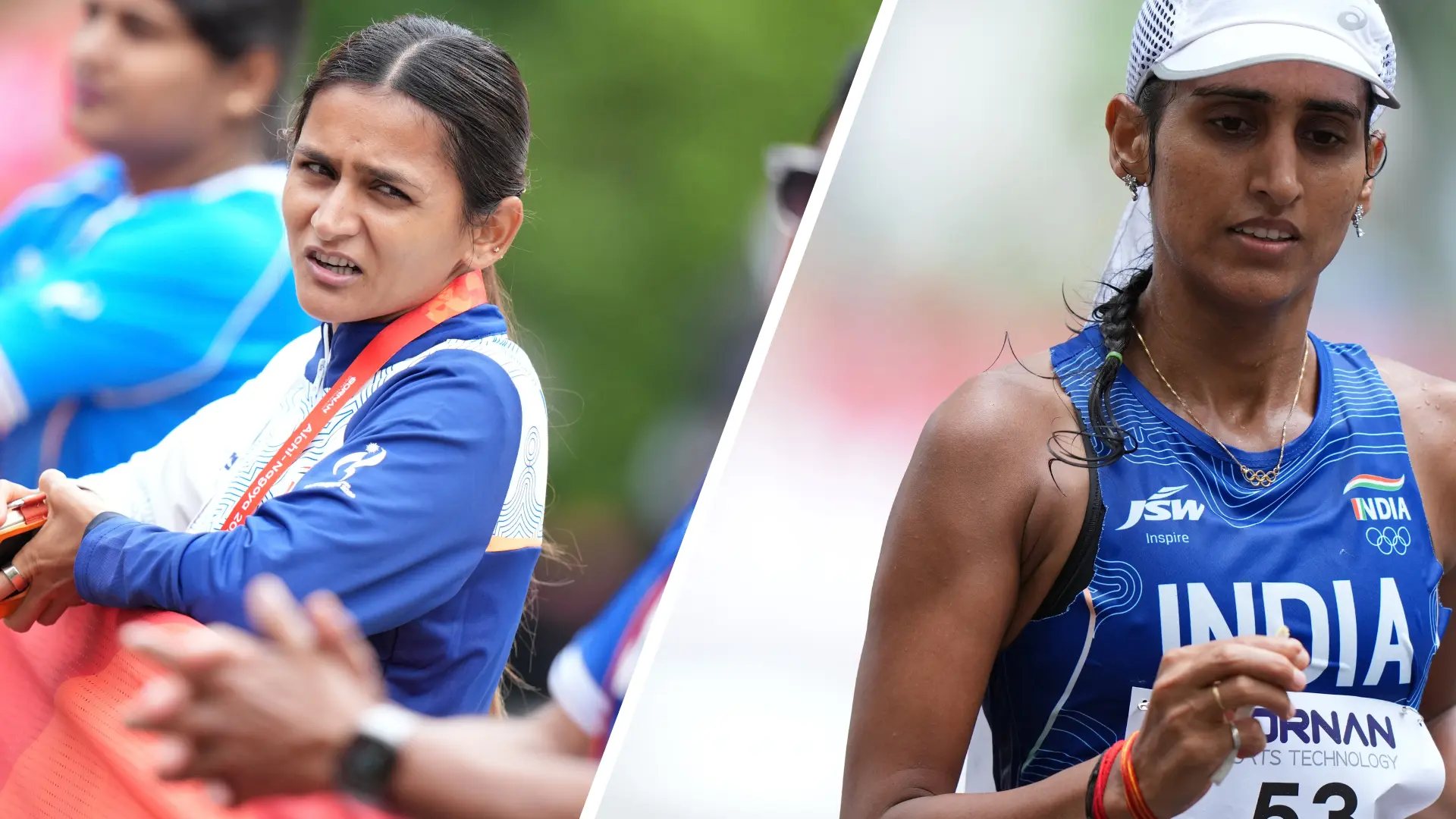
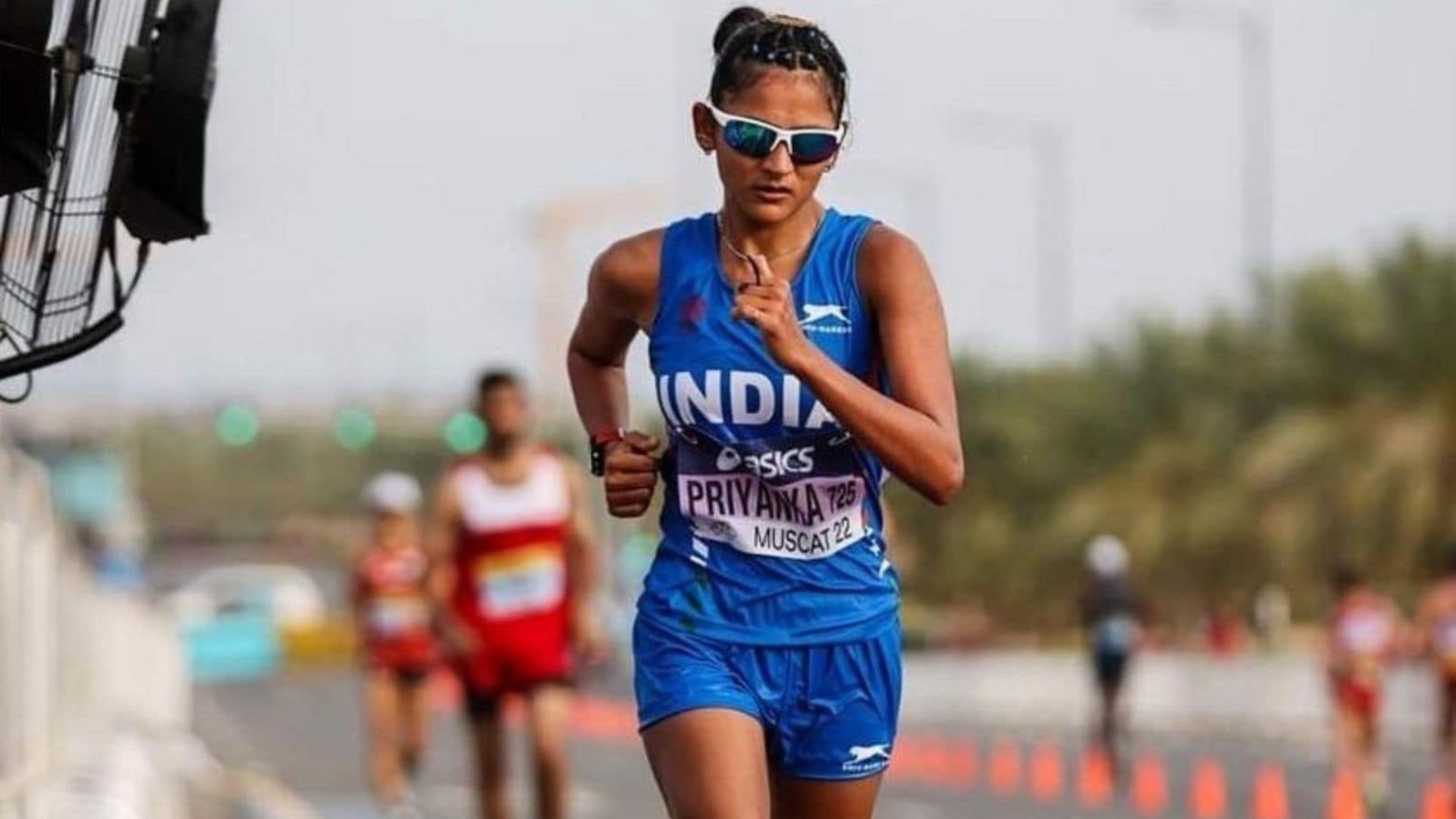
For elite athlete Priyanka, a cupboard full of shimmering medals – including a historic Commonwealth Games silver – is not merely a collection of trophies. It is the physical manifestation of a lifetime carved out of grit, sweat, and relentless perseverance. When the news of her selection for the prestigious Arjuna Award reached her, it triggered a wave of emotion. Sitting down for an exclusive interview, Priyanka reflected on what the honour truly represents.
“This is not an award for me,” she shared, her voice carrying the weight of past hardships. “This is the whole journey of my life in sports, in which I have seen ups and downs. I have struggled a lot in my life. So, I remember all that in a moment, that finally my perseverance has paid off, and I have got the award for that hard work today.”
Her ascent to national prominence is a testament to the famous line – It takes a village to raise a champion. While she acknowledges the invaluable foundation laid by her parents and family, she also points to the pivotal turning point of 2020. That was the year she began a specialized training regimen that culminated in 2021 when she shattered the national record and qualified for the Olympics with a stellar time of 1 hour 28 minutes and 5 seconds. Ask her how she plans to organize her accolades – placing her Commonwealth silver alongside state honours like the Rani Lakshmi Bhai Award – and she insists the CWG medal itself will always sit proudly at the very top, for it was the catalyst that changed her life forever.
Priyanka’s story, however, did not begin on an international track. It started locally in Meerut; a city steeped in a rich sports culture. In her early days, she competed in a modest 3-kilometer race, entirely unaware of what senior-level distances like 20 kilometres or marathons entailed. Her prize for that district-level race? A simple travelling bag. Today, she still keeps that first souvenir at home, a humble reminder of where it all started, long before she transitioned permanently into race walking and secured a Youth National silver medal just five months later.
Yet, stepping into elite international fields brought entirely new challenges. Training under legendary Olympic medallist Ronald Weigel transformed her technical approach, guiding her to strong finishes at World Championships in Tokyo and Brazil. Weigel also taught her a crucial mental skill: blocking out the volatile noise of social media and public criticism.
“In our country, it happens a lot. Athletes are promoted and eliminated very quickly,” Priyanka noted, drawing on observations from international peers like World Champion, Olympic medallist and Commonwealth gold medallist Evan Dunfee, who also experienced the ebbs and flows of athletic performance. Under Weigel’s guidance, she learned to look past the media cycles, manage pre-event pressure, and stay anchored entirely to her training.
That mental fortitude has been tested in gruelling conditions, from the extreme humidity and heat of Tokyo, where simply crossing the finish line felt like an act of survival amid a sea of struggling competitors, to her transition toward the demanding Marathon Race Walking circuit. Logging staggering off-season training loads of up to 180 kilometres per week, Priyanka is now setting her sights on future continental and global multi-sport games, preparing her body and mind to endure the punishing demands of long-distance pacing.
Reflecting on the broader landscape of Indian sports, Priyanka is candid about the structural hurdles. She believes strongly that youth athletics should be prioritized much earlier in schools, pointing out that foreign competitors often begin training a decade earlier than many Indian athletes. While government initiatives like Khelo India and district-level improvements under leaders like the Chief Minister of Uttar Pradesh are steadily transforming the ecosystem by offering better infrastructure, nutrition support, and job opportunities, she believes personal resilience remains the ultimate differentiator.
For the next generation looking at her journey, Priyanka offers a grounded, honest perspective. Race walking is not for the faint hearted; it demands immense physical and mental suffering. She does not sugarcoat the struggle, choosing instead to welcome those genuinely inspired by her path to step forward, lace up their shoes, and commit to the grind.
As she looks ahead to the podiums of upcoming international championships, Priyanka remains delightfully hungry for more. The medals may pile up, but for the girl who started with a simple district prize bag, the heartbeat of her journey remains unchanged: one step, one kilometre, and one relentless stride at a time.
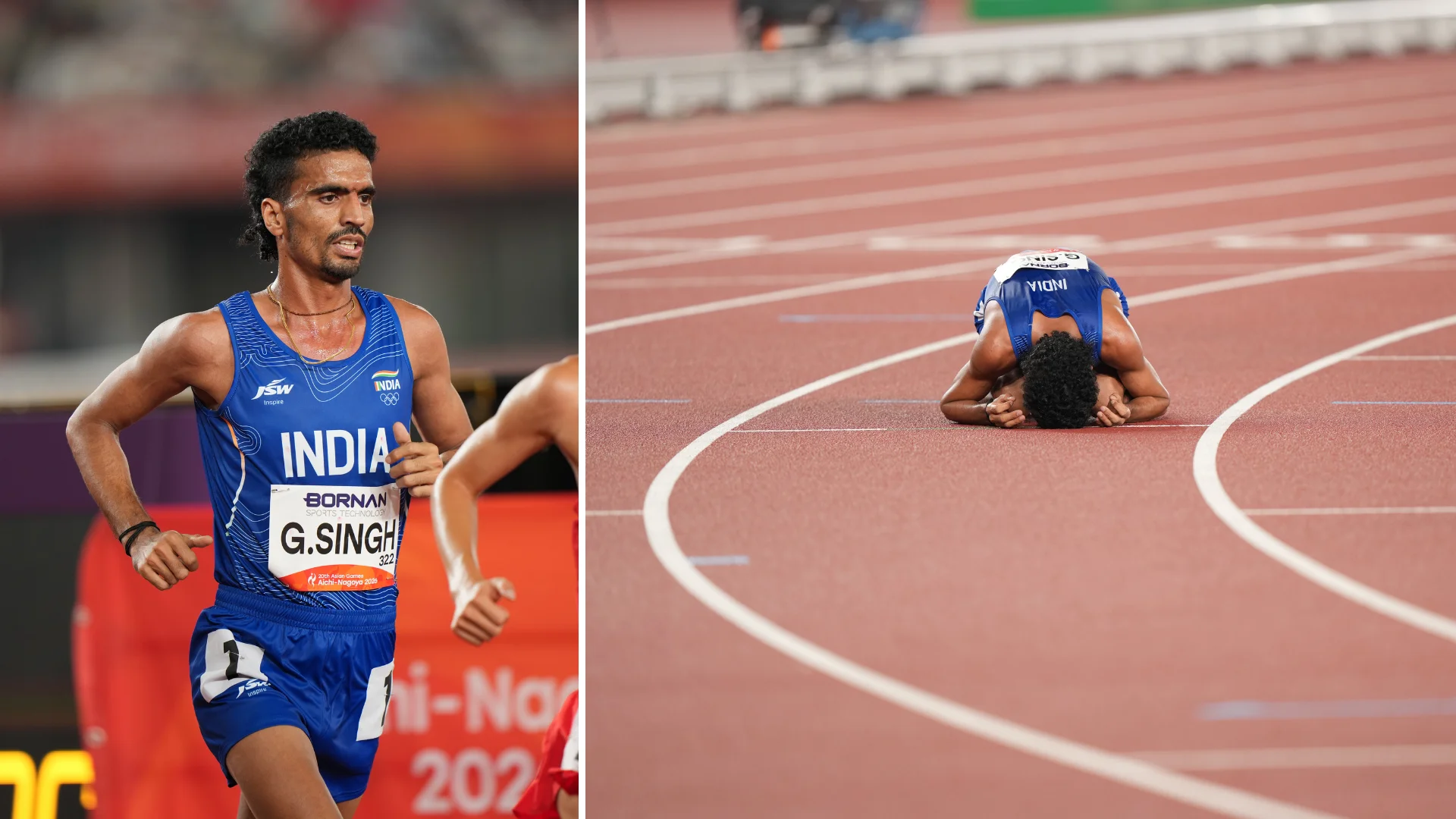
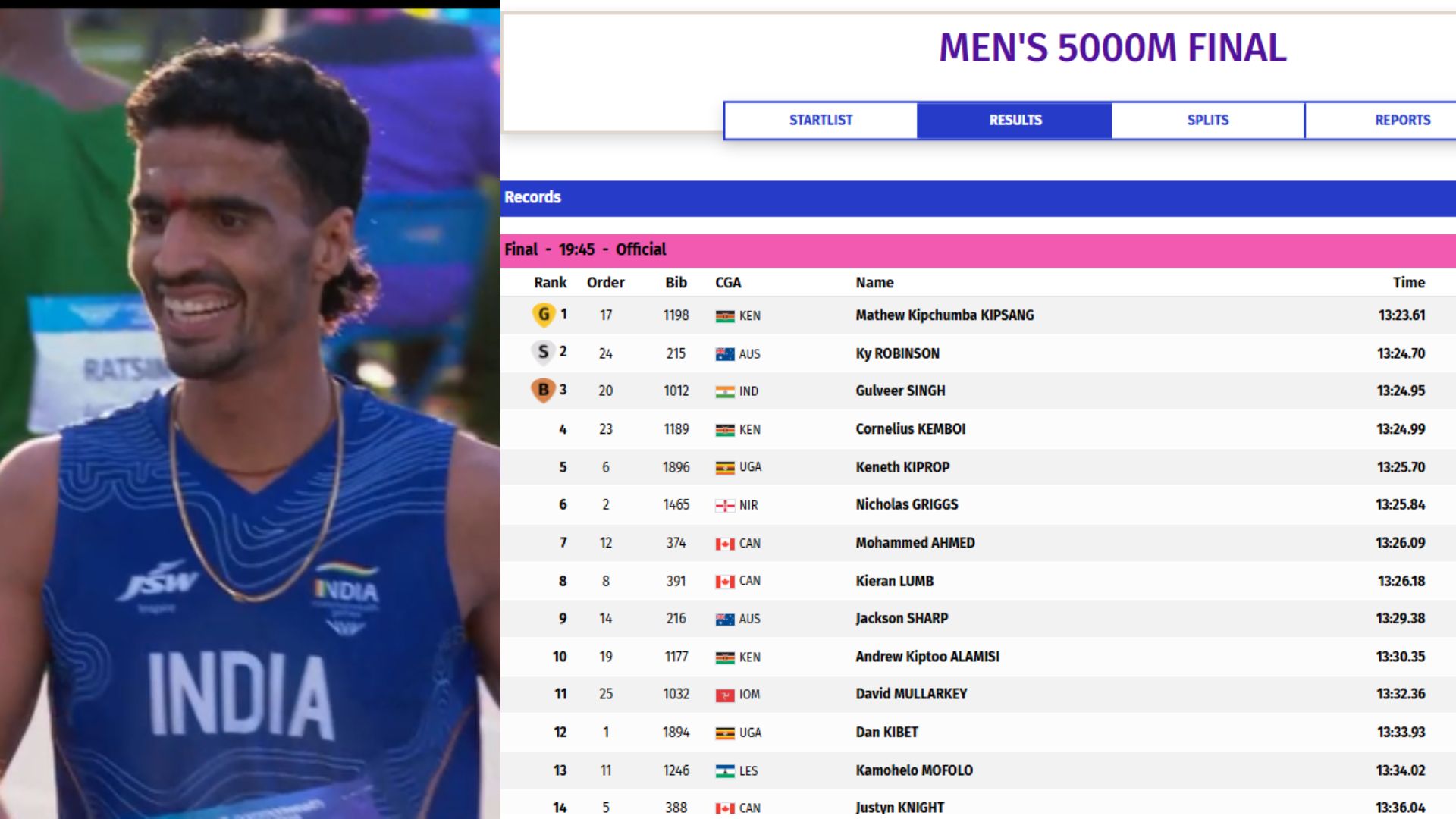
India’s Gulveer Singh continued his outstanding campaign at the Commonwealth Games 2026, clinching the bronze medal in the men’s 5,000m to add a second podium finish to his name after winning silver in the 10,000m earlier in the championships.
Gulveer produced a determined performance in a fiercely contested race, clocking 13:24.95s to finish third. The Indian distance runner displayed remarkable composure and tactical awareness before unleashing a sensational sprint over the final 50 metres, securing his place on the podium in dramatic fashion.
The race was decided by the narrowest of margins. Matthew Kipchumba of Kenya claimed the gold medal in 13:23.61, while Australia’s Ky Robinson took silver with 13:24.70. Gulveer crossed the finish line just 0.25 seconds behind the silver medallist, underlining the highly competitive nature of the final.
Medal Winners – Men’s 5,000m
- 🥇 Matthew Kipchumba (Kenya) – 13:23.61
- 🥈 Ky Robinson (Australia) – 13:24.70
- 🥉 Gulveer Singh (India) – 13:24.95
The bronze medal caps a memorable Commonwealth Games campaign for Gulveer, who has now reached the podium in both distance events he contested. Earlier in the championships, he secured the silver medal in the men’s 10,000m, showcasing his endurance and consistency over two demanding races.
Winning medals in both the 10,000m and 5,000m is a significant achievement at a major international championship, highlighting Gulveer’s versatility across long-distance events. His performances throughout the Games have established him as one of India’s leading distance runners and demonstrated his ability to compete against some of the strongest athletes in the Commonwealth.
With a silver in the 10,000m and a bronze in the 5,000m, Gulveer Singh concludes the Commonwealth Games 2026 with two medals, making him one of India’s standout performers in athletics at the championships.
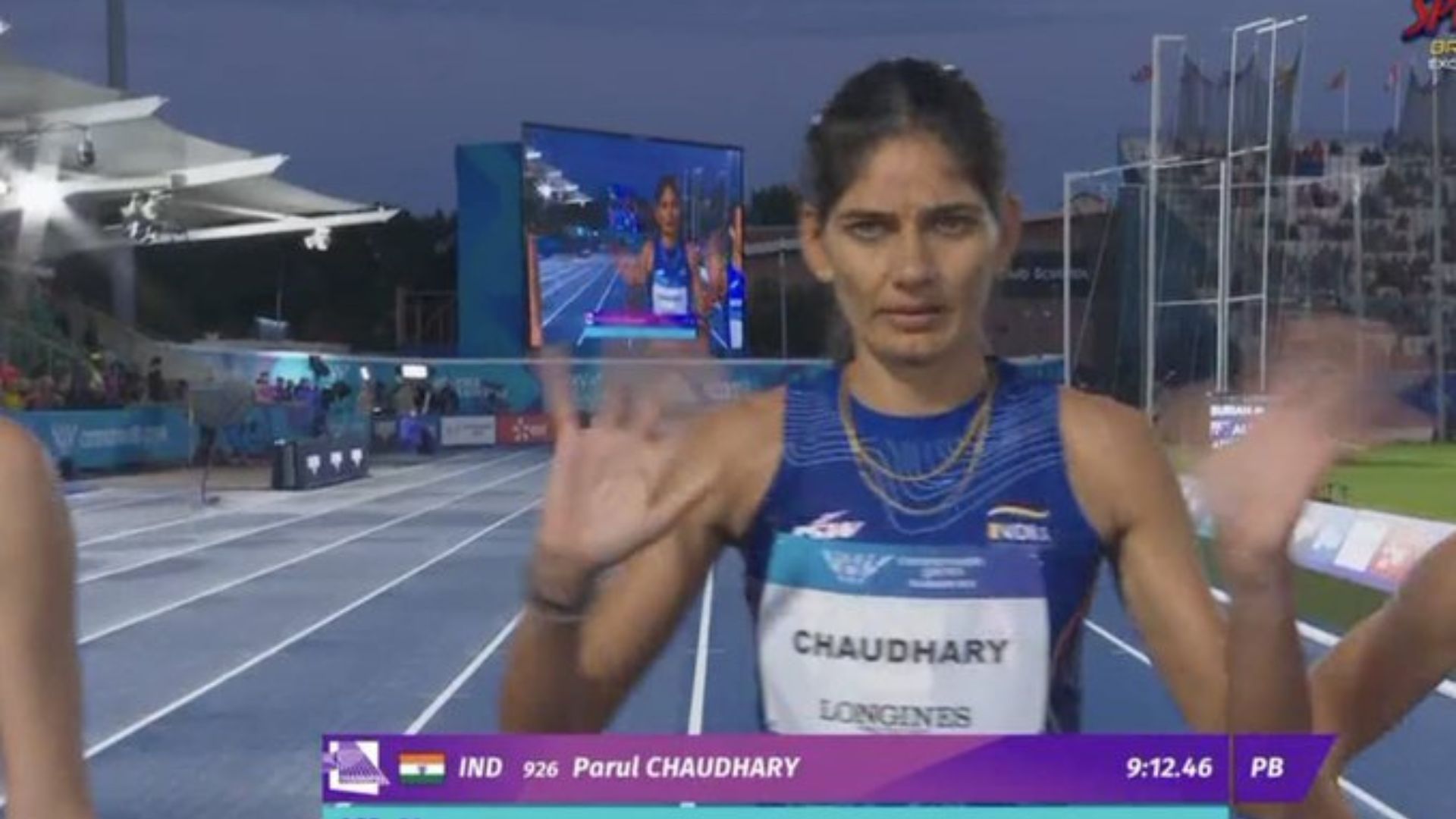
The women’s 3000m steeplechase final delivered high drama on the track, culminating in a dominant gold-medal display by Kenya’s Faith Cherotich in a new Games Record (9:01.76), a surging silver for England’s Elise Thorner in a personal best (9:05.45), and bronze for Uganda’s Peruth Chemutai (9:09.96). Meanwhile, India’s medal hopeful Parul Chaudhary (9:27.75) suffered a disappointing outing, finishing fifth after being unable to match the scorching pace when the leaders broke free. Parul’s personal best is 9:12.46.
From the gun, the race unfolded at a blistering tempo. Chemutai, eager to stamp her authority on the field, pushed early alongside Cherotich. The two East African powerhouses streaked away as the laps ticked down, forcing the rest of the field into a gruelling pursuit. Cherotich, displaying trademark composure and flawless barrier clearance, measured her effort to perfection. As the bell rang for the final lap, Cherotich unleashed a devastating turn of foot, pulling clear of Chemutai to cross the line in a magnificent Games Record time and capture Commonwealth gold.
Behind the lead duel, the battle for silver provided one of the evening’s most thrilling narratives. England’s Elise Thorner mounted a tremendous, heart-pounding chase. Pushing through the pain barrier over the final water jump, Thorner steadily ate into the gap separating her from the frontrunners. With a remarkable late surge down the home straight, she overhauled a tiring Chemutai to snatch a brilliant silver medal in a brand-new Personal Best, leaving the Ugandan star with bronze. Thorner’s fearless tactical execution earned her a well-deserved spot on the podium alongside two of global steeplechasing’s finest.
For India’s Parul Chaudhary, however, the race ended in frustration. Entering the event with genuine podium aspirations, Chaudhary positioned herself within striking distance during the opening kilometres. But when Cherotich and Chemutai injected a fierce acceleration to break the field open, the Indian record holder simply couldn’t find the extra gear required to give chase.
As the frontrunners pulled out of reach, Chaudhary drifted into the middle group, struggling to maintain her rhythm over the barriers. Despite a gritty effort down the home stretch, she was unable to reel in the leaders or challenge the medal spots, ultimately crossing the line in fifth place. It was a disappointing outcome for the Indian runner, underlining the unforgiving nature of championship distance racing when top-tier athletes dictate a relentless tempo from the front.
Ultimately, the night belonged to Cherotich, whose record-breaking performance reaffirmed her standing at the pinnacle of the event. Combined with Thorner’s lifetime-best pursuit and Chemutai’s grit, the final produced a memorable showcase even if it proved a tough pill to swallow for Chaudhary.
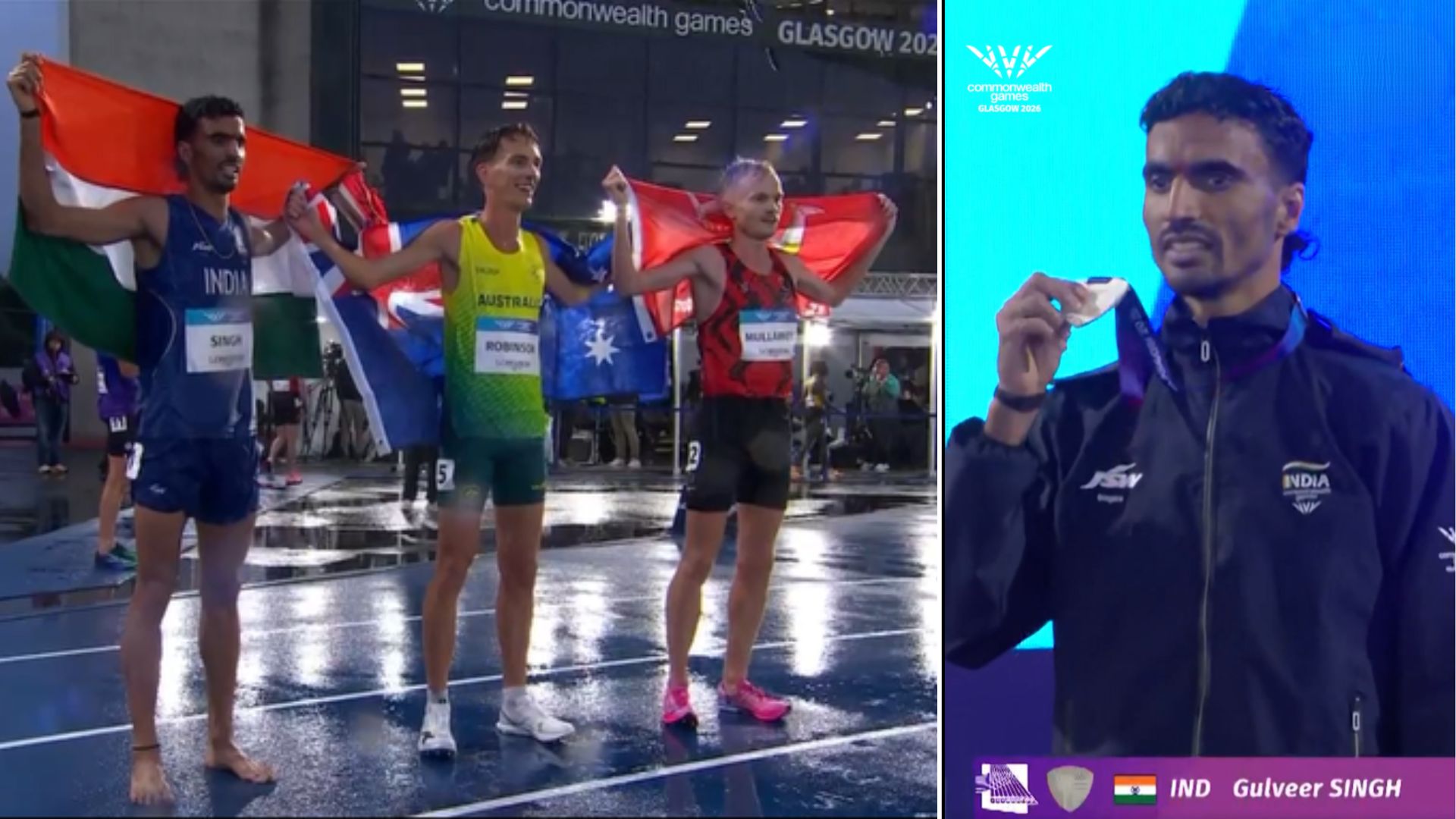
India woke up to a landmark moment in athletics as Gulveer Singh produced the performance of his career to win a historic silver medal in the men’s 10,000m at the Commonwealth Games 2026 in Glasgow.
Clocking 27:49.78 on a rain-soaked track, the 28-year-old became the first Indian ever to win a medal in the men’s 10,000m at the Commonwealth Games, breaking new ground for Indian distance running.
The race was decided by the finest of margins. Australia’s Ky Robinson claimed gold in 27:48.93, just 0.85 seconds ahead of Gulveer, while England’s David Mullarkey secured bronze in 27:50.28.
Men’s 10,000m Results
 Ky Robinson (Australia) – 27:48.93
- Gulveer Singh (India) – 27:49.78
- David Mullarkey (England) – 27:50.28
 Ky Robinson (Australia) – 27:48.93
 Gulveer Singh (India) – 27:49.78
 David Mullarkey (England) – 27:50.28
Speaking after the race exclusively to nnissports, Gulveer summed up his approach simply:
“My only strategy was to win a medal for the country today.”
Despite relentless rain and difficult conditions, Gulveer executed a near-perfect tactical race. He stayed tucked into the lead group for much of the contest, conserving energy before unleashing a powerful finish over the closing laps.
His splits tell the story of a race that accelerated dramatically in the second half.
Gulveer Singh’s Splits
- First 5,000m: 14:16.10
- Second 5,000m: 13:33.68
- Final 1,000m: 2:29.28
- Last lap: 56.4 seconds
- Last 100m: 13.9 seconds
The numbers underline just how strong Gulveer was when the race came alive. After an opening half run at a controlled pace, he covered the second 5,000m over 42 seconds faster, producing one of the quickest closing sequences of the field to secure the silver medal.
More Than Just India’s First Medal
Gulveer’s achievement carries significance beyond becoming India’s first Commonwealth Games medallist in the men’s 10,000m.
For the first time in recent Commonwealth Games history, no African athlete finished on the podium in the men’s 10,000m. East African runners have long dominated distance events at the Games, making Gulveer’s breakthrough even more remarkable. His medal not only rewrites India’s record books but also breaks a long-standing psychological barrier in one of athletics’ toughest disciplines.
The result is another milestone in Gulveer’s rapid rise as India’s leading distance runner and reinforces the growing strength of Indian endurance running on the global stage.
Gulveer’s Commonwealth Games journey is far from over.
The Indian star will return to the track later in the Games for the men’s 5,000m, where he will look to build on his historic success and chase another medal for India.
After ending India’s long wait for a medal in the men’s 10,000m, confidence will be high that Glasgow could have another memorable chapter left to write.
If you’d like this in a more analytical style (with race tactics, pacing, and historical context) suitable for a sports website like The Hindu or Sportstar, I can also rewrite it in that format.