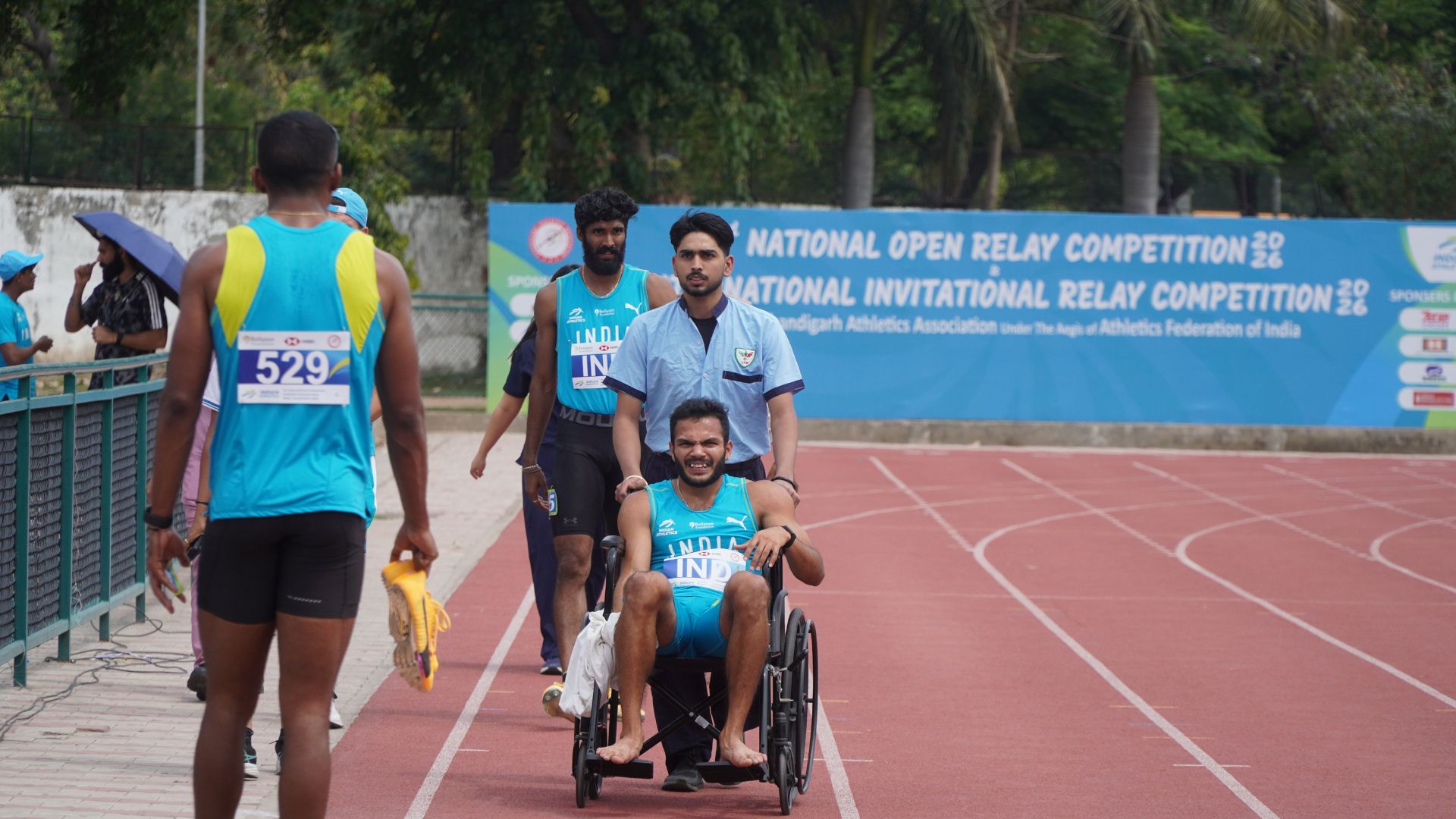

The 2026 Indian athletics season is officially underway, with athletes beginning their campaigns across both indoor and outdoor competitions. While some Indian stars chose to open their season indoors, others are gearing up for the outdoor circuit and all eyes now shift to Bengaluru.
In a significant rebranding, the Indian Grand Prix has now evolved into the Indian Athletics Series, with its first meet scheduled for April 4 at the iconic Kanteerava Stadium.
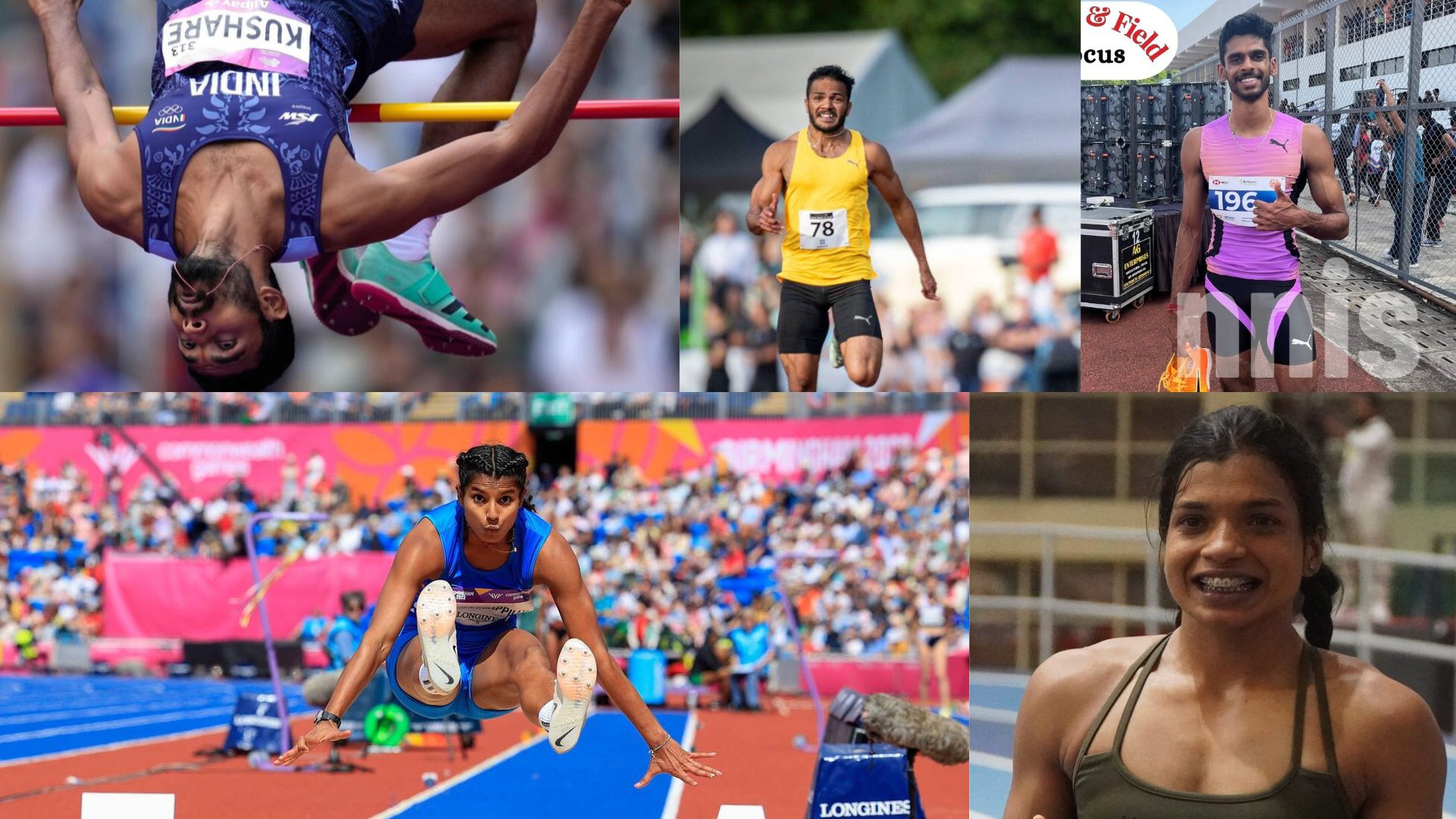
As anticipation builds, here are five major Indian athletes who will headline the season opener:
1). Murali Sreeshankar (Men’s Long Jump):

Indian athletics fans have been eagerly waiting for Murali Sreeshankar to open his 2026 season and that moment has finally arrived.
Returning from injury last year, Sreeshankar showed impressive consistency, crossing the 8m mark in three out of six competitions. Notably, only three Indian athletes managed to breach the 8m barrier in 2025 Sreeshankar, Shahnawaz Khan, and C.V. Anurag.
With a packed season ahead featuring the Commonwealth Games and Asian Games, where he previously clinched silver medals, expectations are high. The qualification marks of 8.05m (CWG) and 7.91m (Asian Games) are well within his reach, making this competition a crucial starting point.
2). Ancy Sojan (Women’s Long Jump):
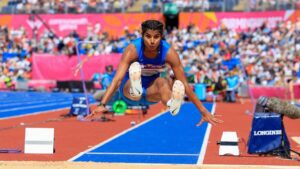
Fresh off a bronze medal at the Asian Indoor Championships, Ancy Sojan is set to begin her outdoor season in Bengaluru.
Her preparations were briefly interrupted by a calf injury, but she now returns to a venue that has historically brought her success. At Kanteerava Stadium, Ancy recorded her personal best of 6.71m in 2024 and also jumped 6.52m at the same venue during IGP-3.
After winning silver at the Asian Championships last year and stepping away from competition post the World University Games, this meet marks an important comeback.
She will face stiff competition from Shaili Singh, India’s second-best long jumper, who will also kick off her 2026 season here.
3). Sarvesh Kushare (Men’s High Jump):
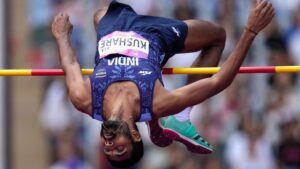
For Sarvesh Kushare, 2026 hasn’t started on the strongest note.
He opened his season with a gold medal at the Indian Open Jumps in Bengaluru but with a modest jump of 2.16m, below his usual standards. This was followed by another underwhelming outing at the National Indoor Championships in Bhubaneswar, where he finished second with 2.15m.
However, Kushare’s pedigree cannot be overlooked. He had a stellar 2025 season, finishing sixth at the World Championships in Tokyo with a personal best of 2.28m. The Bengaluru meet could be the platform he needs to rediscover that form.
4). Manikanta Hoblidhar (Men’s 100m):

It’s been a difficult start to 2026 for Manikanta Hoblidhar.
A false start at the Asian Indoor Championships and a hamstring pull during the National Open Relays have disrupted his rhythm. But if there’s one place that could inspire a turnaround, it’s Kanteerava Stadium.
This is where he clocked 10.23s in 2023 and broke Amiya Mallick’s national record of 10.26s at the National Open Athletics Championships.
With form and fitness in question, all eyes will be on whether Bengaluru can once again bring out the best in him.
5). Baranica Elangovan (Women’s Pole Vault):

Known as the “Vault Queen of India,” Baranica Elangovan enters the competition with momentum on her side.
At her last outing, she set a new national record by clearing 4.22m at the National Indoor Athletics Championships in Bhubaneswar, surpassing P. Rosy Meena’s previous mark of 4.21m.
She even attempted 4.25m, narrowly missing out, a sign that there’s more to come.
The big question now: can Baranica push the national record even further in Bengaluru?
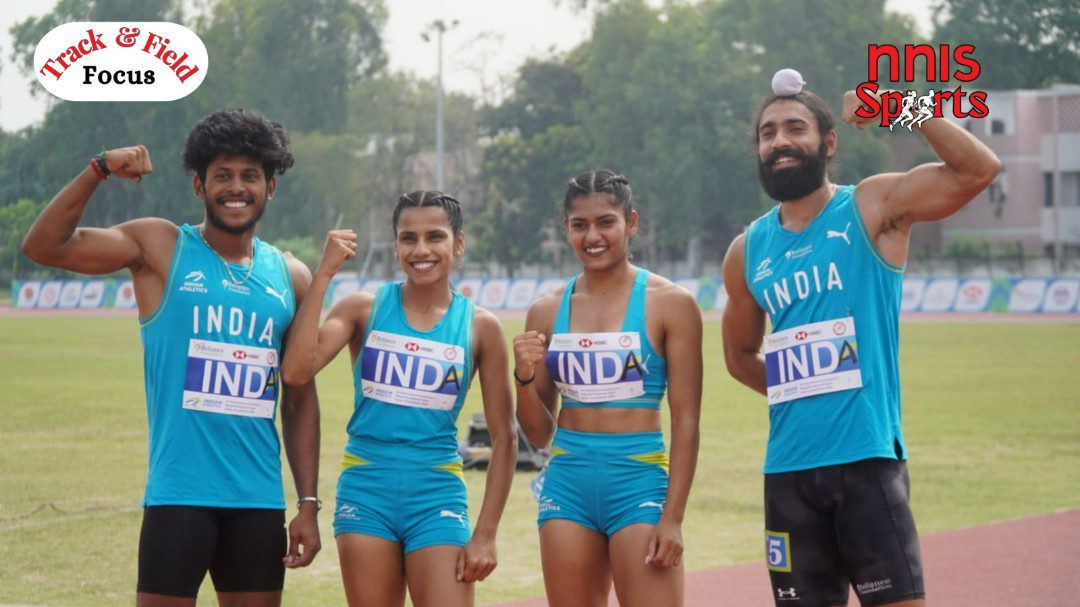
India’s 4x100m mixed relay team is facing a tense wait for World Relays qualification after slipping in the standings.
The team had initially secured a strong position, ranking 19th after clocking a national record time of 42.30 seconds at the Open Relays.
However, recent performances from other nations have changed the scenario. Nigeria, Kenya, Poland, and Ukraine have all recorded faster times, pushing India down to 23rd place — just inside the qualification cutoff of 24 teams.
With the qualification window still open until April 5, the situation remains uncertain. If two more teams post better timings, India risks dropping out of the top 24 and missing qualification for the World Relays in Gaborone.
The United States is also yet to register a qualifying time, which could further impact the final standings.
Sources indicate that India had targeted a sub-42 second run, but a baton exchange issue during the third leg cost valuable time in their record-setting race.
With qualification now hanging by a thread, all eyes are on upcoming races worldwide that could decide India’s fate.

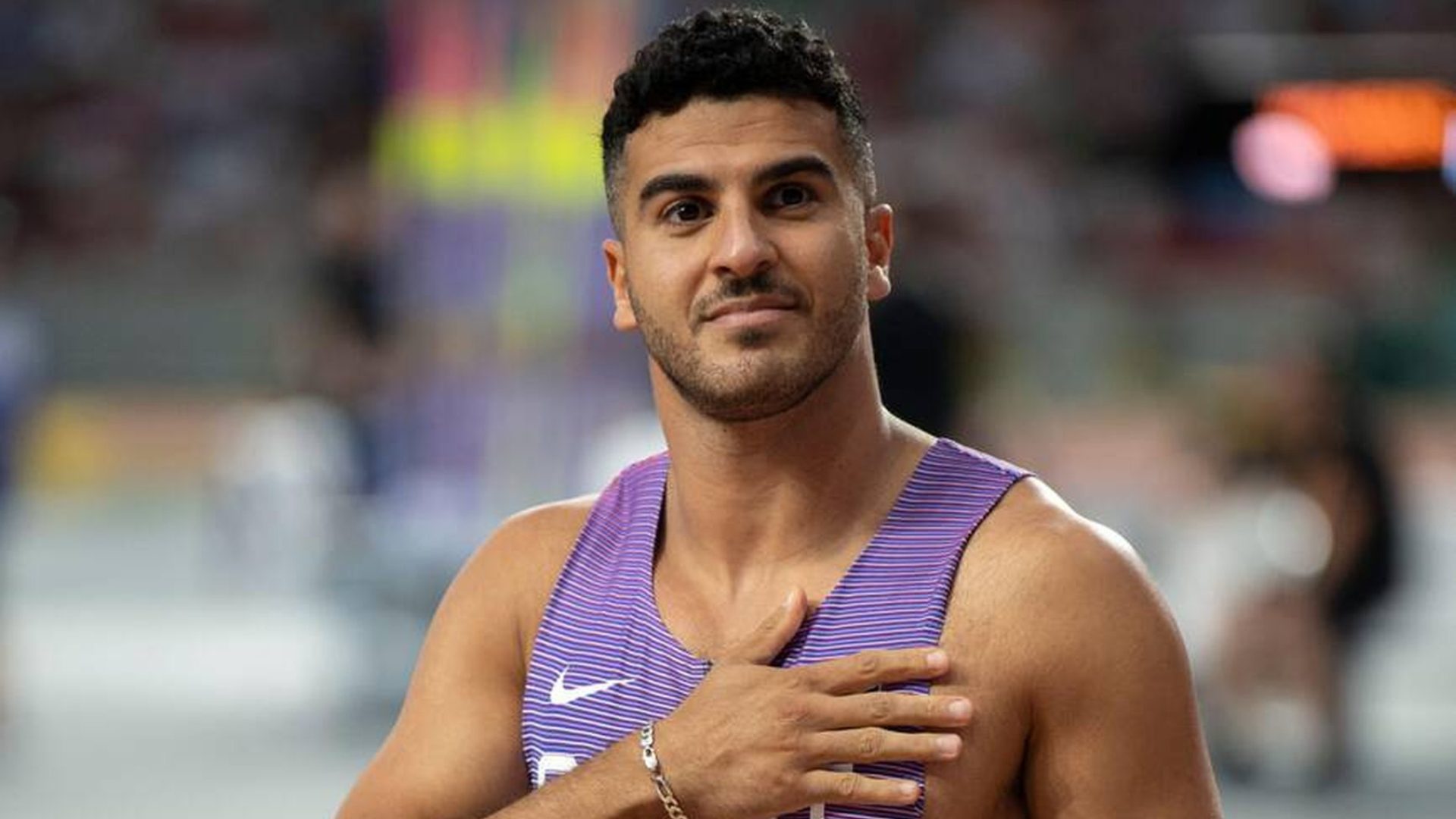
Adam Gemili has officially announced his retirement from competitive athletics, bringing the curtain down on an accomplished career in sprinting.
The British athlete competed across the 100m, 200m, and 4x100m events, earning global recognition for his consistency and versatility.
Gemili’s achievements include a full set of medals at the World Championships in the 4x100m relay — gold, silver, and bronze — along with multiple European Championship titles.
He also claimed gold at the World Junior Championships and secured two silver medals at the Commonwealth Games.
Before fully committing to athletics, Gemili was also a talented footballer, representing Chelsea and Reading at the youth level.
His journey from dual-sport athlete to elite sprinter highlights a career defined by dedication, adaptability, and success on the international stage.
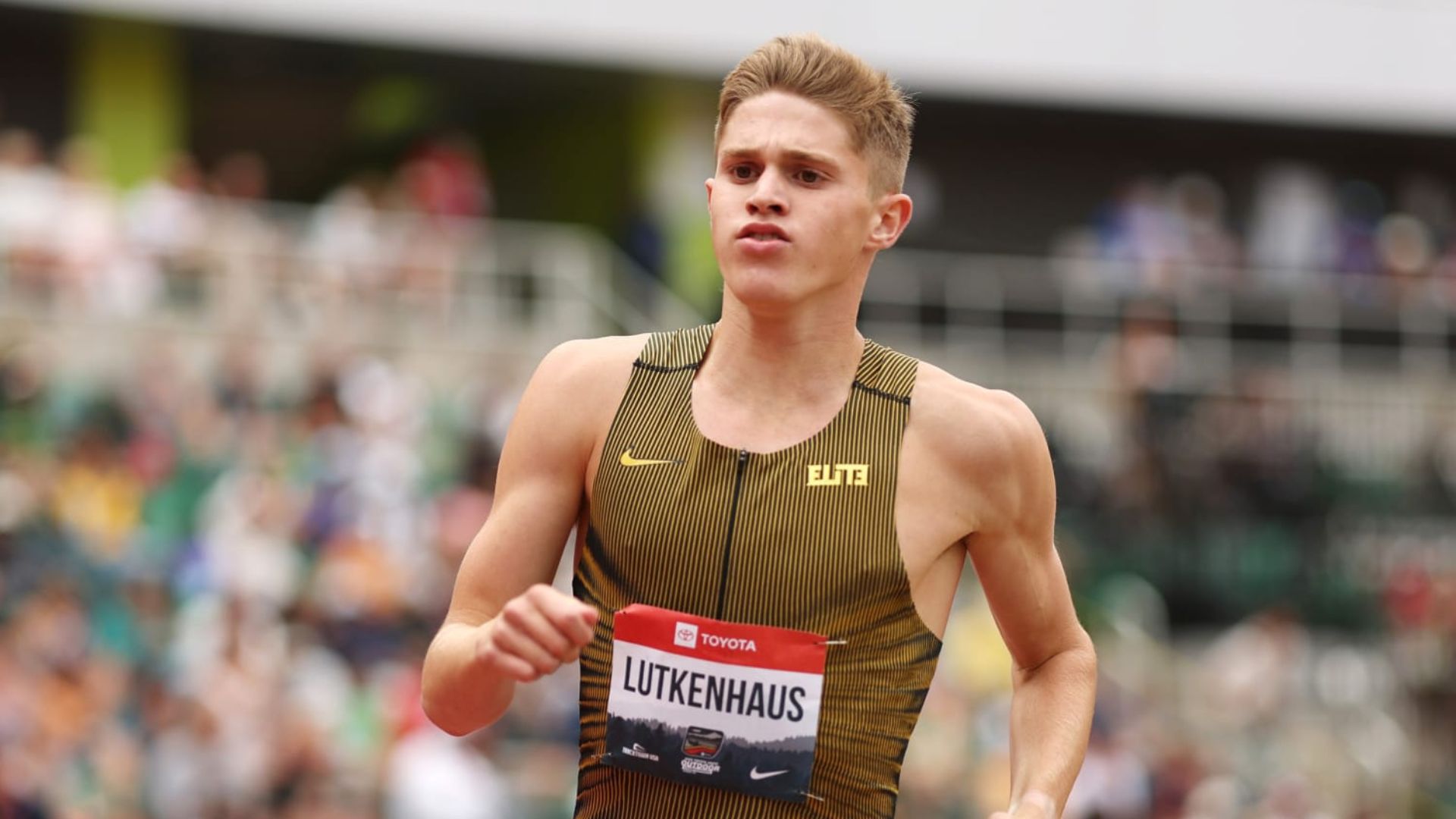
Cooper Lutkenhaus is set to make his Wanda Diamond League debut in the men’s 800m at the BAUHAUS-Galan meet in Stockholm on June 7.
The young middle-distance runner enters the race with growing momentum after becoming the youngest World Indoor Champion in history.
His debut at one of the premier meets on the global circuit marks a significant step in his transition to elite outdoor competition.
With the Diamond League stage known for high-quality fields, all eyes will be on Lutkenhaus to see how he performs against top international athletes.
This race could be an early indicator of his potential impact in the 800m this season.
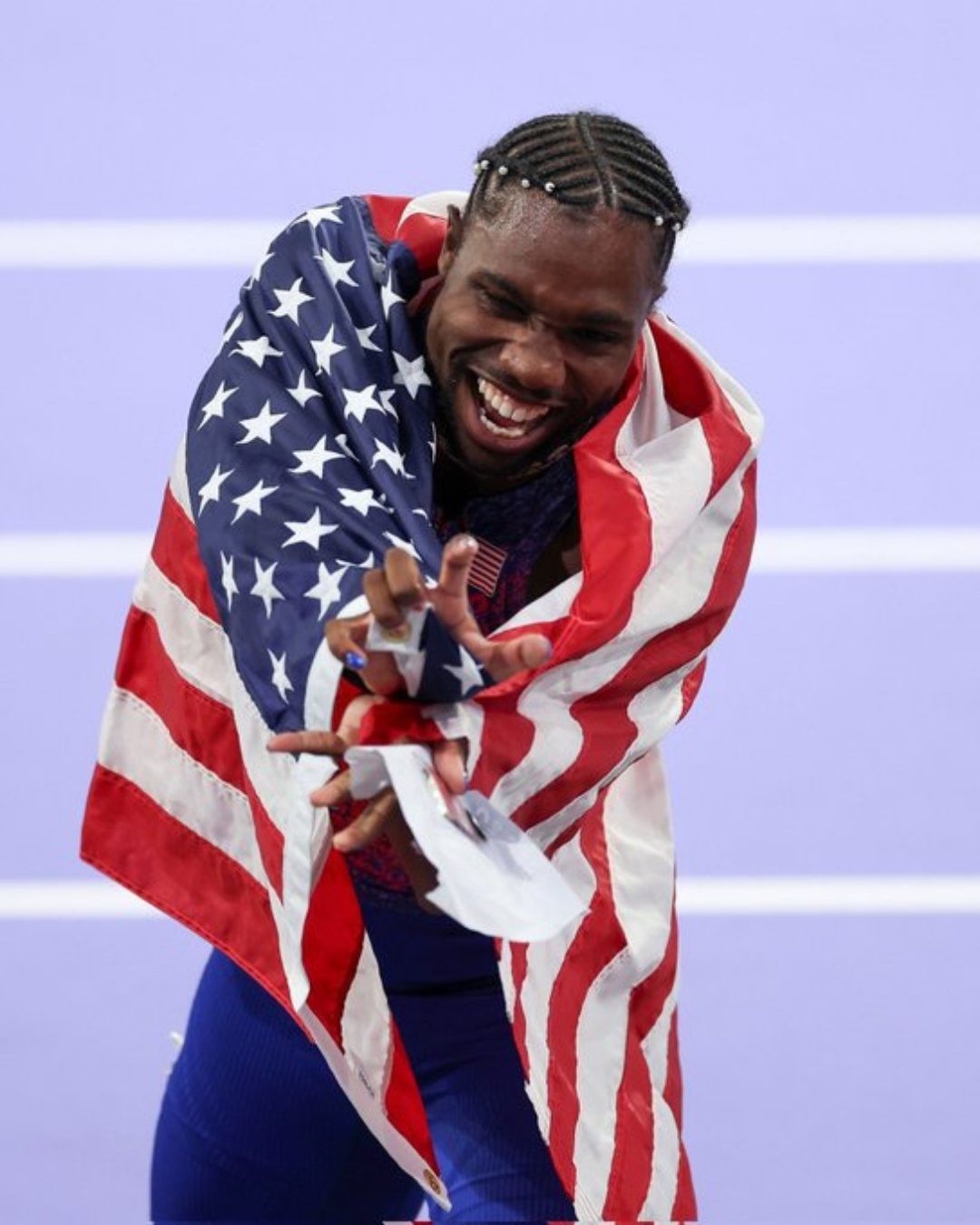
Noah Lyles is set to return to Paris, the city where he made history, as he headlines the 100m at the Wanda Diamond League on June 28.
The Olympic champion will compete at Stade Charléty, a venue where he remains unbeaten.
Lyles has previously delivered standout performances at the stadium, clocking 9.97 seconds in the 100m in 2023 and an impressive 19.65 seconds in the 200m in 2019.
His return adds significant excitement to the Paris leg of the Diamond League, with fans eager to see if he can recreate his dominant form.
With a strong record at the venue and momentum from past successes, Lyles will once again be the athlete to watch on the track.
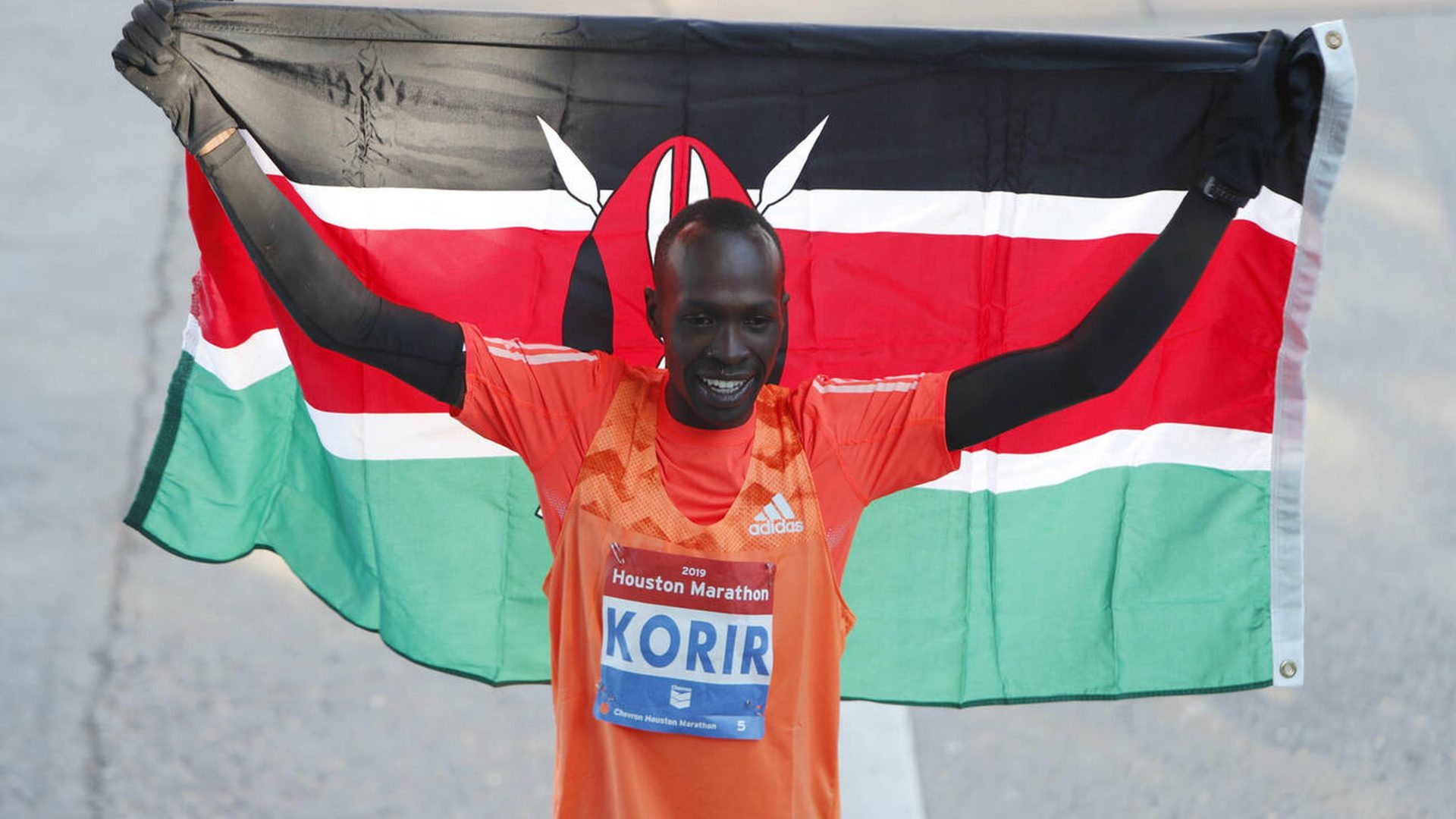
The Athletics Integrity Unit has handed a five-year ban to Kenya’s Albert Korir after he tested positive for CERA, a prohibited blood-boosting substance.
Korir, the 2021 New York City Marathon champion, returned positive results in three separate out-of-competition tests conducted in October 2025.
Both urine and blood samples collected on October 3, 13, and 21 confirmed the presence of CERA, an EPO-based substance banned at all times.
Initially facing a six-year ban due to multiple violations, the sanction was reduced to five years after Korir admitted the offence within four days of notification. His ban will run until January 7, 2031.
All results from October 3, 2025, onwards have been disqualified, including his third-place finish at the 2025 New York City Marathon, along with associated medals, prize money, and appearance fees.
The case underscores the continued vigilance of anti-doping authorities in endurance events, particularly concerning blood-boosting substances.
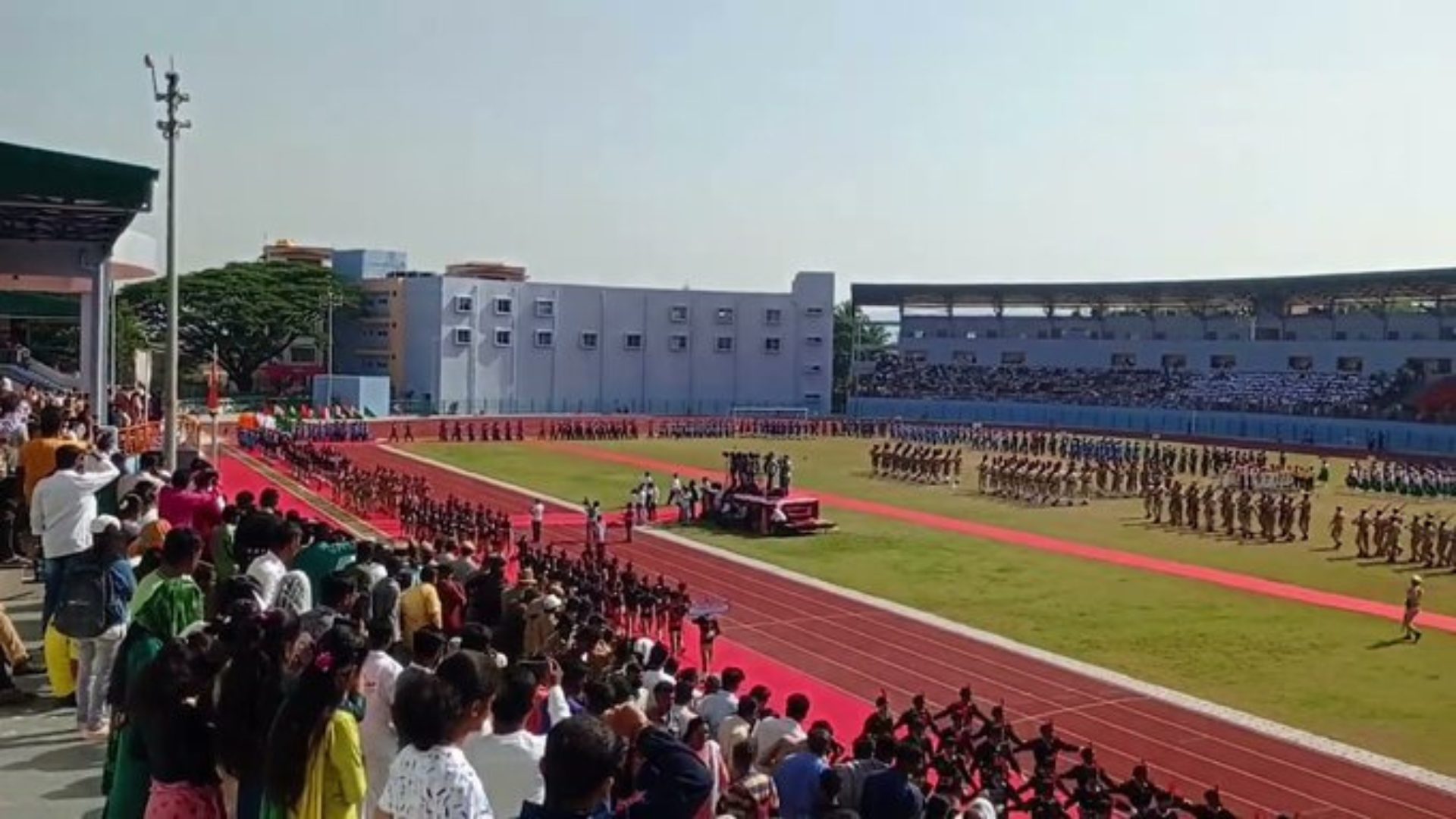
The 24th National Junior Under-20 Athletics Federation Competition 2026 will be held at Mahatma Gandhi Stadium in Tumkur, Karnataka, from April 24 to 26.
The event will bring together the country’s top junior athletes competing across track and field disciplines.
This competition holds significant importance as it will serve as the final qualification trials for the World Athletics U20 Championships 2026.
The global event is scheduled to take place in Eugene, Oregon, USA, from August 5 to 9.
With World Championship spots on the line, the Tumkur meet is expected to play a key role in shaping India’s junior athletics team for the international stage.
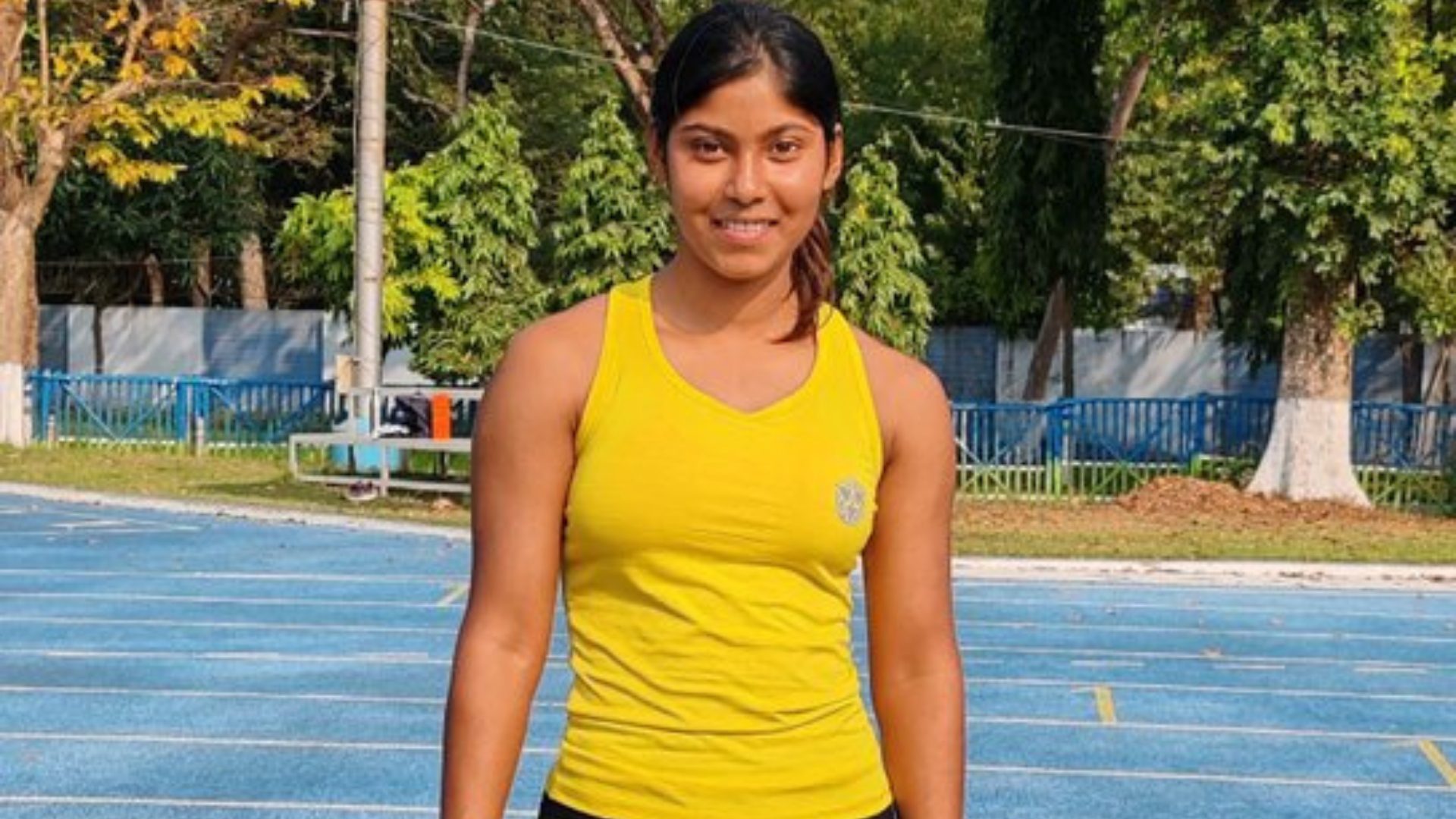
Anusha Biswas, the 2024 Junior Nationals 100m bronze medallist, has been banned for four years by NADA’s Anti-Doping Disciplinary Panel (ADDP).
The 19-year-old sprinter was initially suspended in January 2025 after testing positive for Metandienone. She appealed the suspension, and her case was subsequently reviewed and adjudicated by the ADDP.
Biswas had recently broken the 12-second barrier at the Junior Nationals 2024, marking her as a rising sprint talent. Her four-year ineligibility period will be counted from January 8, 2025, sidelining her from all competitions until 2029.
The decision serves as a strict reminder of NADA’s zero-tolerance policy on doping, even among young and emerging athletes.
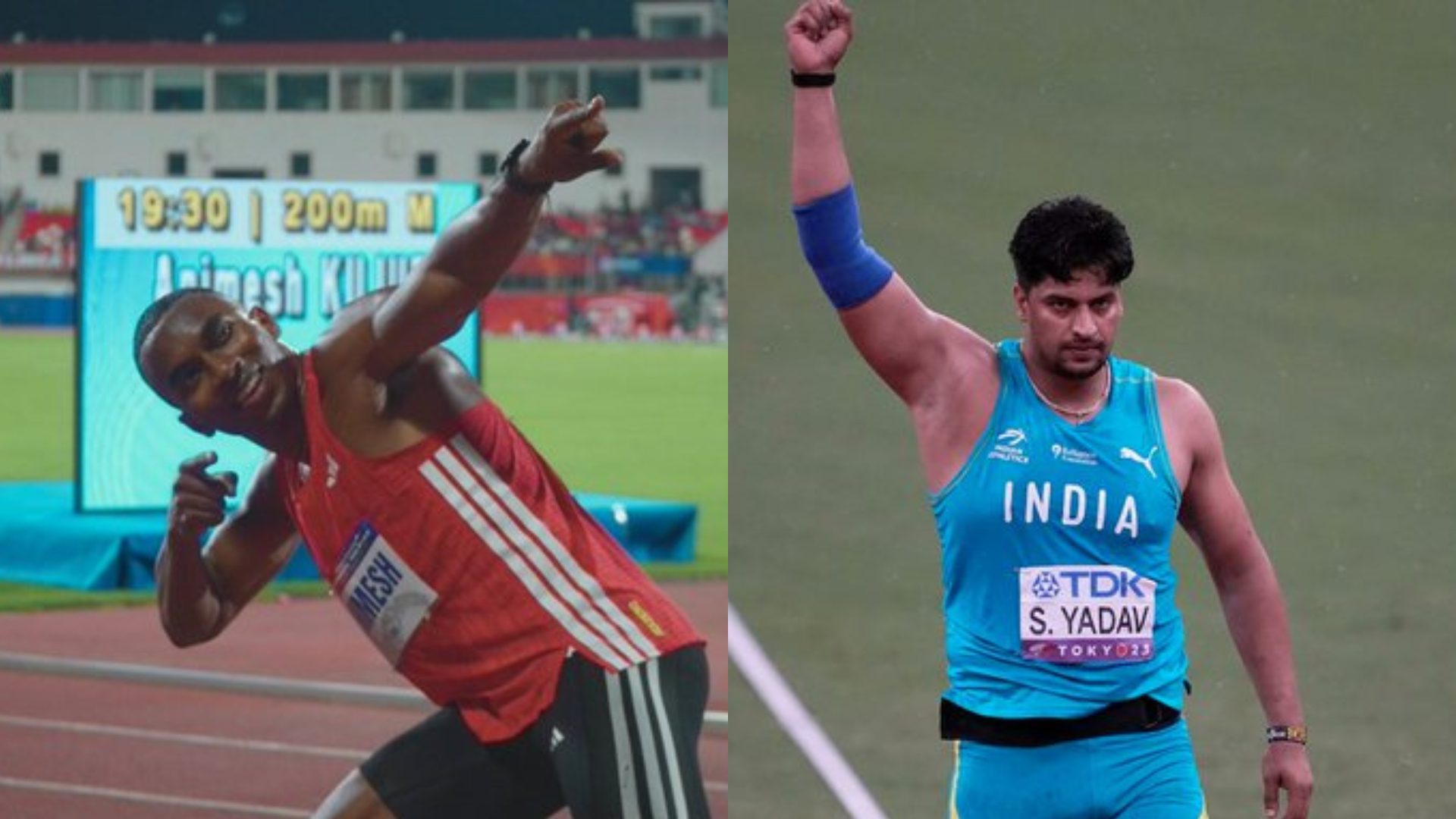
It turned into a heartbreaking day for India’s men’s 4x100m relay team at the Open Relays, as their qualification hopes ended in disqualification.
The team, aiming to secure a spot at the World Relays, was disqualified due to a takeover violation under World Athletics Technical Rule 24.7.
The incident occurred during the race when third-leg runner Manikanta suffered a hamstring issue, disrupting the baton exchange with anchor leg runner Animesh Kujur.
As a result, the baton exchange failed within the designated zone, leading to the disqualification.
In a surprising turn, the team was initially unaware of the decision and had begun warming up for the final before being informed.
Sources indicate that Maldives lodged a protest, although officials had reportedly already begun reviewing the incident prior to the appeal.
India had entered the race ranked 25th in the World Relays standings with a time of 38.75 seconds and needed 38.73 or faster to move into the top 24 — a target that appeared within reach.
Instead, the campaign ended in disappointment, marking a tough setback for a team that showed strong potential heading into the event.