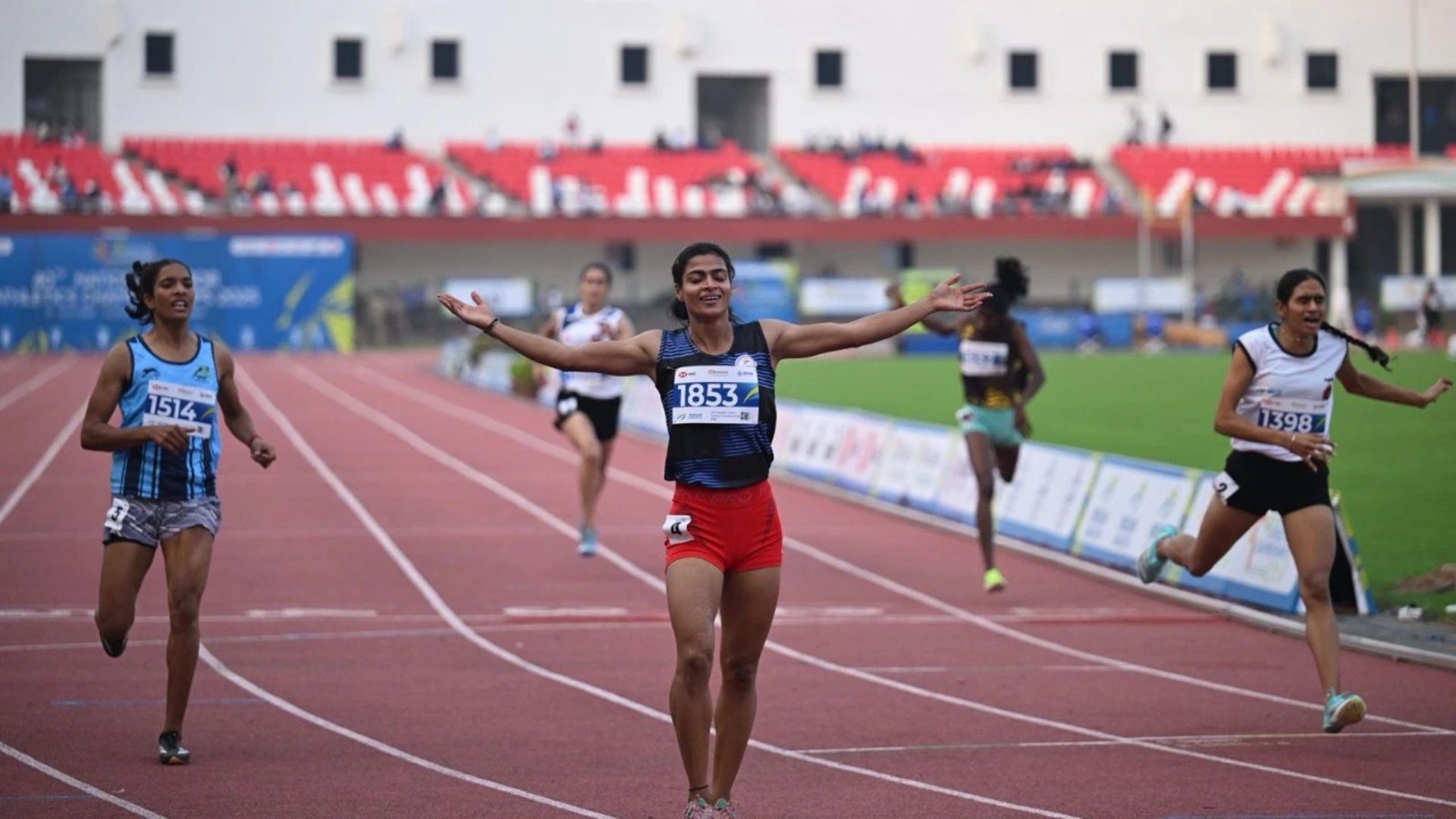

Birsa Munda Stadium, Ranchi | Federation Cup 2026 | May 22, 2026
Rajasthan’s Dharamveer Chaudhary announced himself as the man to beat in the men’s 400 metres at Federation Cup 2026, clocking the fastest time across all heats with a sharp 46.31 seconds to set up a mouth-watering evening of semifinals.
Dharamveer Sets the Tone
In a field packed with quality, Dharamveer was the standout performer of the heats, his 46.31s putting clear daylight between himself and the rest of the pack. It was a composed, controlled run — the kind that suggests there is more in the tank when it truly matters. Going quickest in the heats is one thing; converting that into a final berth and a podium finish is another challenge entirely, and the semifinals at 19:30 IST will be the next test of his credentials.
The Heat Standings
The heats produced a closely contested set of timings, with several athletes separated by fractions of a second and all of them within half a second of each other — a sign of just how competitive the Indian 400m landscape has become.
Himanshu was second quickest, clocking 46.43s, just 0.12 seconds behind Dharamveer. Rajesh Ramesh was breathing down his neck at 46.44s, making it effectively a three-way battle at the top. Manu TS (46.62s), Vikrant Panchal (46.66s), and Vishal TK (46.78s) round out the notable performers, all of whom will be eager to move through to the final and push their times down come the business end of the competition.
The margins are razor-thin. On any given day, any one of these six athletes could run a personal best and reorder the entire hierarchy.
Semifinals at 19:30 IST
With three semifinals scheduled for this evening at 19:30 IST, the field will be whittled down as athletes battle for their place in the final. The semifinal format adds another layer of tactical intrigue — conserving energy while still running fast enough to qualify demands a different kind of intelligence from a flat-out heat performance.
Dharamveer will carry the advantage of momentum and confidence, but he will know that his rivals are close. Himanshu and Rajesh Ramesh in particular will be looking to reverse the heat result when the lanes are drawn again this evening.
A Sprint Event Worth Watching
The men’s 400 metres has long been one of Indian athletics’ most fiercely contested disciplines, and this year’s Federation Cup edition is shaping up to be no different. With the field this tight and the semifinals just hours away, the race for the final — and ultimately the Federation Cup title — is wide open.
Keep your eyes on Lane whatever Dharamveer draws. He’s already the fastest man here. Now he needs to prove he’s the best.
Men’s 400m Semifinals — Today, 19:30 IST | Birsa Munda Stadium, Ranchi Federation Cup 2026 runs from May 22–25.
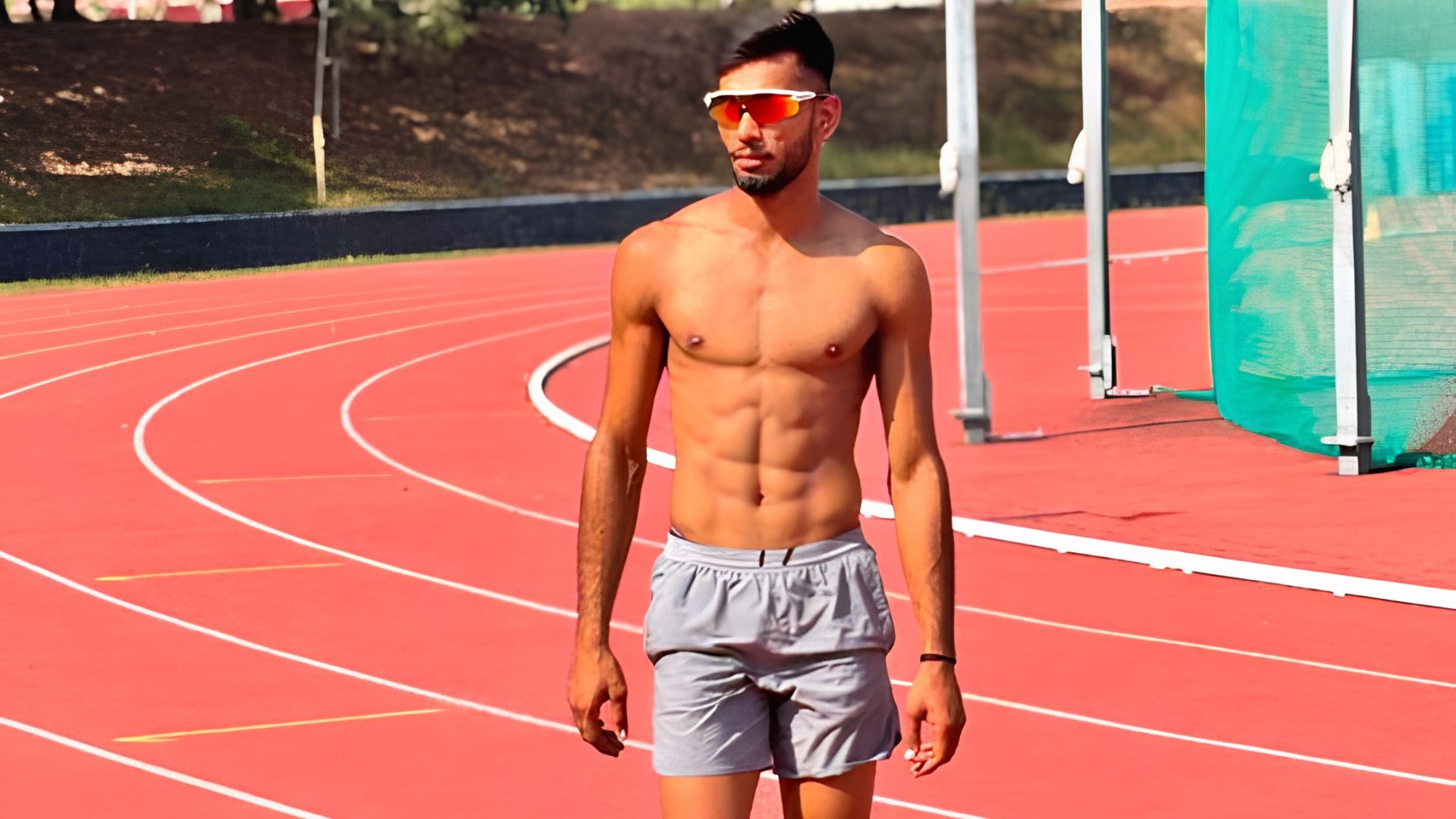
Bihar’s Vibhaskar Kumar emerged as one of the standout performers in the men’s 100m heats at the Federation Cup Athletics Championships in Ranchi, clocking a sharp personal best of 10.36s to finish fastest overall ahead of national record holder Animesh Kujur.
Animesh, one of India’s leading sprinters, clocked 10.40s in the heats as both athletes comfortably progressed to the next round.
What made Vibhaskar’s performance particularly impressive was the speed of his recent improvement. The 22-year-old had recorded a personal best of 10.57s as recently as April 4 in Bengaluru, while his best timing last year stood at 10.63s. His 10.36s run in Ranchi marks a significant leap forward in a short period.
The performance has also drawn attention because Bihar has not traditionally been known as a major sprinting hub in Indian athletics. Vibhaskar’s emergence therefore adds an interesting new name to India’s growing sprint scene at a time when the country is searching for greater depth in short-distance events.
With Indian sprinting witnessing rapid progress in recent seasons, performances like Vibhaskar’s will be closely watched heading into the final and the remainder of the season.
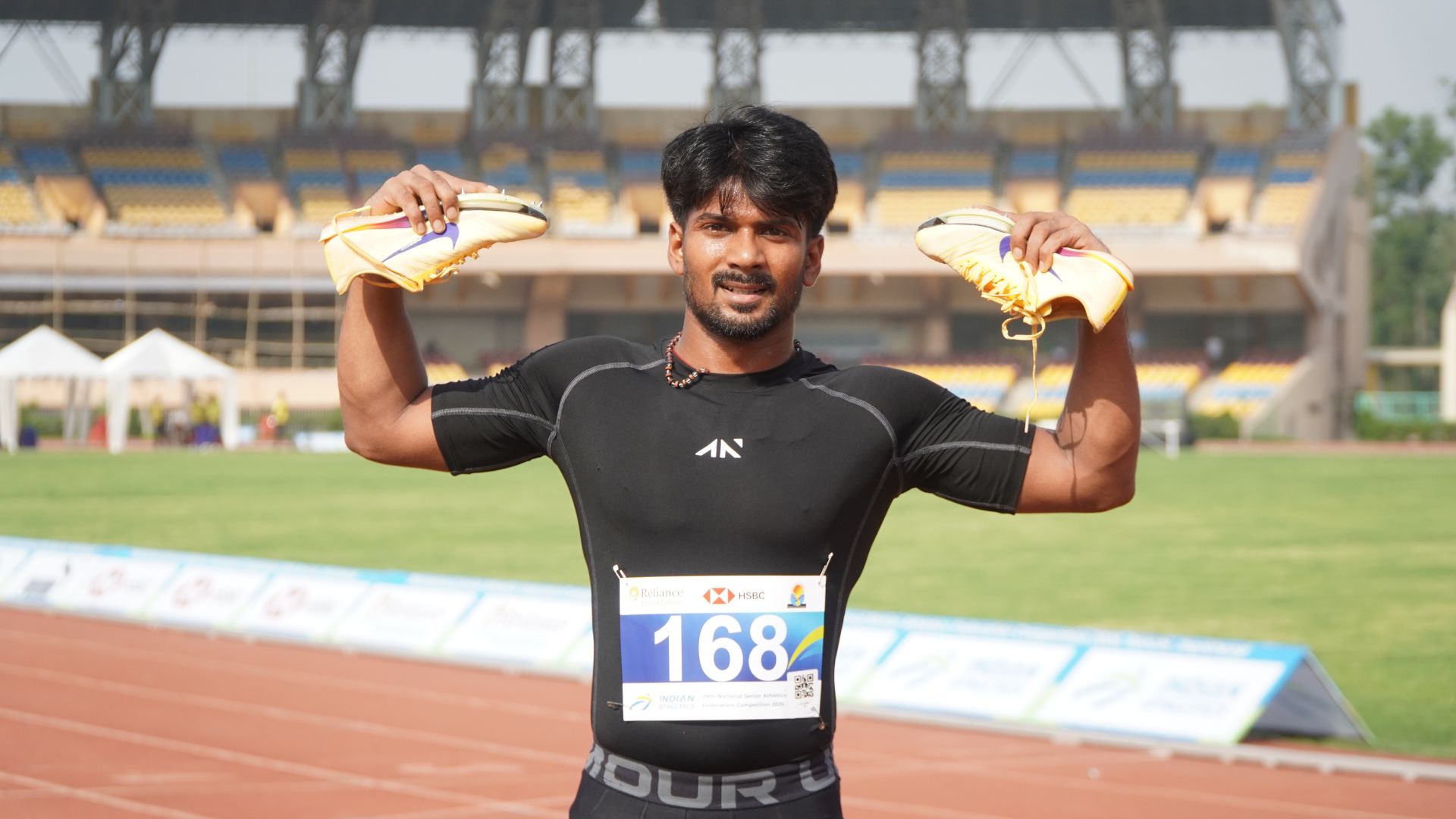
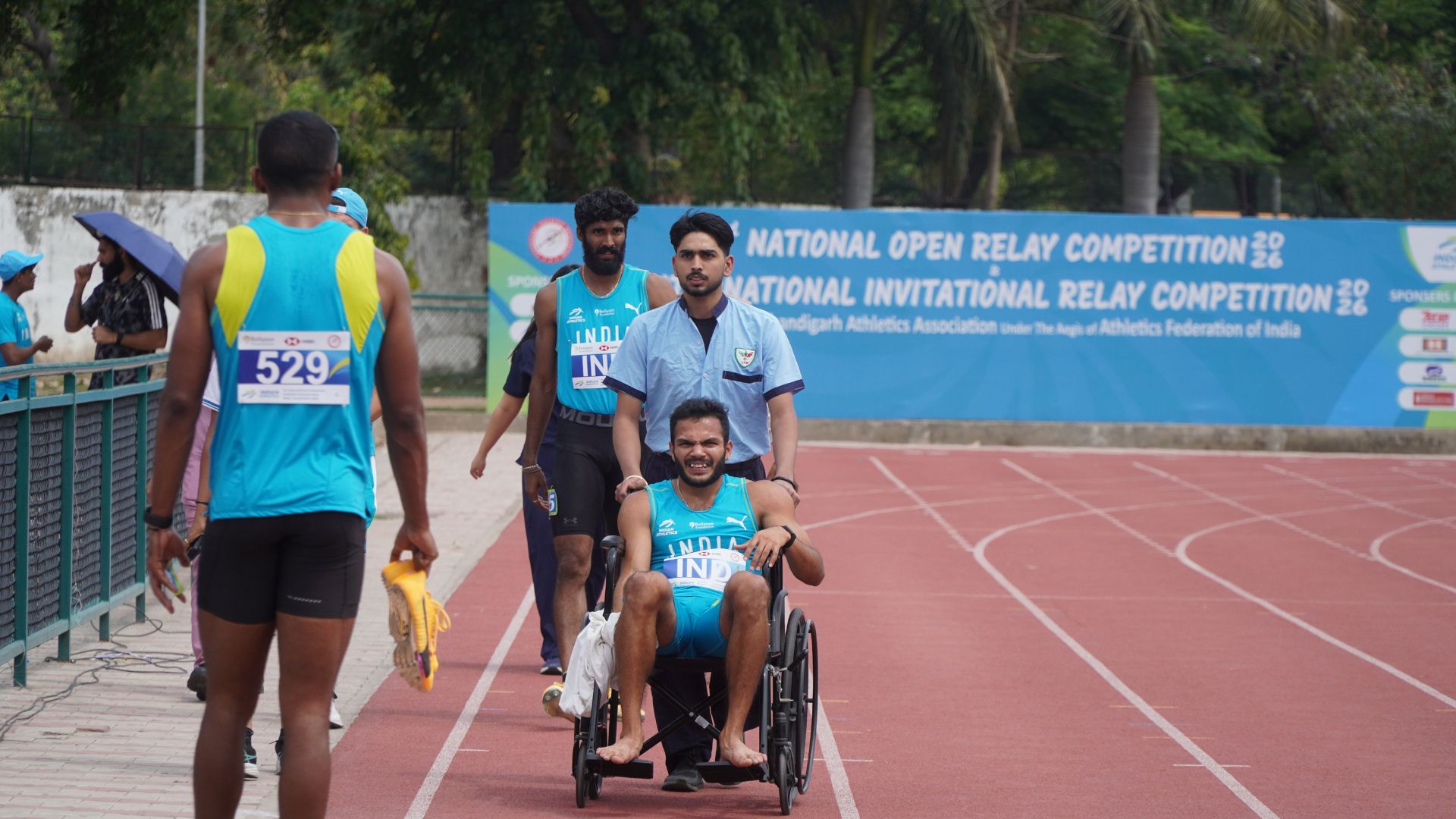
Sprinter Manikanta Hoblidhar will miss the upcoming Federation Cup after suffering a hamstring injury during the Open Invitational Relay a few weeks ago, dealing another setback to what has already been a difficult 2026 season.
Manikanta, India’s all-time second-fastest man in the 100m, sustained the injury while running the third leg of the relay event. The timing of the setback is particularly significant as the Federation Cup also serves as the final qualification meet for the 2026 Commonwealth Games, making it one of the most important domestic competitions of the season.
The Karnataka sprinter has endured a frustrating campaign so far. Earlier this year, his season opener at the Asian Indoor Athletics Championships ended in disappointment after he was disqualified, preventing him from building momentum early in the season.
Injuries have troubled Manikanta in the past as well. Over the last couple of seasons, he has dealt with recurring fitness interruptions that affected both his training rhythm and competition schedule, despite showing immense promise as one of India’s leading sprint talents.
Manikanta shot into national prominence after clocking one of the fastest 100m times in Indian history, establishing himself as a major contender in Indian sprinting and an important member of the national relay setup.
Despite the latest setback, the sprinter has confirmed that he is already undergoing rehabilitation and remains hopeful of returning before the Interstate Championships later this season.
His recovery will be closely watched, especially with India’s sprint relay programme building towards major international competitions in the coming months.
India’s sprint sensation Animesh Kujur continued his impressive rise on the international circuit by clinching the men’s 200m title at the Saudi Grand Prix 2026, clocking 20.77 seconds in a strong field on Saturday.
The 21-year-old edged past Britain’s David Harrison, who finished second in 20.87s, while Toby Harries settled for third place with a time of 21.01s. The victory marks another confident outing for the Indian sprinter, who has rapidly emerged as one of the brightest names in Asian athletics.
Interestingly, this was only Kujur’s second 200m race of the 2026 season. He had opened his campaign earlier this year at Indian Series-3, where he clocked 20.74s, showing early signs of consistency despite limited appearances over the distance so far.
Kujur heads into the remainder of the season carrying significant expectations after a breakthrough 2025 campaign that saw him rewrite Indian athletics history. Last season, the Odisha sprinter shattered the national record in the men’s 200m twice, eventually lowering it to a remarkable 20.32s — a mark that established him as India’s fastest-ever man over the distance.
Known for his explosive acceleration and powerful finish, Kujur has steadily developed into a key figure in India’s sprint revolution. His performances over the past year have not only raised hopes for medals at major continental events but have also brought renewed attention to Indian sprinting on the global stage.
With the Asian Athletics season gathering momentum and major championships approaching, Kujur’s victory in Saudi Arabia serves as another timely reminder of his growing stature and consistency at the elite level
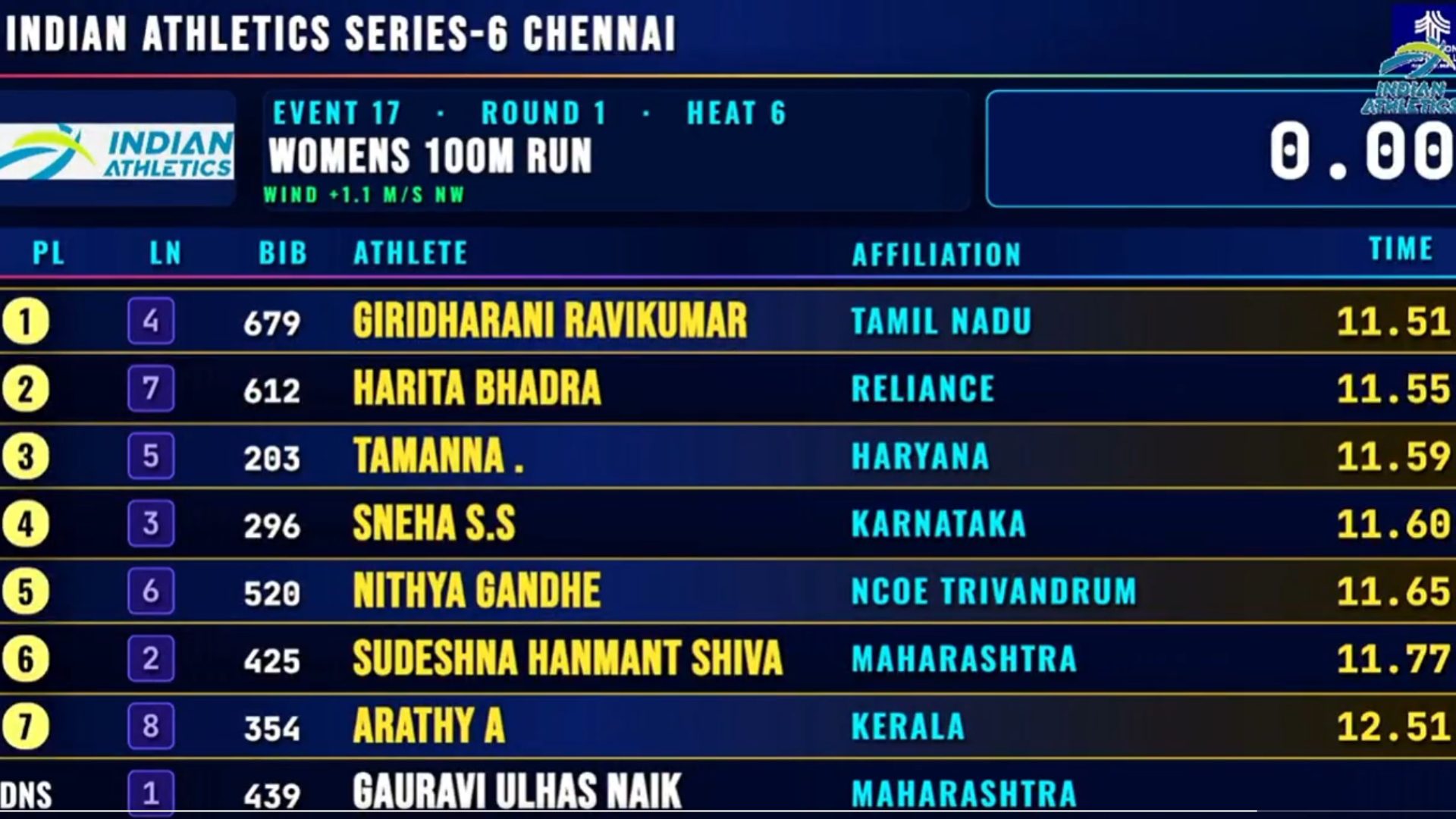
Giridharani Ravikumar Blazes to Season-Best 11.51s
Chennai, TN – The women’s 100m sprint reached fever pitch at the Indian Athletics Series-6, as Tamil Nadu’s Giridharani Ravikumar delivered a masterclass in acceleration to clinch the title in 11.51s. The performance isn’t just a gold-medal run; it officially stands as India’s fastest time in the women’s 100m this season, reaffirming Ravikumar’s status as a top-tier contender on the road to the 2026 Asian Games.
Ravikumar, a 24-year-old national champion with a personal best of 11.36s (set in 2023), showed that her early-season form is peaking at exactly the right time. Having already won the opening leg of the series in Bengaluru with an 11.53s, she found another gear in the Chennai heat to shave off two-hundredths of a second and cement her position at the top of the national leaderboard.
While Ravikumar took the gold, the race was a tactical dogfight until the very end. Harita Bhadra, the reigning National Indoor Champion, opened her outdoor individual season with an explosive 11.55s. This mark is a massive lifetime best for Bhadra and currently ranks as the third-fastest time by an Indian woman this season. Bhadra’s transition from the indoor circuit to the 100m straight has been seamless, proving she has the top-end speed to challenge the traditional favorites.
The depth of the field was further showcased by Tamanna, who claimed the bronze medal with a lifetime best of 11.59s. A former Asian U20 Championships bronze medalist and a dominant force at the Khelo India Youth Games, Tamanna’s sub-11.60s performance marks her entry into the elite bracket of senior Indian sprinters. At just 21 years old, her progression suggests that the 4x100m relay pool is becoming deeper and more competitive than ever.
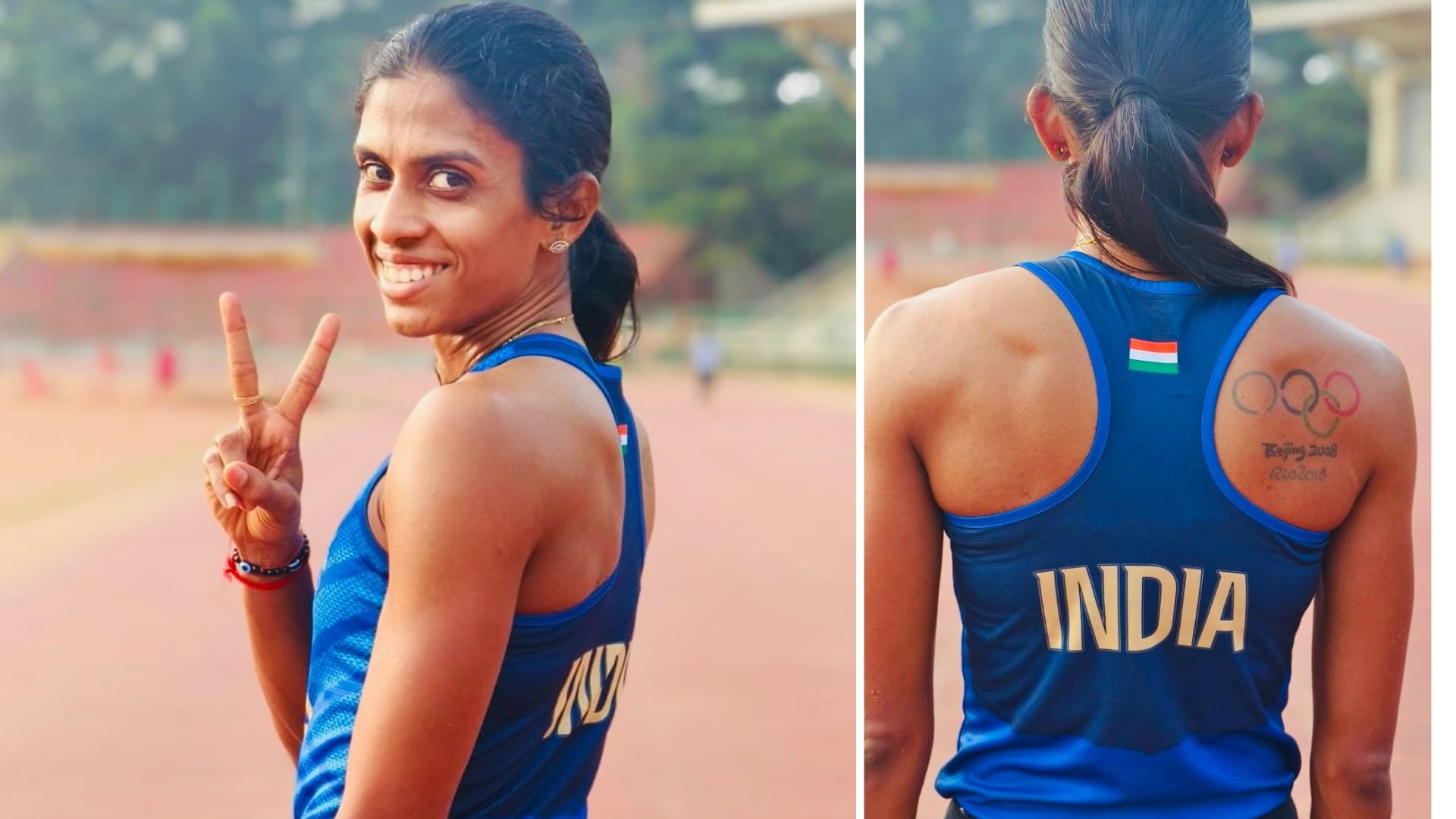
Veteran M.R. Poovamma Commands Chennai Track
The quarter-mile remains the territory of the experienced. At the Indian Athletics Series-6 held at the Jawaharlal Nehru Stadium, Chennai, veteran Olympian M.R. Poovamma Raju rolled back the years to clinch the women’s 400m title, clocking a commanding season-best of 53.38s.
Poovamma, a two-time Asian Games gold medalist in the relay, has shown remarkable resilience this season. After a bronze-medal finish at the Indian Open 400m in Thiruvananthapuram earlier this year (53.61s), she found an extra gear in the humid Chennai heat. Her performance is a significant indicator for India’s relay prospects, proving that the 33-year-old remains a cornerstone of the national 4x400m pool.
While the veteran took the gold, the story of the race was Ansa Babu. Finishing a close second, Babu registered a lifetime best of 53.50s, marking the first time in her career she has dipped under the 54-second barrier. Representing the Police Sports Control Board, Babu’s rapid progression—improving on her 54.01s from March—puts her firmly in the conversation for a spot in the primary national relay squad.
Rounding out the podium was Vijayakumari G.K., who clocked 53.58s. A consistent performer who also stood on the podium in Thiruvananthapuram, Vijayakumari continues to provide the depth that makes the Indian women’s 400m field one of the most competitive in Asia.
Perhaps the most encouraging sign for the AFI and the relay coaches was the return of Subha Venkatesan. The Tokyo Olympian and Asian Games medalist, who hails from Tiruchirappalli, finally opened her 2026 season on home soil. Winning her heat with a time of 54.80s, Venkatesan looked smooth and controlled. For an athlete who has battled through injuries and intense competition, this season opener is a vital first step toward regaining the sub-52s form that once made her an indispensable part of India’s mixed and women’s relay teams.
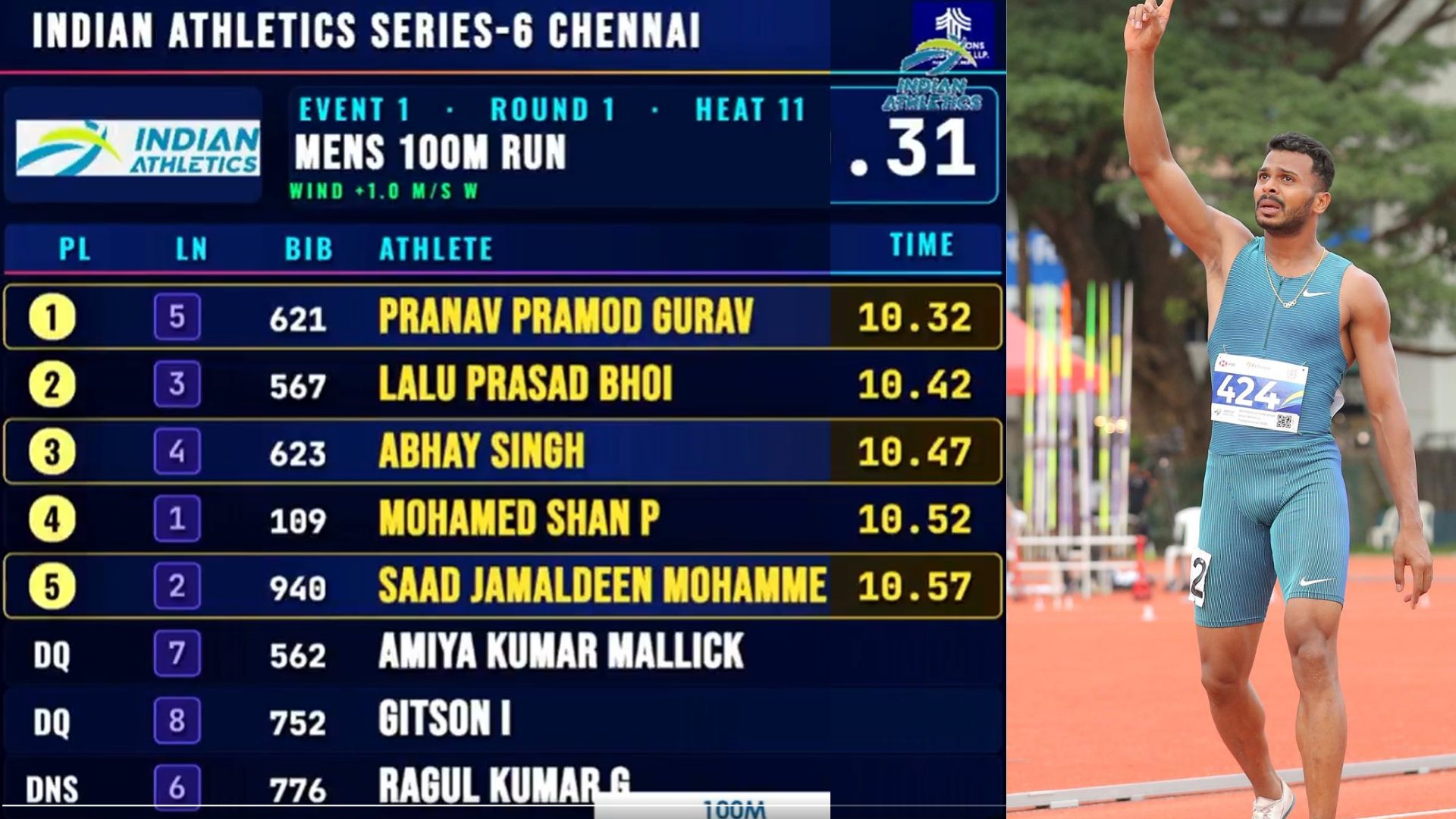
Pranav Gurav Blazes to India’s Third-Fastest Time of the Season
The battle for the title of India’s fastest man intensified at the Indian Athletics Series-6 in Chennai, as Pranav Pramod Gurav delivered a career-defining performance in the 100m sprint. Representing Reliance, Gurav clocked a blistering 10.32s, not only clinching the gold but also registering the third-fastest time by an Indian this season.
Gurav’s victory is a testament to his rapid development within the high-performance ecosystem. This 10.32s mark is just shy of his personal best of 10.27s set last year, proving that the 24-year-old is finding his peak rhythm just as the international calendar begins to heat up.
Securing the silver medal was Odisha’s Lalu Prasad Bhoi, who made a statement in his first outdoor individual race of the year. Bhoi clocked 10.42s, a solid season opener that mirrors his consistency from 2024, where he famously clocked a 10.34s. Known for his explosive start, Bhoi’s transition from indoor training to the Chennai heat suggests he will be a major threat at the upcoming National Inter-State Championships.
The podium was completed by the reigning U20 Federation Cup champion, Abhay Singh. Fresh off a historic “sprint double” at the National Junior Championships in Tumkur—where he shattered the national junior 200m record with a time of 20.82s—Abhay proved he can hold his own against the senior elite. He finished third in 10.47s, further cementing his status as India’s most exciting sprint prospect.
With three sprinters dipping well below the 10.50s mark, the 100m final in Chennai served as a reminder of the rising depth in Indian sprinting. As Gurav leads the pack with a season-best, the pressure is now on the rest of the field to respond before the Asian circuit kicks into high gear. For Reliance and the coaching staff, seeing both Gurav and the young Abhay on the podium is a clear win for their developmental strategy.
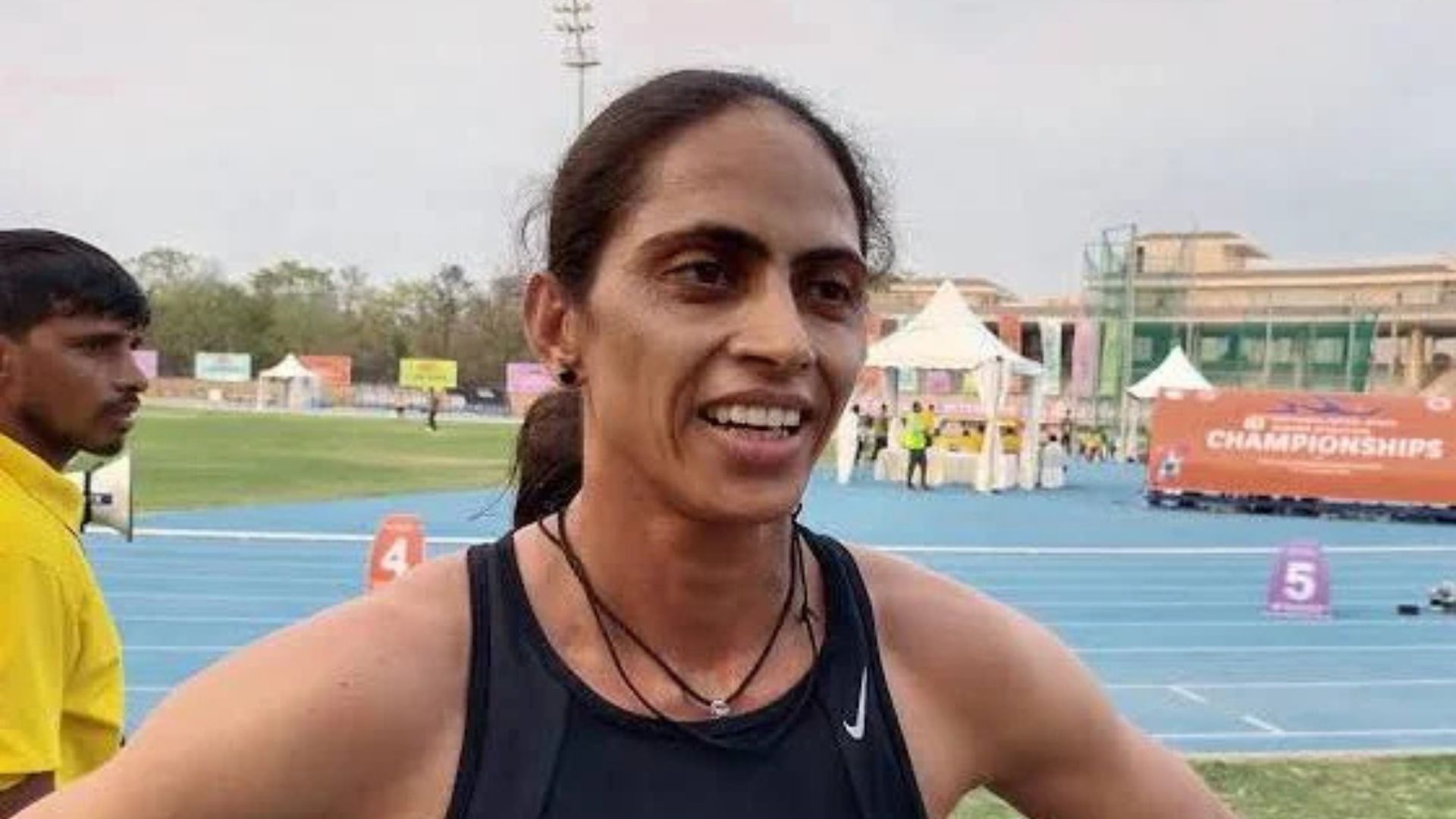
India’s all-time second-fastest women’s 400m runner, Kiran Pahal, made a winning start to her season by clinching gold in the women’s 400m at the Indian Series-5 in Sangrur.
Kiran clocked 54.07 seconds to register the fastest time across all three finals at the meet, underlining her dominance in the event. The performance marks a solid opening to her campaign as she looks to build momentum for the remainder of the season.
Known for her consistency in Indian quarter-mile running, Kiran has established herself among the country’s top 400m athletes in recent years and continues to remain a strong contender on the national circuit.
The meet also witnessed the return of Himanshi Malik, the 2023 Interstate champion, who competed after nearly one and a half years away from action. Himanshi finished third in Final C with a time of 56.58s, marking an encouraging comeback performance after a lengthy absence from competition.
With both Kiran returning strongly and Himanshi back on track, the women’s 400m event promises to be an exciting battle in the domestic athletics season ahead.
The men’s 100m at Indian Series-6 looks packed with quality names as per the AFI start list:
* Lalu Prasad Bhoi — Indoor 60m silver medallist
After winning silver at India’s first Indoor Championships and clocking a time better than the previous national record, this will be Lalu’s first outdoor individual competition of the season.
* Tamil Arasu S — Inter-State 100m champion
Tamil Arasu won gold at the same stadium while registering his lifetime best of 10.22s to become the Inter-State 100m champion. He has already clocked 10.23s this season at Indian Series-1.
* Pranav Gurav — Federation Cup 100m champion
The 2025 Federation Cup 100m champion will be looking to better his season’s best here. He has featured in only one competition this season, clocking 10.47s at Indian Series-3.
* Abhay Singh — Junior Federation Cup 100m champion
Abhay recently became the U20 sprint champion, dominating both the 100m and 200m at the Junior Federation Cup while also bettering the U20 200m national record.
The competition is scheduled for May 10, 2026, at the Jawaharlal Nehru Stadium, Chennai.
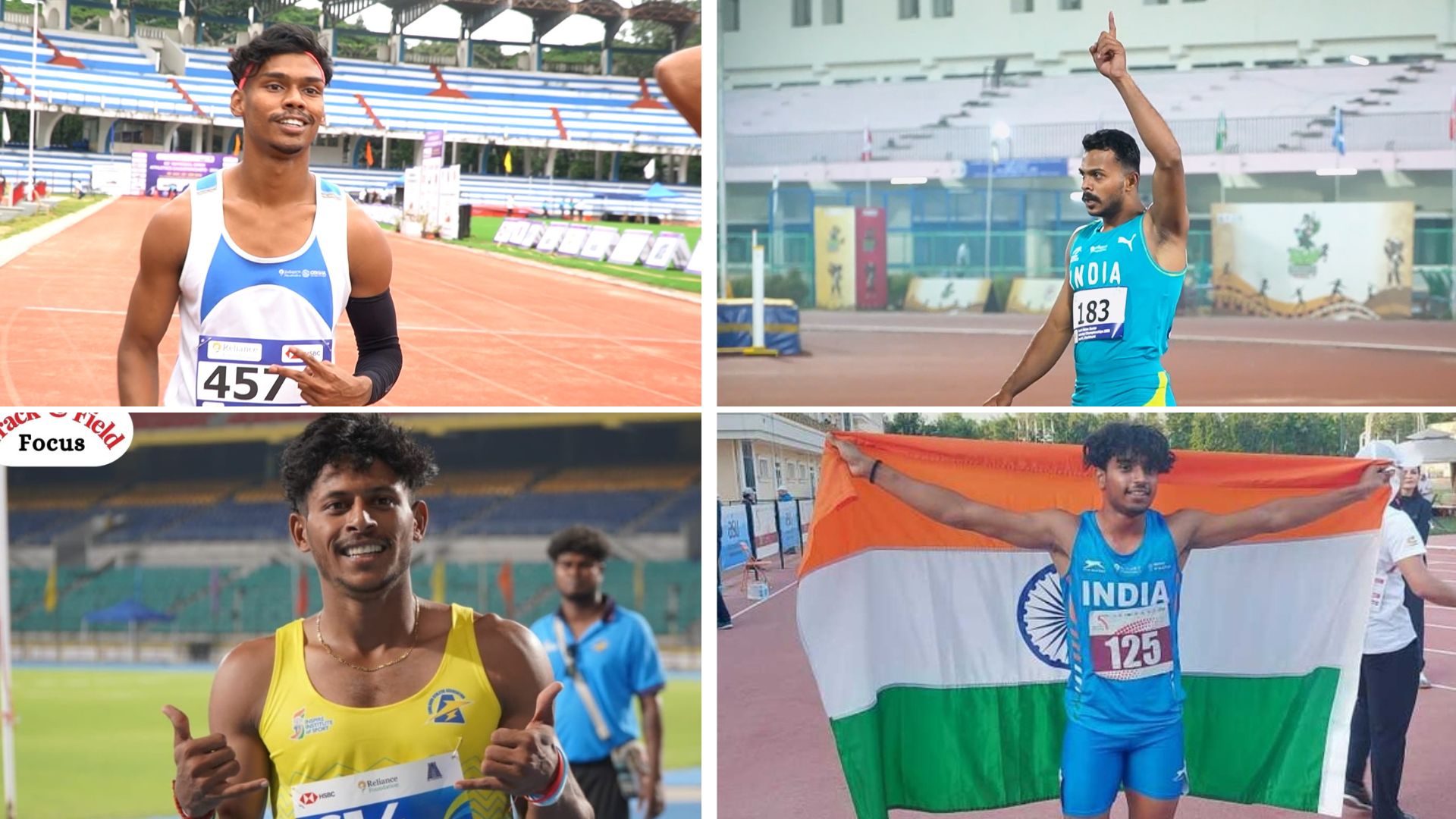
Neeru Pathak delivered a commanding performance at the U-20 Federation Cup, winning gold in the women’s 400m with a time of 54.31 seconds and comfortably breaching the Asian U-20 qualification standard.
Representing NCOE Trivandrum, Neeru led what turned out to be one of the most competitive races of the meet. Close behind her, Tahura Khatun secured silver with a remarkable lifetime best of 54.39 seconds, a massive improvement from her previous best of 56.01.
Bhoomika Nehate completed the podium, clocking a personal best of 54.68 seconds to take bronze.
The depth of the field was particularly striking, with seven out of eight finalists running faster than the Asian U-20 qualification standard.