
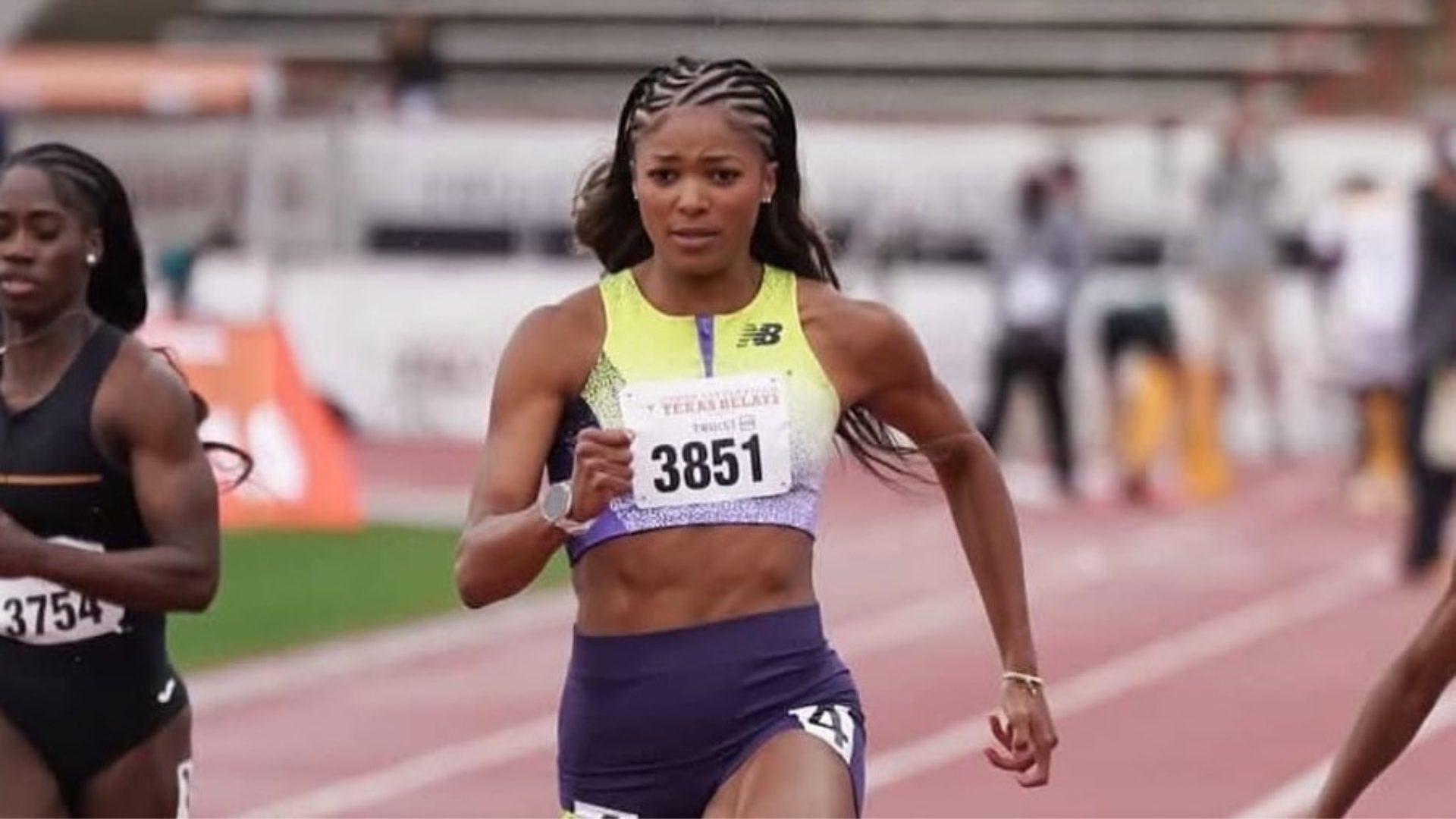
Thomas, who won gold in the 200m at the Paris Olympics along with relay titles in the 4x100m and 4x400m, has steadily established herself as one of the most complete sprinters in the world. Her ability to transition between the 100m and 200m — and even step up to the 400m — makes her a rare multi-event threat on the global stage.
The Addis Ababa performance was also her first competitive outing on African soil, marking the start of a three-leg tour that includes the Kip Keino Classic in Nairobi. With early-season form already peaking, Thomas looks set to be a major contender again in 2026.
Habtom Samuel delivered a stunning performance at the Bryan Clay Invitational, slashing nearly 2.5 seconds off his own NCAA outdoor 5000m record with a 13:03.47 run.
The University of New Mexico standout closed with a blistering 1:58.14 final 800m, underlining both his endurance and finishing speed.
Samuel, who represents Eritrea internationally, has rapidly emerged as one of the most exciting distance talents in collegiate athletics. His latest run not only resets the outdoor benchmark but also signals a serious push toward history.
The next frontier is clear: breaking the 13-minute barrier outdoors during the collegiate season — a mark that has already been achieved indoors by Nico Young and Graham Blanks.
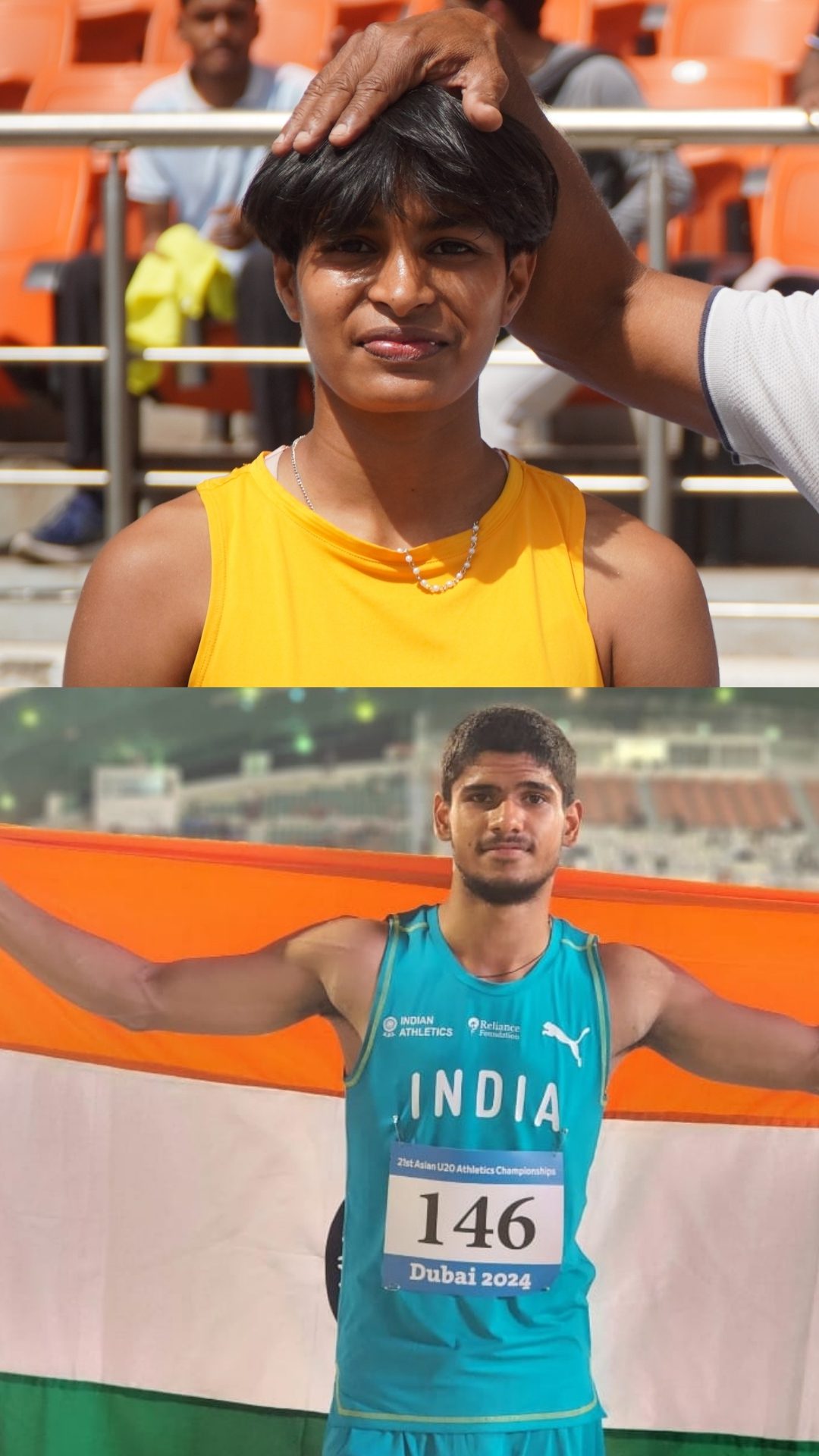
Athletics Federation of India has announced the team for World Relays 2026. Speaking to the media, AFI’s former President and World Athletics Vice-President confirmed the squad along with several other updates.
As per him, India had qualified six relay teams for the World Relays 2026, but the federation has decided to send only five, opting not to send the women’s 4x400m team.
Men’s 4x400m: Rajesh Ramesh, Manu TS, Amoj Jacob, Dharamveer Choudhary, Theerthesh Shetty, Vishal TK, Nihal Joel
Men’s 4x100m: Pranav Gurav, Gurindervir Singh, Animesh Kujur, Ragul Kumar, Harsh Raut, Tamilarasu
Mixed 4x400m: Rashdeep Kaur, Kumari Saloni, Ansa Babu
Women’s 4x100m: Nithya Gandhe, Sneha S.S, Tamanna, Sudeshna Shivankar, Srabani Nanda
Mixed 4x100m: Team will be selected from the men’s and women’s squads
However, the major talking point was the omission of Vikrant Panchal, who clocked 45.88s — the third-best time by an Indian this season. Notably, six athletes went sub-46s this season, with five included in the squad, leaving Vikrant as the only one excluded.
When nnis Sports raised this issue during the press conference, Adille said, “He doesn’t fit in our policy,” and asked us to refer to the relay selection policy on their website.
As per the “Selection Guidelines for Indian Relay Team” dated March 20, 2025:
- Athletes training at the National Centre of Excellence (NCOE), Trivandrum under an AFI-authorised coach
- Selection will be purely based on merit
- Athletes who qualify individually in the 400m but are not part of the NCOE camp will also be eligible
nnis Sports also raised a question regarding Kumari Saloni’s inclusion in the mixed relay, despite not being a camper earlier. Responding to this, Adille said, “She is a camper, she has joined the camp.”
We pointed out that she joined after the Open Relay this month. Adille responded, “That’s okay as long as she has joined the camp.”
nnis Sports has learned through multiple sources that Saloni joined the camp on April 5, just 12 days before her inclusion. She reportedly received a call from AFI via email on April 2.
Meanwhile, Vikrant, who competed on April 11, did not receive any communication from the federation.
Adille further added that Vikrant was not available for doping control after his race at Indian Series-3, stating, “Vikrant has not given his dope test. He was not available on the ground after the race.”
However, nnis Sports was present at the venue and observed Vikrant sitting near the finish line for around half an hour due to fatigue, with no NADA officials approaching him for testing.
Later, nnis Sports interviewed him from 8:00 PM to 8:30 PM at the warm-up track, and still no officials arrived for testing.
This raises serious questions about transparency and consistency in the selection process.
Adille also cited past cases, including that of Nirmala Sheoran, who was stripped of her Asian titles after a four-year ban, as a reason for caution in selecting athletes outside the camp system.
However, a recent positive case involved Sneha Kolleri, a camper who represented India at the 2025 World Relays and later tested positive for Stanozolol. She has recently been handed a three-year ban by the AIU.
Notably, she had tested negative multiple times in India, but a later re-analysis of a sample collected by NADA in Chandigarh returned positive, raising further concerns.
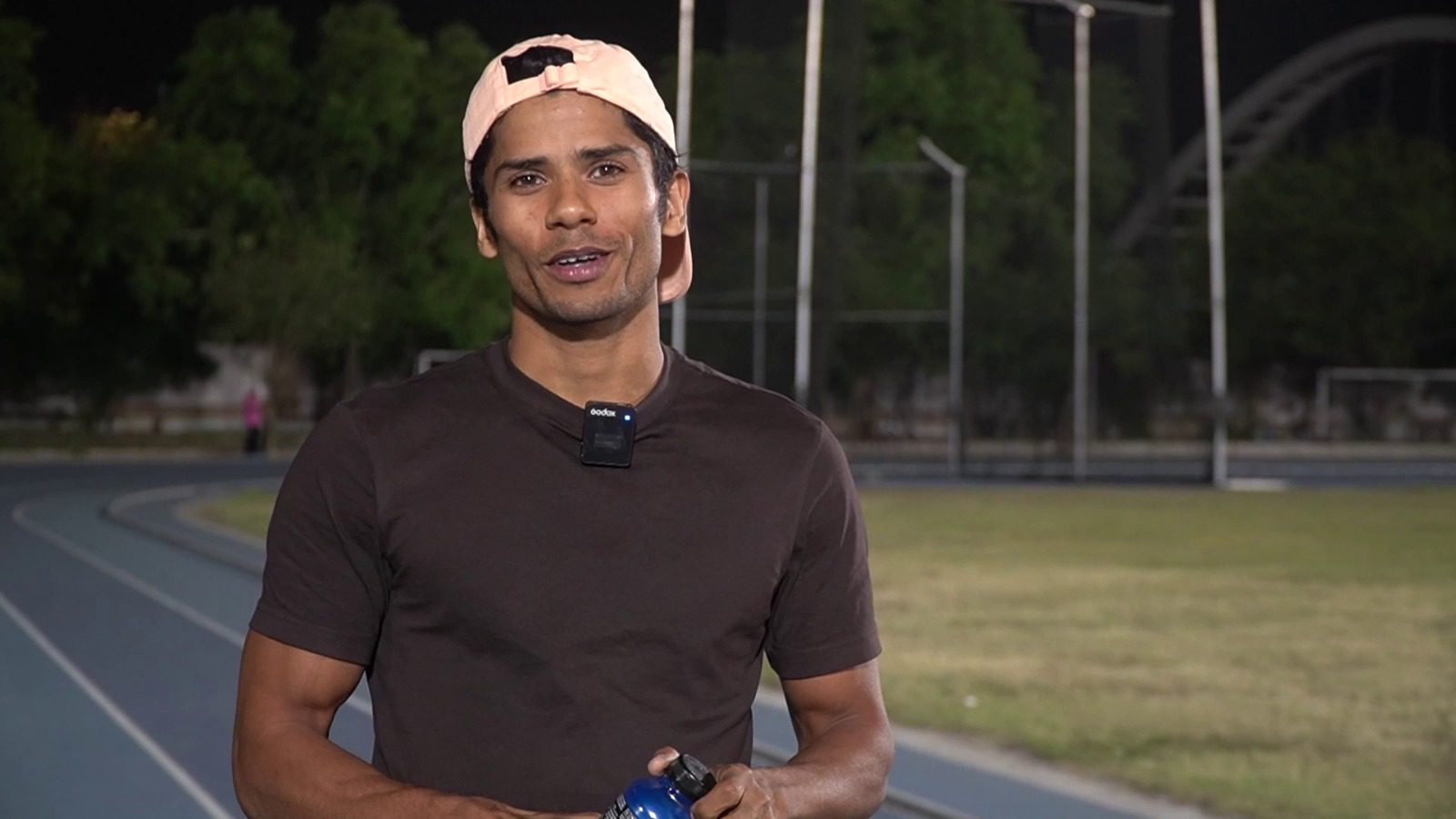
World Anti-Doping Agency President Witold Bańka met officials from India’s Central Bureau of Investigation (CBI) to strengthen efforts against organised doping networks in the country.
The meeting comes at a time when India continues to face serious concerns over rising doping violations.
WADA and CBI Discuss Anti-Doping Cooperation
During his visit to India, Witold Bańka held discussions with CBI Special Director Manoj Sashidhar, focusing on collaboration to identify and dismantle criminal networks involved in doping.
The move signals a stronger enforcement approach, shifting focus from individual athletes to larger organised systems behind doping.
India’s anti-doping record remains a major concern globally. Recent data highlights the scale of the issue:
- India has recorded the highest number of doping violations for three consecutive years
- The country reported a positivity rate of 3.6%
- A total of 260 Adverse Analytical Findings (AAF) — the highest among major nations
These figures underline the urgency behind the latest cooperation efforts.
The World Anti-Doping Agency plays a crucial role in maintaining fairness in global sports. Increased cooperation with national agencies like the Central Bureau of Investigation is essential to combat systemic doping issues.
For India, improving its anti-doping record is critical to maintaining credibility in international athletics.
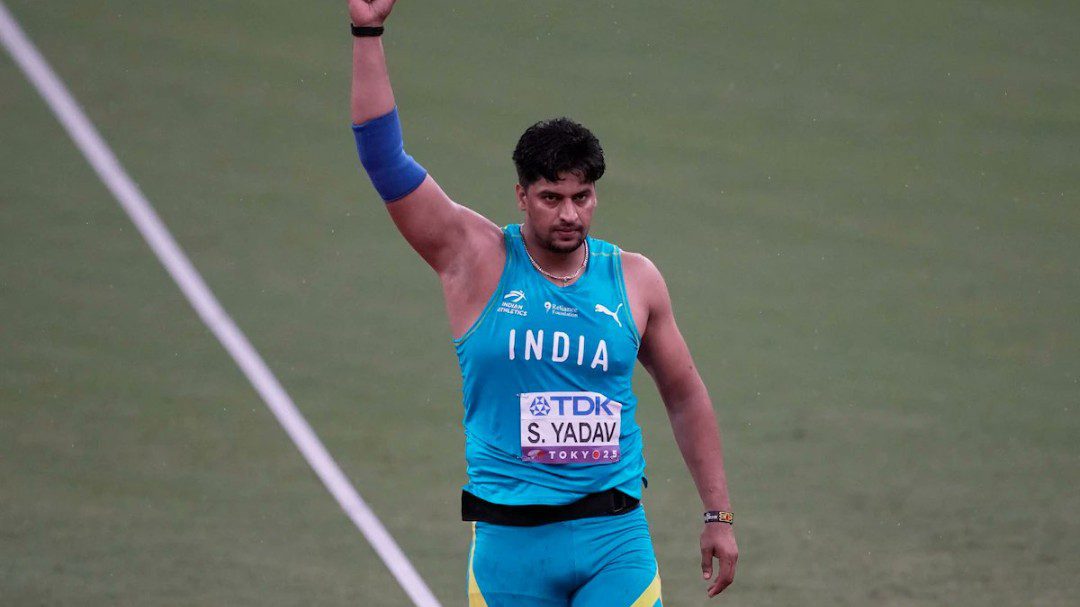
Sachin Yadav Diamond League debut is set to mark a historic moment for Indian athletics as the rising javelin star prepares to compete in Rome on June 9 and Doha on June 19.
Indian fans have been eagerly waiting to see the young thrower test himself against the world’s best, and 2026 could be the breakthrough year that defines his global standing.
Sachin Yadav Set for Diamond League Breakthrough
Sachin Yadav’s inclusion in the prestigious Diamond League signals his growing reputation on the global stage. Competing in back-to-back events in Rome and Doha, the Indian javelin thrower will face elite international athletes.
This debut is more than just participation—it’s a chance to establish India’s presence in one of athletics’ most competitive circuits.
Schedule Update – Doha Event Rescheduled
Originally, Sachin was slated to begin his campaign in Doha on May 8. However, due to ongoing geopolitical tensions in the Gulf region, the event has been postponed.
Updated Schedule
- Rome Diamond League: June 9, 2026
- Doha Diamond League: June 19, 2026
The revised calendar gives Sachin additional preparation time, which could play in his favor.
Strong Start to 2026 Season
Sachin Yadav began his 2026 season at the Indian Athletics Series 3 in New Delhi with an impressive performance.
- Finished 2nd place
- Best throw: 81.95m
- Showed consistency early in the season
While not his personal best, the performance indicates solid form heading into the international circuit.
Career Milestone – World Championships Performance
One of Sachin’s biggest achievements came last year at the World Championships in Tokyo.
2025 World Championships Stats
- Position: 4th place
- Personal Best: 86.27m
Missing out on a podium finish by a narrow margin, Sachin proved he can compete with the world’s elite—setting the stage for his Diamond League debut.
What is the Diamond League?
The Diamond League is an annual series of elite track and field events featuring the world’s best athletes.
- Conducted across major global cities
- Athletes earn points to qualify for finals
- Considered one of the toughest athletics circuits
For Indian athletes, competing here is a major recognition of global-level performance.
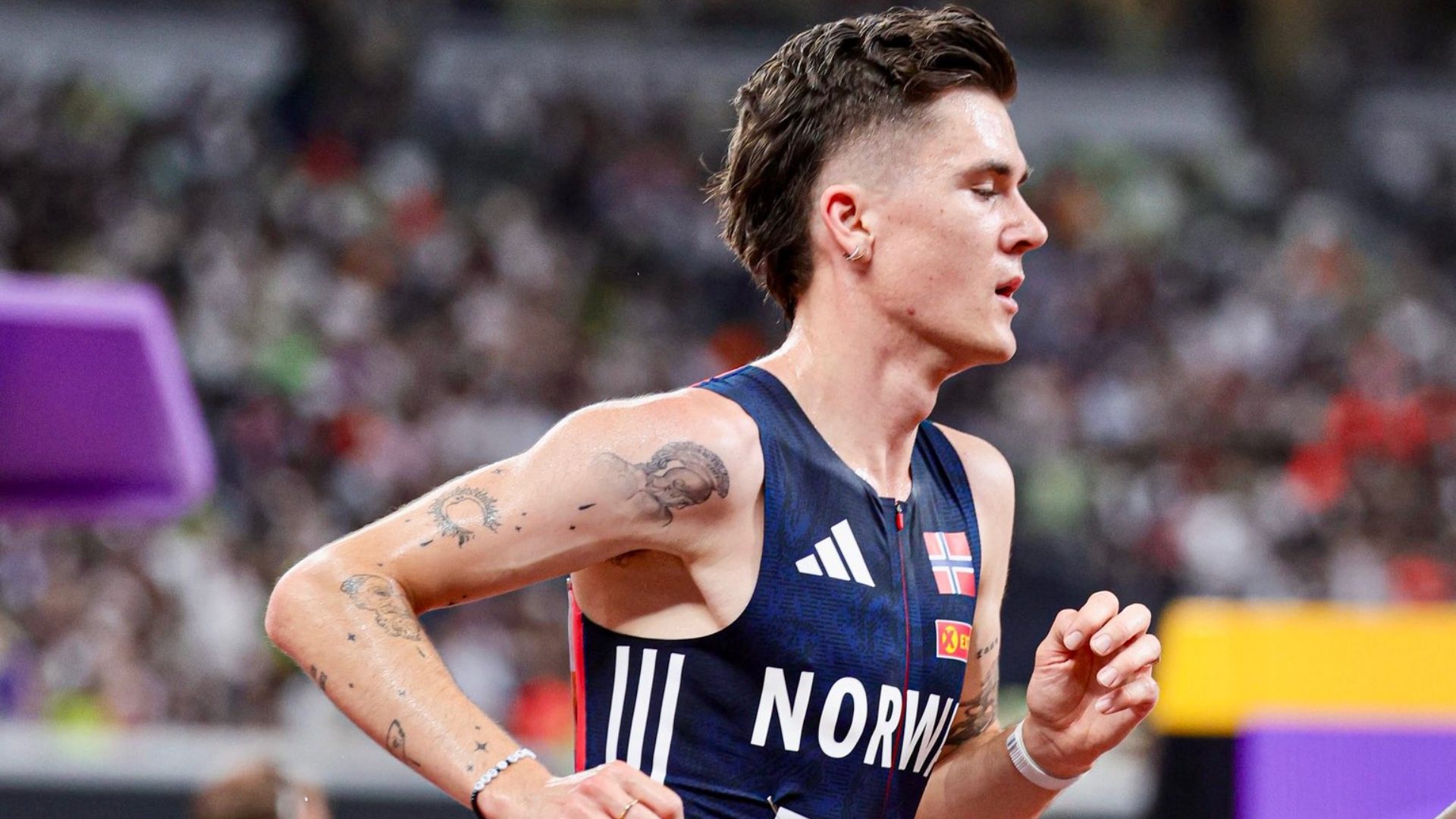
Jakob Ingebrigtsen will sit out the opening stretch of the Diamond League season as he continues his recovery from an Achilles injury, his agent confirmed to Norwegian newspaper VG.
The Norwegian star is set to miss the Bislett Games on June 10 for the second straight year, with no races planned across May or June. His agent, Daniel Wessfeldt, said a clearer timeline will depend on how training progresses through late April and May, though the overall prognosis remains positive.
“He’s relaxed and pain-free now,” Wessfeldt said, noting that while the winter Achilles surgery was successful, returning to elite training loads will take time. If recovery continues as expected, Ingebrigtsen could yet feature strongly in the second half of the season.
The injury had disrupted much of his 2025 outdoor campaign, making a measured return in 2026 the priority.
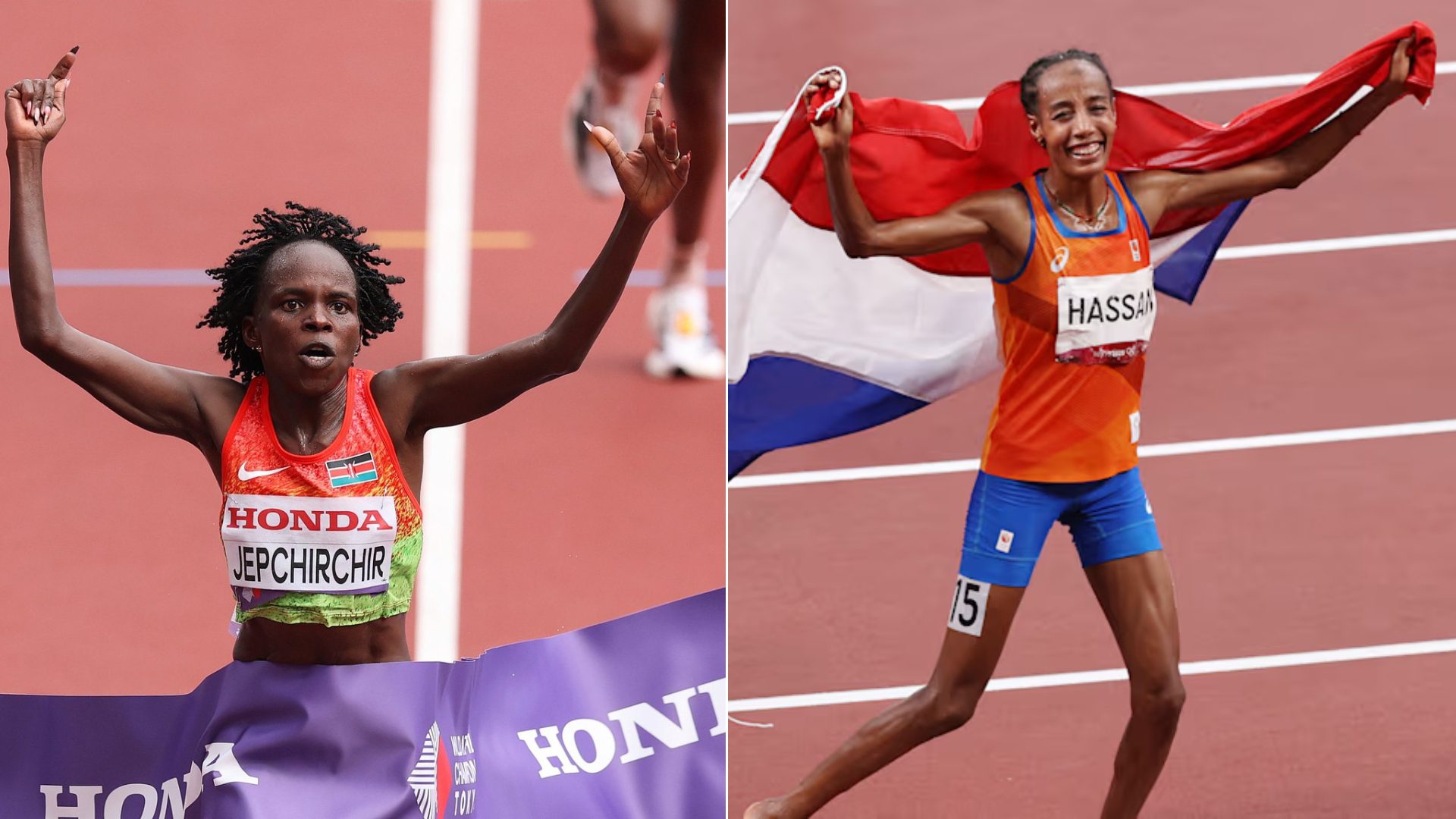
The women’s field at the 2026 London Marathon has taken a significant hit, with world champion Peres Jepchirchir withdrawing ahead of the April 26 race.
Jepchirchir cited a stress fracture sustained after her second-place finish at the Valencia Marathon in December, an injury that delayed her training until late January. It marks the second consecutive year she will miss London, having also sat out in 2025 with an ankle issue.
Her withdrawal follows that of Olympic champion Sifan Hassan, who pulled out earlier this month due to an Achilles injury — leaving the race without its two biggest names.
Even so, the field retains depth. Defending champion Tigst Assefa lines up alongside multiple major winner Hellen Obiri, ensuring the race remains highly competitive despite the late reshuffle.
Sunday was one of those rare days when Indian sport seemed to move in fast-forward. Ayush Shetty clinched a historic silver at the Asian Championships, becoming only the second Indian after Dinesh Khanna to reach such heights. At the same time, Sawan Barwal rewrote history by breaking a 48-year-old national record in the marathon.
Yet, in the middle of all this noise, one performance quietly slipped under the radar and perhaps, it shouldn’t have.
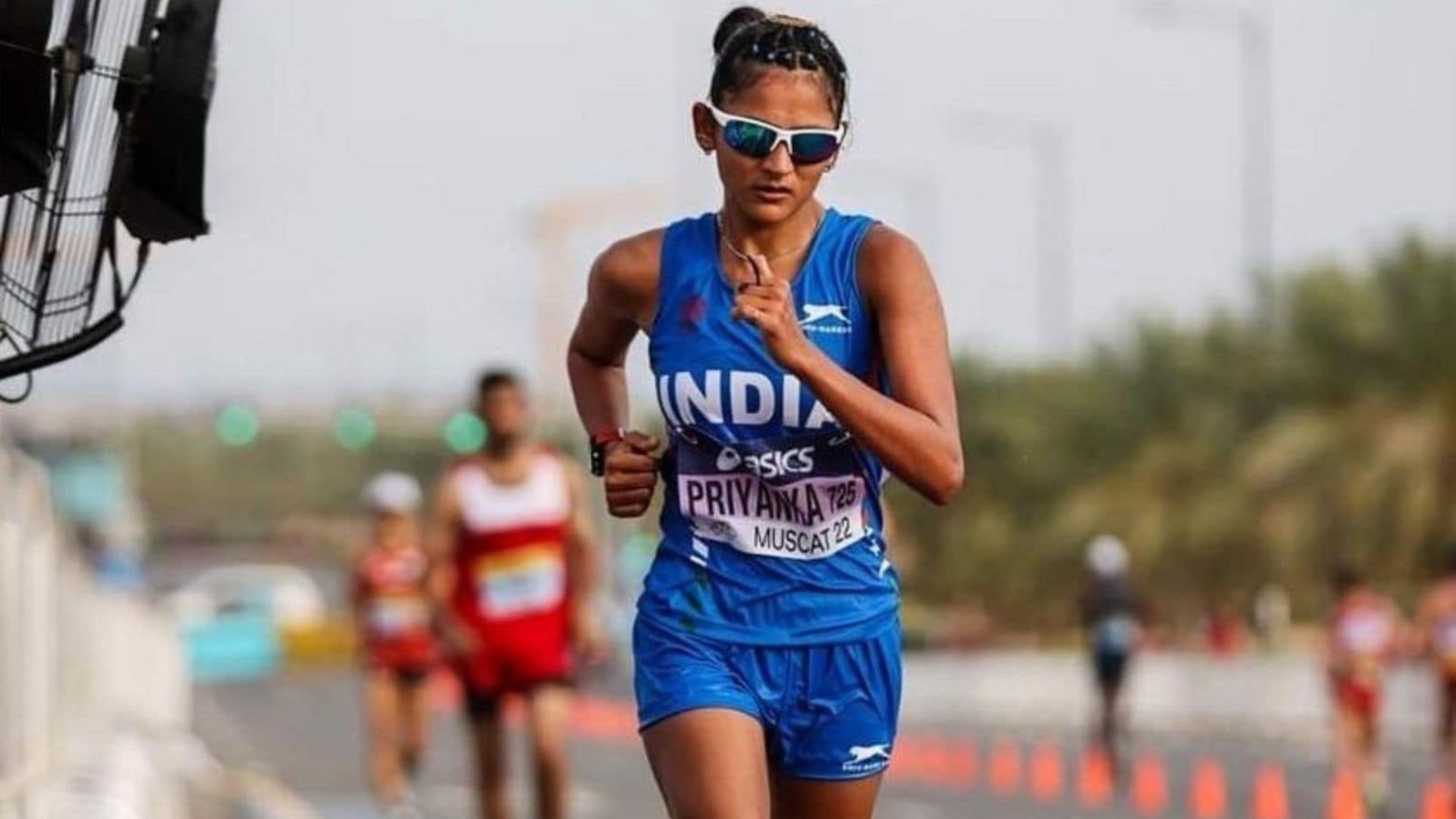
Priyanka Goswami finished 10th at the World Race Walking Team Championships 2026 in Brasília. On paper, it may not scream headlines. But in context, it might just be the most significant performance by an Indian athlete that day.
Priyanka clocked 3:43:01 in the women’s marathon race walk, in a field stacked with Olympic medallists and world-class athletes. Ecuador’s Paula Torres won gold with a stunning 3:24:37, the second-fastest time ever.
But Priyanka’s race was never about the podium. It was about endurance, adaptation, and mindset.
Speaking exclusively to NNIS Sports, she said, “The timing was good because the altitude here is 1200m. Sometimes, we need to step out of our comfort zone.”
That “comfort zone” included a 38-hour journey from India to Brazil, minimal acclimatisation, and the challenge of a new race format. Yet, she delivered.
Priyanka has a decorated resume silvers at the Commonwealth Games, Asian Championships, and bronze at the World University Games. But even she believes this performance stands above them.
“You were competing among the best walkers in the world and finished 10th. This is the biggest achievement of your life,” her coach Ronald Weigel told her, a sentiment she agrees with.
And rightly so. Unlike continental events, this was a truly global field. Every athlete on that start line was elite. Finishing in the top 10 here is not just a result, it’s validation.
The event itself marked a shift. The traditional 20km and 35km races were replaced by half marathon and marathon distances.
“It makes a big difference,” Priyanka explained. “For women, 42 km can feel almost like 50 km… the challenge between 30–35 km is much tougher. The mind has to be very strong.”
That mental strength was evident, not just during the race, but in how she handled recent setbacks.
After being beaten at the National Championships, social media noise crept in “Everyone was commenting… that affected me a bit,” she admitted.
But her coach’s response was simple and sharp “No one looks at Nationals. Win a medal at the Asian Games, that’s what matters.”
India finished fifth in the team standings a strong collective effort. Not a single athlete was disqualified. Historically, India has only two medals at this championship. This performance signals progress, even if it doesn’t come with a medal yet.
And Priyanka stands at the centre of that evolution. Her focus is clear, the Asian Games.
“My main aim is to win a medal at the Asian Games,” she said. “I have already achieved the Commonwealth Games qualification, now I need to focus on strong performances.”
There is no noise in that statement. Just clarity. In a day dominated by medals and records, Priyanka Goswami delivered something quieter, but arguably deeper, a performance of resilience, maturity, and global competitiveness.
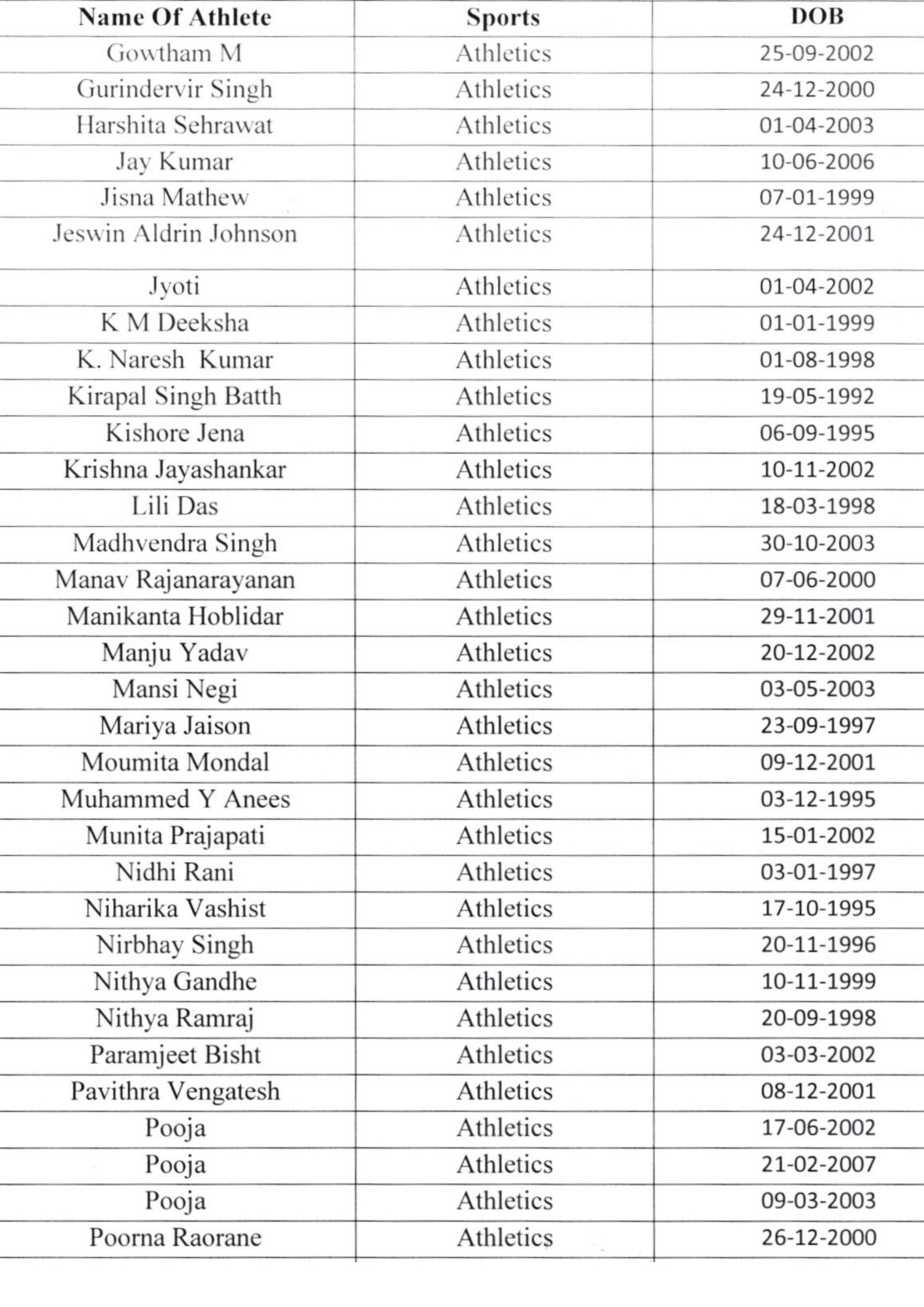
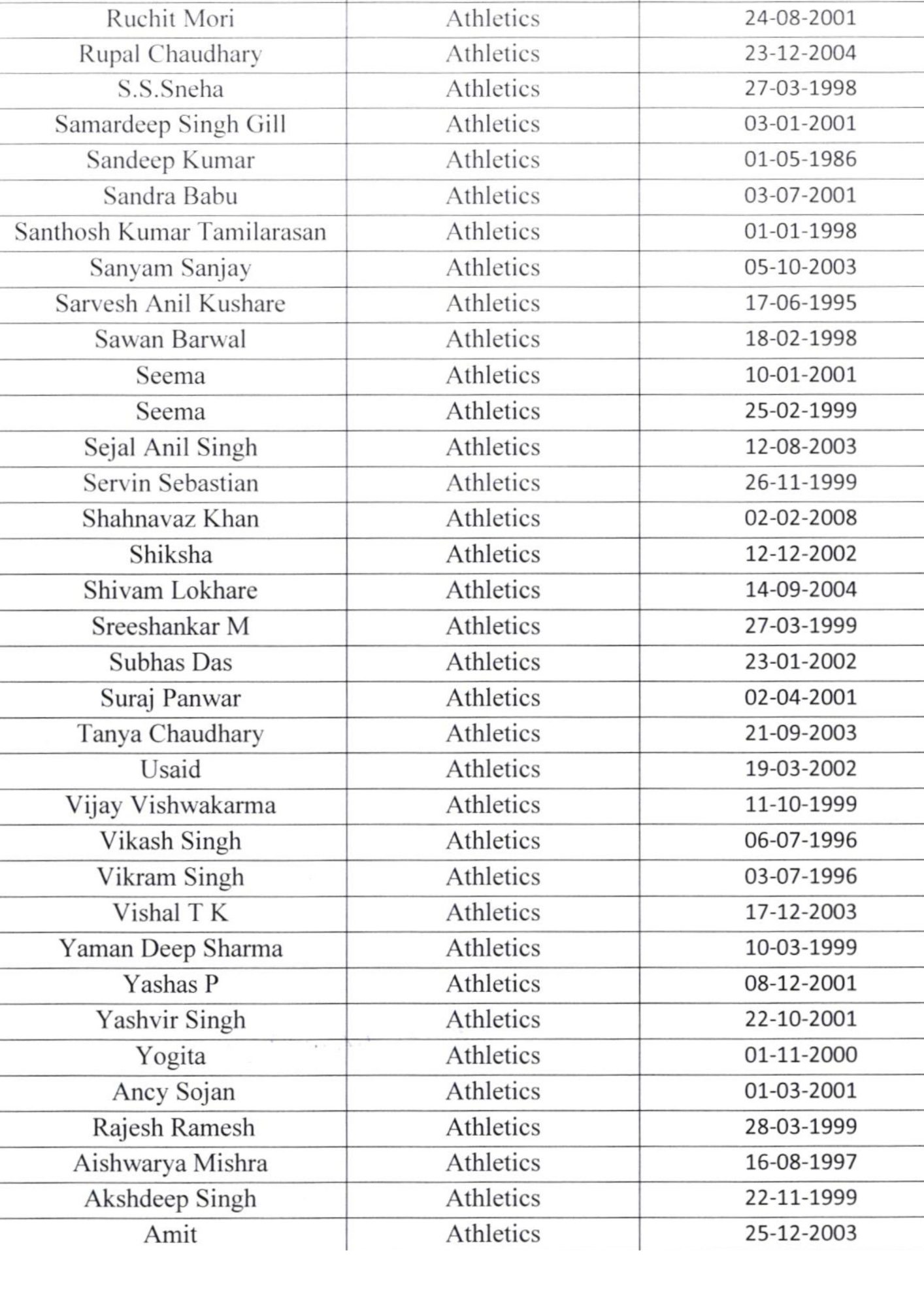
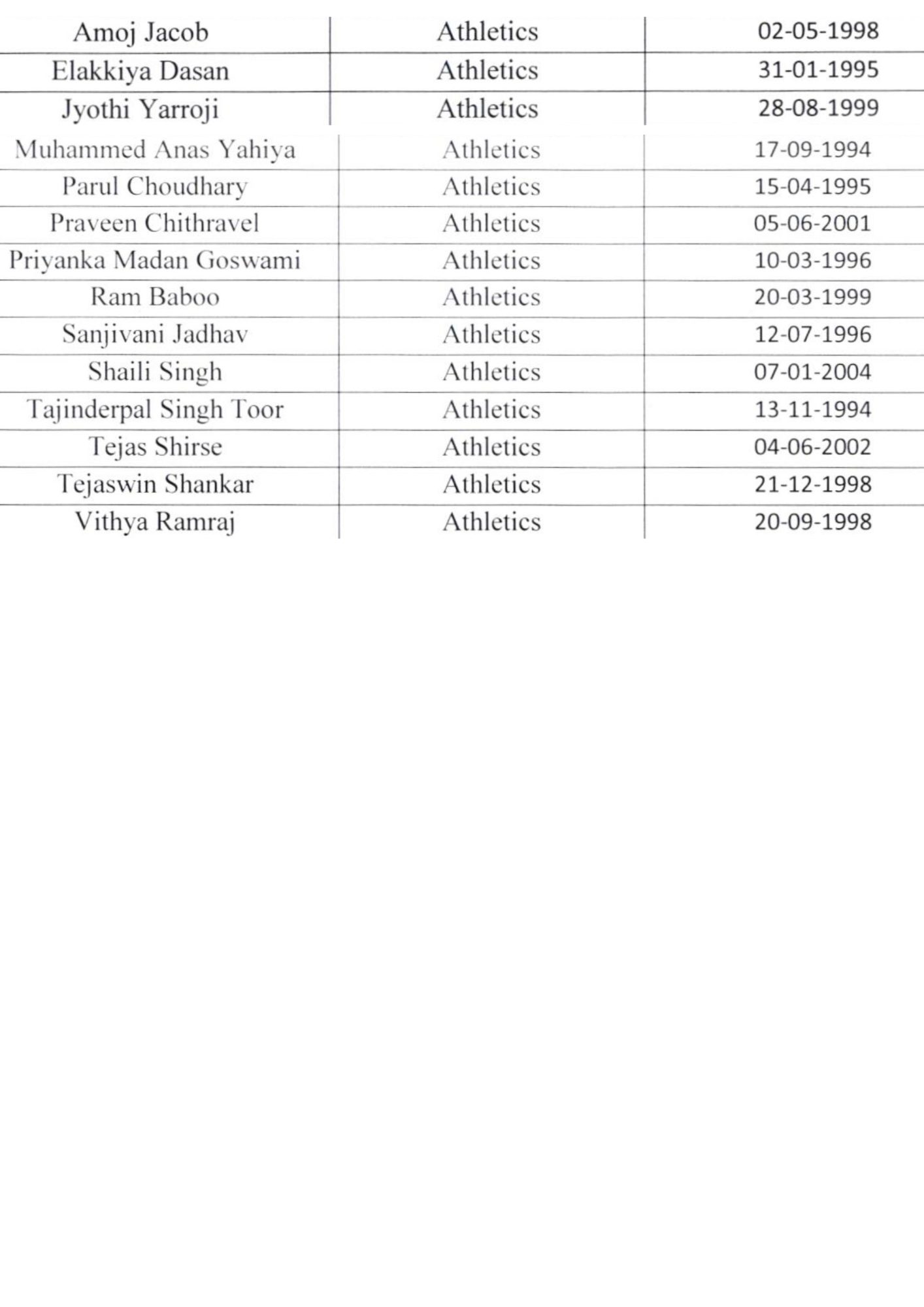
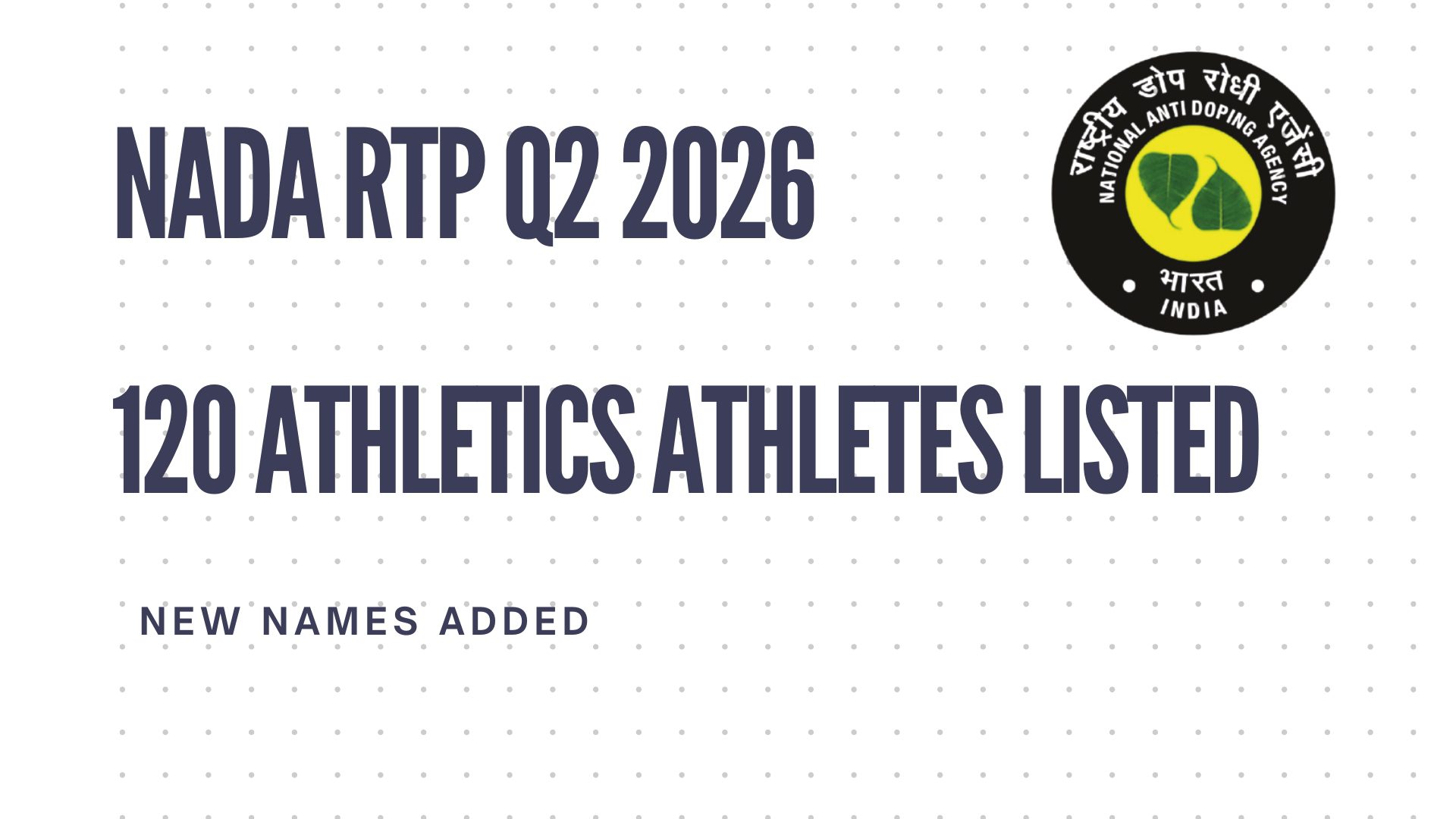
The new Registered Testing Pool (RTP) list of NADA has been updated for the second quarter of 2026. A total of 348 athletes have been included, of which 120 are from athletics — the highest among all sports.
In Quarter 1, there were 118 athletes from athletics, so only two more have been added this time. However, the updated list does include some fresh names:
High jumper Aadarsh Ram, heptathlete Anamika K A, 18-year-old 2025 National Games hammer throw gold medallist Anushka Yadav, newly crowned women’s pole vault national record holder Baranica Elangovan, Gobika K (who has been out since the Open Nationals due to injury), Krishna Jayashankar (who recently competed at the NCAA final), racewalker Munita Prajapati, 400m hurdler Ruchit Mori, and Yashas Palaksha.
Among the big names included are Animesh Kujur, Avinash Sable, Murali Sreeshankar, Ancy Sojan, Jyothi Yarraji, and Tajinder Pal Singh Toor.
What does being in the RTP actually mean
- Athletes must provide daily whereabouts, including a 60-minute time slot for possible testing.
- They can be tested anytime, anywhere, even outside competitions, without prior notice.
- Three missed tests or filing failures in 12 months count as a doping violation.
- RTP ensures continuous monitoring of top and emerging athletes to maintain fair sport.
Here is the complete list.