
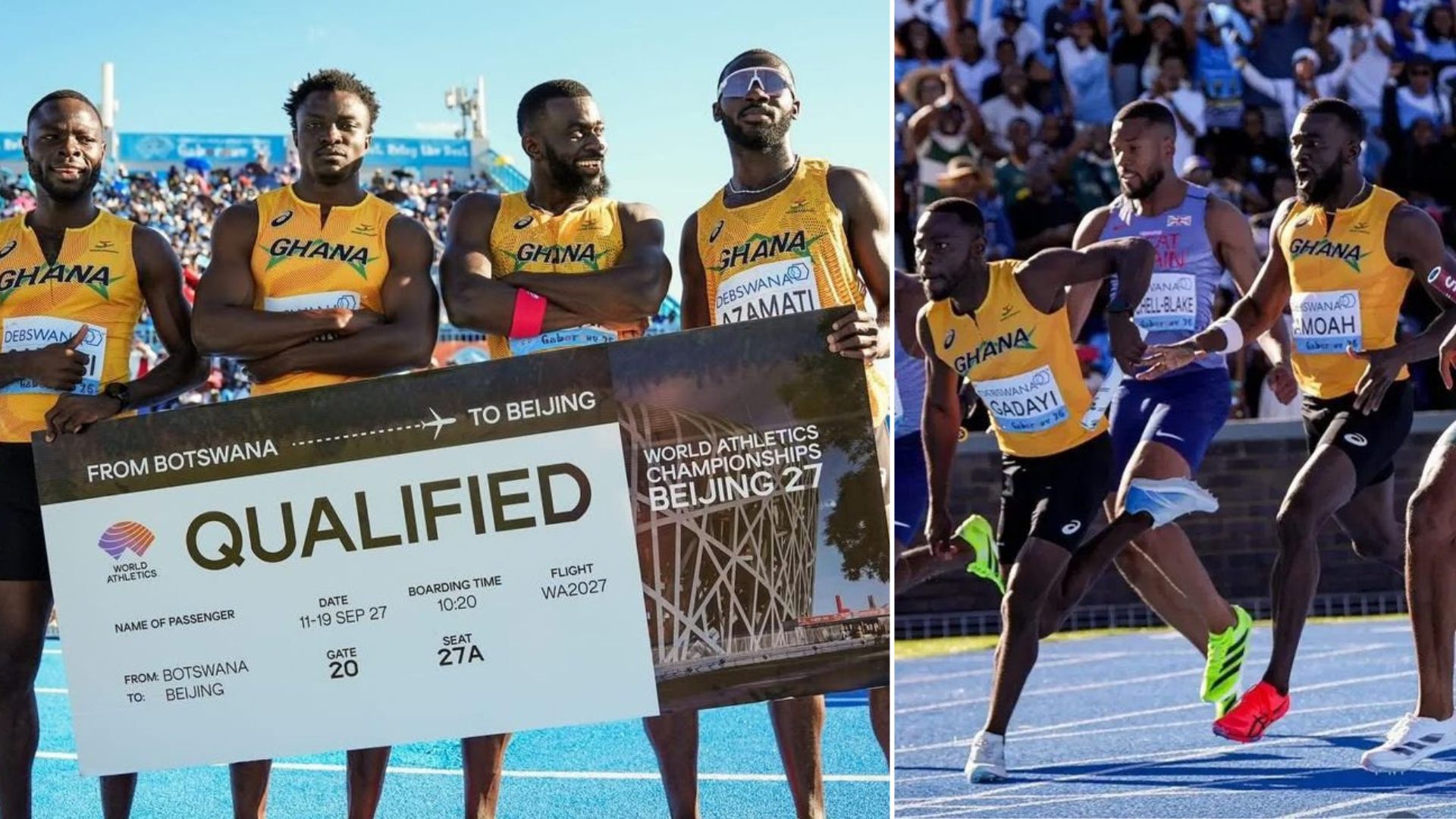
Ghana arrived just a day before competition after a grueling 14-hour flight and 16-hour layover, yet still battled jet lag to qualify for the World Athletics Championships 2027 in Beijing.
Ghana, a coastal nation in West Africa along the Gulf of Guinea with a population of about 33 million people, made history on Day 2 of the World Relays 2026. The men’s 4×100m team finished second in Heat 2, clocking a season’s best of 38.09 seconds, just behind China, who recorded 37.85 seconds. Both teams secured qualification for Beijing 2027.
What makes Ghana’s achievement even more remarkable is the challenge they faced off the track. After the race, Ghana’s fastest man, Abdul-Rasheed Saminu, publicly criticized the Ministry of Sports and Recreation over travel issues that nearly derailed their campaign.
In a post, he wrote: “The Ministry of Sports in Ghana needs to do better. Don’t set us up for failure. If it were the ‘Black Stars,’ flight tickets would be ready months prior to their game. A 14-hour flight and 16-hour layover is not acceptable for professional athletes. We are running with jet lag, no proper recovery.”
Team lineup: Edwin Kwabla Gadayi, Benjamin Azamati, Joseph Paul Amoah and Abdul-Rasheed Saminu.
What happened in Gaborone didn’t stay in Gaborone! It has shaped the global track and field landscape for the next two years.
The world’s top relay squads competed for automatic entry into the World Athletics Championships Beijing 27 and the inaugural World Athletics Ultimate Championship Budapest 26.
Led by Jamaica’s sensational 39.62s World Record in the Mixed 4x100m, the first wave of qualifiers has been confirmed:
Beijing 27 Qualification: The top 12 finishers in each of the six relay disciplines (Men’s and Women’s 4x100m, 4x400m, and the Mixed 4x100m and 4x400m) secured automatic berths for the 2027 World Championships. These teams progressed through a rigorous two-round qualification format, ensuring that only the most consistent and elite squads earned their spots early.
Budapest 26 Tickets: In a more exclusive race for the 2026 season, the top six finishers in the Mixed Relay finals earned automatic qualification for the first-ever World Athletics Ultimate Championship. This new, fast-paced ‘best of the best’ event in Budapest will feature only the highest-ranked athletes and teams in the world.
The following lists detail the nations that have successfully secured their places on the world stage.
Highlights:
Australia is one of the few nations to qualify a team in every single event for Beijing 27.
Nations like Jamaica, the United States, and Spain proved their versatility by qualifying for the Ultimate Championship in Budapest across both mixed-gender formats.
Host nation Botswana and neighbouring South Africa leveraged the home-continent advantage to secure spots in the Men’s 4x400m, a discipline where they continue to be world-class contenders.
Teams qualified for the World Athletics Championships Beijing 27 from World Relays 2026
1) Women’s 4x100m: Australia, Canada, China, France, Germany, Great Britain & NI, Italy, Jamaica, Nigeria, Poland, Portugal, Spain
2) Men’s 4x100m: Australia, Belgium, Botswana, Canada, China, Germany, Ghana, Great Britain & NI, Jamaica, Netherlands, South Africa, United States
3) Women’s 4x400m: Australia, Canada, Czechia, France, Germany, Great Britain & NI, Ireland, Italy, Netherlands, Norway, Poland, Spain
4) Men’s 4x400m: Australia, Belgium, Botswana, Brazil, Japan, Netherlands, Portugal, Qatar, Senegal, South Africa, Spain, Zimbabwe
5) Mixed 4x100m: Australia, Canada, Germany, Great Britain & NI, Italy, Jamaica, Netherlands, Nigeria, Portugal, Spain, Switzerland, United States
6) Mixed 4x400m: Australia, Belgium, Canada, Great Britain & NI, Italy, Jamaica, Kenya, Nigeria, Poland, South Africa, Spain, United States
Teams qualified for the World Athletics Ultimate Championship Budapest 26
1) Mixed 4x100m: Canada, Germany, Jamaica, Nigeria, Spain, United States
2) Mixed 4x400m: Great Britain & NI, Italy, Jamaica, Kenya, Spain, United States

India’s mixed 4x100m relay team created history by breaking the national record at the World Athletics Relays 2026 on Sunday.
The team of Ragul Kumar, Nithya Gandhe, Animesh Kujur, and Sneha SS ran 41.35s, beating the old record of 42.30s. The previous mark was set earlier this year in Chandigarh by Lalu Prasad, Unnathi Aiyappa, Harita Bhadra, and Dondapati Jayaram.
However, despite setting a new national record, India could not qualify for the final or secure a place for the 2027 World Championships in Beijing.
The team finished sixth in their heat and 10th overall, missing out on qualification, as only the top two teams from each heat advanced.
In the mixed 4x400m relay, the Indian team of Theerthesh P. Shetty, Kumari Saloni, Nihal William, and Rashdeep Kaur finished fifth in their heat with a time of 3:19.40, placing 12th overall.
It turned out to be a tough day for India in other events as well.
In the men’s 4x400m relay, the team could not finish the race after Amoj Jacob (second leg) suffered an injury during his leg.
The women’s 4x100m team, consisting of Nithya Gandhe, Tamanna, Sudeshna Shivankar, and Sneh, finished last overall in the heats with a time of 53.90s.
Meanwhile, the men’s 4x100m team of Harsh Raut, Animesh Kujur, Ragul Kumar, and Gurindervir Singh was disqualified due to a failed baton exchange.
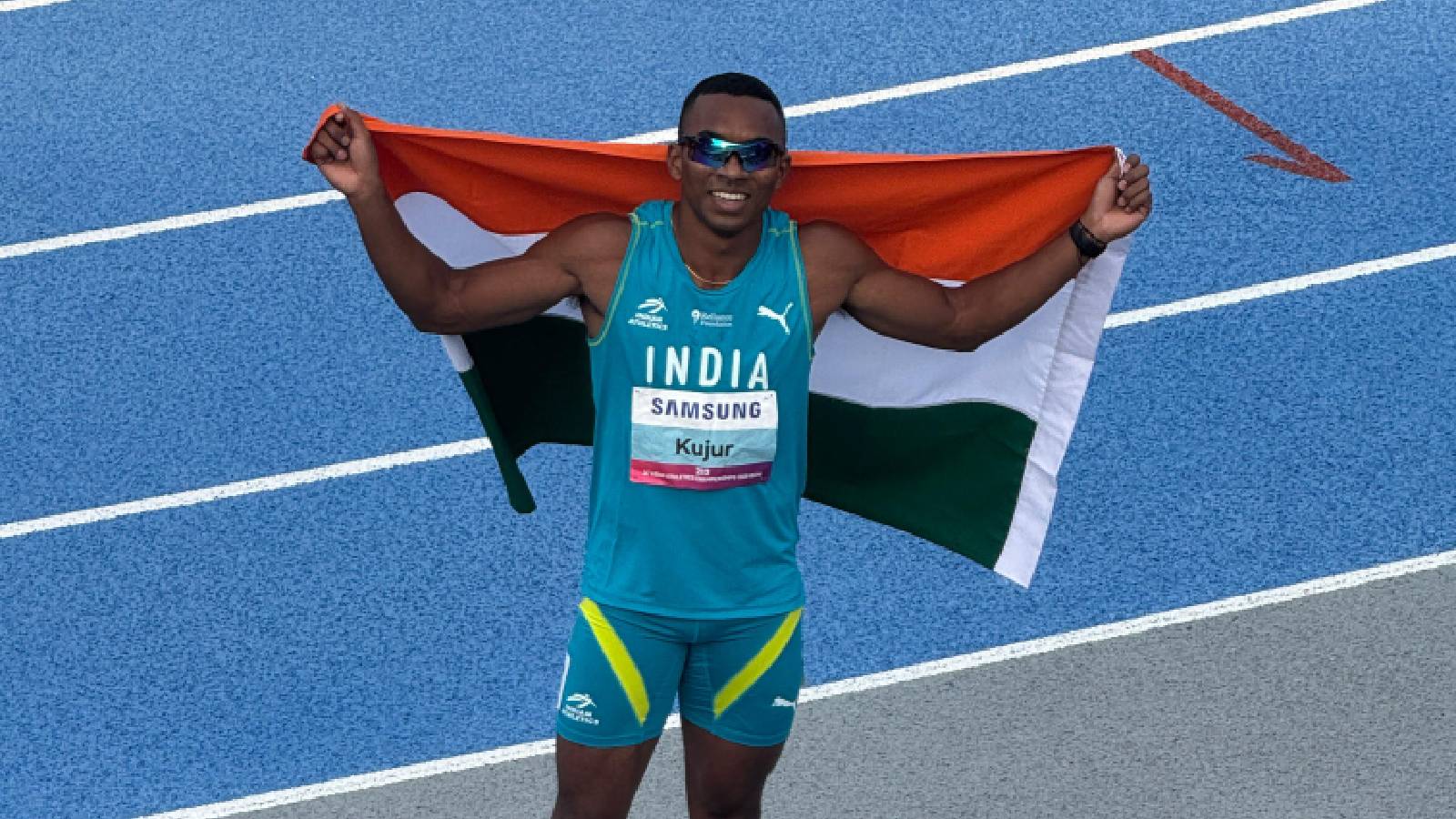
India’s relay teams had a tough start on Day 1 of the World Athletics Relays 2026 in Gaborone, Botswana, as none of the five teams could reach the finals on Saturday.
However, all teams will get another chance on Sunday. They will compete again for a few remaining spots to qualify for the 2027 World Athletics Championships.
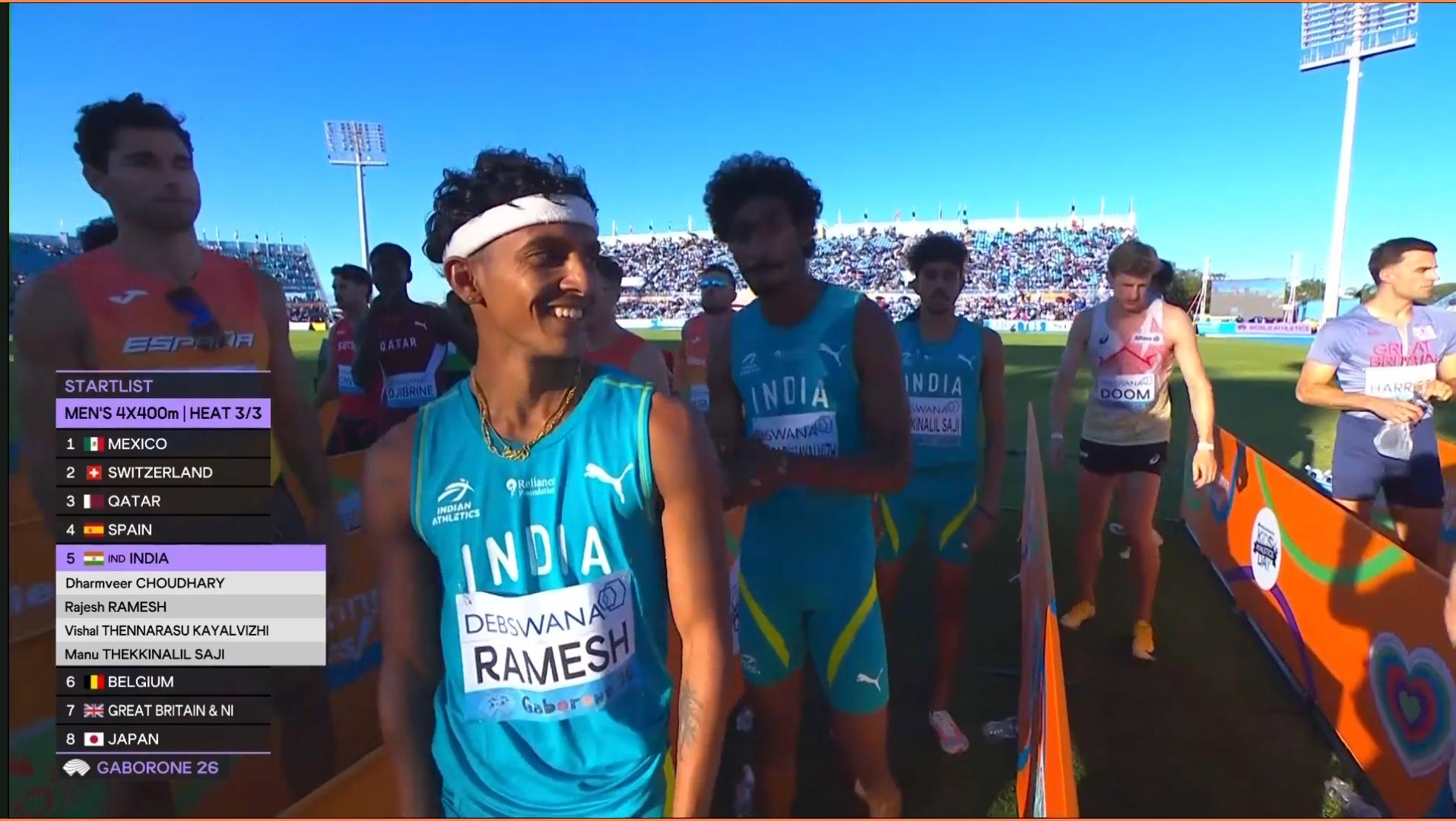
The men’s 4x400m team Dharmveer Choudhary, Rajesh Ramesh, Vishal TK, and Manu TS gave a strong performance. They finished fourth in their heat with a time of 3:00.32 (Season Best).
Rajesh Ramesh, who ran the second leg, even took the lead for a short time. Vishal TK, running the third leg, stayed close with the top teams. But in the end
Manu TS couldn’t maintain the pace, India finished behind Belgium, Qatar, and Spain, placing 12th overall and missing out on the final.
In this event, only the top teams from each heat and the next fastest teams move to the final and directly qualify for the 2027 World Championships.
The other teams, including India, will race again on Day 2. This time, only the top two teams from each heat will qualify.
Earlier, the mixed 4x100m relay team S. Tamilarasu, Nithya Gandhe, Animesh Kujur, and SS Sneha could not finish their race. The baton slipped from Kujur’s hand during the exchange.
The mixed 4x400m team Theerthesh Shetty, Ansa Babu, Amoj Jacob, and Rashdeep Kaur finished sixth in their heat with a time of 3:16.00.
In the women’s 4x100m relay, Tamanna, Nithya Gandhe, Sudeshna Shivankar, and SS Sneha finished fifth with a time of 43.97 seconds.
The men’s 4x100m team Harsh Raut, Ragul Kumar, Animesh Kujur, and Gurindervir Singh, finished last in their heat, clocking 39.07 seconds.
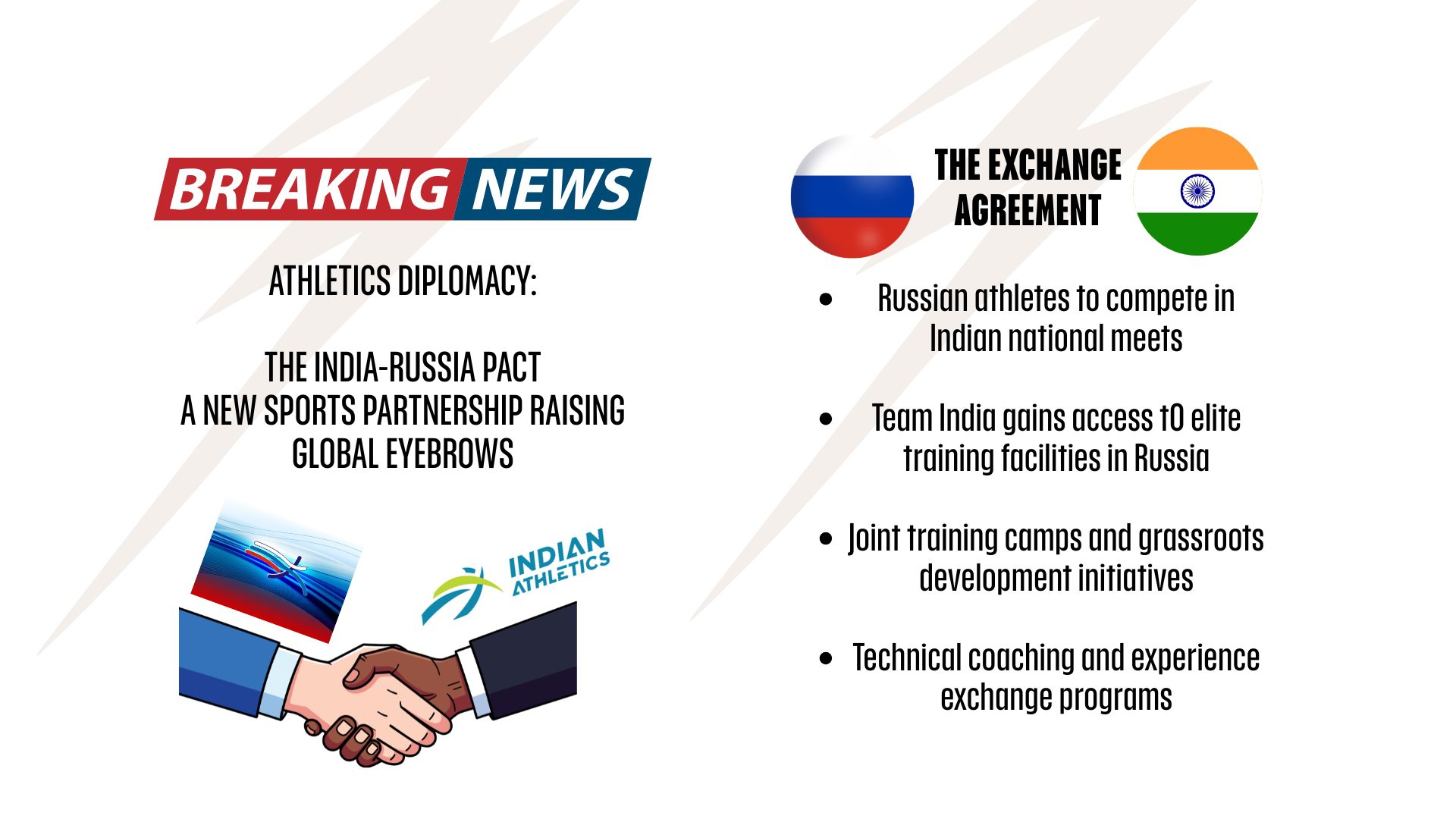
Despite Russia’s continued exclusion from many global sports platforms due to geopolitical sanctions, the AFI is opening doors for Russian athletes to compete in Indian national events. In exchange, Indian athletes will gain access to training facilities in Russia—a move that prioritizes performance gains over the prevailing diplomatic trend of isolation.
While the official line focuses on “exchanging experience,” the decision to bypass international norms remains under-explained. Ostensibly, R
With top AFI and Russian officials finalizing the pact in private talks, observers are left to wonder whether this is a strategic play for technical dominance or a calculated geopolitical statement in the world of sports.
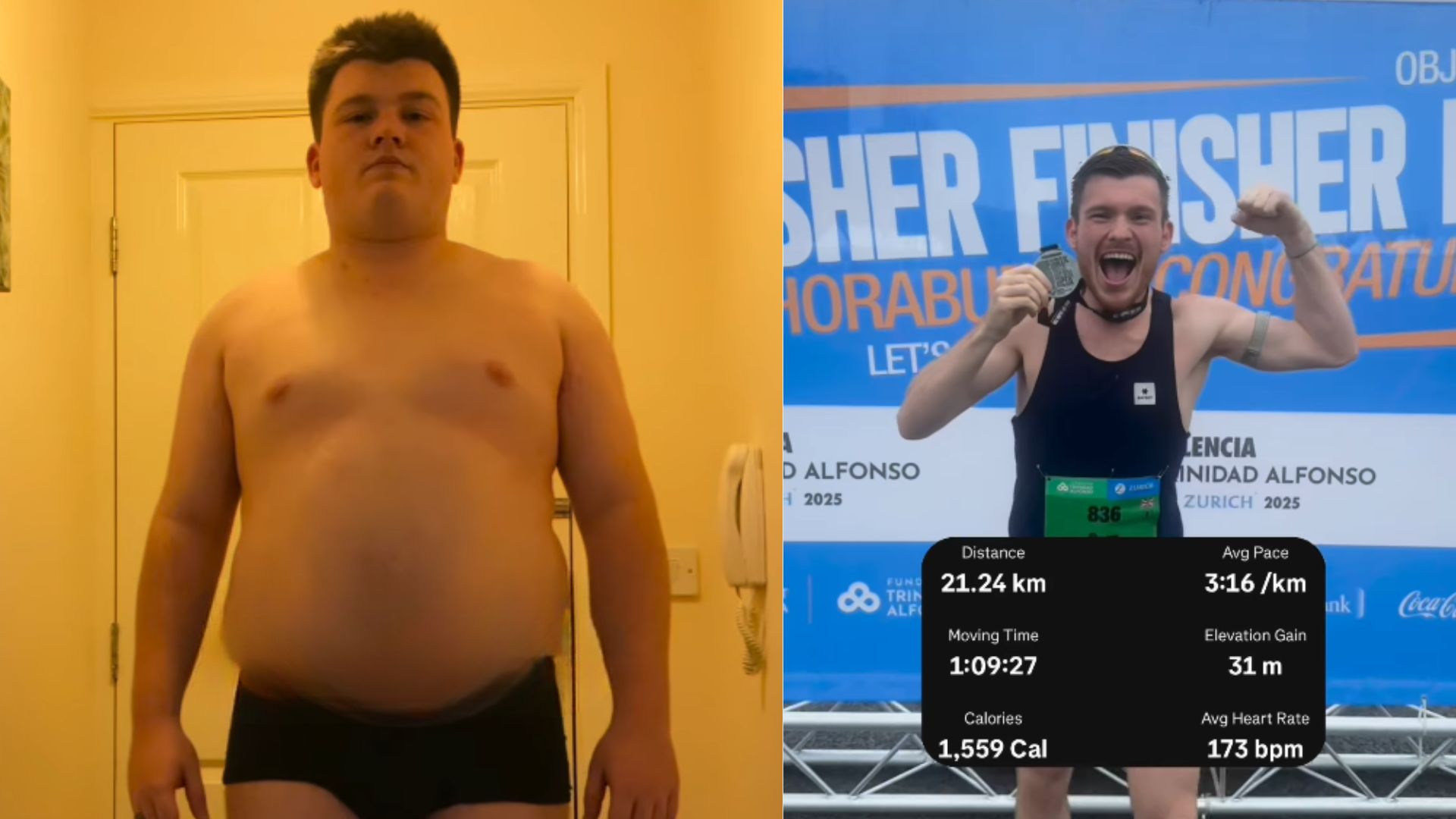
“Three years ago, I would never have believed that this life was possible.”
These are the words of Welsh athlete Sam Griffiths, the man behind one of the most staggering transformations in modern distance running. Standing on the finish line of the 2026 London Marathon this past Sunday, Griffiths didn’t just look like a different runner; he looked like a different human being.
The Weight of the Past
In 2023, Griffiths weighed 125 kg. At his heaviest, even short distances felt like an insurmountable challenge. His journey didn’t begin with a high-performance coach or a specialized camp; it started with a humble 5-kilometer walk-run to his parents’ house. Since then, he has shed 50 kg and evolved from a struggling beginner into an elite competitor.
A Masterclass in Progression
While Griffiths possessed a background in athletics—having clocked a 30:07 10km in his youth—his return to form has been nothing short of meteoric. Over the last twelve months, he has sliced more than 27 minutes off his marathon personal best through a series of world-class performances:
| Race | Date | Time |
| London Marathon | April 2025 | 2:50:37 |
| Berlin Marathon | Sept 2025 | 2:37:59 |
| Valencia Marathon | Dec 2025 | 2:29:33 |
| London Marathon | April 2026 | 2:23:02 |
The London Redemption
Returning to London this year was a mission of redemption. After “hitting the wall” during his 2025 debut, Griffiths dismantled the course this Sunday. Finishing in 43rd place overall, he maintained a blistering average pace of 3:23/km with a sustained average heart rate of 168 bpm.
For Griffiths, the clock is secondary to the message. “It’s not just about time,” he reflects. “It’s about demonstrating what you can achieve when you decide not to give up.” His story serves as a powerful reminder that while the numbers on a stopwatch are impressive, the mental shift required to change one’s life is the true victory.
India’s ambition to host the Asian Games in 2038 has received a significant push, with the Olympic Council of Asia backing Ahmedabad as the proposed host city.
On paper, it’s a big moment. India has long signalled its intent to bring a major multi-sport event back to the country, and a successful Asian Games bid could be a stepping stone toward an even larger ambition—the Olympics.
But the announcement also brings a more uncomfortable question into focus.
Is India ready?
Hosting an event of this scale is not just about infrastructure or intent. It’s about systems—governance, athlete support, anti-doping controls, and the ability to deliver consistently at an international standard. And on those fronts, India still has gaps to address.
From recurring concerns around athlete facilities to the growing scrutiny over doping, the ecosystem remains uneven. Even domestic competitions often struggle with basics—timing systems, logistics, and athlete welfare.
An Asian Games bid, especially one backed at the continental level, raises expectations. It demands not just world-class venues, but a world-class sporting culture.
Ahmedabad may well emerge as a strong host city. But for India, the real work lies beyond the bid.
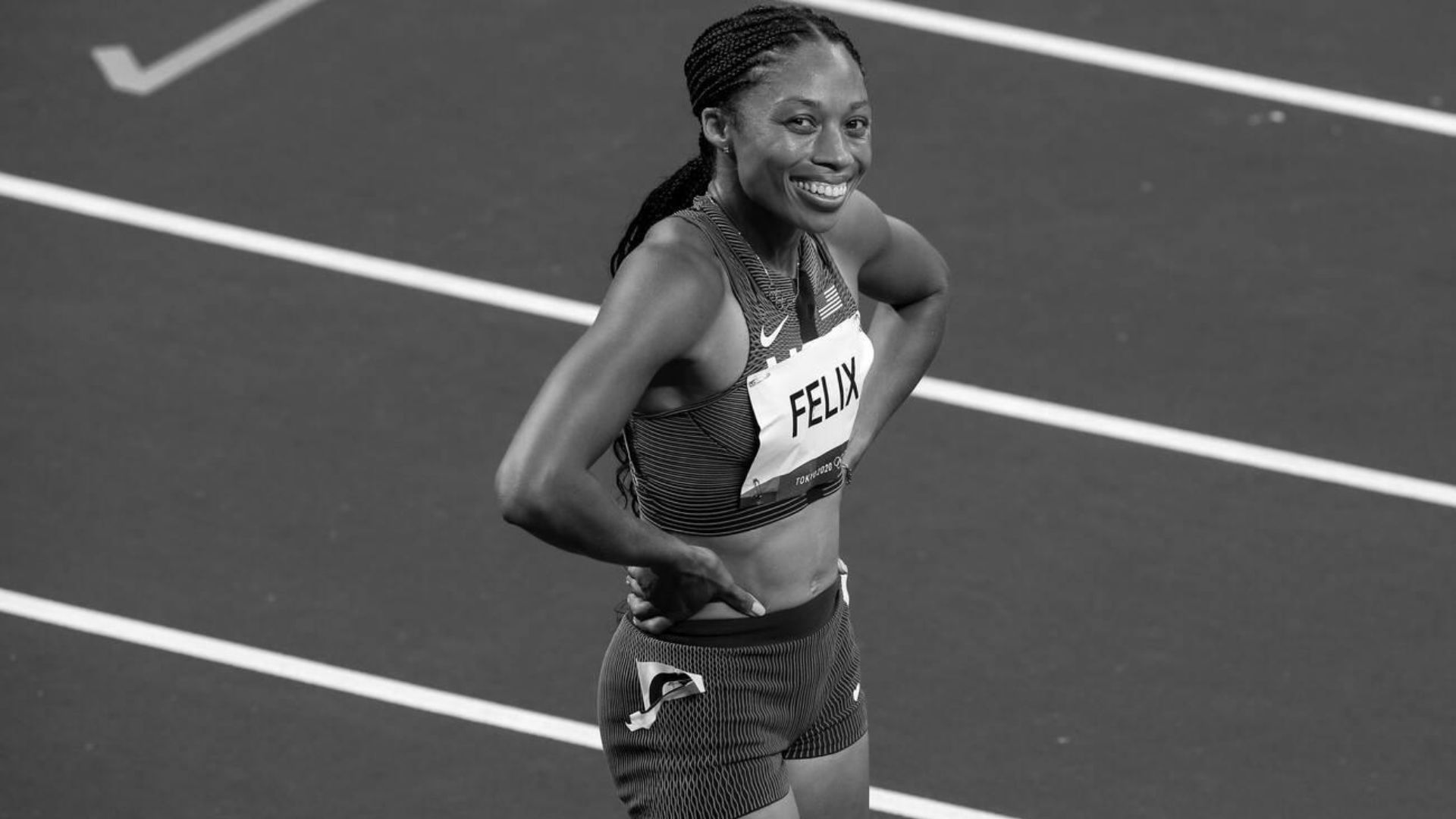
In a move that has already stirred the athletics world, Allyson Felix—the most decorated female track and field athlete in Olympic history—has announced that she is coming out of retirement with one goal in mind: the 2028 Los Angeles Olympics.
At 42, Felix isn’t chasing nostalgia. She’s chasing qualification.
Her target is clear—earn a place at the U.S. Olympic Trials and fight for a spot in the relay pool. It’s a bold ambition for any athlete, let alone one who stepped away from competition after the World Athletics Championships 2022.
Media reports suggest Felix first floated the idea last June in a formal presentation to her brother and business partner Wes. The title captured the ambition perfectly: “Project Six.” A reference to what would be her sixth Olympic Games—a milestone that would extend one of the most remarkable careers in sport.
Preparation will be meticulous. A full training programme is set to begin in October under longtime coach Bobby Kersee, the man who guided her through multiple Olympic cycles. The timeline is deliberate, with Felix aiming to return to competition in 2027.
Felix has made it clear she does not intend to return to the grind of the global circuit. Instead, she plans a selective schedule—one that allows her to stay close to her two children while still pursuing excellence on the track.
At 42, Allyson Felix is redefining what a comeback can look like—not as a farewell tour, but as a bold attempt to compete, once again, at the very highest level.
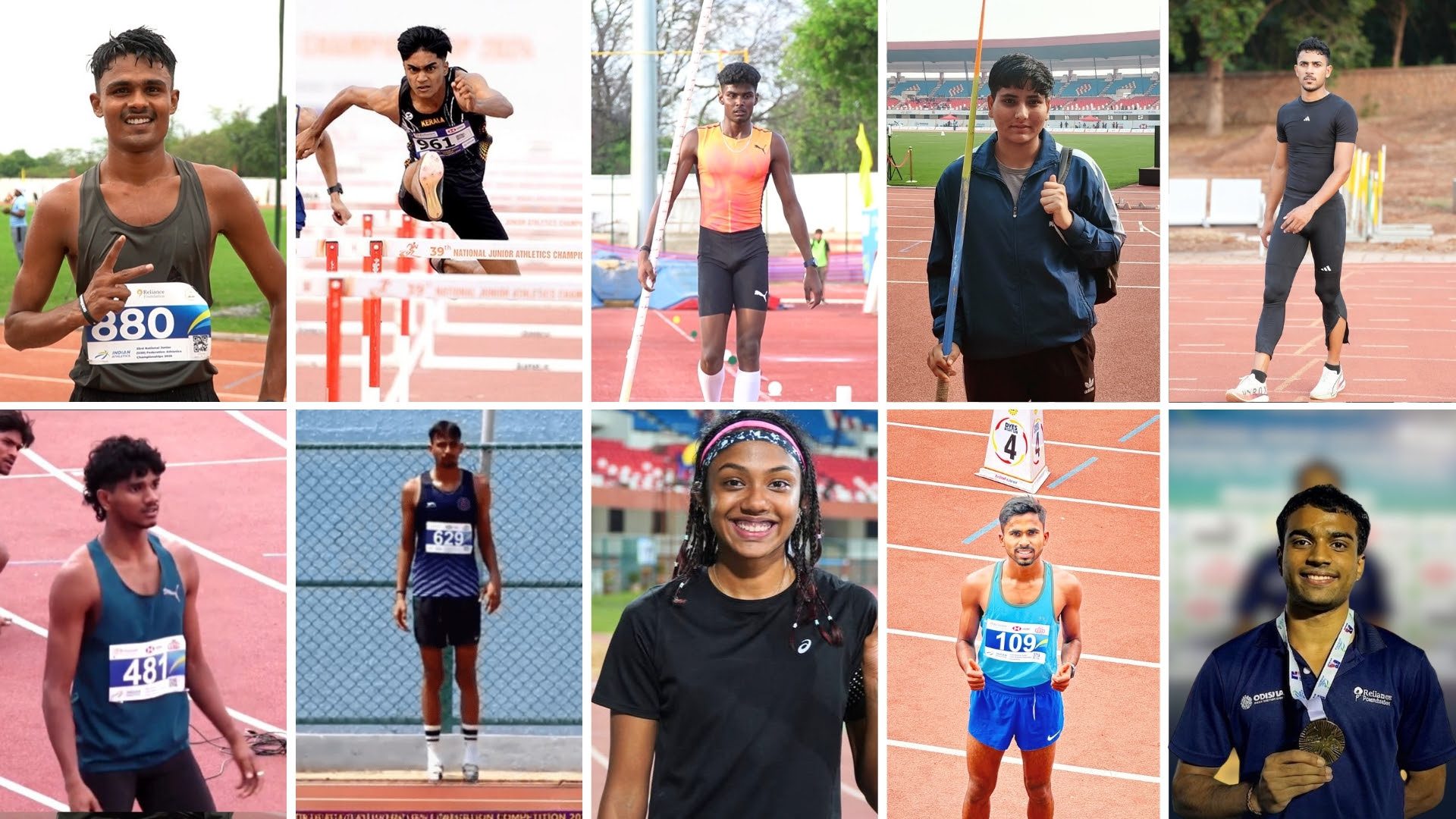
The 24th National Junior U20 Athletics Federation Cup 2026 concluded at the Mahatma Gandhi Athletics Stadium, Tumkur, Karnataka.
The three-day event saw some of the best-ever results from India’s young army. The meet was supposed to act as the final qualifier for both the Asian and World U20 Athletics Championships, but the national federation uploaded a circular on their website on Day 1 stating that only racewalking, decathlon, and heptathlon athletes can qualify for Worlds from here, while others will have to compete at Indian Series–9 & 10 for World qualification.
1. Events — 1500m, 3000m, 5000m, 3000m SC, Shot Put, Discus Throw, Hammer Throw, and Javelin Throw — will be conducted at Indian Athletics Series–9 in Ludhiana on 13th June 2026.
2. Events — 100m, 200m, 400m, 800m, 110mH/100mH, 400mH, High Jump, Pole Vault, Long Jump, Triple Jump — will be held at Indian Athletics Series–10 in Trivandrum on 14th June 2026.
Making it just a qualification event for the Asian Championships, here are some of the performances that stunned the field and made global waves:
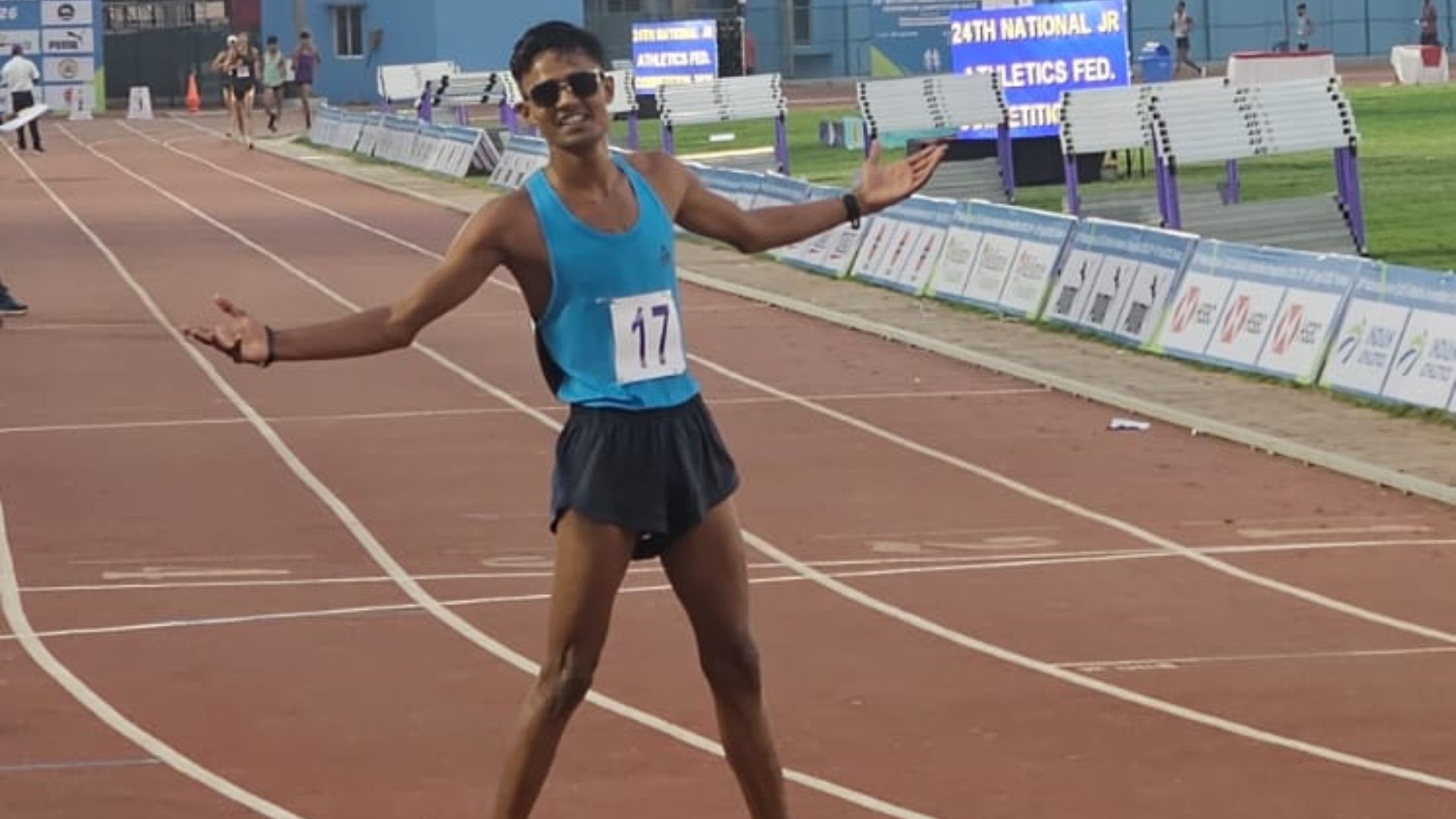
1. Nitin Gupta shattered the Asian record, clocking the world’s 2nd-best time. The Uttar Pradesh athlete won gold in the U20 5km race walk with 18:54.37, breaking his own national record and becoming the first Asian to go sub-19. He also breached both Asian and World U20 qualification standards.
2. Kiran K continued his rise, with the U18 national record holder clocking 13.66s in the 110m hurdles semifinals to break the U20 national record, surpassing Tejas Shirse’s 13.74s (2021) and breaching the Asian standard.
3. Mohammed Ashfaq justified the hype with a sensational 46.05s in the 400m, breaking the U20 national record. The 18-year-old’s run is an Asian lead, India’s 7th fastest this season, and 20th all-time.
4. Kavinraja S defended his dominance in pole vault, clearing 5.12m to break his own meet record. He attempted 5.21m (U20 NR) but narrowly missed. Despite clearing qualification marks, he is ineligible due to age criteria (born in 2006).
5. Shahnavaz produced a massive 8.23m jump in long jump, breaking Murali Sreeshankar’s U20 NR (8.20m). It is India’s best jump this season, an Asian lead, and ranks 2nd in the world (U20).
6. Basant cleared 2.21m in high jump, breaking an 11-year-old meet record and improving his PB from 2.14m. The mark ranks 2nd in Asia and 5th in the world (U20).
7. Sadhana Ravi broke a 17-year-old meet record in women’s triple jump with 12.97m, breaching the Asian standard. Her season best of 13.08m ranks 2nd in Asia and 15th globally (U20).
8. Poonam delivered a standout performance in javelin, throwing 51.64m on her first attempt to break the meet record, achieve a PB, and breach the Asian standard.
9. Mogali Venkatram clocked 1:49.02s in the 800m to break a 4-year-old meet record, register an Asian lead, and secure qualification. It was his second consecutive PB this season.
10. Abhay Singh stormed to a 20.82s finish in the 200m, breaking the U20 national record and ranking 2nd in Asia. Despite breaching both Asian and World standards, he is ineligible due to the age criteria (born in 2006).
At the U-20 Federation Cup in Tumkur, Karnataka, Nitin Gupta delivered a performance that will be remembered for years. Clocking 18:54.37 in the U-20 5km race walk, the youngster from Uttar Pradesh not only won gold but also made history—becoming the first Asian ever to break the 19-minute barrier in the event. In the process, he set a new Asian record while improving his own national mark.
Speaking to NNIS Sports after the race, Nitin revealed that his preparation had been far from ideal. Just a day before the event, he was struggling with leg pain and uncertainty.
“I was worried the pain might return during the race,” he said.
Despite that, he stepped onto the track with a clear plan—to take control early and push for qualification. As the race unfolded, his body held up, and his confidence grew. By the final kilometre, the focus had shifted.
“I needed to push my pace from 3:45 to 3:40. Because even hearing ‘18’ sounds good,” he said, summing up the mindset of an athlete chasing something bigger than just a win.
Earlier this year, Nitin clocked 41:44 in the 10km race walk in Chandigarh, continuing his steady rise. In 2025, he had already announced himself by breaking the 40-minute barrier in the 10km event (39:46.78), setting a national record that underlined his potential.
At the Asian U-18 Championships, he missed out on gold by just 0.01 seconds—a loss that still lingers.
“For me, the biggest moment is hearing the national anthem,” he said. “0.01 second pain still drives me. I want to achieve at the Asian U-20 Championships what I missed there.”
With his latest performance, Nitin has qualified for both the Asian U-20 Championships and the World U-20 Championships. But for him, qualification is not the goal—it’s just the starting point.
“Performing like this only in domestic competitions is not enough,” he said. “I want to do it at the international level with good technique.”
That ambition may be the most telling part of his journey.