
Krishik M Finishes Third at Saudi Grand Prix 202
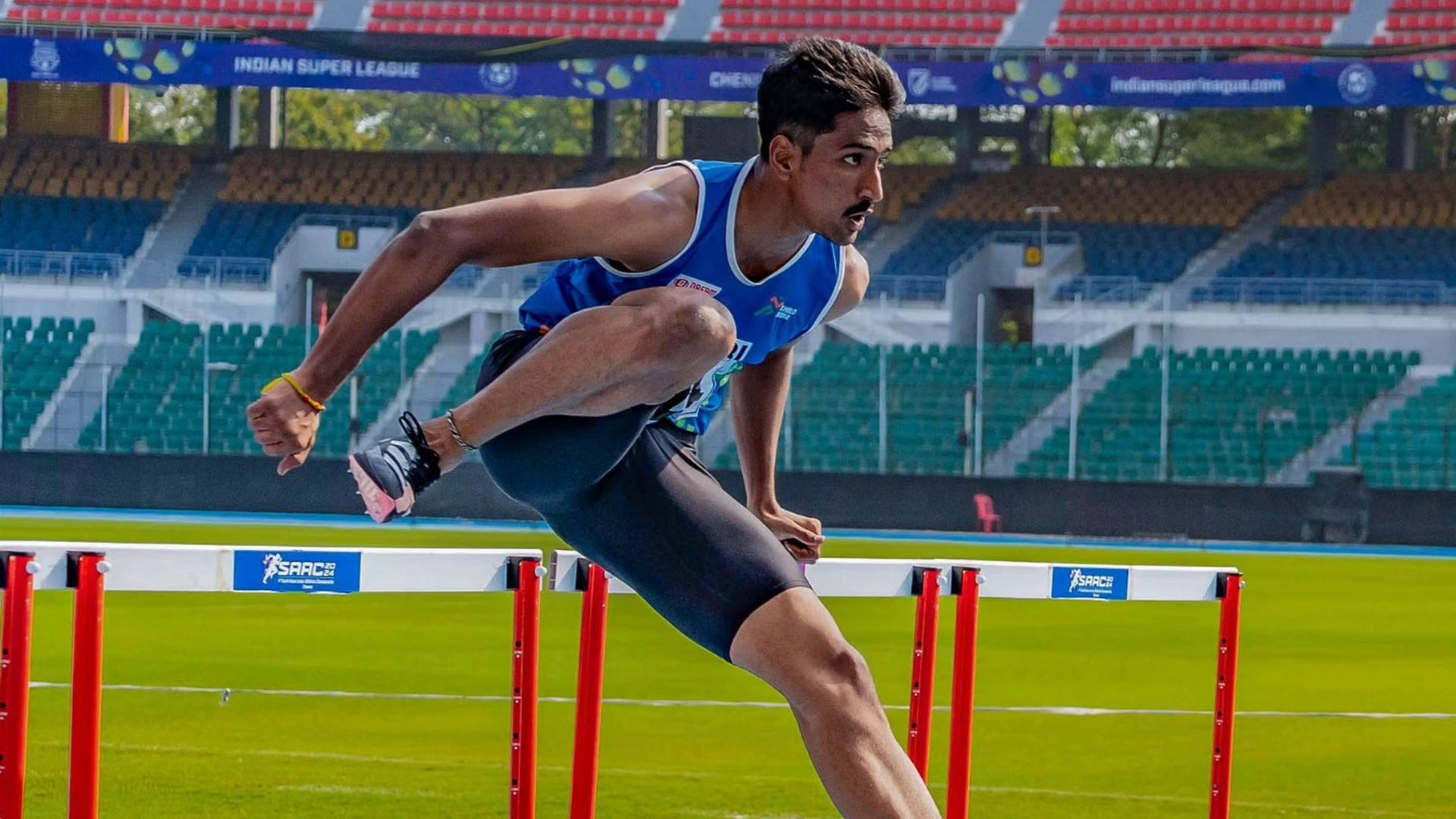
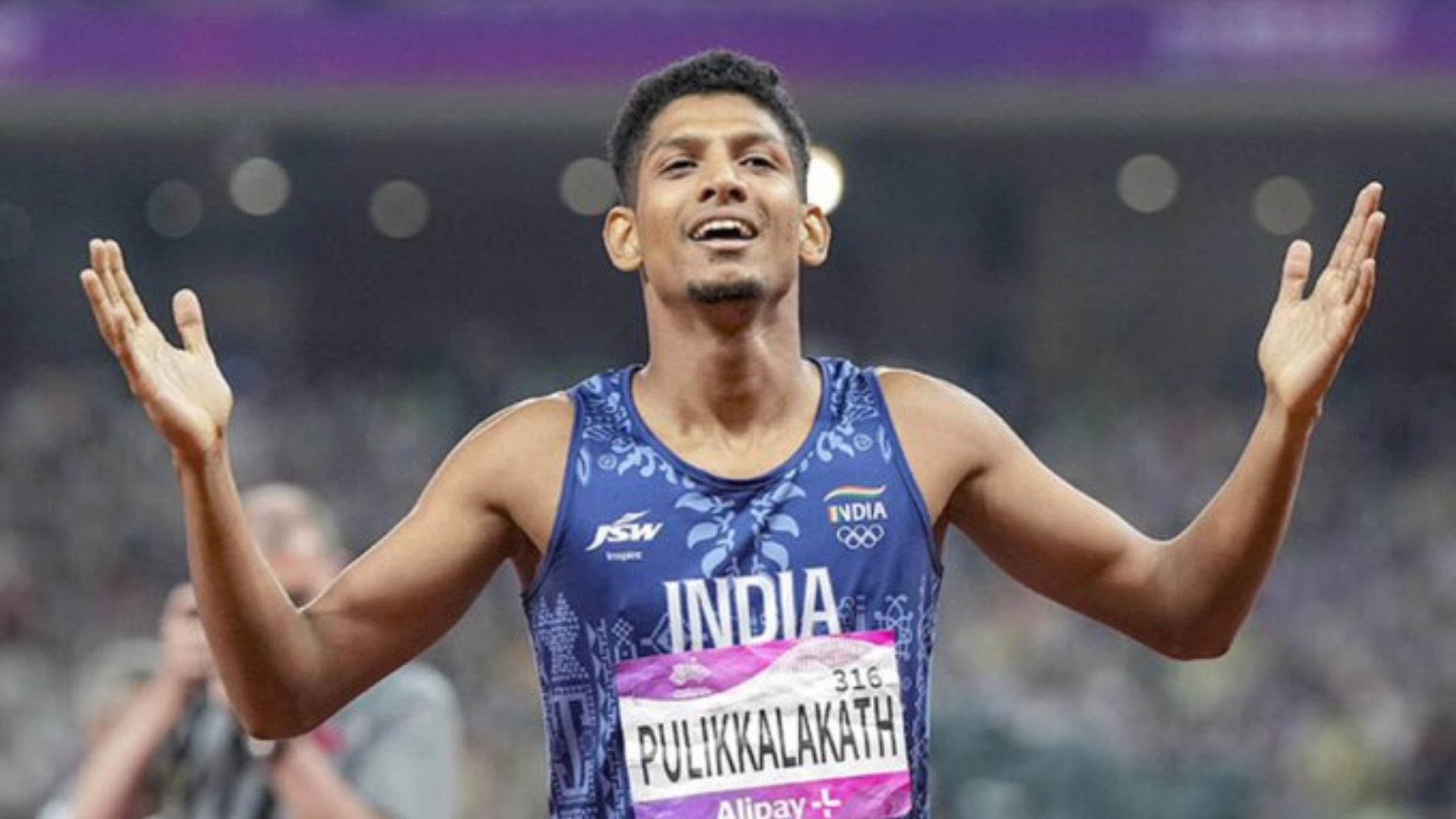
India’s rising sprint hurdler Krishik M delivered another encouraging performance on the international stage, finishing third in the men’s 110m hurdles at the Saudi Grand Prix 2026 on Saturday.
Competing against a strong field, Krishik clocked 13.90 seconds despite battling a significant headwind of -2.9 m/s, making it a solid effort in challenging conditions. Cuba’s Kendry Menendez won the race in 13.26s, while the Netherlands’ Job Geerds secured second place with 13.83s.
The performance marked Krishik’s first international competition and continued the momentum from what has been a breakthrough season for the young Indian hurdler. In his previous outing, Krishik had stunned the domestic circuit by registering a massive personal best of 13.44s, a timing that elevated him to the position of India’s second-fastest men’s 110m hurdler of all time.
The result also highlighted his growing consistency and ability to compete alongside experienced international athletes. Hurdling remains one of India’s developing sprint disciplines, and Krishik’s rapid progress has generated excitement about the future of the event in the country.
Known for his quick reaction off the blocks and aggressive hurdle clearance, the youngster has emerged as one of the most promising names in Indian athletics this season. His recent performances have also strengthened hopes of India fielding stronger contenders in sprint hurdles at major Asian competitions in the coming years.
While the timing in Saudi Arabia may not reflect his full potential due to the heavy headwind, the race provided valuable international exposure and experience. For a hurdler still early in his elite journey, finishing on the podium in his first overseas meet represents another significant step forward in what is shaping up to be a breakthrough year.
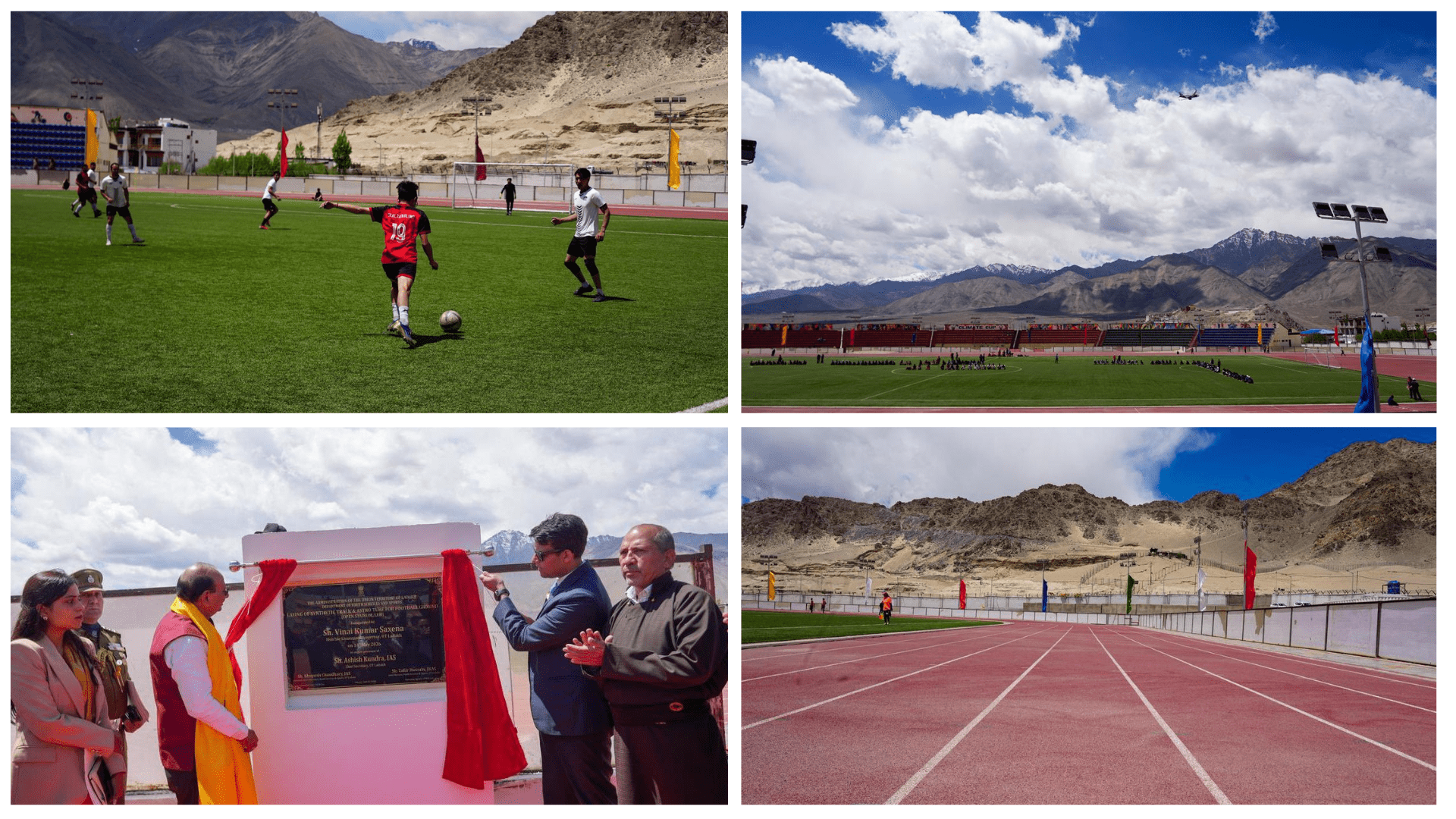
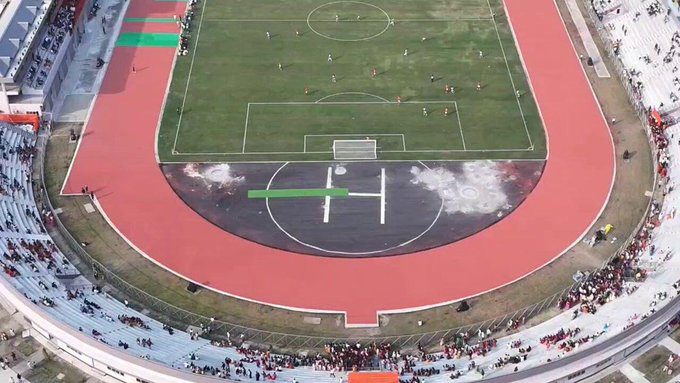
Leh added a significant new piece to India’s growing sports infrastructure network this week with the inauguration of the country’s highest Astro Turf football ground and synthetic athletics track.
Lieutenant Governor Vinai Kumar Saxena inaugurated the facilities at the Open Stadium in Leh, located at an altitude of nearly 11,500 feet. The project includes an eight-lane synthetic athletics track, Astro Turf football ground, VIP stand and other supporting infrastructure for athletes and spectators.
The facility has been developed under the Khelo India scheme and the Special Development Package and is expected to support football and track and field activities in the region.
For Indian athletics, the synthetic track could hold particular importance given Leh’s natural high-altitude conditions. Altitude training has long been used by endurance athletes globally, and the region could gradually emerge as an option for training camps and conditioning programmes.
The stadium complex also includes long jump pits, volleyball and handball courts, spectator galleries and athlete accommodation facilities.
The project was sanctioned several years ago under Khelo India, with construction and upgrades carried out in phases. Officials said the infrastructure has been designed keeping Ladakh’s weather conditions in mind, allowing for wider sporting use during the accessible months of the year.
An exhibition football match and relay events were organised as part of the inauguration ceremony.
While infrastructure alone does not automatically translate into sporting success, the development is another sign of sports facilities gradually expanding beyond India’s traditional urban centres. For a region like Ladakh, where access and climate remain major challenges, the creation of a full-fledged synthetic athletics and football facility is a notable step forward.
The prestigious Diamond League circuit will begin on 16th May in Shanghai, featuring global stars like Andreas Almgren, Letsile Tebogo, Karsten Warholm, Mondo Duplantis and Faith Kipyegon, among others.
So far, only two Indian athletes have made it to the entry lists across the 2026 Diamond League season — one for the Shanghai leg and another for the Rome leg.
At Shanghai, India’s 3000m steeplechase national record holder Parul Chaudhary is finally set to open her 2026 season at the Shanghai Diamond League on May 16, 2026. She last competed at the 2025 World Championships, where she finished ninth in her respective heat and missed out on qualification for the final.
Meanwhile, at the Rome leg on June 4, 2026, World Championships finalist Sachin Yadav is set to make his Diamond League debut, with his name featuring in the entry list for the Rome Diamond League. He will compete in a strong men’s javelin field alongside Rumesh Tharanga Pathirage, Jakub Vadlejch, Anderson Peters and Curtis Thompson among others. Notably, there is currently no entry for Neeraj Chopra in the Rome leg.
India’s biggest athletics star, Neeraj Chopra, is still missing from the entry lists, with the latest update suggesting that his request for a 47-day off-season training camp in Switzerland may be the reason behind his absence.
Parul will face a stacked field in Shanghai, including 2021 Olympic champion and 2024 Diamond League champion Peruth Chemutai, who is also the fastest athlete in the field, along with reigning world and Diamond League champion Faith Cherotich and several other prominent names.
Parul’s event is scheduled for 16:53 IST, with the livestream available in India on the Diamond League YouTube channel.
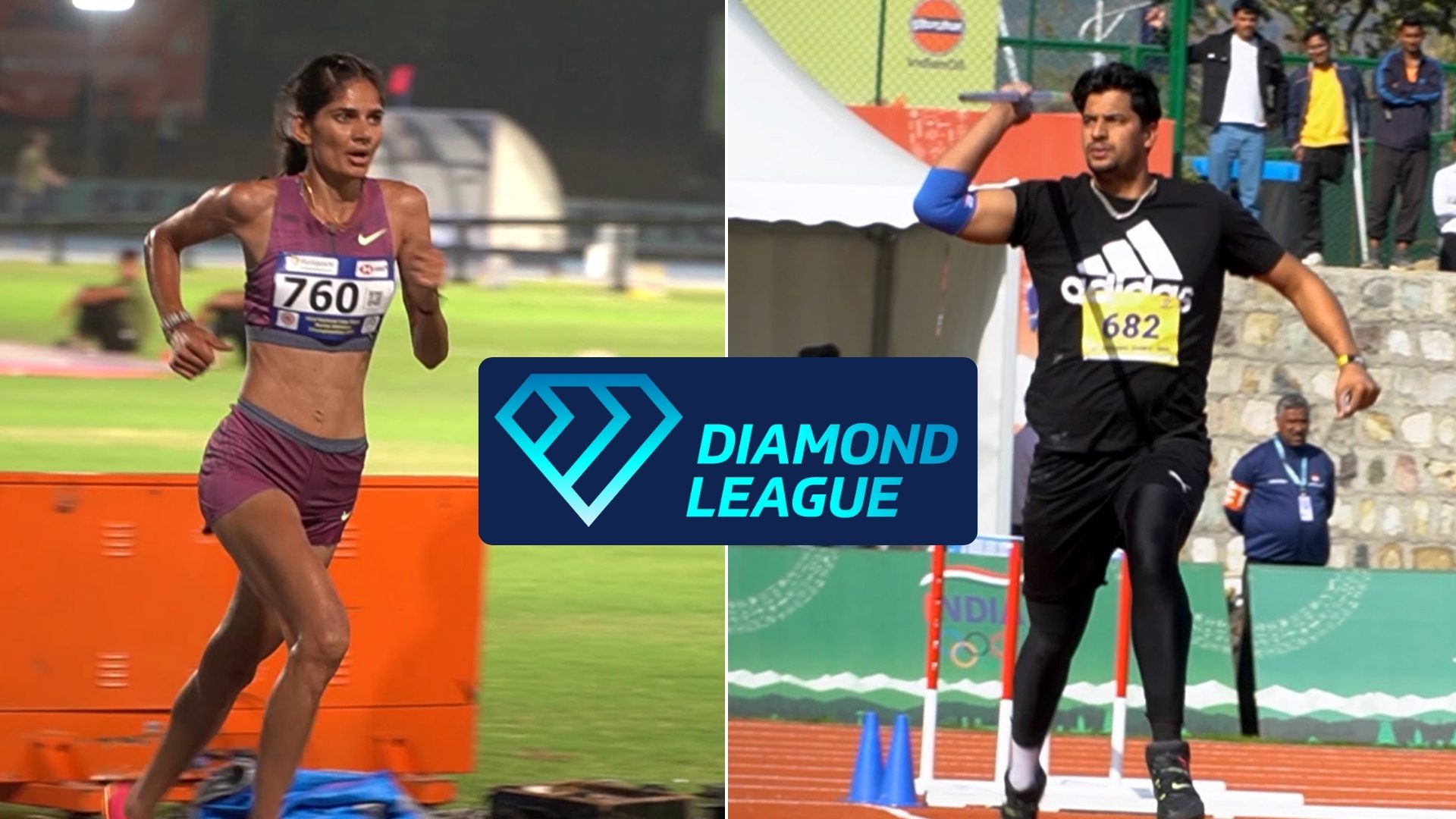
The Diamond League season starts tomorrow, and here’s everything you should know about the prestigious athletics circuit.
What is the Diamond League?
The Diamond League is a series of 15 elite athletics meets held across 13 countries and four continents — Europe, Asia, Africa, and North America. This year’s season runs from May through September.
The first leg of the tournament begins tomorrow, May 16, in China’s largest city, Shanghai.
What events are contested?
There are 32 different disciplines (16 for men and 16 for women) contested throughout the season, with each discipline held seven times across 14 meets.
Here is the full list of events included this season:
100m
200m
400m
800m
1,500m
3,000m / 5,000m
110m hurdles (men), 100m hurdles (women)
400m hurdles
3,000m steeplechase
High jump
Pole vault
Long jump
Triple jump
Discus
Shot put
Javelin
Athletes compete for two things at each event: prize money and points.
Points are awarded based on finishing position, and athletes who accumulate enough points qualify for the two-day Diamond League Final — the 15th and final meet of the season. Along with bigger prize money, athletes also compete for the title of Diamond League champion.
How are points awarded?
When an athlete competes at a Diamond League meet, points are awarded according to their finishing position:
1st place: 8 points
2nd place: 7 points
3rd place: 6 points
4th place: 5 points
5th place: 4 points
6th place: 3 points
7th place: 2 points
8th place: 1 point
Athletes aim to collect enough points to qualify for the Diamond League Final and compete for the overall season title.
Qualification spots for the final vary by discipline:
For 100m to 800m events, the top eight-point scorers qualify
For 1,500m and long-distance events, the top 10 qualify
For field events, the top six qualify
Prize money
The Diamond League will offer a total prize purse of $9.24 million USD this season.
Prize money is entirely gender-equal, with identical payouts for men’s and women’s events across all disciplines.
Diamond League series meeting prize money
1st place: $10,000
2nd place: $6,000
3rd place: $4,000
4th place: $3,000
5th place: $2,500
6th place: $2,000
7th place: $1,500
8th place: $1,000
Diamond League Final prize money
1st place: $30,000
2nd place: $12,000
3rd place: $7,000
4th place: $4,000
5th place: $2,500
6th place: $2,000
7th place: $1,500
8th place: $1,000

India’s 800m national record holder Mohammed Afsal will compete at the Saudi Athletics Grand Prix on May 15-16, 2026, in Riyadh, Saudi Arabia – a World Athletics Continental Tour Bronze meet.
Last season, Afsal broke India’s 800m national record twice, eventually registering a lifetime best of 1:44.93s and becoming the first and only Indian athlete to go sub-1:45 in the event.
This season, he has already started strongly by breaking India’s 800m short track record with 1:47.86.
The newly built Nalbari Athletics Stadium in Sorihatali, Nalbari, Assam, will host its first-ever national athletics competition, Indian Series-7 on June 6, 2026.
The single-day meet will feature around 12 events across both the men’s and women’s categories, with a total of 54 finals scheduled for the same day.
“The meet being an inaugural meet will enable the athletes from the interior areas of Assam State to promote athletics,” stated the circular issued by the Athletics Federation of India.
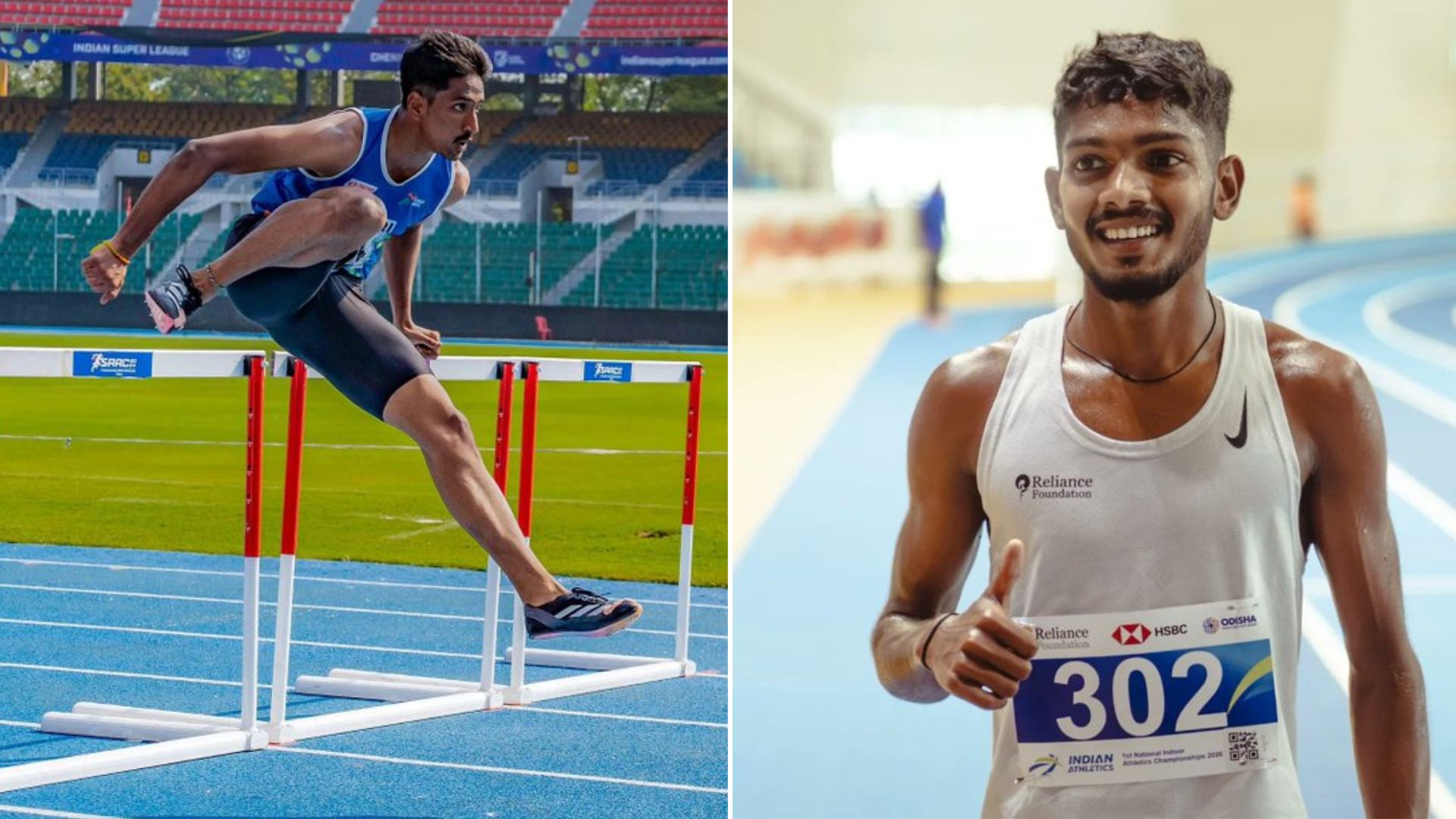
Indian athletics will have strong representation at the Saudi Athletics Grand Prix, with rising stars Krishik M and Shivaji M set to compete at the World Athletics Continental Tour Bronze meet in Riyadh on May 15-16, 2026.
Krishik heads into the competition in the form of his life after producing a sensational performance in his last outing. The hurdler clocked a massive personal best of 13.44 seconds in the men’s 110m hurdles, making him India’s second-fastest athlete ever in the event. The timing marked a major breakthrough for the young sprinter-hurdler and underlined his growing consistency at the national and international level.
With the Asian season gathering momentum, the Riyadh meet offers Krishik another valuable opportunity to test himself against a quality international field and continue his push towards the top of the Asian rankings.
Joining him in Saudi Arabia will be distance runner Shivaji M, who will compete in the men’s 3000m event. Shivaji has steadily built an impressive résumé over the last few seasons. Earlier this year, he won the 2026 national indoor title over 3000m and remains one of India’s most promising endurance athletes.
The 2023 Asian U20 Championships bronze medallist in the 5000m will now look to carry that momentum onto the continental circuit. Competing in Riyadh could provide both athletes crucial exposure and ranking points as they prepare for a busy international season ahead.
India’s men’s 4x100m relay team is set to return to international competition at the Saudi Athletics Grand Prix, scheduled for May 15-16, 2026, at Princess Nourah University in Riyadh, Saudi Arabia. The meet is part of the World Athletics Continental Tour Bronze circuit and is expected to attract a competitive field from across Asia and beyond.
The event will mark the Indian relay squad’s first appearance since the disappointing outing at the World Athletics Relays, where the team was disqualified under Technical Rule 24.7 after passing the baton outside the takeover zone. The error ended India’s campaign abruptly despite the team showing promising pace in the buildup to the competition.
The Riyadh meet now presents an important opportunity for the squad to regain rhythm and confidence ahead of a packed international season.
Among the athletes travelling to Saudi Arabia are Gurindervir Singh, Pranav Gurav and Harsh, all of whom will also line up in the men’s 100m individual event. The trio has been part of India’s emerging sprint setup and will be aiming to deliver strong performances against international opposition.
India’s fastest man, Animesh Kujur, is also set to compete and is entered in both the men’s 100m and 200m races.
The meet could prove significant for the Indian sprinters not only in terms of race exposure but also for valuable ranking points and relay preparation. With major continental and global events approaching later in the year, consistent international competition has become increasingly important for Indian athletics.
For the relay team especially, Riyadh offers a chance to move past the disappointment of the World Relays and focus on sharpening baton exchanges and race execution under competition conditions.
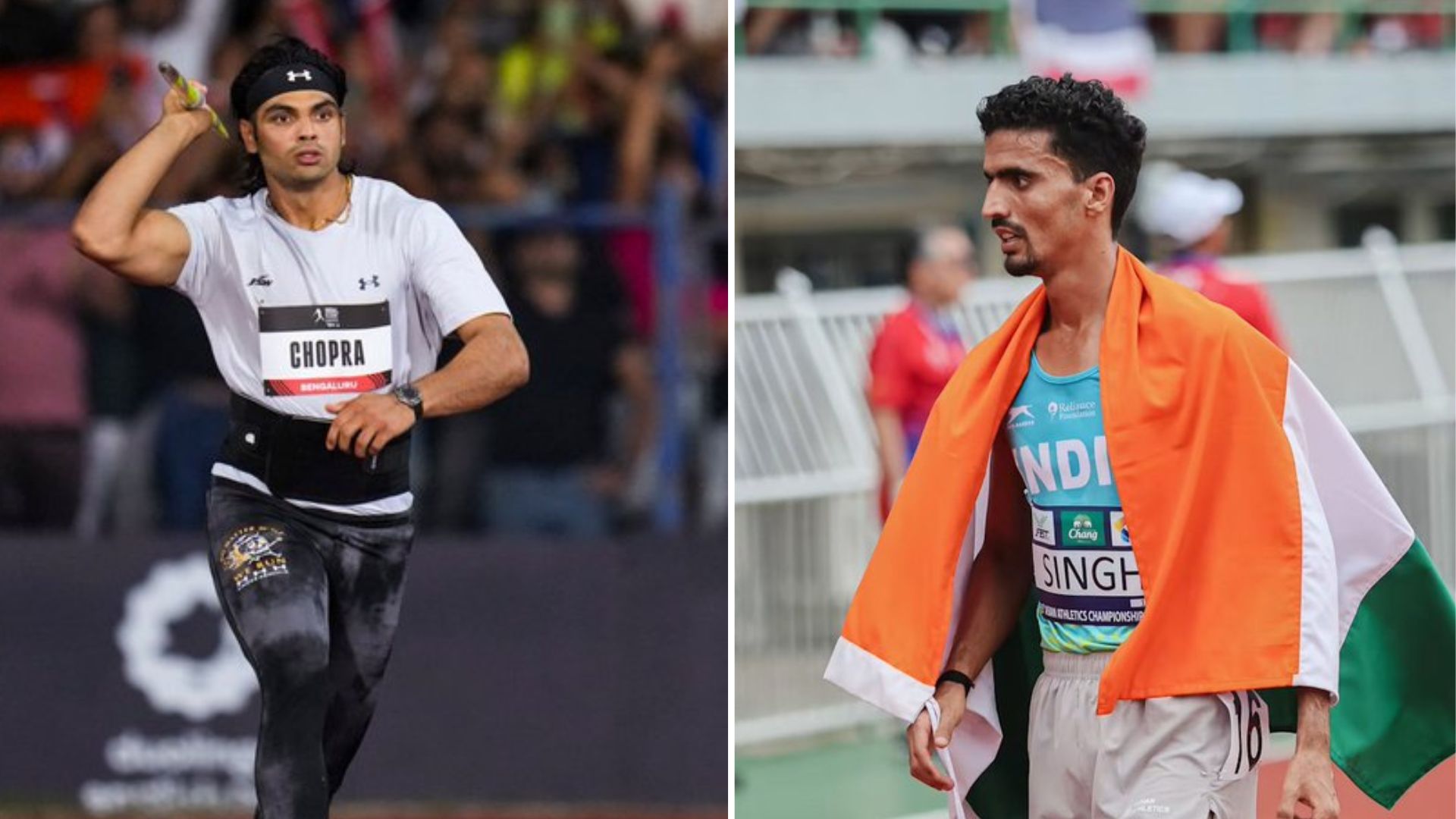
The Mission Olympic Cell (MOC) has approved overseas training proposals for two of India’s top track and field athletes — double Olympic medallist Neeraj Chopra and long-distance runner Gulveer Singh — ahead of the 2026 Commonwealth Games and Asian Games.
Neeraj Chopra has received clearance for a 47-day off-season training camp in Switzerland, while Gulveer Singh’s proposal for training and competition exposure in the United States from May 15 to June 17 has also been approved. Gulveer will travel along with his coach as part of the programme.
The approvals once again bring into focus an ongoing debate within Indian athletics — whether elite athletes truly need expensive foreign training camps when training infrastructure within India has improved significantly over the past decade.
The issue has been discussed extensively by NNIS Sports, with differing views emerging from athletes, coaches and administrators. One side argues that India now possesses enough high-performance facilities, sports science support and coaching ecosystems to prepare athletes domestically, especially given the heavy financial costs associated with overseas camps.
Critics of frequent foreign exposure also point to the uneven allocation of resources, arguing that a small group of elite athletes often receive repeated overseas support while grassroots development and domestic competition structures still need strengthening.
However, supporters of international training believe overseas exposure remains critical for athletes competing at the highest level. Training abroad allows athletes to spar and compete with world-class opponents, adapt to different competitive conditions and gain access to specialised coaching environments that may still be difficult to replicate consistently in India.
For Neeraj Chopra in particular, overseas training has become a key part of his annual preparation cycle as he continues to compete regularly against the world’s best throwers. Similarly, for Gulveer Singh, exposure to the highly competitive American distance-running circuit could provide valuable race experience and help improve performance standards.
As India prepares for a crucial multi-sport cycle leading into the 2026 Commonwealth Games and Asian Games, the debate over domestic preparation versus international exposure is unlikely to fade anytime soon.
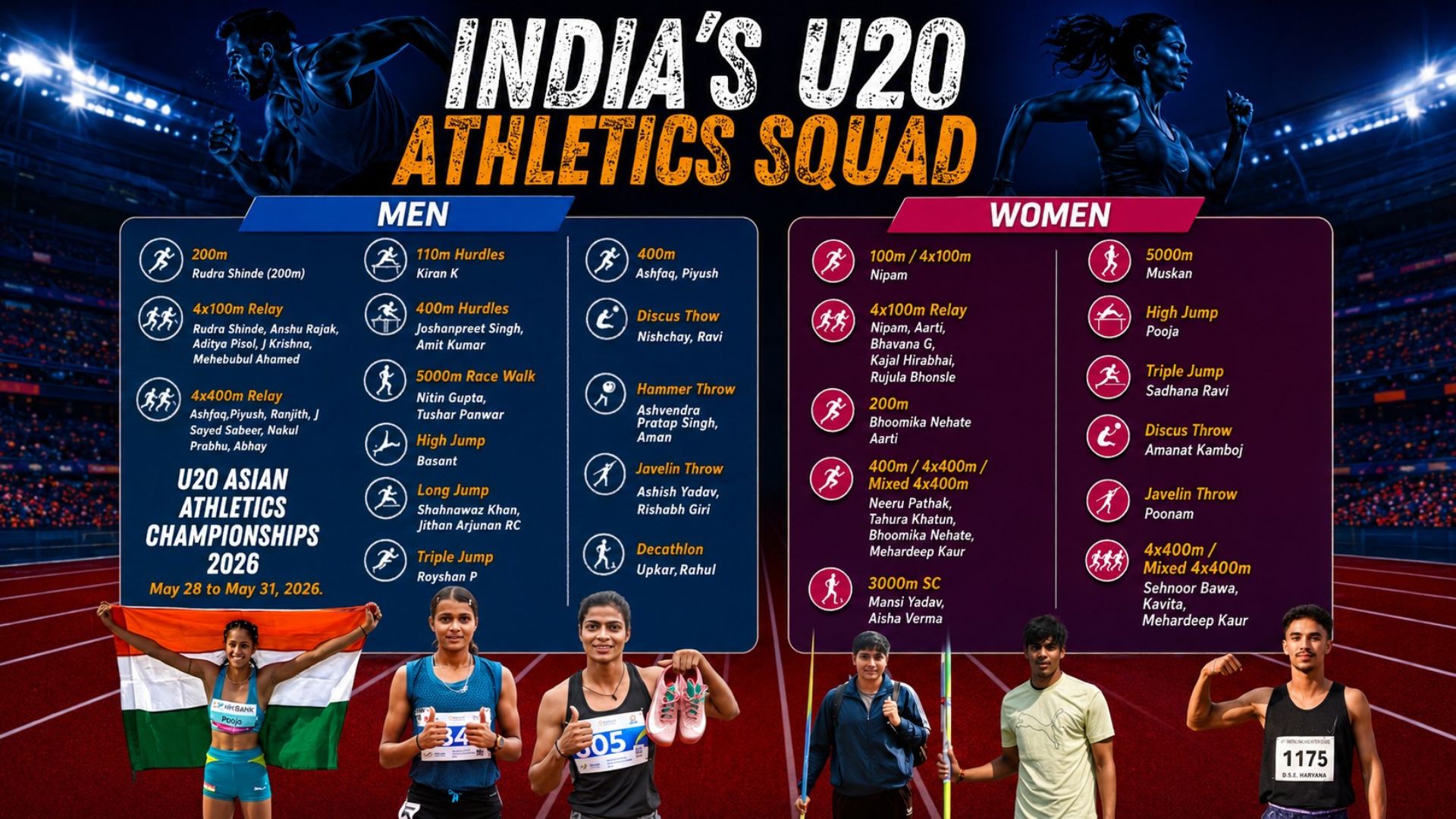
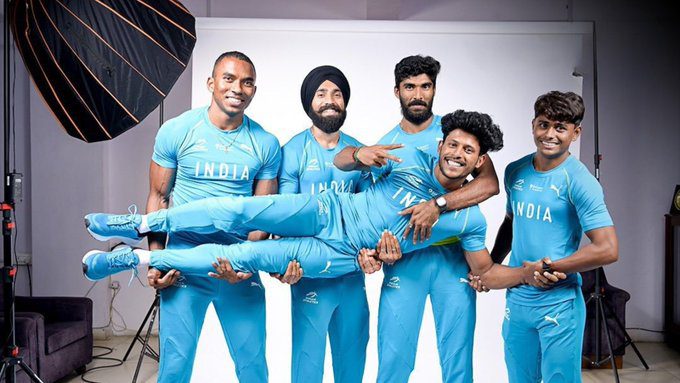
After some of the best-ever performances at the Junior Federation Cup 2026, 50 athletes have been selected to represent India at the U20 Asian Athletics Championships 2026, scheduled to be held in Hong Kong from May 28 to May 31, 2026.
All 50 athletes will attend a 19-day preparatory camp at SAI Bengaluru, approved under SAI’s Target Olympic Podium Scheme (TOPS).
Athletes selected along with their events:
- Rudra Shinde – 200m / 4x100m
- Mohammed Ashfaq – 400m, 4x400m, 4x400m Mixed Relay
- Piyush Raj – 400m, 4x400m, 4x400m Mixed Relay
- Mogali Reddy – 800m
- Sandeep Yadav – 3000m
- Vikas Kumar – 3000m
- Nikhil C – 3000m Steeplechase
- Kiran K – 110m Hurdles
- Jashanpreet Singh – 400m Hurdles
- Amit Kumar – 400m Hurdles
- Nitin Gupta – 5000m Race Walk
- Tushar Panwar – 5000m Race Walk
- Basant – High Jump
- Shahnavaz Khan – Long Jump
- Jithin Arjunan R.C – Long Jump
- Royshan P – Triple Jump
- Nishchay – Discus Throw
- Ravi – Discus Throw
- Ashvendra Pratap Singh – Hammer Throw
- Aman – Hammer Throw
- Ashish Yadav – Javelin Throw
- Rishabh Giri – Javelin Throw
- Upkar – Decathlon
- Jakhar Rahul – Decathlon
- Anshu Rajak – 4x100m Relay
- Aditya Pisal – 4x100m Relay
- J Krishna – 4x100m Relay
- Mehebubul Ahamed – 4x100m Relay
- Ranjith Kumar S – 4x400m Relay
- Sayed Sabeer – 4x400m Relay
- Nakul Prabhu – 4x400m Relay
- Abhay Kumar Dubey – 4x400m Relay
- Nipam – 100m / 4x100m Relay
- Bhoomika Nehate – 200m / 4x400m Relay / 4x400m Mixed Relay
- Aarti – 200m / 4x100m Relay
- Neeru Pathak – 400m / 4x400m Relay / 4x400m Mixed Relay
- Tahura Khatun – 400m / 4x400m Relay / 4x400m Mixed Relay
- Muskan – 5000m
- Mansi Yadav – 3000m Steeplechase
- Aisha Verma – 3000m Steeplechase
- Pooja – High Jump
- Sadhana Ravi – Triple Jump
- Amanat Kamboj – Discus Throw
- Poonam – Javelin Throw
- Bhavana G – 4x100m Relay
- Kajal Hirabhai – 4x100m Relay
- Rujula Bhonsle – 4x100m Relay
- Sehnoor Bawa – 4x400m Relay / 4x400m Mixed Relay
- Kavita – 4x400m Relay / 4x400m Mixed Relay
- Mehardeep Kaur – 4x400m Relay / 4x400m Mixed Relay