
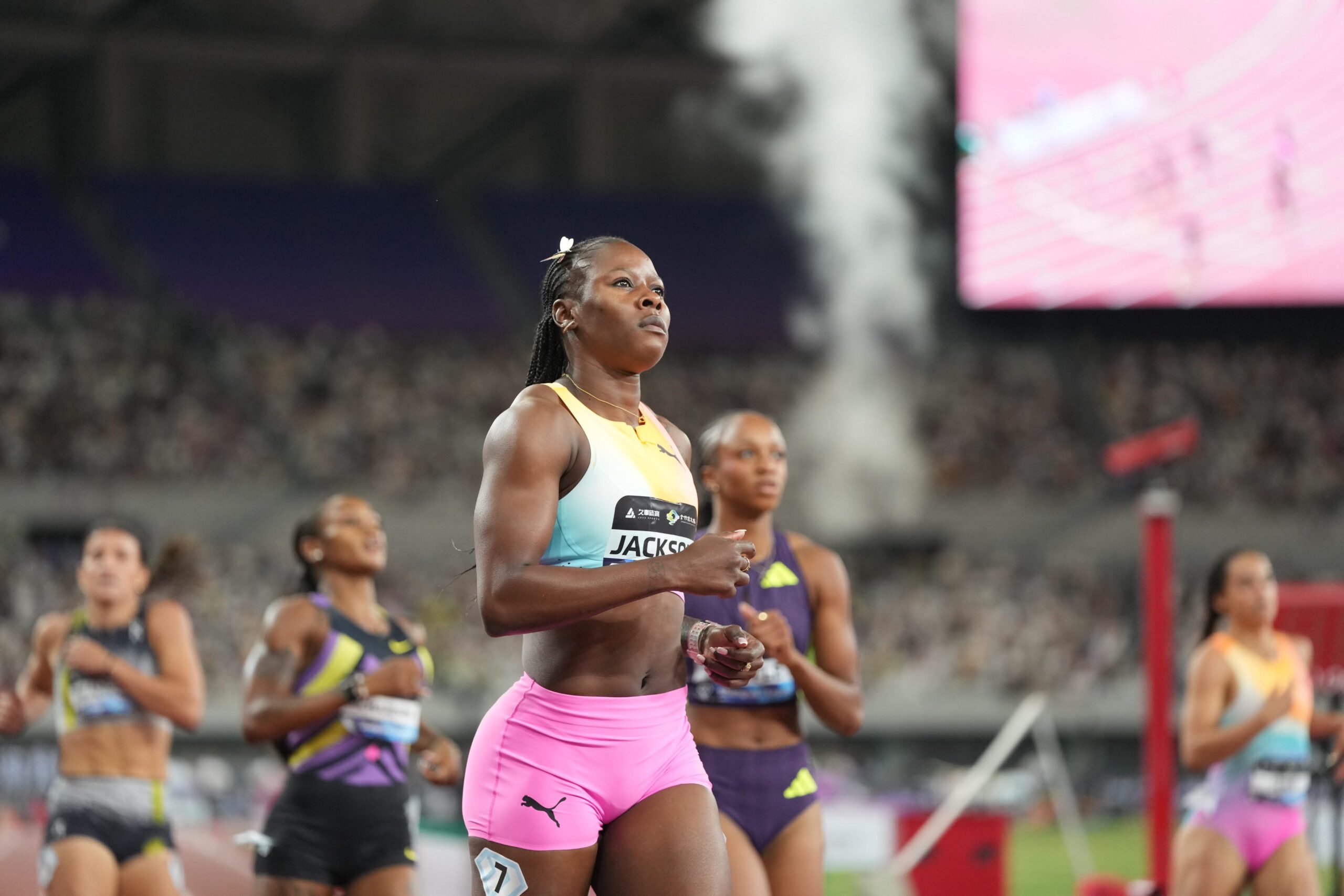
Jamaican sprint queen Shericka Jackson continued her impressive form at the Shanghai Diamond League, winning the women’s 200m in a strong 22.07 seconds.
Running with a legal wind of +0.3 m/s, Jackson controlled the race brilliantly to finish ahead of a star-studded field and secure another Diamond League victory. The performance further highlights her dominance in the half-lap event as she builds momentum during the 2026 season.
Bahamas star Shaunae Miller-Uibo finished second with 22.26s, while American sprinter Anavia Battle claimed third in 22.40s. World champion Sha’Carri Richardson placed fourth after clocking 22.42s.
The women’s 200m once again delivered a high-quality contest in Shanghai, with some of the world’s biggest sprint stars going head-to-head in one of the most anticipated races of the meet.
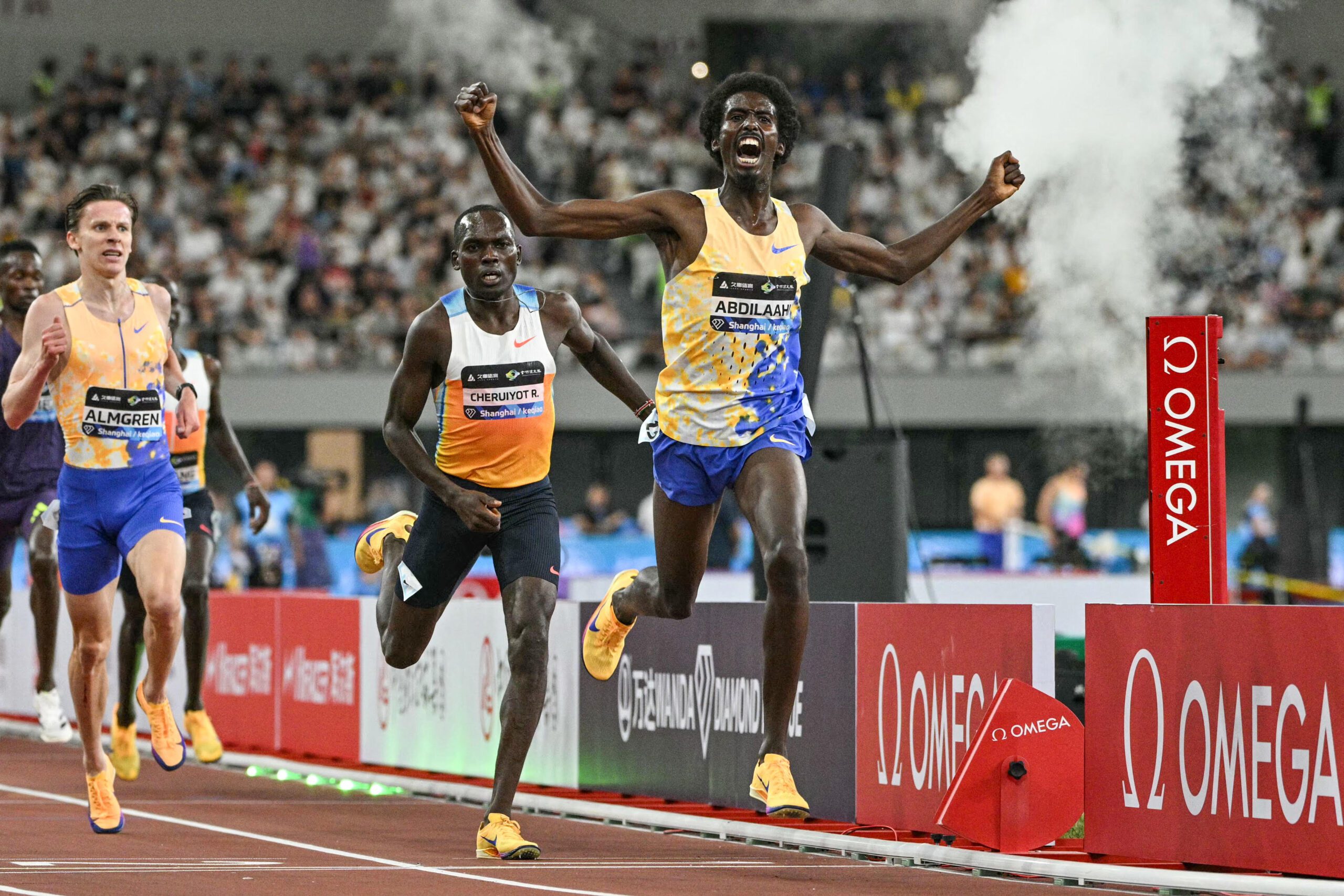
German distance runner Mohamed Abdilaahi produced a sensational run at the Shanghai Diamond League, clocking a stunning 7:25.77 to win the men’s 3000m in world-leading fashion.
Abdilaahi’s remarkable performance not only secured victory in a high-quality field but also shattered the German national record and meet record. The time now stands as the fastest men’s 3000m performance in the world this season, underlining his rise among the elite distance runners.
Kenya’s Reynold Cheruiyot finished second after running a huge personal best of 7:26.11, while Sweden’s Andreas Almgren claimed third place with a national record of 7:26.48.
The race turned into one of the fastest 3000m contests in recent Diamond League history, with multiple athletes producing career-best performances in an unforgettable showdown in Shanghai.
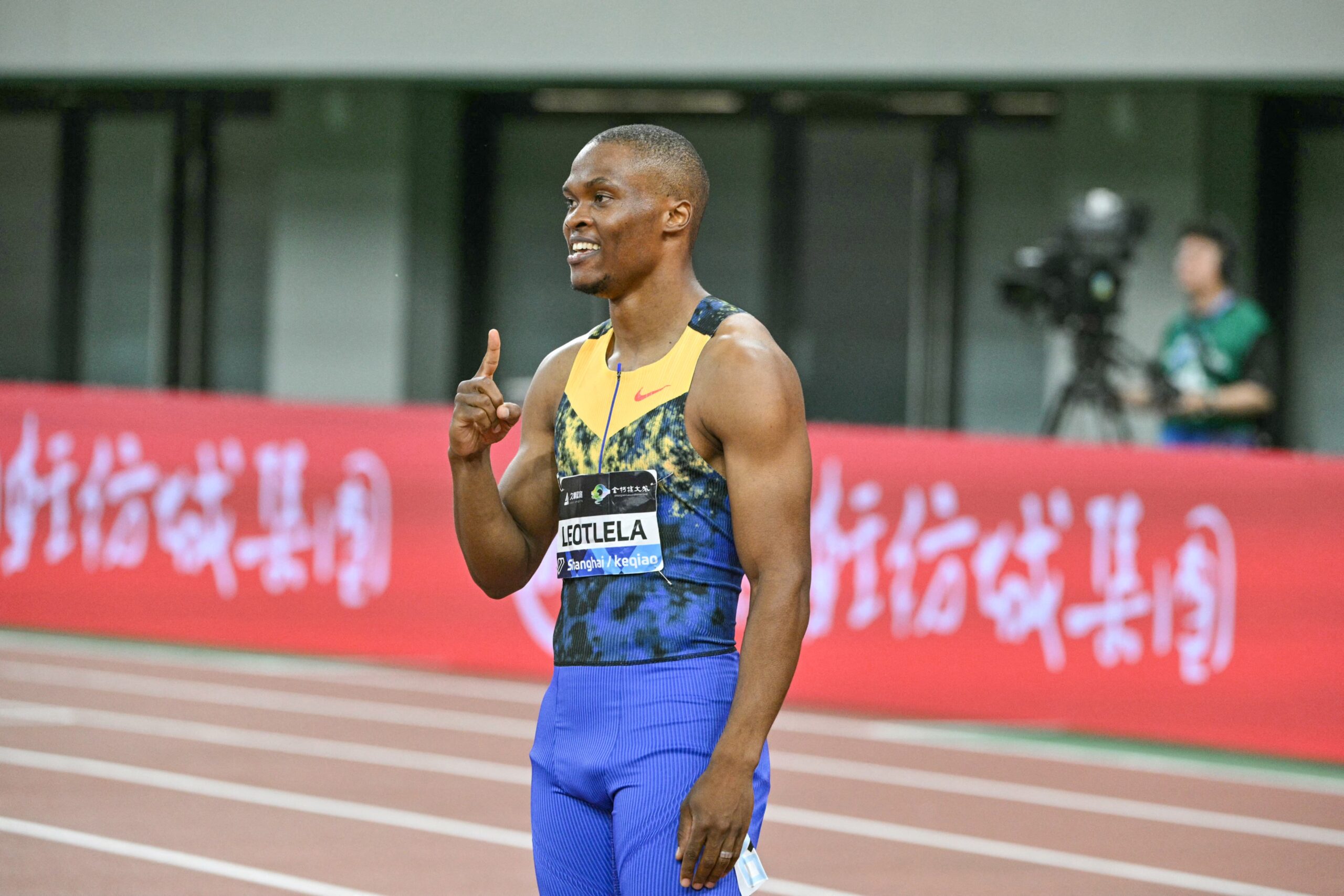
South African sprinter Gift Leotlela delivered a stunning performance at the Shanghai Diamond League, storming to victory in the men’s 100m with a blistering time of 9.97 seconds.
In one of the most competitive sprint races of the season, Leotlela held off a world-class field to clinch a memorable win with a legal wind reading of +0.6 m/s. Kenya’s Ferdinand Omanyala finished second in 9.98s, edging out American sprint star Kenny Bednarek, who clocked the same time for third place.
Former world medallist Trayvon Bromell and rising Australian talent Lachlan Kennedy both recorded 10.01s, while South Africa’s Akani Simbine settled for sixth in 10.05s.
Leotlela’s sub-10 second run against such a stacked lineup marks a major statement in the men’s sprint scene as the 2026 season continues to heat up.
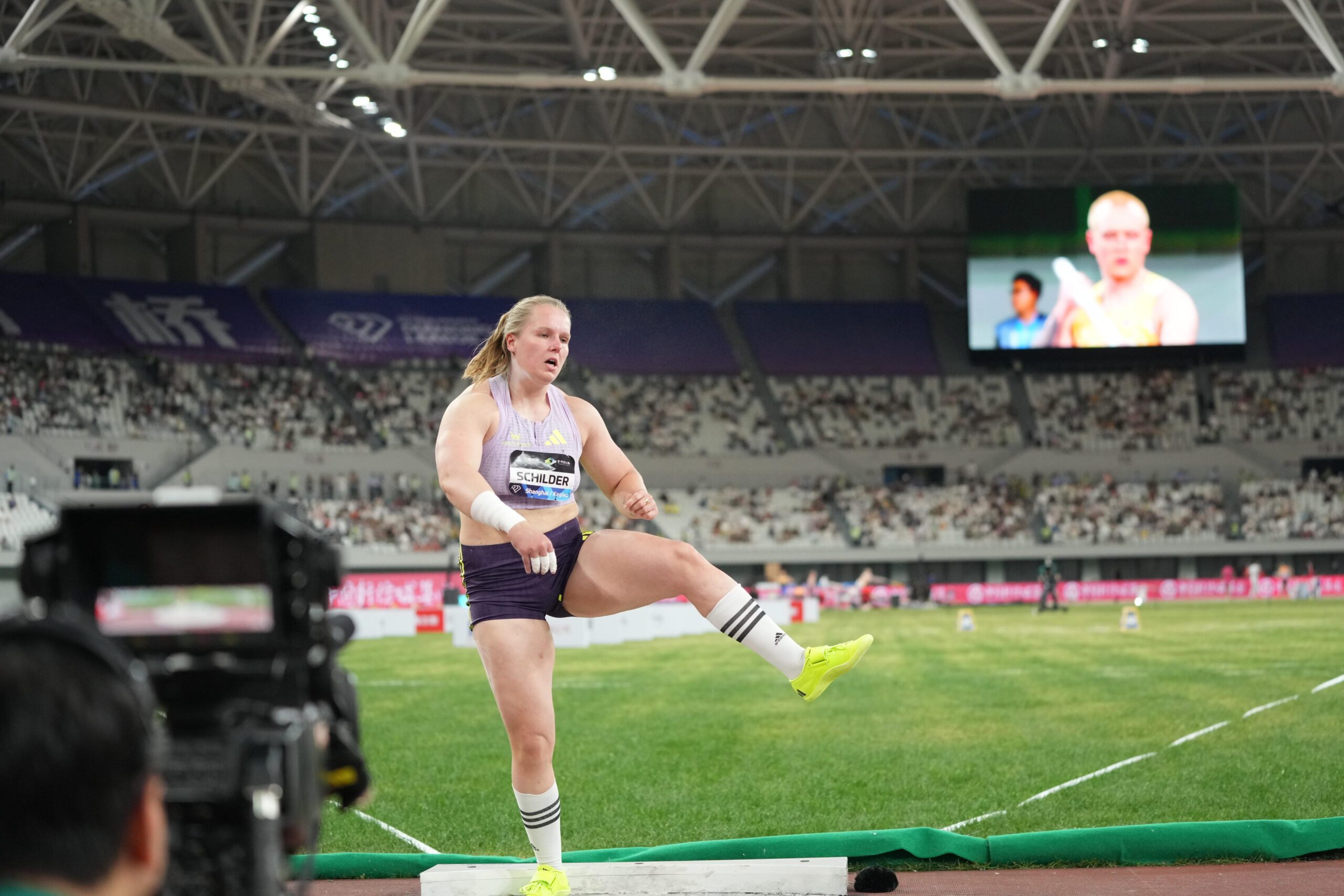
Dutch star Jessica Schilder produced one of the greatest performances in recent women’s shot put history at the Shanghai Diamond League, smashing the national and meet records with a sensational 21.09m throw.
With the massive effort, Schilder became the first woman in 14 years to breach the prestigious 21-metre mark in women’s shot put, marking a historic moment in global athletics. The throw not only secured her the victory but also rewrote the Diamond League record books in emphatic fashion.
American world champion Chase Jackson finished second with a strong 20.46m effort, while Canada’s Sarah Mitton claimed third place after registering 20.42m.
Schilder’s performance now stands among the finest women’s shot put marks of the modern era and signals a major statement ahead of the biggest competitions of the 2026 season.
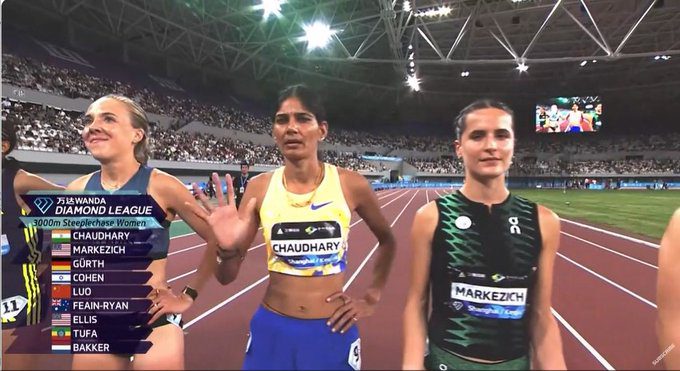
Indian distance runner Parul Chaudhary opened her 2026 season with an impressive performance at the Shanghai Diamond League, narrowly missing her own national record in the women’s 3000m steeplechase by just 0.38 seconds.
Competing in a stacked international field, Parul finished seventh and produced one of the fastest performances of her career in the event. The timing underlined her growing consistency at the elite level and marked a strong start to a crucial international season.
The race was won by Peruth Chemutai of Uganda, who clocked a world-leading 8:51.47s to set a new meet record. Chemutai entered the competition as the Tokyo 2021 Olympic champion and reigning Diamond League champion and once again demonstrated why she remains among the world’s best steeplechasers.
The women’s 3000m steeplechase field also featured reigning world champion Faith Cherotich of Kenya and former world champion Norah Jeruto of Kazakhstan, making it one of the strongest fields of the season so far.
Chemutai owns a personal best of 8:48.03, while Cherotich has also dipped below the 8:49 mark, highlighting the quality of competition Parul faced in Shanghai.
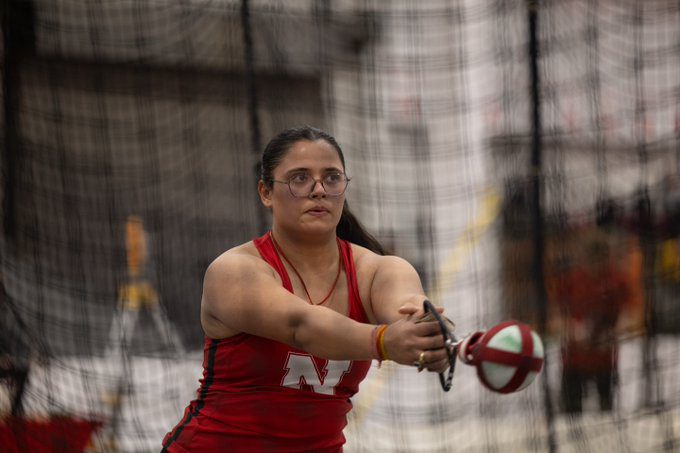
Indian hammer thrower Harshita Sehrawat secured a sixth-place finish at the prestigious Big Ten Outdoor Track and Field Championships in the United States, recording a best throw of 59.29m while representing the University of Nebraska.
Competing against some of the top collegiate throwers in the NCAA system, Harshita produced a consistent series in the women’s hammer throw final. Her throws read: 55.24m, 58.06m, 59.29m, 59.05m, 56.09m and 55.59m.
The title was won by Anthonett Nabwe of the University of Minnesota with an impressive best mark of 69.22m.
The Big Ten Championships are among the most competitive conference meets in American collegiate athletics, featuring athletes from some of the strongest NCAA track and field programmes in the country. Universities such as Nebraska, Minnesota, Michigan, Wisconsin and Penn State regularly produce Olympians, NCAA champions and international-level athletes, making the event a significant platform for emerging talent.
For Harshita, the result continues her growing exposure on the American collegiate circuit, which has increasingly become an important development pathway for Indian athletes. Training and competing in the NCAA system allows athletes access to high-level coaching, sports science support and regular elite competition throughout the season.
Harshita has steadily improved over the past few years and remains one of India’s promising names in women’s hammer throw. With the 2026 season featuring major international competitions including the Asian Games and Commonwealth Games, performances at meets like the Big Ten Championships provide valuable experience against world-class opposition
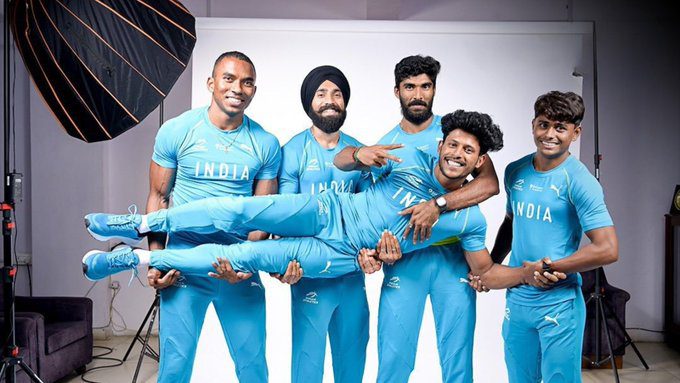
India’s men’s 4x100m relay team technically topped the field at the Saudi Grand Prix 2026 with a timing of 40.49s — but the result came with an awkward layer of irony.
Only two of the five entered teams actually started the race, with three sides marked DNS, turning what should have been a competitive international event into effectively a two-team contest.
And while India finished first, the timing itself raised eyebrows. The 40.49s clocking was modest enough that it would rank only around sixth in the world this season in the mixed 4x100m relay — an event where teams feature two women and two men.
For a men’s relay squad aiming to build momentum after the World Athletics Relays disappointment, the result highlighted less about dominance and more about the current gap between participation, competition quality and elite-level sprint standards.
India had a sluggish start through Harsh Raut, while Saudi Arabia’s A team got off brilliantly. Animesh, running the second leg for India, received the baton late but produced a superb recovery leg to close the gap. However, Saudi Arabia’s second runner appeared to suffer cramps, which helped India move ahead.
The biggest concern came during India’s baton exchanges. The third-to-fourth exchange between Pranav and Gurindervir was extremely cautious. Pranav looked tense and almost came to a complete stop before handing over the baton safely, as if the team’s only objective was to finish the race rather than chase a fast time.
But why such caution?
Because this Indian relay team has been haunted by baton exchange disqualifications. India has been disqualified three times since last season for exchanges outside the takeover zone:
- Asian Athletics Championships 2025 — exchange between Ragul and Pranav
• Open Relay Invitational — exchange between Manikanta and Animesh
• World Relays 2026 — exchange between Ragul and Gurindervir
At the Saudi GP, that fear was clearly visible. The pressure to avoid another disqualification resulted in one of India’s slowest relay timings in recent years.
Last season, the team shattered India’s 15-year-old national record with a stunning 38.69s, giving Indian athletics fans genuine hope.
From breaking records to running a mixed relay-level timing — India’s baton scars are still very real.
India’s sprint contingent delivered a tightly contested finish at the inaugural Saudi Grand Prix 2026, with Animesh Kujur and Gurindervir Singh finishing second and third respectively in the men’s 100m.
Both Indian sprinters clocked 10.44s, separated only by a photo finish, while 2025 Federation Cup champion Pranav Gurav was just behind in fourth at 10.45s.
Britain’s David Harrison took the win in 10.42s.
The fourth Indian in the field, Harsh Raut, endured a below-par outing, finishing 11th in 10.75s.
While the Indian trio packed the top four, the timings fell short of their season’s bests in a race that lacked a particularly strong field.
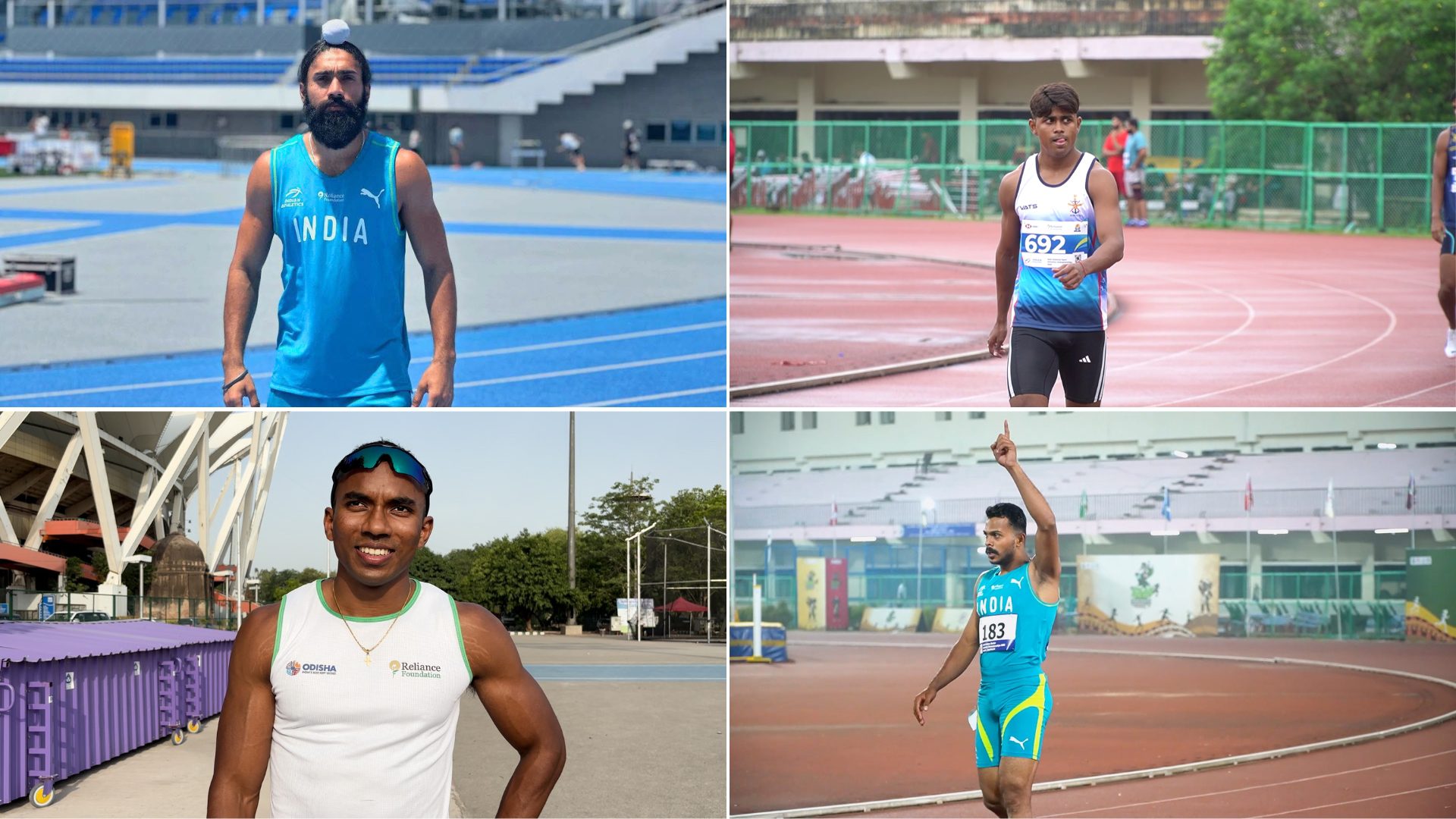
India’s sprint sensation Animesh Kujur continued his impressive rise on the international circuit by clinching the men’s 200m title at the Saudi Grand Prix 2026, clocking 20.77 seconds in a strong field on Saturday.
The 21-year-old edged past Britain’s David Harrison, who finished second in 20.87s, while Toby Harries settled for third place with a time of 21.01s. The victory marks another confident outing for the Indian sprinter, who has rapidly emerged as one of the brightest names in Asian athletics.
Interestingly, this was only Kujur’s second 200m race of the 2026 season. He had opened his campaign earlier this year at Indian Series-3, where he clocked 20.74s, showing early signs of consistency despite limited appearances over the distance so far.
Kujur heads into the remainder of the season carrying significant expectations after a breakthrough 2025 campaign that saw him rewrite Indian athletics history. Last season, the Odisha sprinter shattered the national record in the men’s 200m twice, eventually lowering it to a remarkable 20.32s — a mark that established him as India’s fastest-ever man over the distance.
Known for his explosive acceleration and powerful finish, Kujur has steadily developed into a key figure in India’s sprint revolution. His performances over the past year have not only raised hopes for medals at major continental events but have also brought renewed attention to Indian sprinting on the global stage.
With the Asian Athletics season gathering momentum and major championships approaching, Kujur’s victory in Saudi Arabia serves as another timely reminder of his growing stature and consistency at the elite level
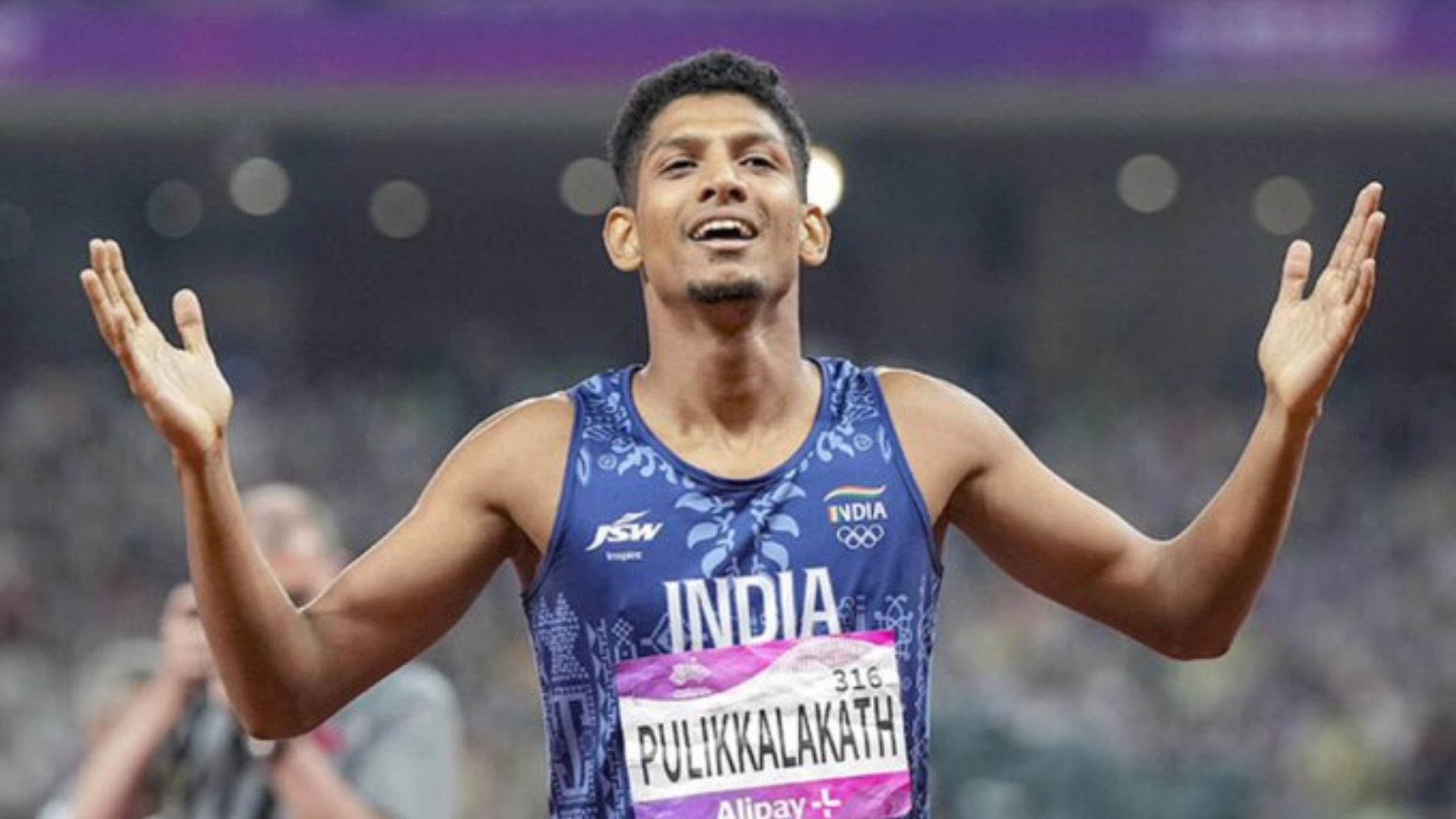
India’s middle-distance star Mohammed Afsal continued his strong run on the international circuit by clinching the men’s 800m title at the Saudi Grand Prix 2026 on Saturday.
The national record holder produced a composed performance to cross the line in 1:48.24s, finishing ahead of South Africa’s Christopher Swart, who clocked 1:48.50s, while Werner Gouws secured third place in 1:48.75s.
Afsal’s victory once again underlined his status as India’s premier 800m runner and one of the finest middle-distance athletes the country has produced in recent years. Known for his tactical awareness and strong finishing kick, the Kerala athlete has consistently carried Indian hopes in the two-lap event on the Asian and global stage.
The 29-year-old enjoyed a historic 2025 season where he rewrote Indian athletics record books. Afsal became the first and only Indian athlete to break the elusive 1:45 barrier in the men’s 800m, clocking a stunning national record of 1:44.93s. He followed it up with another exceptional performance of 1:45.61s, which remains the second-fastest timing ever by an Indian over the distance.
His rise has been significant for Indian middle-distance running, an event where the country has traditionally struggled to consistently compete at the highest international level. Over the past few seasons, Afsal has established himself as a regular presence in elite competitions while steadily improving his race management and consistency.
With major international championships approaching later this season, Afsal’s title-winning performance in Saudi Arabia will provide another confidence boost as he looks to build momentum and continue pushing Indian athletics to new heights.