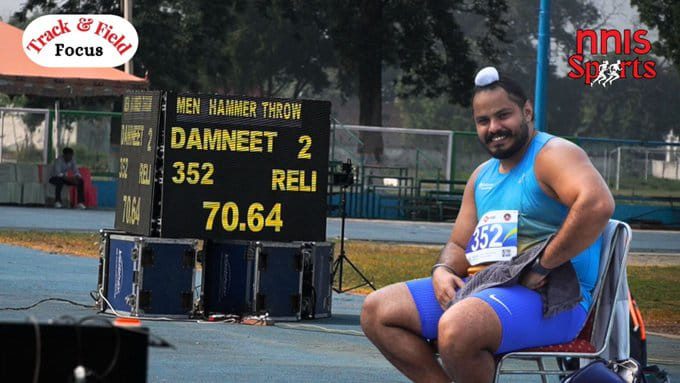

India’s rising throwing talent Amanat Kamboj delivered a composed and confident performance to clinch gold in the women’s discus throw at the U20 Asian Athletics Championships 2026, continuing India’s strong tradition in junior throwing events.
The young Indian thrower produced a best effort of 52.27m to finish on top of the podium ahead of China’s Chenyi Ma and Japan’s Koko Konda.
Final standings:
 Amanat Kamboj (India) — 52.27m
 Chenyi Ma (China) — 51.30m
 Koko Konda (Japan) — 49.74m
For Amanat, the victory carried added significance.
At the previous edition of the U20 Asian Championships, she had narrowly missed out on gold and finished with silver. This time, she returned stronger and more assured, successfully upgrading that medal to the top step of the podium.
The result also underlines India’s growing depth in women’s throwing events, particularly at the junior level where athletes have increasingly started challenging traditional Asian powerhouses like China and Japan.
Amanat has been regarded as one of India’s promising young throwers for some time now. Hailing from Haryana — a state that continues to produce several of India’s best athletes in throwing disciplines — she has steadily progressed through the junior circuit over the last few seasons.
Her development has been marked by consistency rather than sudden breakthroughs.
Over the past year, Amanat has regularly featured among the leading junior discus throwers in India, showing improvement in both technique and competition temperament. Coaches have particularly praised her ability to remain calm during pressure situations, something she demonstrated once again in the final.
The winning mark of 52.27m may not yet place her among the very elite senior throwers globally, but at the U20 level it signals strong long-term potential.
Importantly, the gold medal also continues a broader positive phase for Indian athletics at age-group continental competitions. India has increasingly begun using the U18 and U20 Asian Championships as a pipeline for future senior international athletes.
Several Indian stars — including Olympic and World Championships medallists — first made their mark at junior continental events before transitioning to the senior circuit.
For Amanat, the challenge now will be translating junior success into senior-level consistency.
The transition is rarely easy in throwing events, where improvements often become more technical and incremental at the elite level. But performances like this suggest India may already have another promising discus thrower emerging through the system.
And after returning from silver to finally capture gold, Amanat Kamboj has shown she is learning how to win when expectations arrive.
Birsa Munda Stadium, Ranchi | Federation Cup 2026 | May 25, 2026
There are thresholds in athletics that carry a weight beyond the number itself. The four-minute mile. The ten-second 100m. The 20-metre shot put. Crossing them means something — a career redefined, a new identity claimed, an athlete transformed.
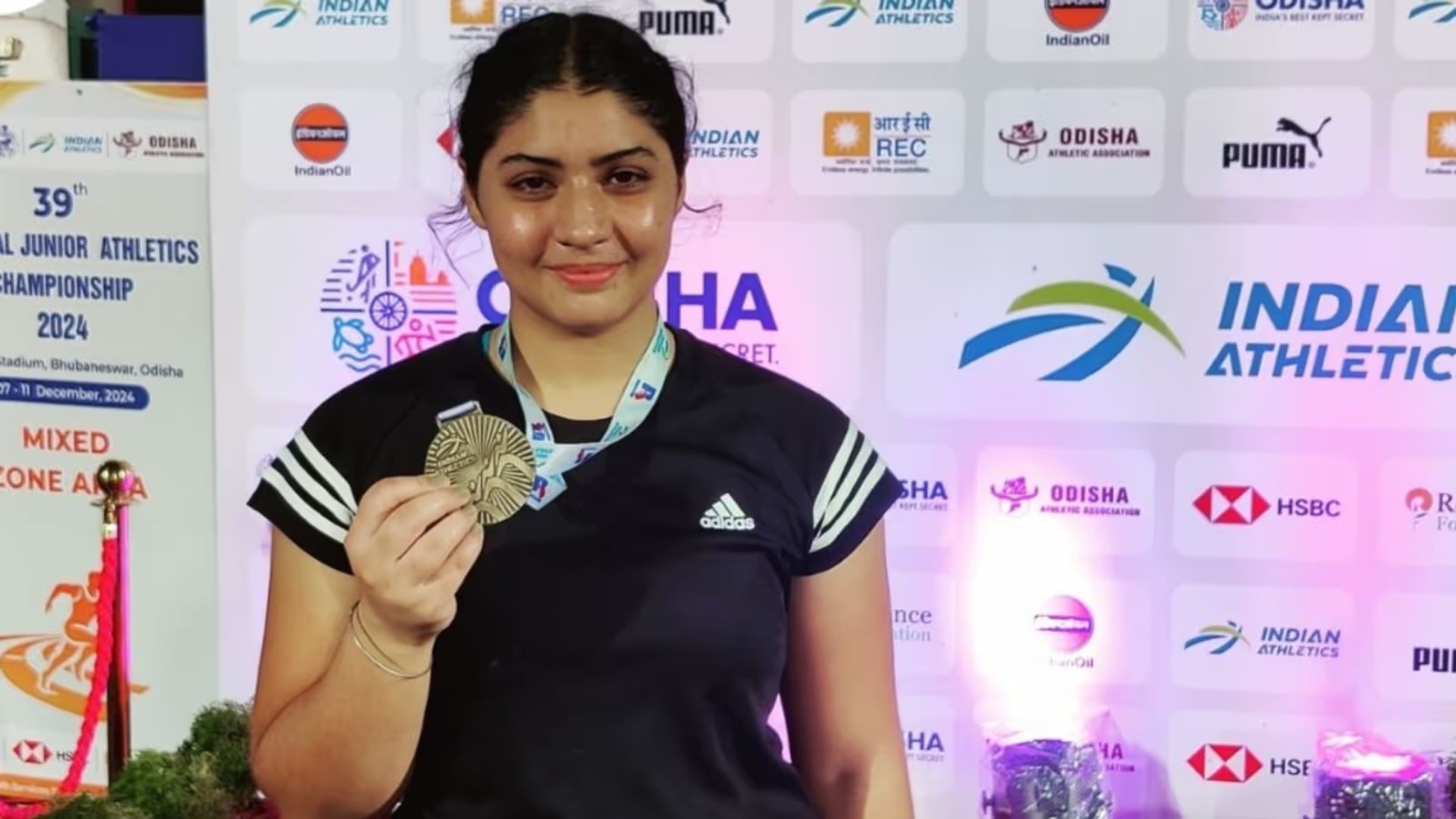
On the final day of Federation Cup 2026, Samardeep Gill of Madhya Pradesh crossed that threshold. And he did it in the most emphatic way possible — not by scraping over the line, but by sailing past it.
The Throw That Changed Everything
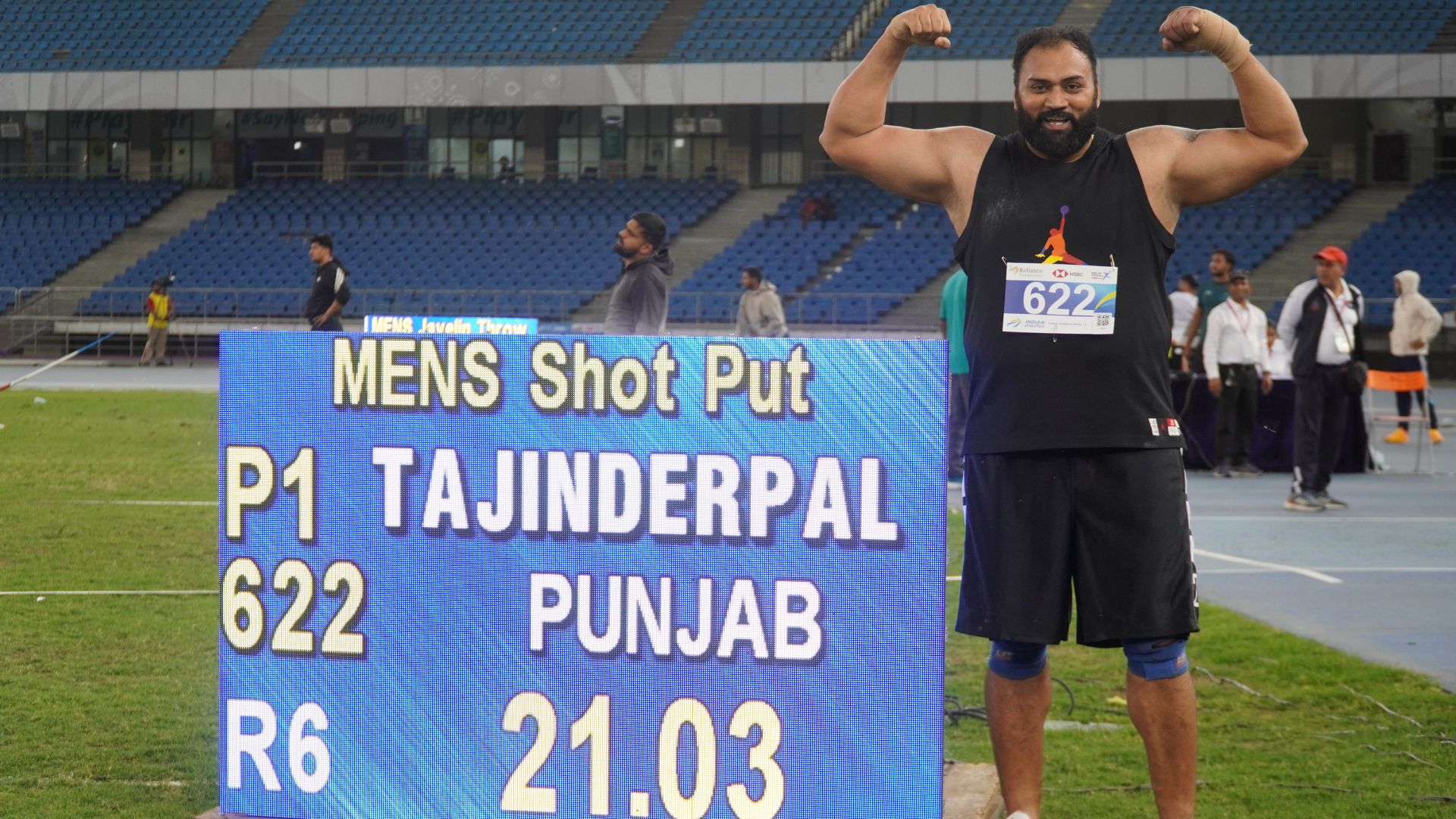
Samardeep registered a massive personal best of 20.46m — the first 20-metre throw of his career and one of the most significant performances in Indian shot put this season. The throw cleared the Commonwealth Games 2026 qualification mark, punching his ticket to the Games in a single, defining effort. It ranked him third in Asia this season — behind only one of the most decorated shot putters the continent has ever produced.
In one throw, Samardeep Gill went from a talented domestic competitor to a Commonwealth Games qualifier and Asian-ranked athlete. That is the kind of moment that defines careers.
A Giant Felled — Sort Of
The result carries an extraordinary subplot: Tajinderpal Singh Toor, India’s national record holder and the Asian season leader with a colossal 21.03m, had to settle for silver with a best throw of 20.07m. Toor — the man who has dominated Indian shot put for years — was beaten on the day by a younger rival who chose this stage to produce the performance of his life.
It would be wrong to read too much into a single competition result for Toor, whose 21.03m Asian lead this season demonstrates he remains the undisputed standard-bearer of Indian shot put. But the symbolism is powerful nonetheless. Samardeep did not just breach 20 metres — he beat the national record holder in doing so.
What 20.46m Means in Context
The 20-metre barrier in shot put is the marker that separates good throwers from elite ones. It demands not just strength but technical mastery — the glide or rotation, the release angle, the transfer of power from feet to fingertips all working in perfect synchrony. Athletes can spend years circling that barrier without ever breaching it.
Samardeep’s 20.46m is not just a personal best. It is a statement about where he is as an athlete — technically refined, physically primed, and mentally ready to compete at the highest level. Third in Asia this season at a domestic championship, with the international season still ahead, the ceiling has not yet been found.
India’s Shot Put Depth on Show
What this result also underlines is the remarkable depth of Indian shot put in 2026. Toor at 21.03m leads Asia. Samardeep at 20.46m sits third on the continent. Two Indians in the top three in Asia is not a coincidence — it is the product of a generation of throwers who have raised the standard of the event in India beyond recognition.
The Commonwealth Games will be a fascinating contest. Toor goes as the favourite and Asian season leader. Samardeep goes as a qualifier who has already shown he can beat him on his day.
Welcome to the Club
For Samardeep Gill, the 20m club membership card has been earned the hard way — through years of work, one perfect throw, and the courage to produce it on the biggest domestic stage available.
He joined it in Ranchi. He announced himself to the world while doing it.
Birsa Munda Stadium, Ranchi | Day 4 | May 25, 2026 | 18:00 IST
Indian javelin throw has never looked quite like this.
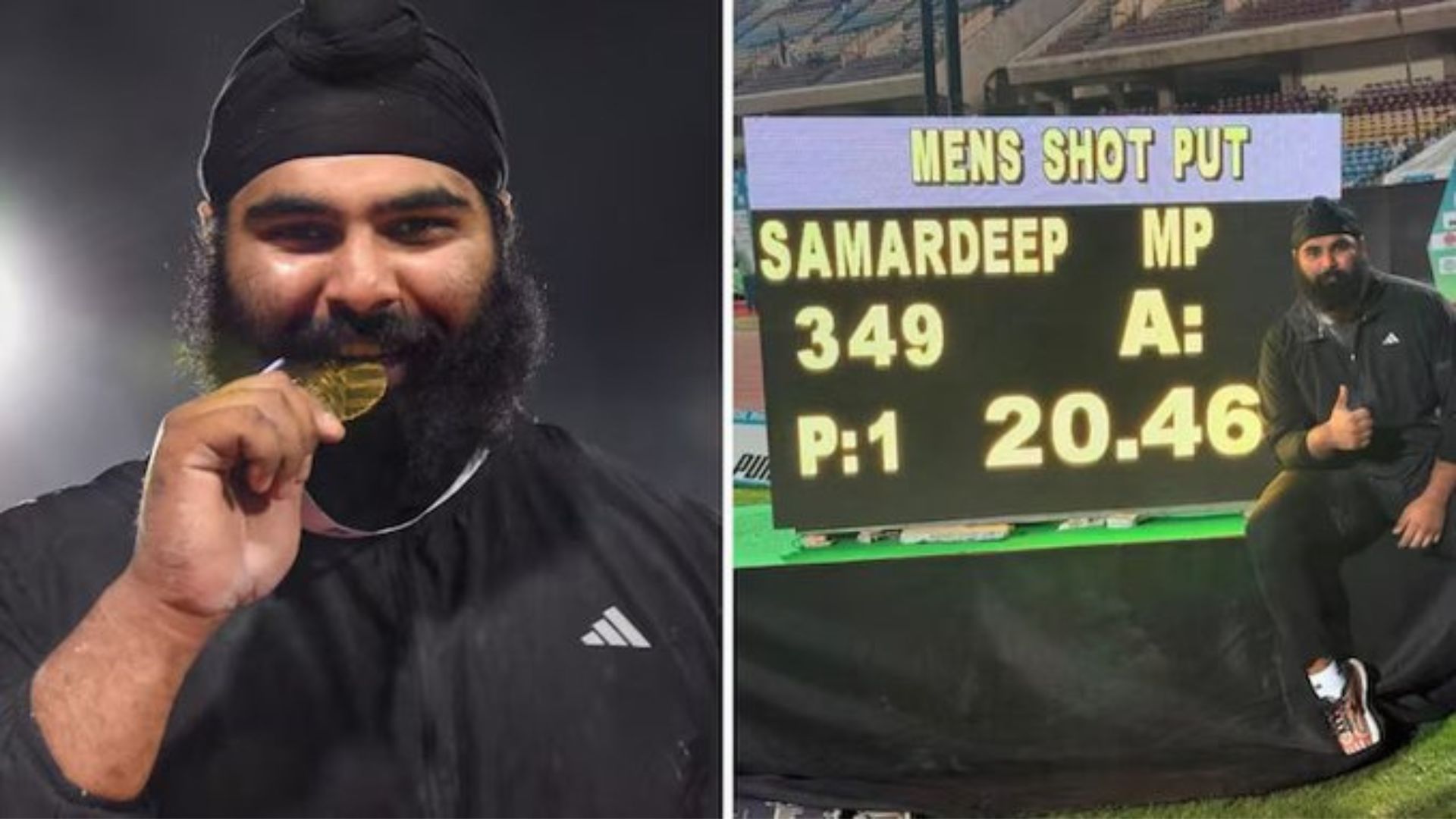
Six athletes. Five of them with personal bests beyond 80 metres. Multiple Commonwealth Games qualification contenders. And one young man who has gatecrashed the elite party after nearly being denied entry by a payment glitch. The Men’s Javelin Throw Final at Federation Cup 2026 gets underway at 18:00 IST on Day 4, and it is comfortably the most stacked domestic javelin field India has assembled in recent memory.
The Title Contenders
Rohit Yadav arrives in Ranchi with the best season best in the field — 82.17m — and a personal best of 83.65m. A seasoned campaigner who has competed at the highest international level, Rohit knows how to deliver when the competition demands it. His season best already clears the Commonwealth Games qualification mark, and he will be looking to use this final as a launchpad into the international season.
Sachin Yadav sits just behind with a season best of 81.95m but carries a massive personal best of 86.27m — the highest PB in this entire field. Sachin has the raw capability to throw well beyond anything anyone else here has managed on their best day. The question, as always with athletes of his calibre, is whether the form on competition day matches the potential. If it does, he wins this comfortably.
Yashvir Singh rounds out the trio of 81m+ season performers with 81.61m and a personal best of 82.57m. He has been quietly consistent all season and carries genuine CWG qualification ambitions into the final circle.
Shivam Lohakare: The Gatecrashers’ Gatecrasher
Earlier at this championship, we told the story of how Shivam Lohakare almost missed Federation Cup entirely due to an online payment glitch during registration. The 21-year-old from Maharashtra got his entry sorted at the last moment — and now he lines up in a final against India’s best.
His 2026 season opener of 81.08m was a lifetime best that announced him as a serious force. At just 21, with that kind of distance already in his arm, Lohakare is not here to make up the numbers. He is here to throw further than he ever has — and potentially put himself on a plane to the Commonwealth Games.
Kishore Jena: The Wildcard
Few athletes in this field carry the intrigue that Kishore Jena does. His personal best of 87.54m is the highest in this competition by more than a metre — a throw that belongs to the conversation of India’s all-time great javelin performances. But his season best of 77.79m tells a different story — one of an athlete still searching for the form that produced that magic number.
When Jena is right, nobody in this field can touch him. The question is whether Ranchi is the night he finds himself again. If he does, this final takes on a completely different complexion.
Sahil Silwal (SB: 74.34m, PB: 81.81m) completes the field — another athlete whose personal best signals a capacity for an 80m+ throw that his current season form hasn’t yet reflected.
Commonwealth Games: The 82.61m Barrier
The CWG 2026 qualification mark of 82.61m is the defining number hanging over this final. Rohit Yadav has already cleared it this season. Sachin Yadav and Yashvir Singh are within touching distance of it. Lohakare, Jena, and Silwal all have personal bests that prove it is physically possible — even if their 2026 form hasn’t reached those heights yet.
A good day for multiple athletes could see more than one CWG qualifier emerge from this single competition. That is the kind of field this is.
The Last Big Event of Federation Cup 2026
As the final major field event of the championship, the Men’s Javelin Final carries the weight of a closing act. After the back-to-back sprinting national records, the extraordinary pole vault battle between Dev Meena and Kuldeep Yadav, and the performances that have lit up Ranchi across four days, the javelin throwers have one final chance to add their chapter to what has been a landmark Federation Cup.
Six athletes. One runway. One shot at history.
Birsa Munda Stadium, Ranchi | Day 1 | May 22, 2026 | 18:00 IST
Indian hammer throw has been a quiet event for a long time. But in 2026, the silence has been shattered — and a 21-year-old from Punjab may be about to make history.
The Men’s Hammer Throw final at Federation Cup 2026 gets underway on Day 1 at 18:00 IST in Ranchi, and all signs point to a landmark evening for one of athletics’ most underappreciated disciplines. With Commonwealth Games qualification on the line and a national record within striking distance, the throwing circle at Birsa Munda Stadium could be the site of something truly special.
Damneet Singh: A Decade in the Making
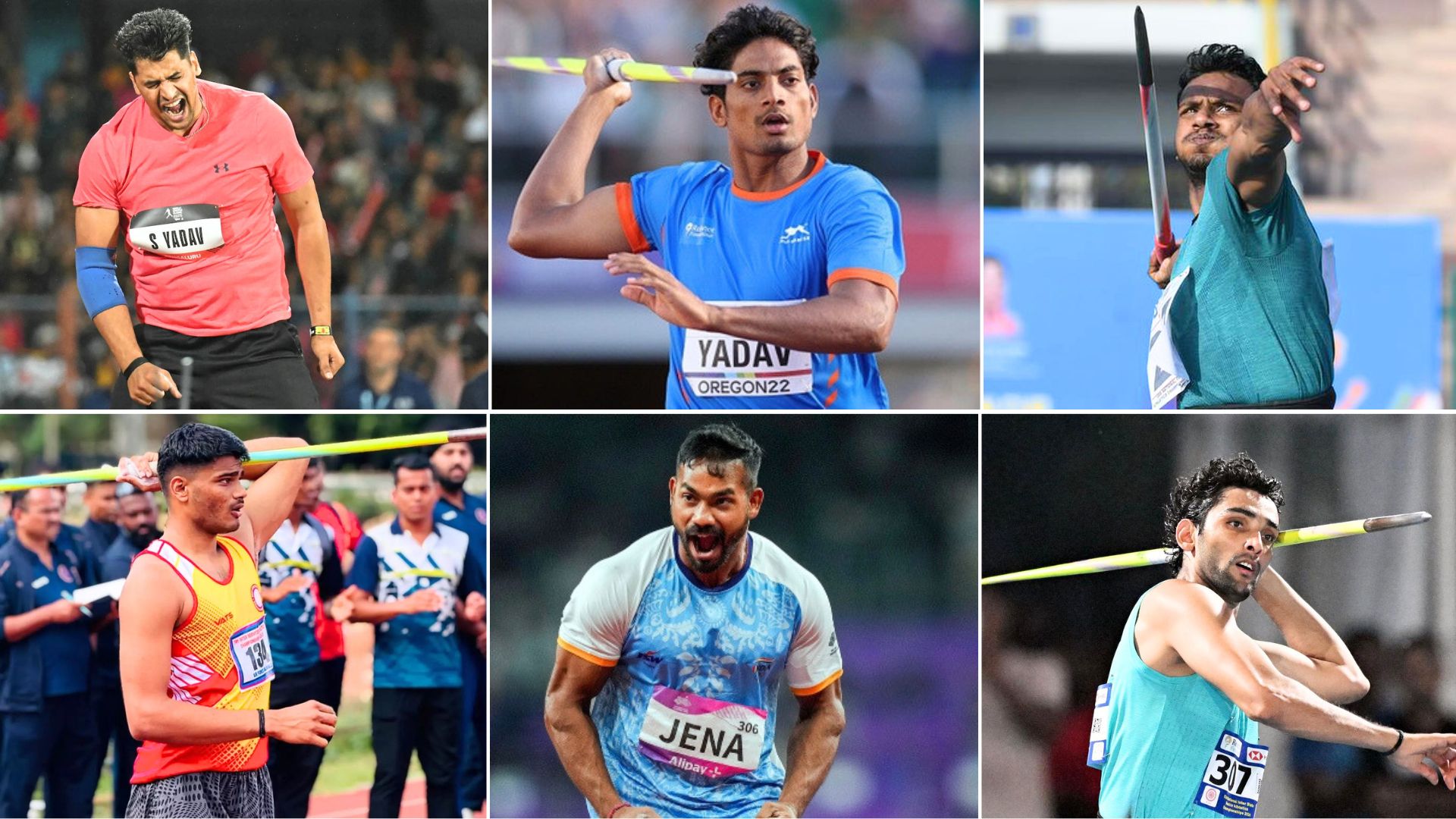
The name on everyone’s lips is Damneet Singh. Earlier this season, the young thrower launched the hammer to a stunning 70.64m — a lifetime best that sent shockwaves through Indian athletics for more than one reason.
It was the best throw by an Indian in ten years. It was the first time an Indian had crossed the 70-metre barrier in a decade. And it missed the national record by a mere nine centimetres.
That national record — 70.73m, set by Neeraj Kumar back in 2016 — has gathered dust for the better part of a decade. Damneet has now brought it back into conversation in the most dramatic fashion possible. He didn’t creep up on it. He arrived within a whisker of it on what was effectively a season-opener, signalling that he is not just in form — he is in the form of his life.
To put 70.64m in context: hammer throwing is a technically brutal event that demands years of refinement. Breaking through 70 metres as an Indian athlete is rare. Doing it out of nowhere, in 2026, after a ten-year drought at that level, makes Damneet’s achievement all the more remarkable. Federation Cup gives him the ideal platform — national championship atmosphere, elite competition, and everything to throw for.
The National Record Is in Sight
At just nine centimetres from Neeraj Kumar’s 2016 mark, Damneet Singh will know that the national record is not just a distant dream — it is a realistic target on a good day. Competition has a way of drawing out performances that training cannot, and if Damneet is firing in Ranchi, the record could finally fall after a decade of waiting.
Ashish Jakhar: The Pressure from Behind
Damneet will not have it easy. Ashish Jakhar has been equally impressive this season, recording a personal best of 68.09m — the second-best throw by an Indian in 2026. Jakhar’s presence ensures this is not a one-man show. He is firmly in the hunt for the Commonwealth Games 2026 qualification mark of 69.12m, and a competitive rivalry between the two could push both athletes to their limits.
Commonwealth Games or Bust
The qualification mark of 69.12m hangs over this contest like a golden carrot. Damneet has already cleared it with room to spare. Jakhar will be targeting it with intent. Whether one or both athletes punch their tickets to the Commonwealth Games on Thursday evening adds a layer of urgency that transforms this from a domestic final into something with genuine international consequence.
Indian hammer throw is back. Ranchi, brace yourself.
Federation Cup 2026 runs from May 22–25 at Birsa Munda Stadium, Ranchi.
Birsa Munda Stadium, Ranchi | Federation Cup 2026 | May 22–25, 2026
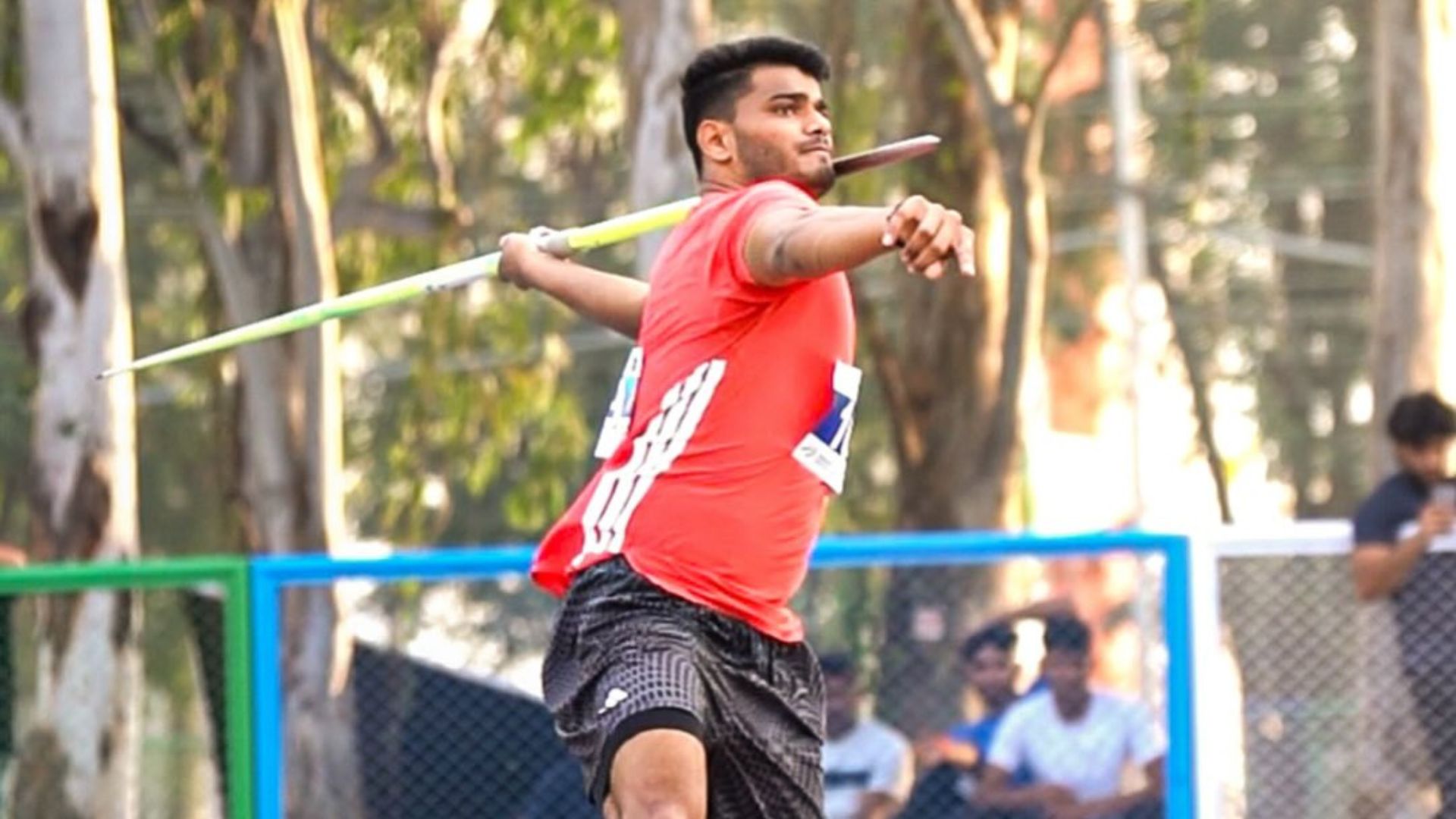
In what is a timely piece of good news for Indian athletics, 21-year-old javelin thrower Shivam Lohakare has been officially confirmed for the Federation Cup 2026 in Ranchi — after a bureaucratic glitch had threatened to keep him out of the competition entirely.
A Registration Mishap, Swiftly Resolved
Lohakare’s name was conspicuously absent from the Athletics Federation of India’s (AFI) initial athlete list for the Federation Cup, raising alarm among those who had been following the young thrower’s promising start to the season. The reason, it emerged, was mundane but frustrating — an online payment issue during the registration process had resulted in his entry not being processed. Thankfully, the matter has since been resolved, and Lohakare is now officially in the draw for the men’s javelin event. It would have been a cruel blow had a technical glitch denied one of India’s brightest young throwers a shot at the national stage.
A Season Already Making Noise
The timing of his confirmation makes it all the more exciting. Lohakare arrived at Federation Cup on the back of a stunning season-opener that left the athletics community sitting up and taking notice. At the Open Throws meet, he launched a lifetime best of 81.08m to claim the title — an emphatic statement from a 21-year-old who is clearly stepping into a new bracket of performance.
Crossing the 80-metre barrier is a significant milestone in javelin throwing, one that separates serious competitors from the elite. For Lohakare to do it at the very first meet of the season signals not just physical readiness, but a maturity and composure beyond his years. He is no longer just a prospect — he is a contender.
Into the Fire: Sachin Yadav and Rohit Yadav Await
The Federation Cup will be no gentle introduction to the big stage. Lohakare will line up alongside established names including Sachin Yadav and Rohit Yadav, two of India’s most experienced and decorated javelin throwers. Competing against such elite company at a national championship will be a stern examination of where Lohakare truly stands — and, if his 81.08m opener is anything to go by, he may well have an answer ready on the runway.
One to Watch
India’s javelin pipeline has rarely looked this healthy, and Lohakare’s emergence adds yet another exciting dimension to a fiercely competitive men’s event. At 21, with a lifetime best already beyond 81 metres and a national championship appearance now secured, the trajectory is steep and the ceiling high.
After almost being denied his moment by a payment glitch, Shivam Lohakare will step onto the Ranchi runway with something to prove — and the arm to prove it.
Federation Cup 2026 runs from May 22–25 at Birsa Munda Stadium, Ranchi.
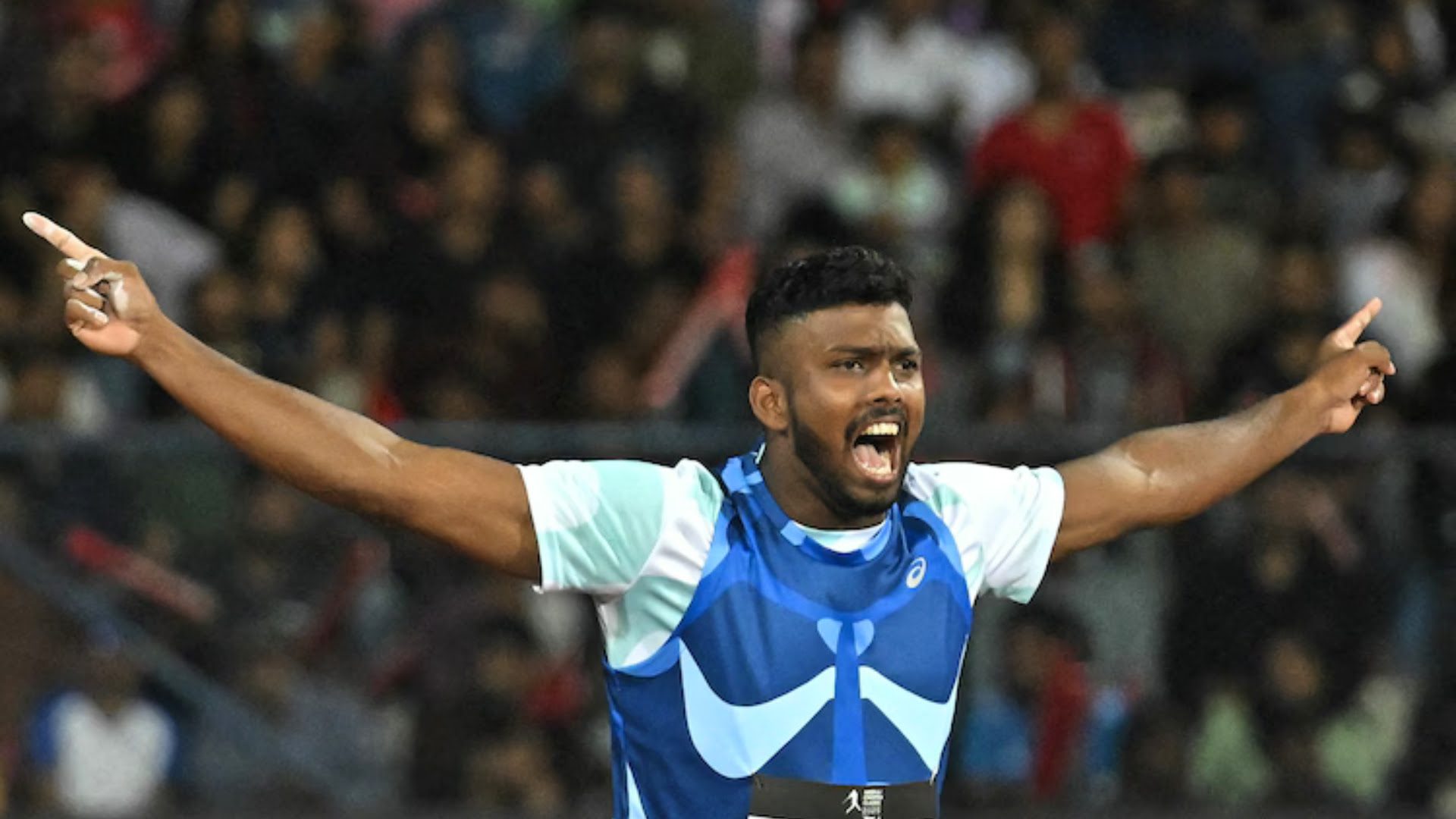
At Nairobi’s Kip Keino Classic, Sri Lanka’s Rumesh Tharanga Pathirage delivered a sensational performance in the men’s javelin, setting a meeting record of 89.28m with his second throw. The mark reinforced his recent personal best of 89.37m, proving his rise is no fluke.
Germany’s Thomas Röhler, the 2016 Olympic champion, finished second with 83.33m — his best effort since 2019 and a clear sign of resurgence.
The competition highlighted a compelling mix of emerging dominance and experienced pedigree, with Pathirage establishing consistency at the elite level, while Röhler’s return to form adds intrigue to the global javelin landscape this season.
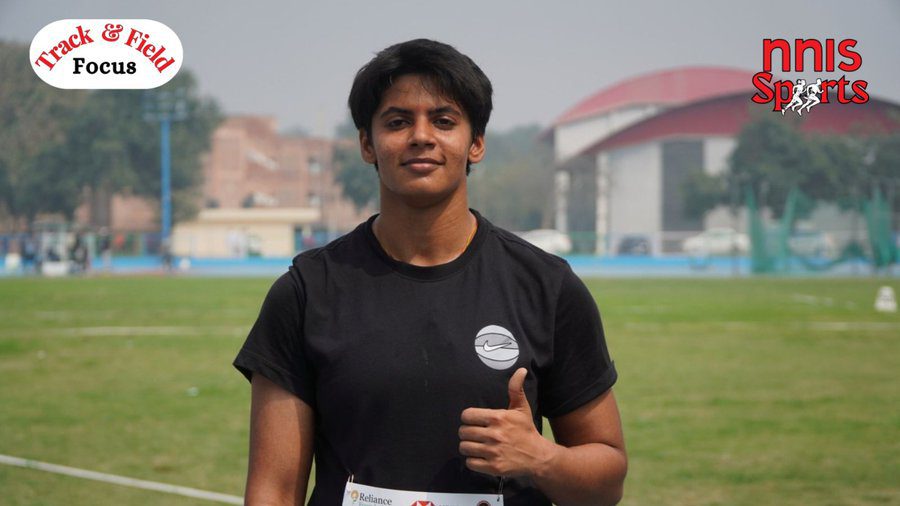
Tanya Chaudhary hadn’t even planned to compete. Recovering from a fever, the expectation was simple: rest, reset, move on. Instead, she showed up—and took control of the women’s hammer throw at the Indian Athletics Series – 3.
Her series told the story of someone finding rhythm on the fly. 58.09m to open. Then 61.29m—the winning mark. Another over 60m at 60.70m. A miss. And finally, 59.27m to close.
First place, comfortably.
There was no perfect build-up, no ideal conditions. Just execution. Chaudhary crossed the 60m mark twice, a benchmark that matters, especially when the body isn’t fully there.
She later told Nnis Sports that competing wasn’t even part of the plan. But once inside the circle, that changed. The throws weren’t just enough—they were decisive.
Rumesh Tharanga Pathirage has made an indelible mark early in the athletics season. At the Champions Track and Field meet in Diyagama, Pathirage unleashed a monumental throw of 89.37m. This remarkable performance did not just secure victory; it established a new personal best, set a meet record, and instantly became the world-leading mark for the event. With this single effort, Pathirage has surged into the elite ranks of Asian javelin throwers, placing him alongside celebrated names like Neeraj Chopra and Arshad Nadeem.
In an exclusive interview following his historic performance, Pathirage detailed the disciplined mindset and methodical approach that fuelled this breakthrough.
But the story isn’t just the 89.37m figure on the scoreboard. It’s the meticulous, step-by-step architectural process required to build a throw of that magnitude.
“Did I expect this so early? No, not really,” Pathirage told NNIS Sports in an exclusive discussion. “My goal was just to improve my season best by a few meters.”
This understated answer reveals the engine driving his ascent. While outside observers see the explosive anomaly of a near-90-meter throw, Pathirage sees the culmination of a deliberate construction project.
The 2025 season was the laboratory for this consistency. To understand the leap Pathirage has made, one must look at the blueprint of his progression over the last 12 months. This was not a linear spike, but a grinding escalation of his baseline performance.
Just one year ago, crossing the 80-meter barrier was a rare achievement for him—a feat he managed only once in the entire 2024 season. In 2025, that narrative evaporated. He eclipsed 80m in all 11 competitions he entered. He pushed past 85m multiple times. He locked in the Sri Lankan national record.
“We saw good signs in training, but I was really impressed because it came in the final attempt,” Pathirage noted of the Diyagama throw. That ability to deliver standard-setting distances in the clutch is built on thousands of deliberate, basic repetitions. It is a synergy of technical precision, physical load management, and psychological resilience.
When pressed on how he engineered this transformation from a good continental competitor to a global pacesetter, Pathirage deflects to the process.
“After every success, I set a new target,” Pathirage said. “My coach tells me to focus on basics. If you do that, results come automatically.”
When asked the inevitable question—the one regarding the “magical” 90-meter mark—Pathirage remained characteristically detached from the outcome.
“Who knows? The season is still young,” he said calmly. “Let’s see.”
It isn’t an evasion; it’s an acknowledgement that if he continues to follow the process—focusing on health, managing loads, and refining the basics—the big numbers will be the inevitable consequence of that work.
Perhaps his final thought best captures the connection between his personal athletic development and the broader context of his sport in Sri Lanka. It is an understanding that every micro-progression in his game ripples outward.
“When I improve by one centimeter,” Pathirage said, “my nation moves forward by one centimeter.”
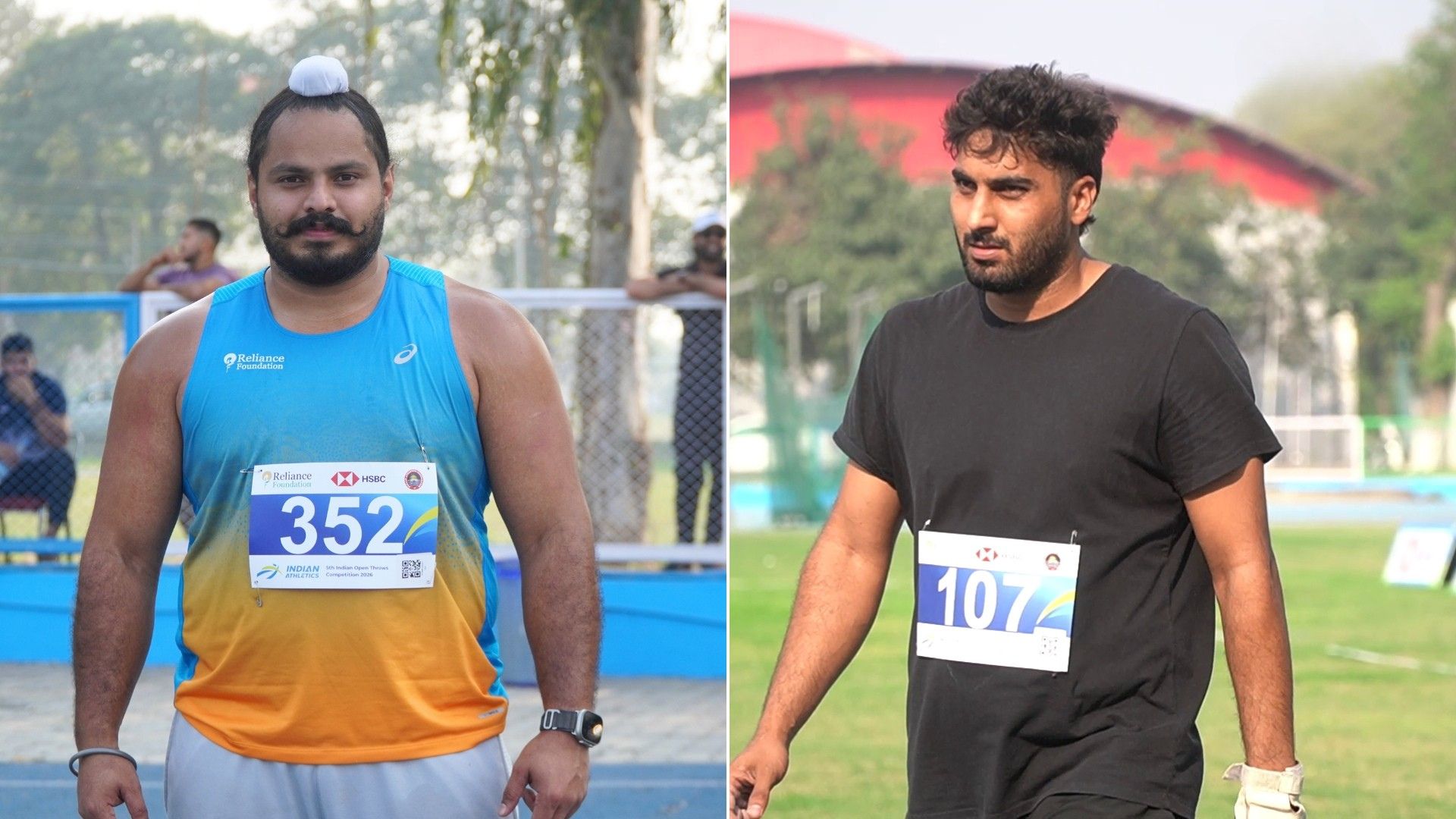
India’s hammer thrower Damneet Singh is set to compete at the Indian Series-3 on April 11 at JLN Stadium.
Singh began his 2026 season at the Indian Open Throws, registering a lifetime best of 70.64m. In his previous competition, he narrowly missed the national record by just 9cm.
At this meet, he will aim to surpass the national record of 70.73m, currently held by Neeraj Kumar. A strong performance here could establish him among India’s top hammer throwers and set the tone for the season ahead.