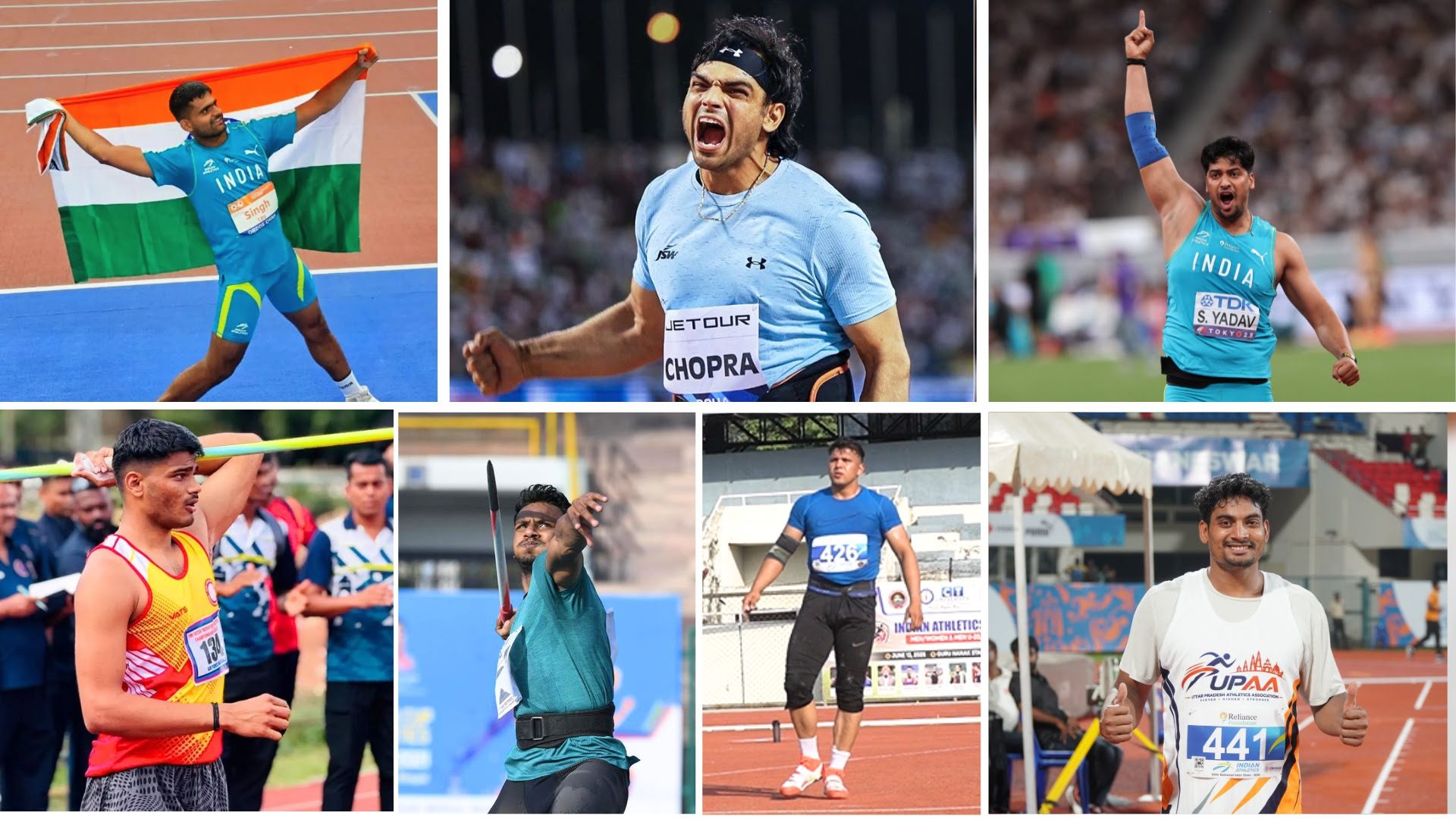

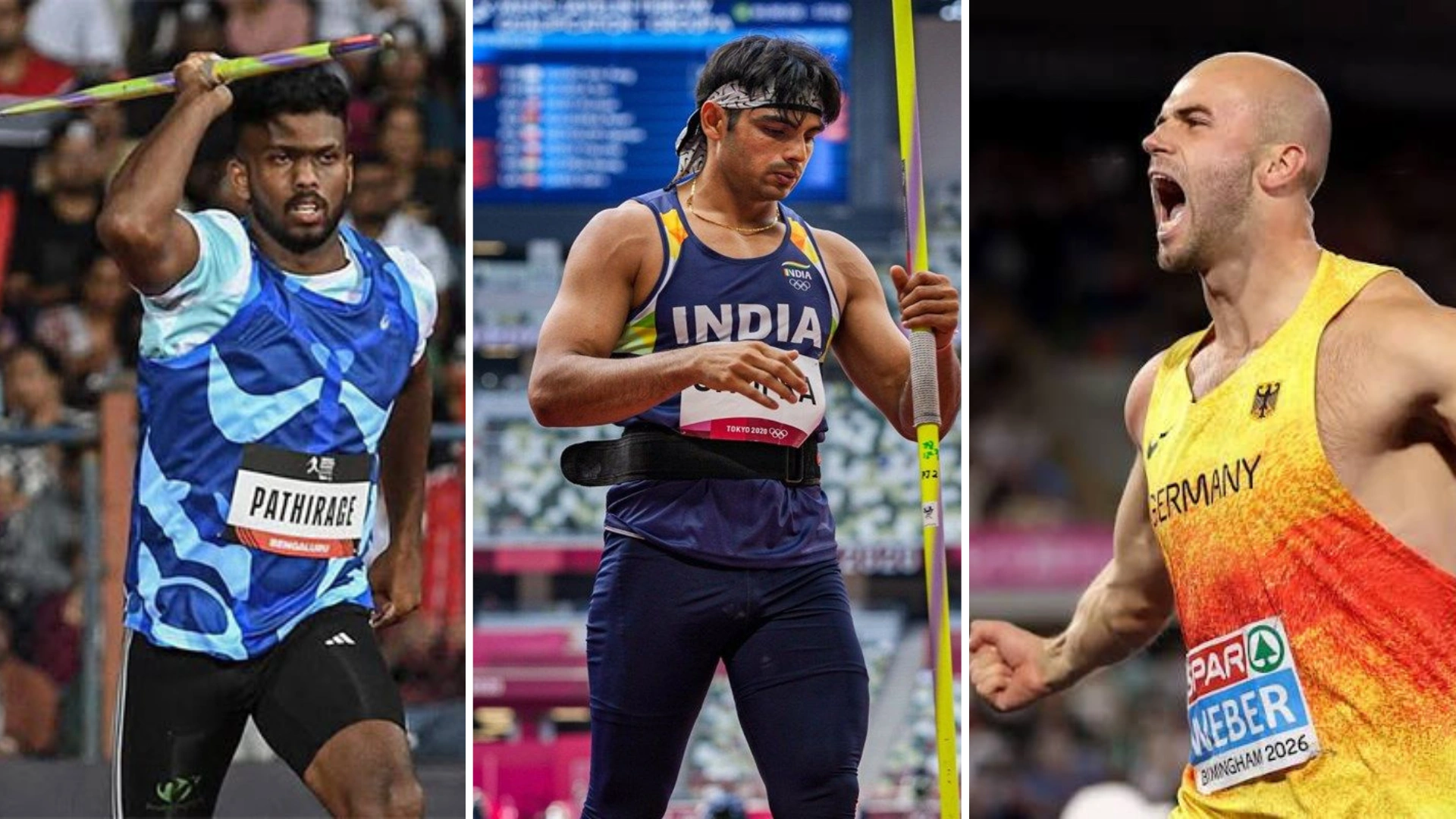
German javelin star Julian Weber enters the spotlight following his impressive performance after crossing the 90-meter barrier at the European Championships, setting the stage for an explosive showdown at the Lausanne Diamond League 2026. Taking centre stage alongside him on August 21 will be former Olympic and world champion Neeraj Chopra, with organisers confirming what is shaping up to be one of the most competitive fields in recent memory.
For Chopra, Athletissima marks his fourth appearance in Lausanne, a venue where he boasts a stellar history. The 28-year-old Indian athlete famously won the event in 2022 with a throw of 89.08m and successfully defended his crown in 2023 with 87.66m, before clinching a runner-up finish in 2024 with 89.49m. Returning this season following a lengthy injury lay-off, Chopra heads to Switzerland after securing a Commonwealth Games silver medal in Glasgow with a season-best throw of 85.83m. There, he finished just behind newly crowned Commonwealth Games champion and world leader Rumesh Pathirage, who claimed gold with an 89.75m throw.
Pathirage now leads a formidable entry list that also features two-time world champion Anderson Peters, Olympic gold medallist Keshorn Walcott, Jakub Vadlejch, Julian Weber, Curtis Thompson, and Simon Wieland. This star-studded lineup gives Chopra another golden opportunity to end an international title drought that has persisted since his victory at the NC Classic in July 2025.
As for how the night will pan out, the stage is set for a historic battle. Looking back at past editions, Lausanne has consistently served as a breeding ground for big distances, and Chopra’s own track record proves the venue brings out peak performances. With athletes like Weber riding high on momentum and Pathirage holding world-leading form, the elusive 90-meter barrier is well within reach on Lausanne’s fast runway. While the looming shadow of Budapest usually demands tactical pacing, the elite field is unlikely to hold back with Diamond League points, peak momentum, and heavy psychological advantages on the line. Expect Pathirage to set a ferocious early pace, while a progressively sharper Chopra and a surging Weber push right to the final round in a thrilling contest for the crown.
It is no surprise that the global dynamics of the javelin are undergoing a fundamental transformation. For decades, the event operated in the exclusive domain of Europe, but that geopolitical map in track and field is rapidly shifting. Led by a rising surge across Asia and Africa—evidenced by South Africa’s Jan-Hendrik Heymans taking gold and India’s Ashish Yadav securing silver in Eugene, Oregon—the event is democratizing. India is no longer an isolated anomaly riding solely on Neeraj Chopra’s individual genius; it is quietly establishing an enduring footprint on the global stage.
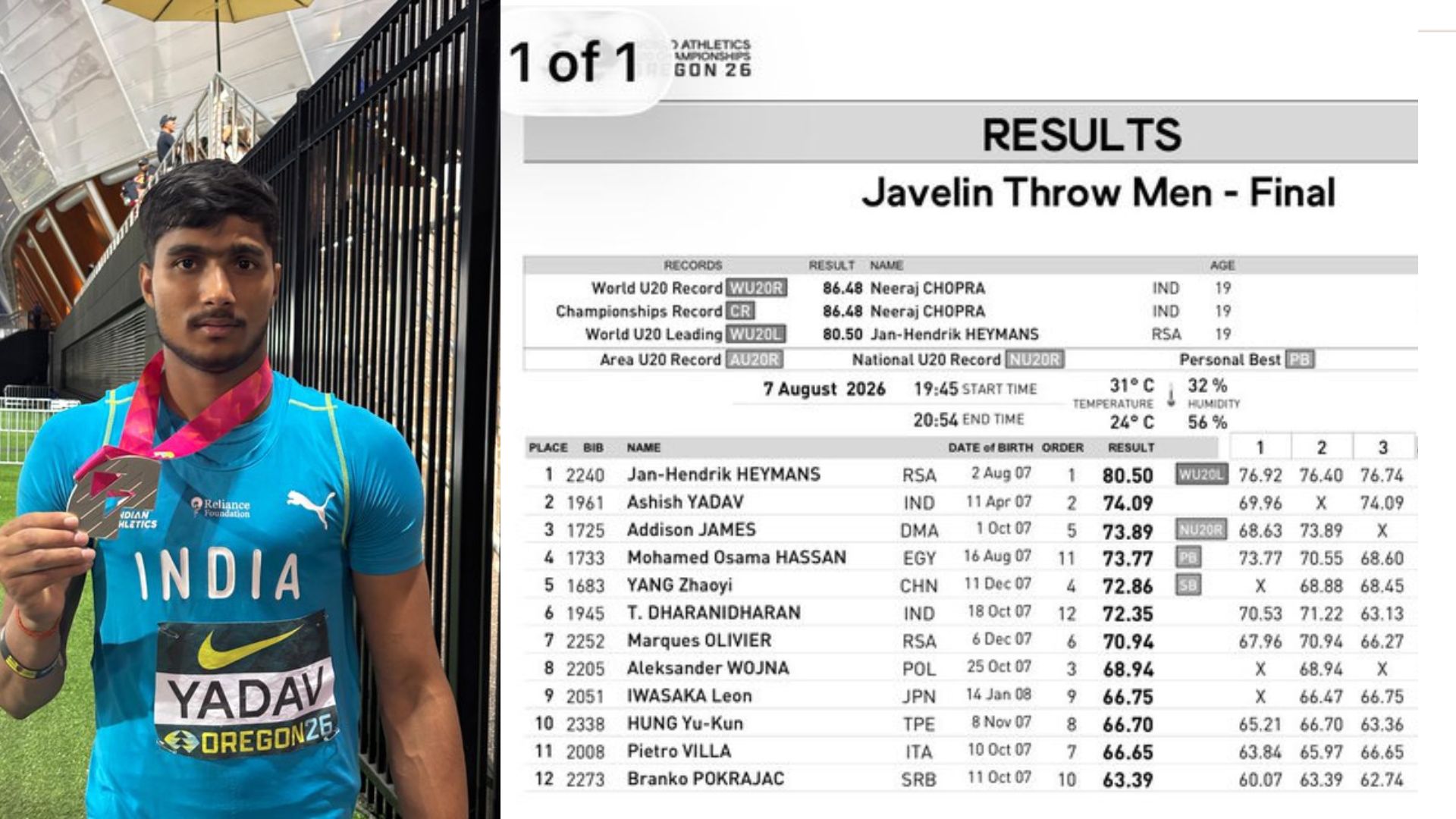
At 19 years old, Yadav’s podium finish at the World U20 Athletics Championships with a 74.09m effort marks a decisive moment for Indian athletics. Coming a decade after Chopra’s historic gold in 2016, Yadav became only the second Indian thrower to win a world junior javelin medal. What makes the achievement stand out is not merely the silverware, but what it signals about India’s maturing talent pipeline. The ability to identify raw athletic potential in non-traditional belts and convert it into world-class performance points to a structural shift in how the nation approaches Olympic discipline development.
Yadav’s journey is typical of India’s rural sports landscape. Coming from Mawaiya village in Mirzapur, Uttar Pradesh, sporting glory was the last thing on his mind—economic survival took priority. He assisted his father in milking cows and delivering milk to nearby households. His early training was rudimentary; the simple flight of wooden spears was what initially excited him.
Like any athlete’s turning point, Yadav’s came when his training environment changed: first at the Inspire Institute of Sport and later at the IIS-SAI centre in Hisar under coach Arvind Kumar. Within 15 months, sports nutrition, biomechanical monitoring, and targeted physical conditioning moulded a different athlete. He added bulk to his lean frame and increased his throw by almost 15 to 20 meters, pushing his distances close to 80m.
The path was far from easy. Yadav suffered a Posterolateral Corner (PLC) knee injury. Yet, despite that setback and the intense pressure of competing in his first global championship, he managed a 74.09m throw—speaking volumes of his resilience and hunger to win.
“I thought if I could do well in the sport, I could get a job,” Yadav revealed in an interview with Sportstar, reflecting the pragmatic mindset that initially drove his athletic pursuit.
Even as India consolidates its reputation as a formidable javelin nation, young throwers face the daunting shadow of Chopra’s achievements. Yadav is quick to distance himself from premature comparisons, recognizing the vast ground he still needs to cover.
“Neeraj bhai is an inspiration for taking up the javelin… I still have a lot more to do, so I don’t want to be compared to Neeraj bhai,” Yadav told The Indian Express following his medal-winning throw. “This medal is a good start for me because it proved that I can compete at the highest level and finish on the podium.”
As javelin dominance disperses beyond traditional strongholds, India’s ability to consistently place athletes on junior world podiums confirms that its grassroots system is finally matching its international ambitions. Yadav’s world junior silver demonstrates that India’s presence at the top of field athletics is evolving from a single superstar narrative into a sustained, long-term pipeline.
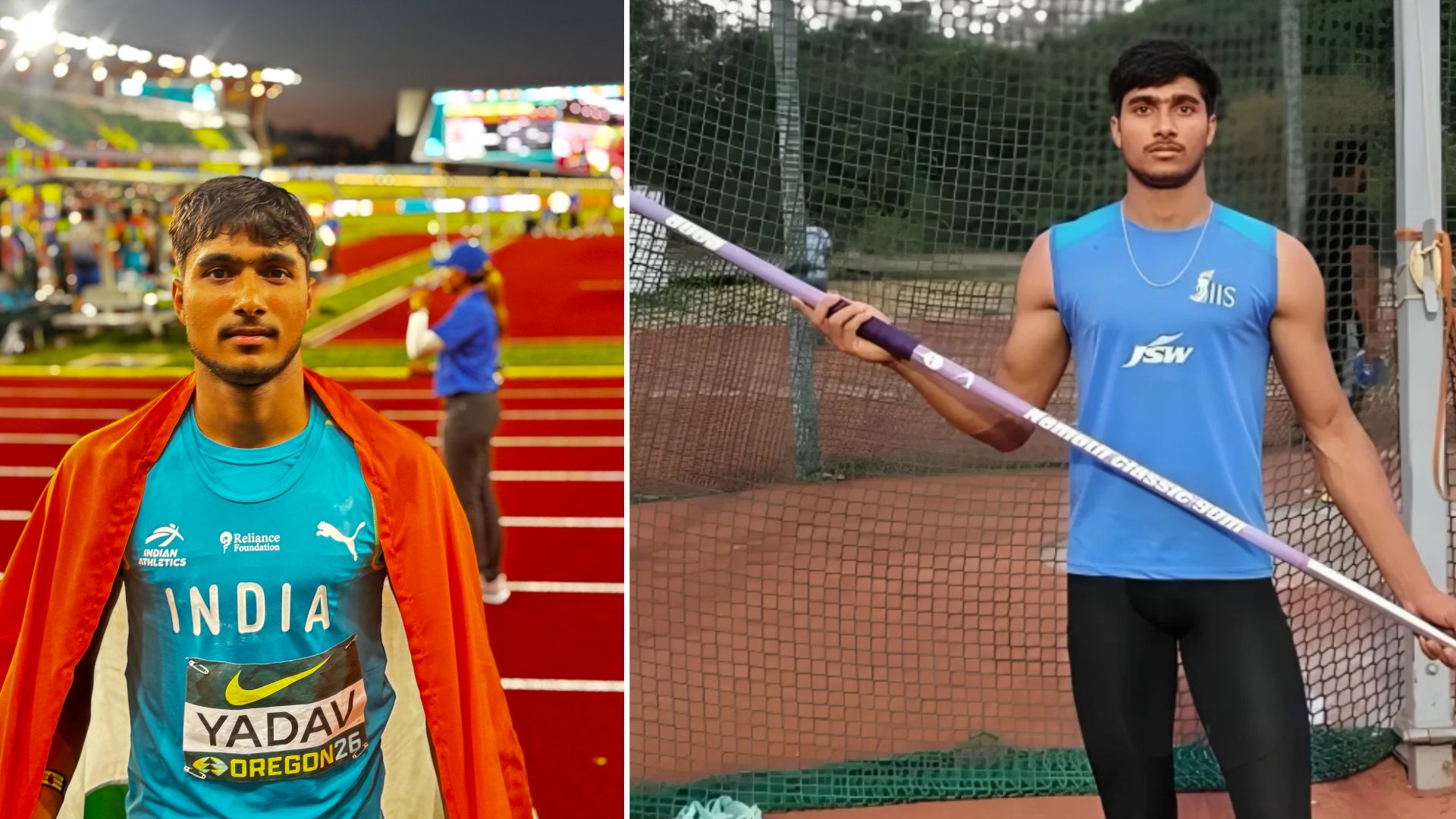
Ashish Yadav created history by winning the silver medal in the men’s javelin throw at the World Athletics U20 Championships 2026 in Eugene, becoming only the second Indian ever to win a medal in the event at the prestigious global age-group competition.
The young Indian produced a best throw of 74.09m to finish second, giving India its first medal of the championships. His achievement comes exactly a decade after Neeraj Chopra announced himself on the world stage by winning the World U20 javelin title in 2016, making Ashish only the second Indian after Neeraj to stand on the World U20 podium in the men’s javelin.
South Africa’s Jan-Hendrik Heymans dominated the competition with a world-leading throw of 80.50m to take the gold medal, while Dominica’s Addison James claimed bronze with a national U20 record of 73.89m.
Final standings:
Gold: Jan-Hendrik Heymans (South Africa) – 80.50m (World Lead)
Silver: Ashish Yadav (India) – 74.09m
Bronze: Addison James (Dominica) – 73.89m (U20 National Record)
Ashish’s silver-medal throw came in the early stages of the competition and proved good enough to keep him in medal position throughout. After three rounds, he had climbed to second place behind Heymans, with compatriot T. Dharanidharan lying fifth at 71.22m.
Remarkably, Ashish’s best effort was just 40cm short of his personal best of 74.49m, underlining the composure and consistency he displayed on one of the biggest stages in junior athletics.
The medal is another significant milestone for Indian javelin, a discipline that has enjoyed remarkable success since Neeraj Chopra’s breakthrough at the same championships in 2016. Ashish Yadav’s silver now adds another chapter to that legacy and reinforces India’s growing strength in the event at the global junior level.
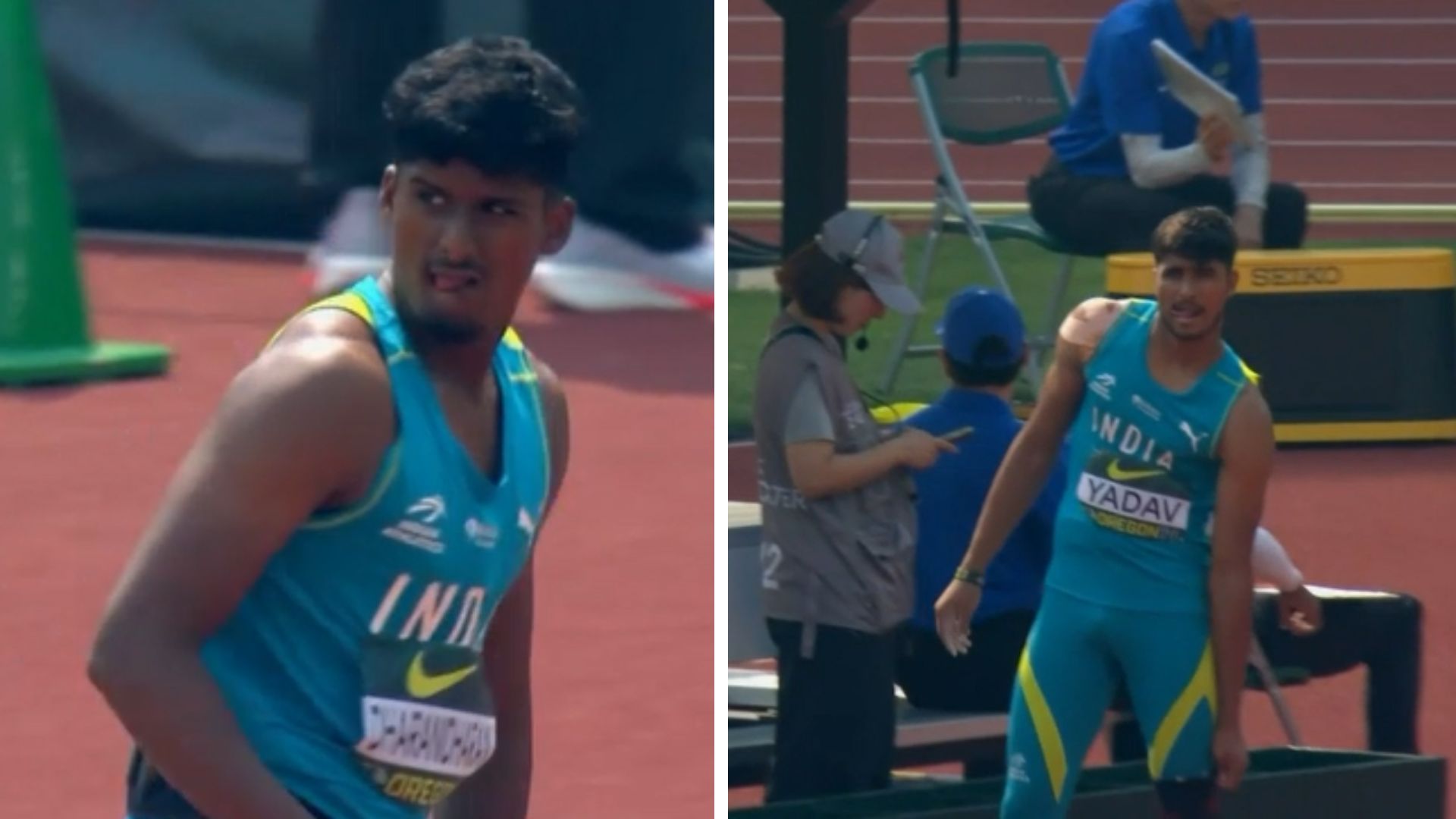
India will have two representatives in the men’s javelin throw final at the World Athletics U20 Championships 2026, with Ashish Yadav and T. Dharanidharan successfully advancing from the qualification round.
Ashish Yadav produced a confident performance to finish second overall across both qualification groups, registering a best throw of 69.87m. His consistent display ensured a comfortable qualification and established him as one of the leading contenders heading into the final.
Joining him in the medal round is T. Dharanidharan, who secured the 12th and final qualifying spot with a best effort of 68.07m. The Indian thrower held his nerve in a closely contested qualification round to book his place among the world’s top junior javelin throwers.
The qualification competition was topped by South Africa’s Jan-Hendrik Heymans, who was the only athlete to surpass the automatic qualification standard, recording an impressive 76.02m to lead the field into the final.
India’s double qualification is a significant achievement, ensuring strong representation in one of the championship’s most competitive field events. With Ashish finishing second overall and Dharanidharan also progressing, the Indian contingent will have two opportunities to challenge for medals in the final.
Both athletes have demonstrated consistency throughout the season and will now aim to produce their best performances on the biggest stage in junior athletics. Ashish enters the final with momentum after one of the strongest qualification performances, while Dharanidharan will look to build on his successful progression and improve further in the medal contest.
With two Indian javelin throwers reaching the World U20 final, India continues to showcase its growing strength in the event at the junior level. The final promises to be an exciting contest as Ashish Yadav and T. Dharanidharan take on the world’s best young javelin throwers in pursuit of a podium finish.
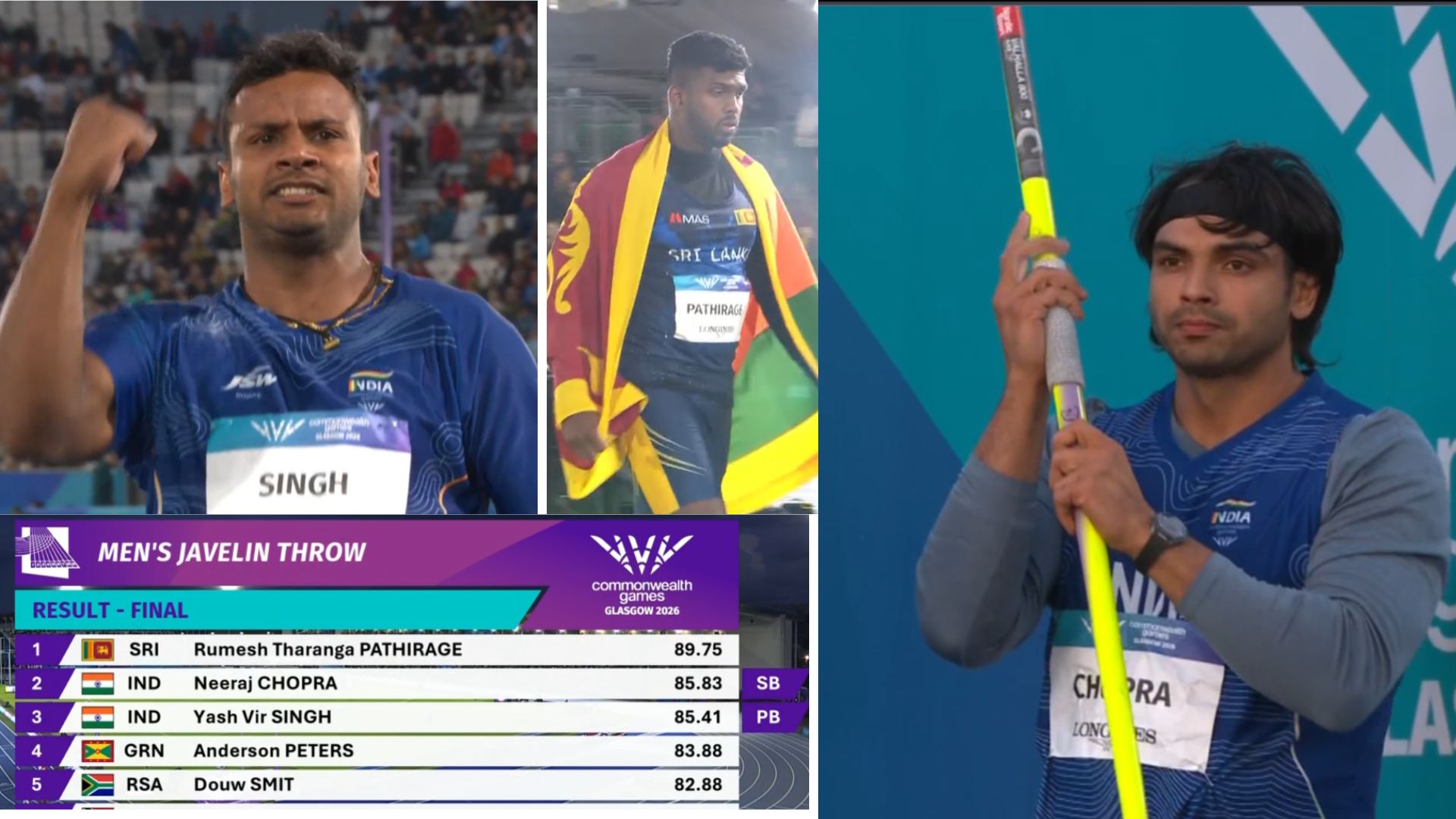
Pathirage seized the gold medal with an authoritative, soaring throw of 89.75 meters, leaving a stunned field trailing in his wake. Long gone are the days when the event felt like a closed bilateral conversation. The young Sri Lankan phenom, whose meteoric rise this season has kept the athletics world on edge, delivered a super performance under pressure with poise. When the spear left his hand, it carried not just momentum, but a clear message to the old guard: a new titan has arrived to claim the throne.
India secured a commendable 2-3 podium finish, anchored by Neeraj Chopra’s silver. Chopra fought hard, posting a season-best of 85.83 meters, displaying the resilience of a seasoned champion who refuses to yield easily. Yet, sport is relentlessly unforgiving. It is a harsh theatre where you either fight back with everything you have or sit back and watch your crown being stripped away, one majestic throw at a time. Chopra understands this dynamic better than anyone, recognizing that the standards of global excellence have shifted upward once again.
The absolute surprise of the pack, however, came from further down the Indian ranks. Yash Vir Singh authored the fairytale script of the night, pulling out a stunning personal best of 85.41 meters in the final round. Singh unleashed the ace of his life when it mattered most, leapfrogging world-class contenders to capture a sensational bronze medal. It was a breakthrough moment that announced Singh as a formidable new force on the international circuit.
Further back, the narrative was defined by the shocking fall of former giants. Olympic Champion Arshad Nadeem had a night to forget, failing to even crack the top eight after a disjointed series of throws. Similarly, former Olympic Champion and present World Champion Keshorn Walcott laboured through the evening, muted and off-colour, eventually having to settle for a distant sixth place.
By Sundeep Misra
GLASGOW — Nigeria’s Chukwuebuka Enekwechi snatched a dramatic victory in the men’s shot put final at the 2026 Commonwealth Games in Glasgow, launching a stunning fifth-round throw of 21.07 metres to dethrone defending champion Tom Walsh of New Zealand.
India will have three representatives in the men’s javelin throw final at the Commonwealth Games 2026, marking the first time ever that the country has qualified three athletes for the event’s medal round.
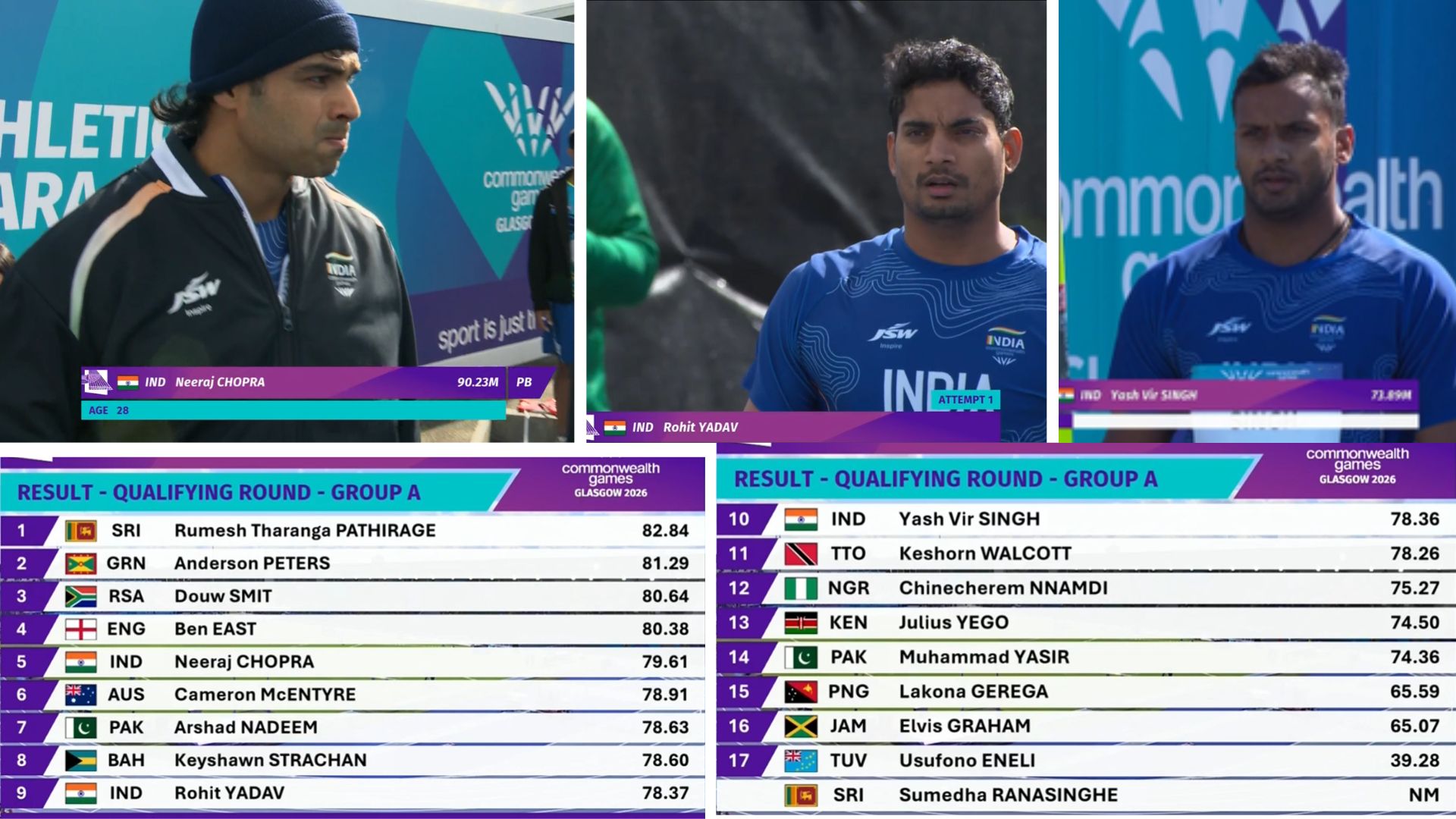
Neeraj Chopra, Rohit Yadav and Yashvir all advanced to Friday’s (31 July) final after finishing among the top 12 performers in a challenging qualification round in Glasgow.
The qualification competition proved to be a test of resilience rather than distance, with strong headwinds preventing athletes from producing their best throws. As a result, no thrower managed to achieve the automatic qualification standard of 84.00m, meaning all finalists progressed based on their overall rankings.
Indian Qualification Results
- Neeraj Chopra – 79.61m (5th)
- Rohit Yadav – 78.37m (9th)
- Yashvir – 78.36m (10th)
Neeraj improved from an opening-round throw of 76.28m to 79.61m, comfortably securing his place in the final. Rohit also built on his first effort of 77.04m, adding more than a metre to finish with 78.37m, while Yashvir improved from 73.89m to 78.36m, ensuring all three Indians advanced.
Earlier in the competition, Sri Lanka’s Rumesh Pathirage led the field with an impressive 82.84m, while South Africa’s Douw Smit occupied second place with 80.64m after the opening round. Despite multiple attempts, no athlete was able to breach the 84-metre automatic qualifying mark as the headwind continued to hamper performances throughout the session.
Pathirage ultimately topped the qualification standings with his opening throw of 82.84m, the best mark of the day.
The historic qualification gives India three genuine contenders in the final, with Olympic champion Neeraj Chopra leading the charge alongside the in-form Rohit Yadav and Yashvir, who produced one of the strongest performances of his international career to book his place.
The men’s javelin throw final will be held on 31 July, where India will aim to convert its unprecedented three-athlete representation into another Commonwealth Games medal.
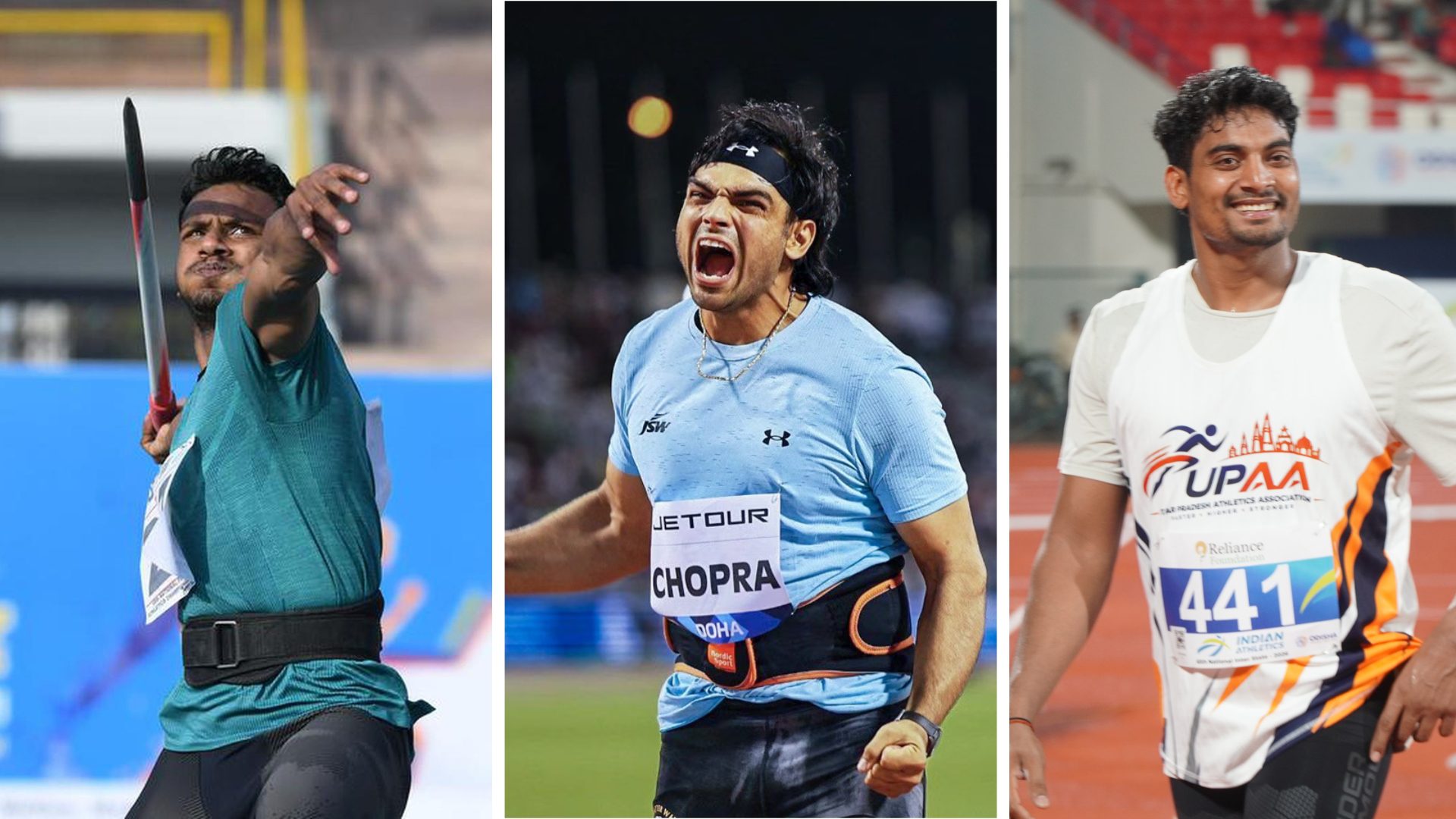
India will field one of the strongest men’s javelin throw squads at the Commonwealth Games 2026, with Neeraj Chopra, Rohit Yadav, and Yash Vir Singh set to represent the country in Glasgow. With three athletes ranked among the leading selected competitors this season, India enters the competition with genuine hopes of multiple medals.
Among athletes selected for the Commonwealth Games, Rumesh Pathirage of Sri Lanka tops the season list with an outstanding 92.62m. Close behind is Rohit Yadav, whose sensational 87.05m lifetime best ranks second among the selected athletes. His breakthrough throw has established him as one of the leading contenders heading into Glasgow.
Anderson Peters of Grenada occupies third with 86.38m, while Australia’s Cameron McEntyre has recorded 85.73m. Two-time Olympic medallist Neeraj Chopra enters the Games with a season-best of 85.69m, placing him fifth on the selected list. Douw Smit of South Africa (84.79m) and Chinecherem Nnamdi of Nigeria (84.68m) are also among the top contenders, while Yash Vir Singh rounds out the top eight with a personal best of 83.76m.
India’s trio combines proven championship experience with emerging talent. Neeraj Chopra remains the country’s most accomplished javelin thrower and will once again lead the Indian challenge. Alongside him, Rohit Yadav and Yash Vir Singh have enjoyed breakthrough campaigns, producing career-best throws of 87.05m and 83.76m, respectively, to establish themselves among the Commonwealth’s leading performers.
A notable feature of the 2026 season is India’s remarkable depth in the event. India is the only nation with three athletes ranked inside the top eight among the selected Commonwealth Games competitors, underlining the country’s growing strength in men’s javelin throw.
With an experienced champion in Neeraj Chopra and two rapidly improving throwers in Rohit Yadav and Yash Vir Singh, India travels to Glasgow with one of the strongest javelin squads in the competition. If the trio reproduces its season-best form, the country will be well placed to challenge for top honours in one of the marquee field events of the Commonwealth Games.
For more visit Commonwealth Games 2026
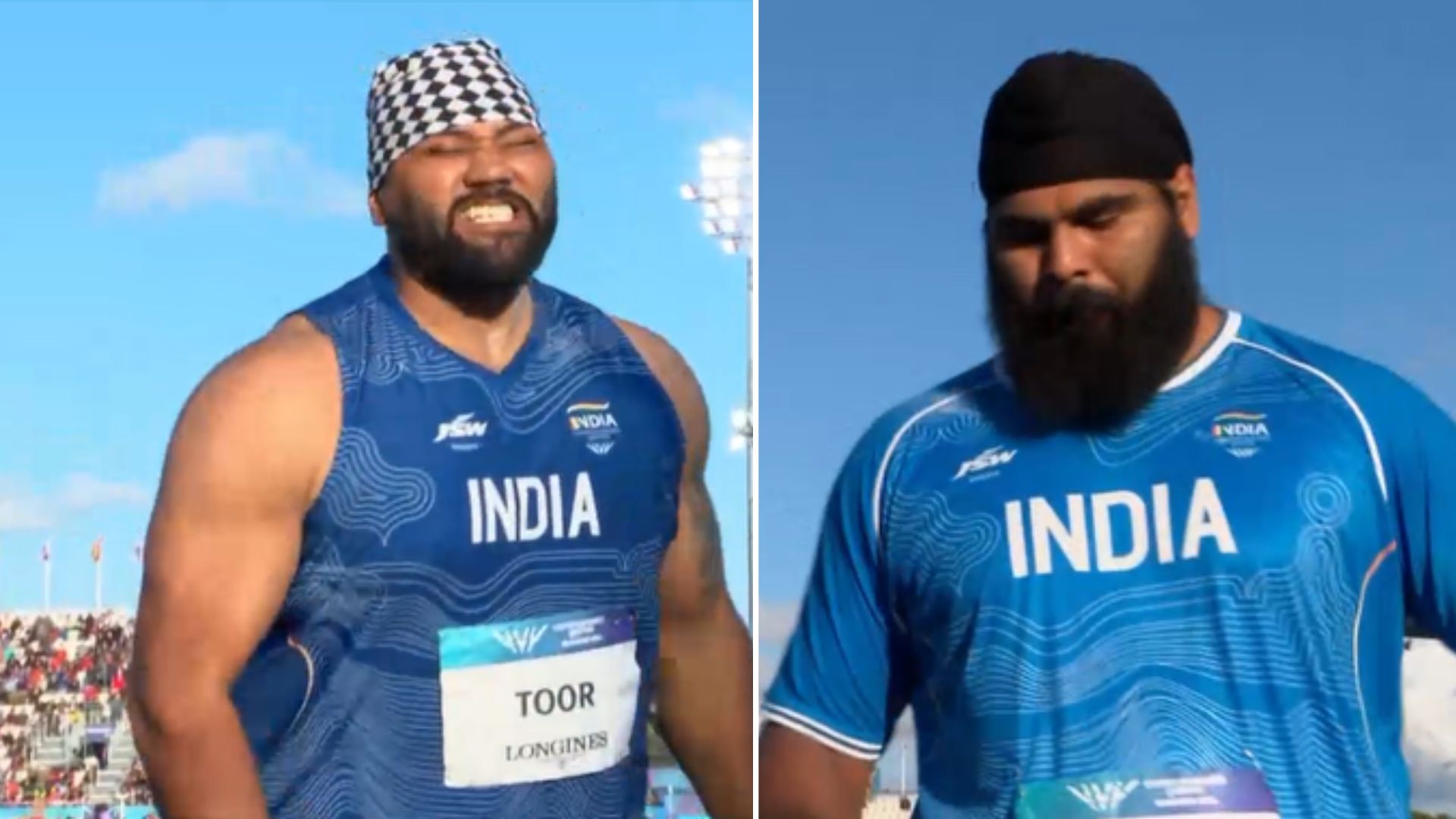
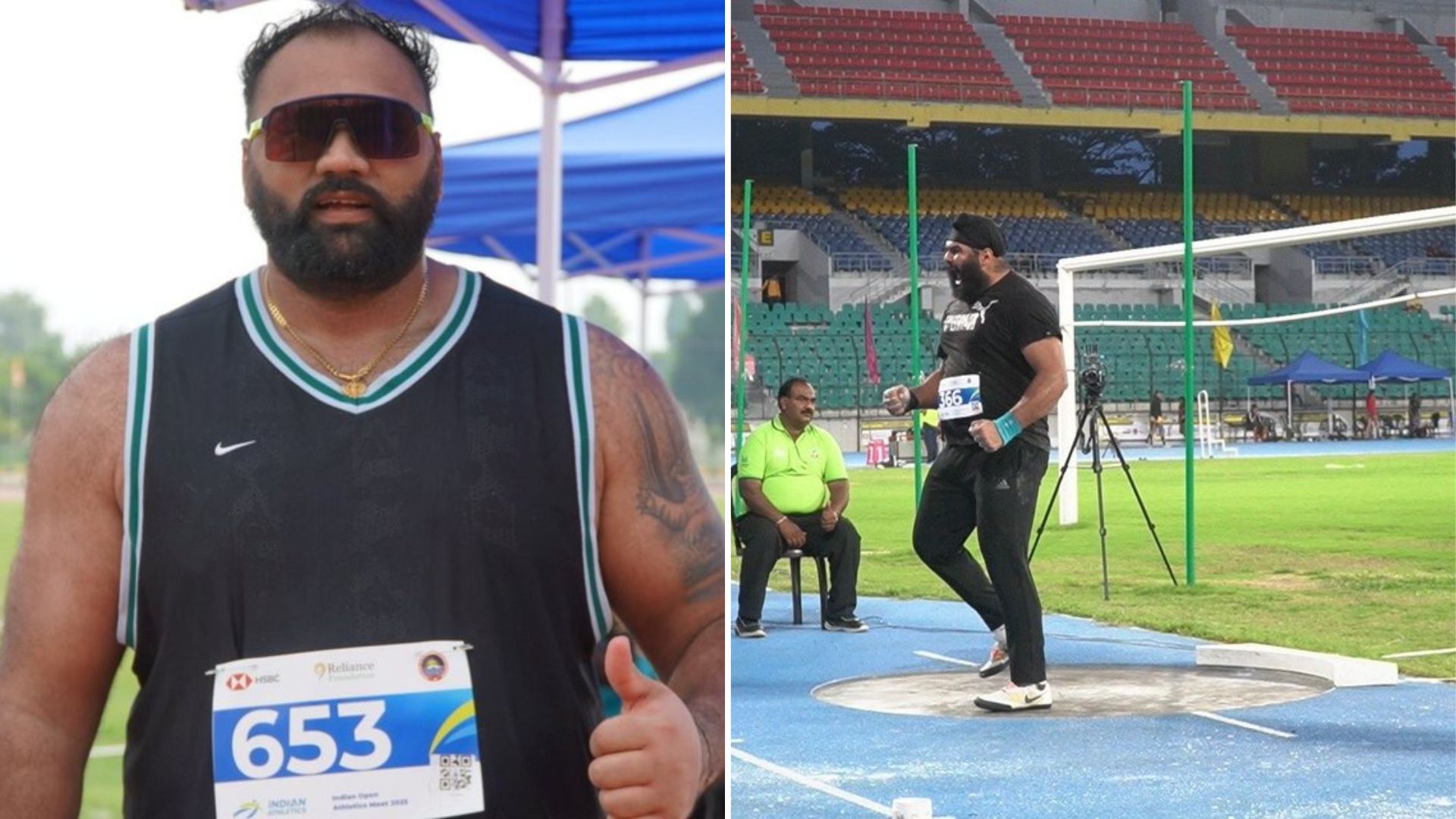
India will be represented by Tajinderpal Singh Toor and Samardeep Gill in the men’s shot put at the Commonwealth Games 2026, with both athletes heading to Glasgow after impressive seasons that have strengthened India’s prospects in the event.
Leading the Indian challenge is Tajinderpal Singh Toor, who has enjoyed a strong return to form in 2026. The experienced shot putter has recorded a season-best of 21.03m, ranking him sixth among athletes selected for the Commonwealth Games. More importantly, Toor has crossed the 21-metre mark for the first time in two years, signalling an encouraging comeback ahead of one of the biggest competitions of the season.
Joining him is Samardeep Gill, who has emerged as one of India’s most promising young throwers. Samardeep produced a lifetime best of 20.46m, becoming a 20-metre thrower for the first time in his career. His breakthrough performance places him 12th among the selected Commonwealth athletes, underlining the steady progress he has made this season.
The competition in Glasgow is expected to be of the highest standard. New Zealand’s Tom Walsh leads the selected field with a world-class 21.82m, followed closely by Chukwuebuka Enekwechi of Nigeria at 21.74m. New Zealand’s Nick Palmer (21.19m) and Great Britain’s Scott Lincoln (21.16m) also enter the Games in strong form, while South Africa’s Aiden Smith (20.89m) and New Zealand’s Jacko Gill (20.64m) are among the other leading contenders.
India’s two representatives arrive with contrasting but equally encouraging stories. Toor brings experience and proven pedigree after returning beyond 21 metres, while Samardeep represents the next generation of Indian shot putting following his breakthrough season.
With Toor rediscovering his best form and Samardeep making rapid strides, India has a balanced combination of experience and emerging talent. Both athletes will be aiming to produce their best performances in Glasgow as they challenge a world-class field and seek to bring another Commonwealth Games medal home for Indian athletics.
For more visit Commonwealth Games 2026
| India and javelin have been producing wonders for many years now. A boy from Panipat, Haryana, who clinched India’s first-ever Olympic track & field gold medal in javelin at the Tokyo Olympics, sparked something much bigger. It has taken time, but now the results are visible for everyone to see.
Javelin has unofficially become one of the favourite sports for many Indians—not only to watch but also to compete in. More athletes are choosing the event, as reflected by the growing participation at the national level and the high standard of performances, which at times rival the global level. For example, at the latest Indian National Championships, Uttar Pradesh’s Rohit Yadav was trailing until the final round before producing a lifetime best throw of 87.05m to clinch the title. That mark currently stands as the second-best throw in the world this season. In the same competition, three athletes crossed the 80m mark. Interestingly, a total of seven Indian athletes have crossed the 80m mark this season, with two of them achieving the feat for the first time in their careers.
These seven Indian athletes are the highest by any nation this season. Collectively, they have also produced 16 performances over 80m this season—the highest total by any country.
These figures are based on World Athletics statistics as of 13 July 2026. As per World Athletics, only the best throw from a single competition is counted as one performance. The United States ranks second with three throwers crossing 80m a combined 14 times this season:
Germany has three throwers who have crossed the 80m mark a combined five times this season:
India’s neighbour Sri Lanka has one thrower, Rumesh Pathirage, who has crossed 80m seven times this season. He also owns the world-leading mark of 92.62m. Among the top 10 throws in the world this season, India has two entries—Rohit Yadav’s 87.05m is ranked second, while Neeraj Chopra’s 85.69m is fifth. Apart from India, only the United States has two throwers in the world’s top 10 this season. |