




When sporting legends trade medals for mudslinging and accuse one another of underhand tactics, it paints a deeply woeful picture of Indian sports administration.
Instead of inspiring the next generation, the build-up to the Indian Olympic Association (IOA) elections has descended into an ugly public spectacle featuring some of the nation’s greatest athletic icons:
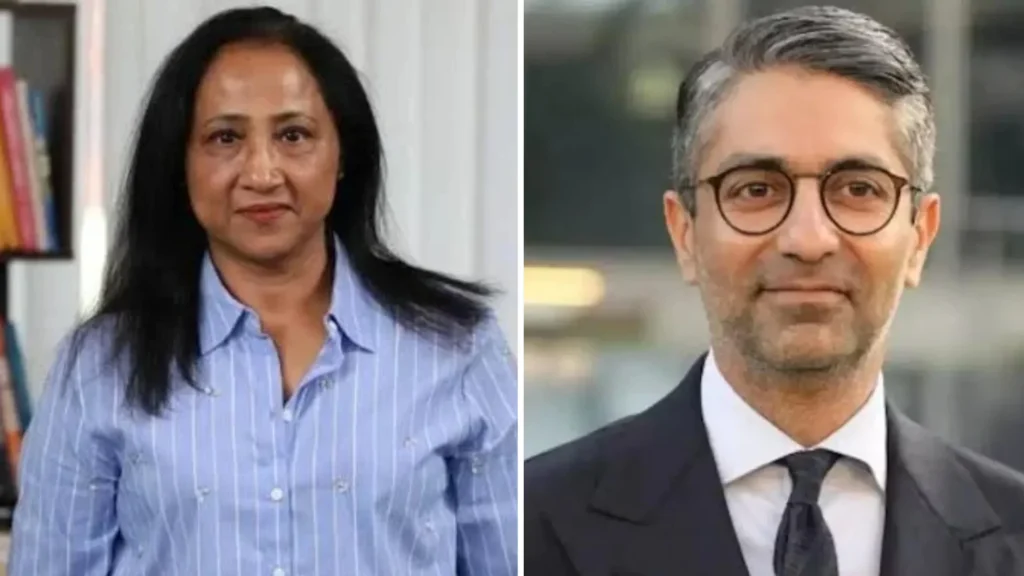
- Ashwini Nachappa alleges coercion: The former sprint star claimed she—along with four other female candidates—was forced to withdraw from the Sportspersons of Outstanding Merit (SOM) race under “external pressure,” declaring the pullouts were far from voluntary and questioning the transparency of the polls.
- P.T. Usha cries foul play: Following a humiliating defeat where she failed to secure a women’s SOM spot, incumbent IOA President P.T. Usha alleged the voting process was fraudulent. She filed formal Model Code of Conduct complaints against rival campaigners—specifically targeting a WhatsApp message circulated from an account bearing former archer Dola Banerjee’s name—and took the extraordinary step of appealing directly to Prime Minister Narendra Modi and the International Olympic Committee (IOC) for intervention.
- Abhinav Bindra flags constitutional opacity: India’s first individual Olympic gold medallist went public with a letter written to Usha and IOA CEO Raghuram Iyer, accusing the leadership and Electoral Officer of failing to answer crucial questions regarding the clash between Article 3.7 of the IOA Constitution and the newly notified SOM election rules.
Why the IOA Matters—and Why Everyone Wants the Crown
To understand why icons are clashing so fiercely, one must look at the sheer power and prestige of the Indian Olympic Association (IOA).
As the apex governing body responsible for selecting, managing, and sending Indian contingents to the Olympic Games, Asian Games, and Commonwealth Games, the IOA sits at the absolute pinnacle of Indian sport. Its Executive Council controls national sports diplomacy, major funding allocations, and policy decisions across dozens of National Sports Federations.
The stakes in 2026 are higher than ever: the incoming IOA leadership will steer India’s preparations for hosting the 2030 Commonwealth Games in Ahmedabad and spearhead the nation’s ambitious bid to host the 2036 Olympic Games. Winning a seat at this table doesn’t just confer immense administrative power—it places officials at the center of historic global sporting events.
Inside the November 9 SOM Election Fallout
The SOM category is the gateway to power. The eight elected SOMs (four men and four women) become voting members of the IOA General Assembly and gain eligibility to contest top Executive Council posts in the December 5 elections.
In the women’s category, five of the original 11 contenders—Ashwini Nachappa, archer Chekrovolu Swuro, Neelam Setti Laxmi, Ragina Kiro, and former shuttler Trupti Murgunde—abruptly withdrew, leaving six candidates to battle for four spots.
When the votes were counted, P.T. Usha finished fifth, shut out of the General Assembly through the SOM route. The four elected women were:
- Anju Bobby George – 53 votes
- Rani Rampal – 50 votes
- Dola Banerjee – 45 votes
- Saina Nehwal – 43 votes
Code Violations, WhatsApp Campaigns & Constitutional Doubts
The bitterness spilled over into formal legal and ethical challenges:
- The WhatsApp Controversy: A day before the November 9 polls, Usha lodged a complaint with Electoral Officer Sanjay Kumar Srivastava over a WhatsApp message promoting the ‘New Bharat Panel’ that listed ballot serial and roll numbers for four specific candidates. Usha cited violations of Clause 1.9 (which bars vote solicitation via social networks and new media) as well as Clauses 1.2 and 1.3 (mandating dignity and fair play).
- Unanswered Rulebook Questions: Meanwhile, Abhinav Bindra emphasized that his October 31 letter was not about backing any faction, but about institutional credibility. Pointing out discrepancies between how SOMs were selected in 2022 under Article 3.7 versus the new 80-member online electoral roll system, Bindra noted that neither the IOA leadership nor the Electoral Officer provided a substantive explanation.
With the December 5 Executive Council elections fast approaching, Indian sport finds itself distracted by boardroom warfare—a sad spectacle when the very heroes meant to elevate the nation’s sporting culture are busy tearing each other down.