





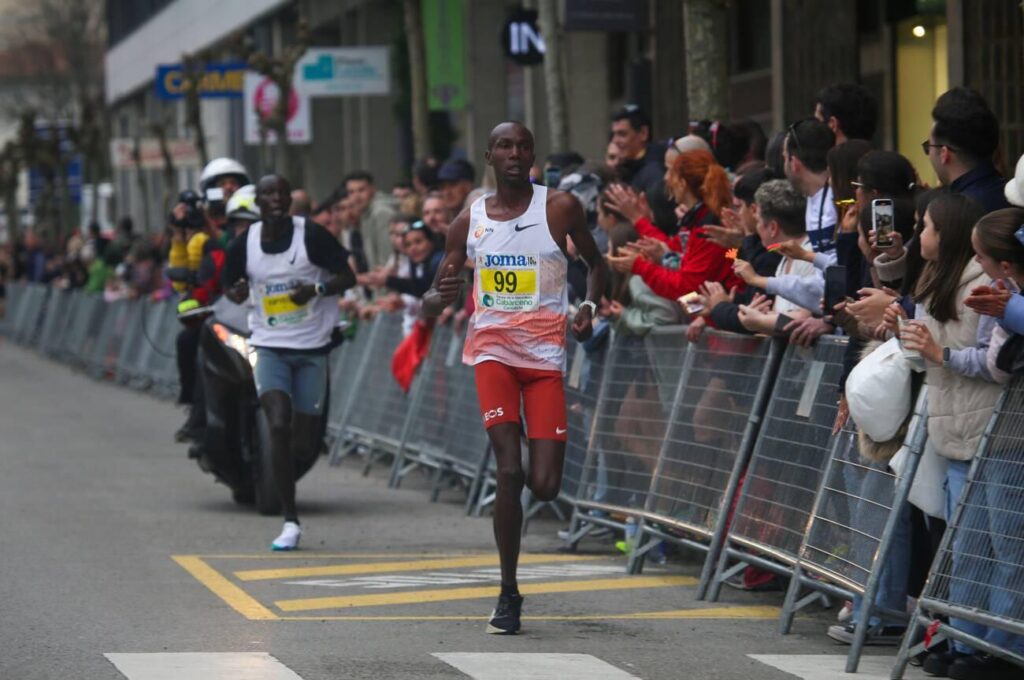
Athletics Integrity Unit’s Disciplinary Tribunal has banned Kenyan athlete Hillary Kipchirchir Chepkwony for four years, effective from 8 December 2025, for the Use of a Prohibited Substance/Method in an Athlete Biological Passport (ABP) case. His results from 24 August 2024 onwards have been disqualified.
On 8 December 2025, the AIU served a Notice of Charge on the athlete under Rule 2.2 of the 2025 Anti-Doping Rules (ADR), relating to the Use of a Prohibited Substance or Prohibited Method.
Between 20 September 2022 and 2 January 2025, 17 blood samples were collected from the athlete as part of the World Athletics Athlete Biological Passport programme.
The Joint Expert Panel identified abnormalities in blood samples collected on 24 August 2024 and 29 August 2024, referred to as “Sample 14” and “Sample 15”. In its unanimous opinion dated 12 May 2025, the panel stated it was “highly likely” that the athlete’s passport profile was the result of the Use of a Prohibited Substance or Prohibited Method, specifically blood doping, and “unlikely” to be caused by any other factor.
The athlete disputed the findings and denied the charge. On 22 December 2025, he requested that the matter be heard before the Disciplinary Tribunal.
The Disciplinary Tribunal, constituted under Rule 1.3 of the 2025 ADR, has jurisdiction to hear Anti-Doping Rule Violations involving international-level athletes. The athlete did not challenge the application of the ADR, nor the jurisdiction of the AIU or the Tribunal.
Chepkwony, who is managed by Global Sports Communications, becomes the fourth athlete associated with the Ineos 1:59 Challenge and/or coach Patrick Sang to receive a doping ban. Sang is best known for coaching Eliud Kipchoge and Faith Kipyegon to world records.