
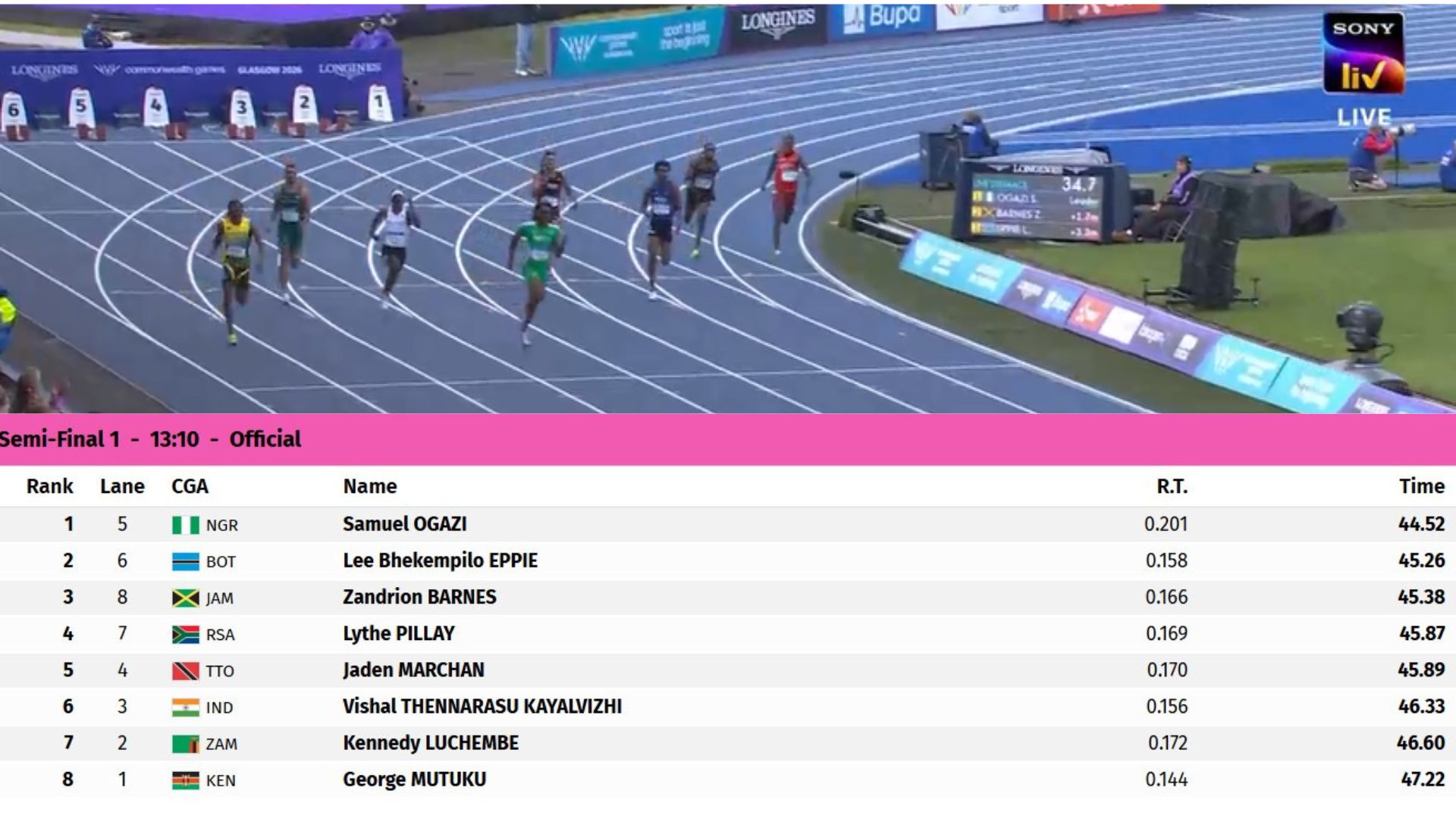
India’s national record holder Vishal TK saw his Commonwealth Games 2026 campaign come to an end in the men’s 400m semifinals, finishing sixth in the opening semifinal in 46.33 seconds.
The Indian quarter-miler was unable to reproduce the form that had carried him through the opening round, missing out on a place in the final against a high-quality field.
Qualified Comfortably from the Heats
Vishal began his campaign with a strong run in the first round, finishing second in his heat with a time of 46.49 seconds.
His performance was enough to secure qualification for the semifinals as one of the 16 fastest athletes across all heats. He finished 14th overall after the completion of the qualifying round to advance to the next stage.
It was a positive start for India’s national record holder, who looked composed as he booked his place among the semifinalists.
However, it was the end of the road for fellow Indian Rajesh Ramesh, who failed to progress after finishing 25th overall in the qualifying round.
Semifinal Challenge Proves Too Tough
In the semifinals, Vishal clocked 46.33s, an improvement on his heat performance, but it was not enough to earn a place in the medal race.
The opening semifinal was won in spectacular fashion by Nigeria’s Samuel Ogazi, who stormed home in 44.52 seconds—the fastest men’s 400m semifinal ever run at the Commonwealth Games.
With the pace set at a historic level, Vishal finished sixth and bowed out of the competition.
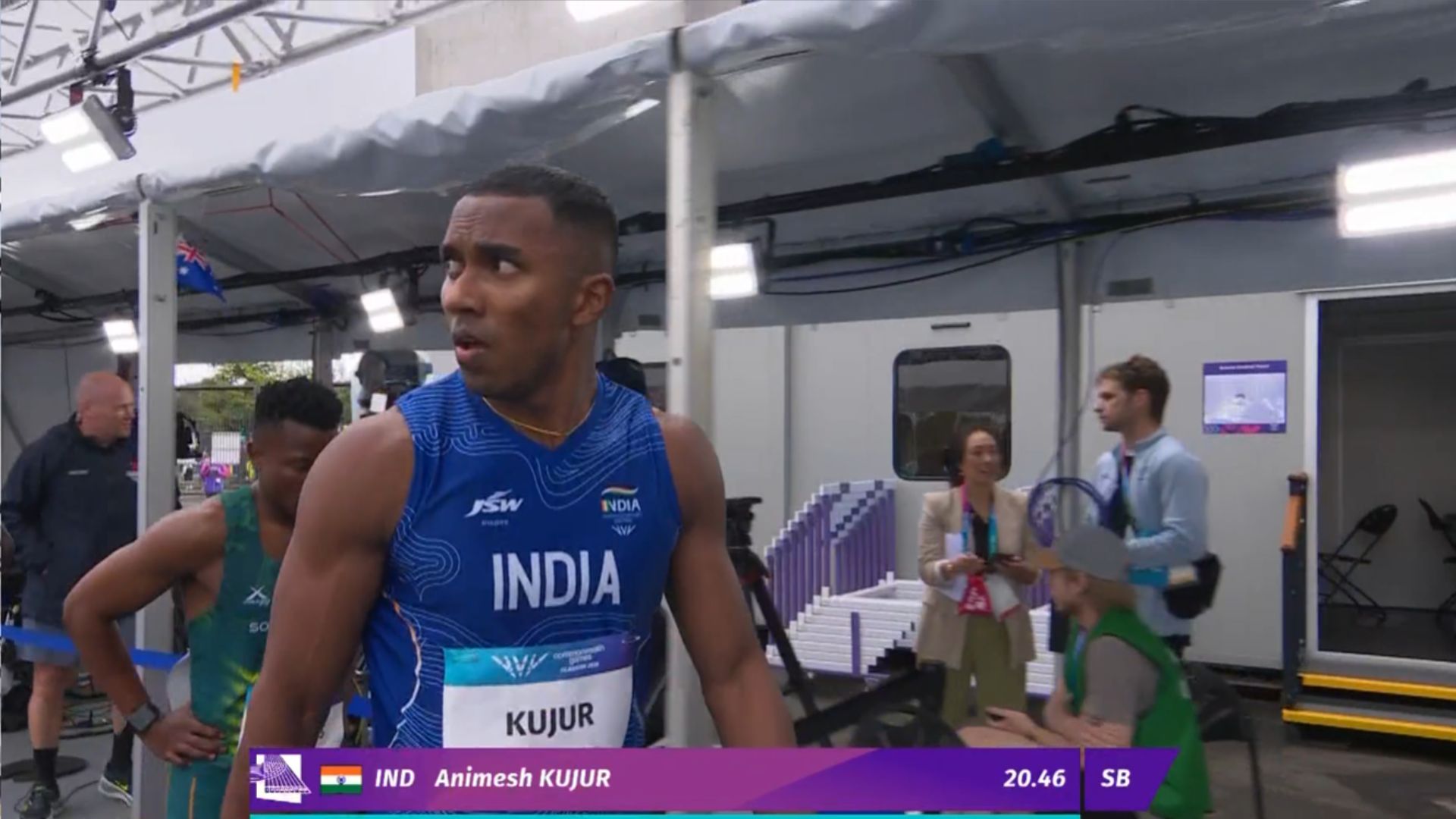
India’s Animesh Kujur made an impressive start to his Commonwealth Games 2026 campaign, winning his opening-round heat of the men’s 200m in a season’s best 20.46 seconds to comfortably qualify for the semifinals in Glasgow.
The 22-year-old, India’s national record holder in the event and the first Indian to break the 20.50-second barrier, produced a composed performance in Heat 4, crossing the line first in legal wind conditions of +1.4 m/s.
His winning time improved his previous season’s best of 20.47s, set at the Taiwan Open, by one hundredth of a second.
Season Progress
- Taiwan Open: 20.47s (Previous Season Best)
- Commonwealth Games Round 1: 20.46s (New Season Best)
Unlike previous editions, the qualification format for the men’s 200m did not award automatic qualification based on heat positions. Instead, the 16 fastest athletes across all 10 heats advanced to the semifinals.
Animesh’s 20.46s ranked him seventh overall among all qualifiers, ensuring a comfortable progression to the next round.
Top Qualifiers for the Men’s 200m Semifinals
- Jevaughn Powell (Jamaica) – 20.28s (+2.6)
- Udodi Onwuzurike (Nigeria) – 20.31s (+2.4)
- Joseph Amoah (Ghana) – 20.36s (+1.6)
- Christopher Taylor (Jamaica) – 20.36s (+1.6)
- Zablon Ekwam (Kenya) – 20.42s (+2.0)
- Zharnel Hughes (England) – 20.45s (+1.6)
- Animesh Kujur (India) – 20.46s (+1.4)
- Lachlan Kennedy (Australia) – 20.50s (+2.6)
India’s Sprint Star Continues His Rise
Animesh arrived in Glasgow on the back of a breakthrough season that has firmly established him as India’s fastest 200m runner.
Earlier this year, he became the first Indian in history to break the 20.50-second barrier, setting a national record in the half-lap sprint. In the lead-up to the Commonwealth Games, he also clocked a personal best of 10.14 seconds over 100m—the fastest time ever recorded by an Indian outside the country.
His latest performance in Glasgow suggests he is carrying that form into one of the biggest competitions of his career.
With a heat victory, a new season’s best and a place among the top eight qualifiers, Animesh has positioned himself well ahead of the semifinals, where he will look to continue his impressive run and challenge for a place in the Commonwealth Games final.
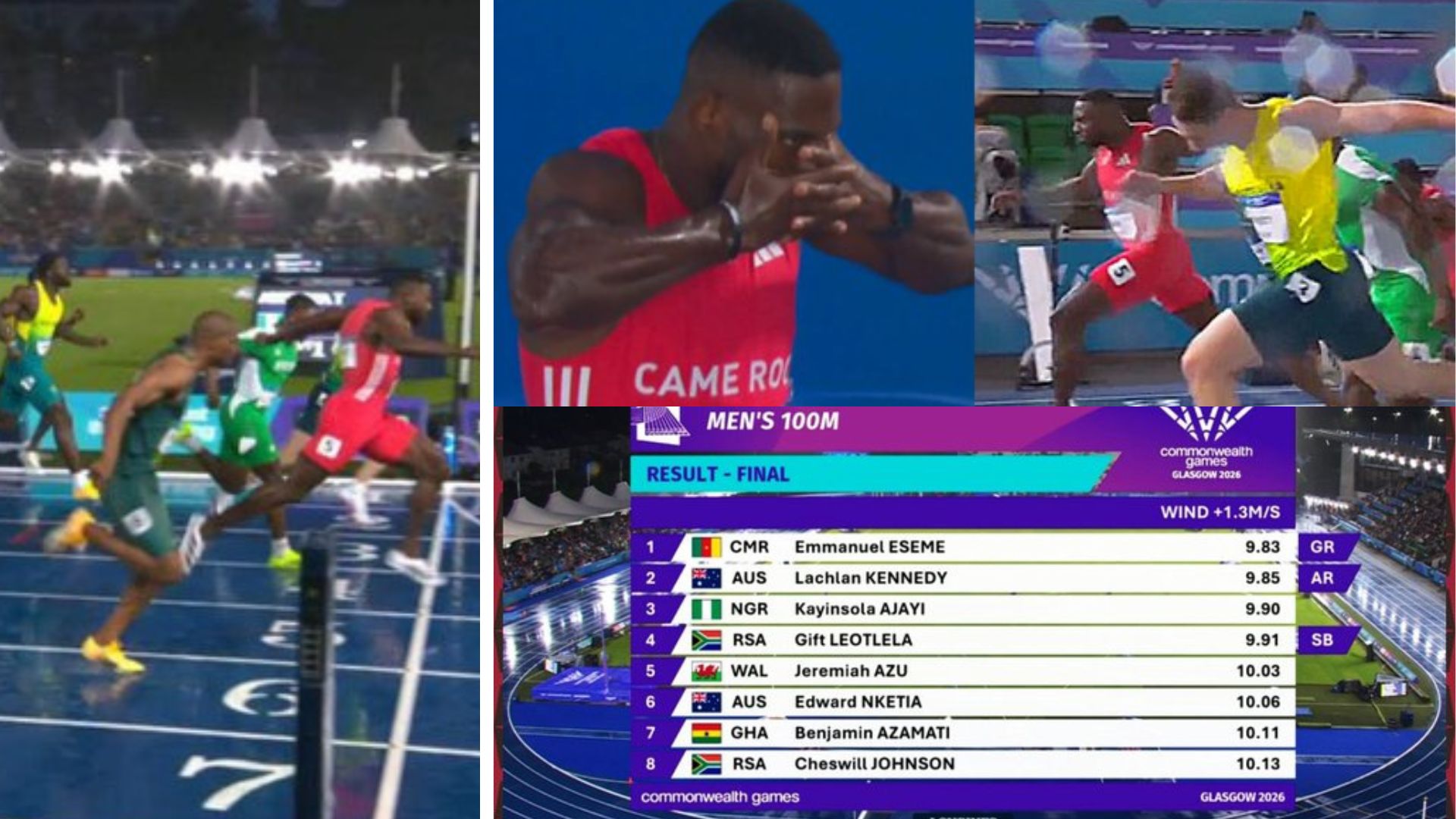
Cameroon’s Emmanuel Eseme delivered the performance of his life to win the men’s 100m title at the Commonwealth Games 2026, storming to a Games record and national record of 9.83 seconds in a rain-soaked Glasgow.
The 32-year-old, who only took up athletics at the age of 24, produced a sensational run into a legal +1.3 m/s wind to become Commonwealth champion and cement his place among Africa’s greatest sprinters.
Australia’s Lachlan Kennedy pushed Eseme all the way, clocking 9.85 seconds to take silver while breaking Australia’s 23-year-old national record. Nigeria’s Kayinsola Ajayi, just 21 years old, claimed bronze in 9.90 seconds, securing Nigeria’s first Commonwealth Games medal in the men’s 100m in two decades.
Men’s 100m Final
 Emmanuel Eseme (Cameroon) – 9.83 (Games Record & Cameroon National Record)
- Lachlan Kennedy (Australia) – 9.85 (Australian Record)
- Kayinsola Ajayi (Nigeria) – 9.90
 Emmanuel Eseme (Cameroon) – 9.83 (Games Record & Cameroon National Record)
 Lachlan Kennedy (Australia) – 9.85 (Australian Record)
 Kayinsola Ajayi (Nigeria) – 9.90
In one of the fastest Commonwealth Games finals ever, four athletes broke the 10-second barrier despite heavy rain, highlighting the exceptional quality of the race.
A Remarkable Journey
Eseme’s triumph is the culmination of an extraordinary journey.
Unlike most elite sprinters, the Cameroonian only began athletics at 24 years of age, making his rise to the top of the Commonwealth podium all the more remarkable. His winning time of 9.83 seconds not only shattered the Games record but also improved his own standing among the continent’s sprint greats, moving him to third on the African all-time list.
The victory also ended a long wait for Cameroon, delivering the country’s first Commonwealth Games track gold medal in two decades.
Kennedy Rewrites Australian Record Books
Silver medallist Lachlan Kennedy also produced a career-defining performance.
His 9.85-second run eclipsed Australia’s long-standing national record, which had stood for 23 years, underlining the emergence of a new force in Australian sprinting.
Historic Bronze for Nigeria
For Kayinsola Ajayi, the bronze medal represented more than a place on the podium.
The 21-year-old became the first Nigerian man to win a Commonwealth Games medal in the 100m since Olusoji Fasuba claimed silver at the 2006 Melbourne Games, ending a 20-year wait for one of Africa’s traditional sprinting powerhouses.
With records falling, national milestones achieved and one of the deepest sprint finals in Commonwealth Games history, the Glasgow men’s 100m final will be remembered as a race that showcased a new generation of global sprinting talent while crowning an unlikely champion whose journey began later than almost anyone could have imagined.
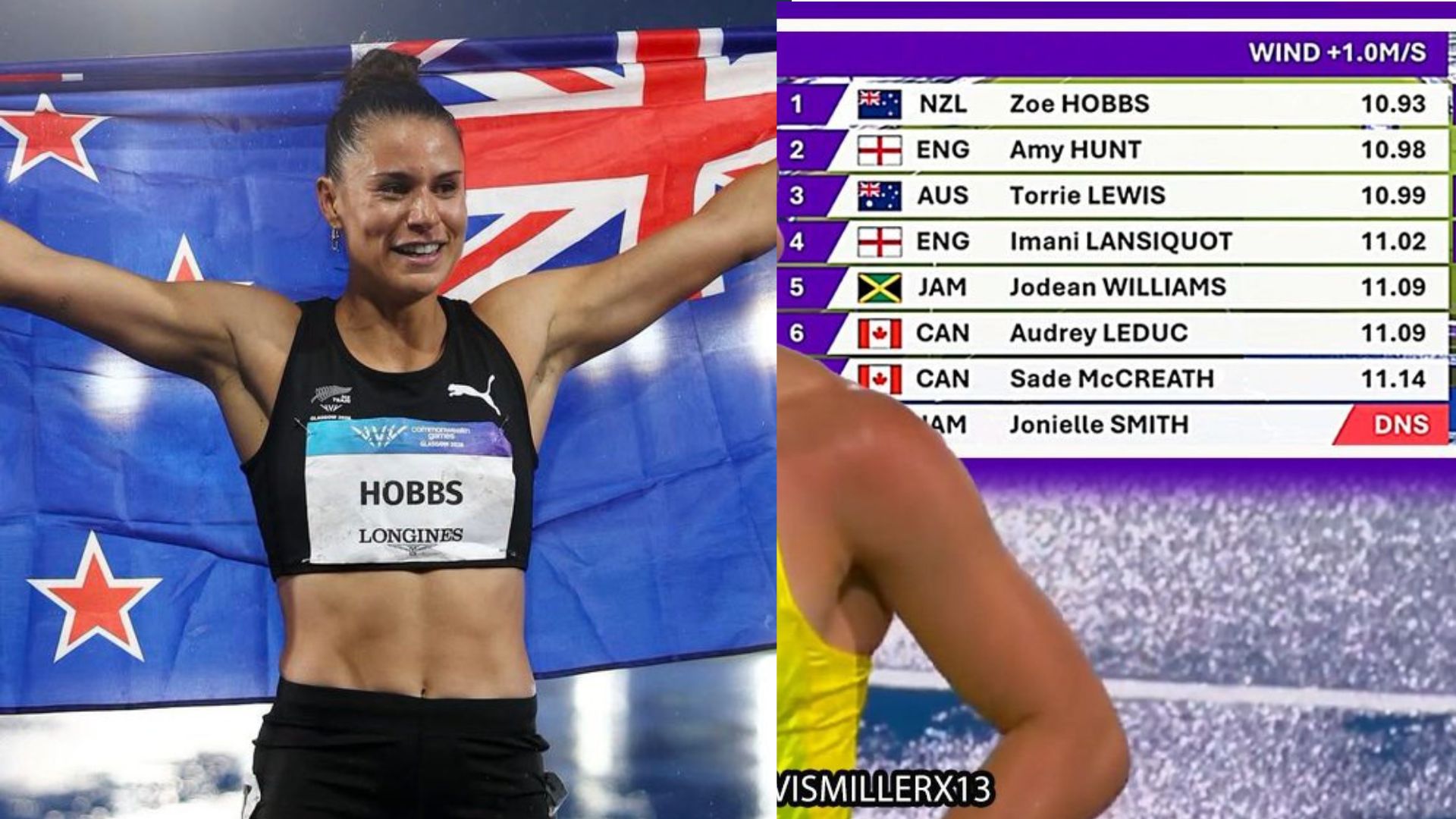
New Zealand’s Zoe Hobbs produced the sprint performance of her career to win the women’s 100m title at the Commonwealth Games 2026, storming to gold in a sensational 10.93 seconds and rewriting the Oceania record books in Glasgow.
The 28-year-old Auckland sprinter clocked 10.93 (+1.0 m/s) to break her own New Zealand and Oceania records, pulling clear in the closing metres to defeat England’s Amy Hunt, who claimed silver in 10.98, while Australia’s Torrie Lewis took bronze in a national record 10.99.
Remarkably, all three medallists dipped below the 11-second barrier, making it the first time in Commonwealth Games history that every athlete on the women’s 100m podium has broken 11 seconds.
The race was decided by the finest of margins, with just 0.06 seconds separating gold from bronze.
Women’s 100m Final
- Zoe Hobbs (New Zealand) – 10.93 (Oceania & New Zealand Record)
- Amy Hunt (England) – 10.98
- Torrie Lewis (Australia) – 10.99 (Australian Record)
Despite wet conditions that made the Glasgow track slick underfoot, the trio delivered one of the fastest and deepest women’s 100m finals in Commonwealth Games history.
For Hobbs, the victory marked the crowning moment of an outstanding championship. Draped in the New Zealand flag after crossing the finish line, she celebrated not only a Commonwealth title but also another improvement to the Oceania record she already owned.
Hunt Continues Her Rise
England’s Amy Hunt enjoyed a memorable Commonwealth Games debut, finishing just five hundredths of a second behind Hobbs.
Her 10.98-second performance was the second-fastest 100m of her career, underlining her continued rise among the world’s elite sprinters. The silver medal also rewarded her consistency throughout the championship after progressing confidently through the earlier rounds.
Lewis Breaks Australian Record
Australia’s Torrie Lewis capped a remarkable championship by lowering the Australian national record to 10.99 seconds to secure bronze.
Lewis had already announced her form in the semifinals with an 11.00-second national record before finding another hundredth of a second in the final to become the first Australian woman to break the 11-second barrier at the Commonwealth Games.
The Glasgow final will be remembered as one of the greatest women’s sprints in Commonwealth Games history—a race where records tumbled, history was made, and three athletes simultaneously broke one of sprinting’s most iconic barriers
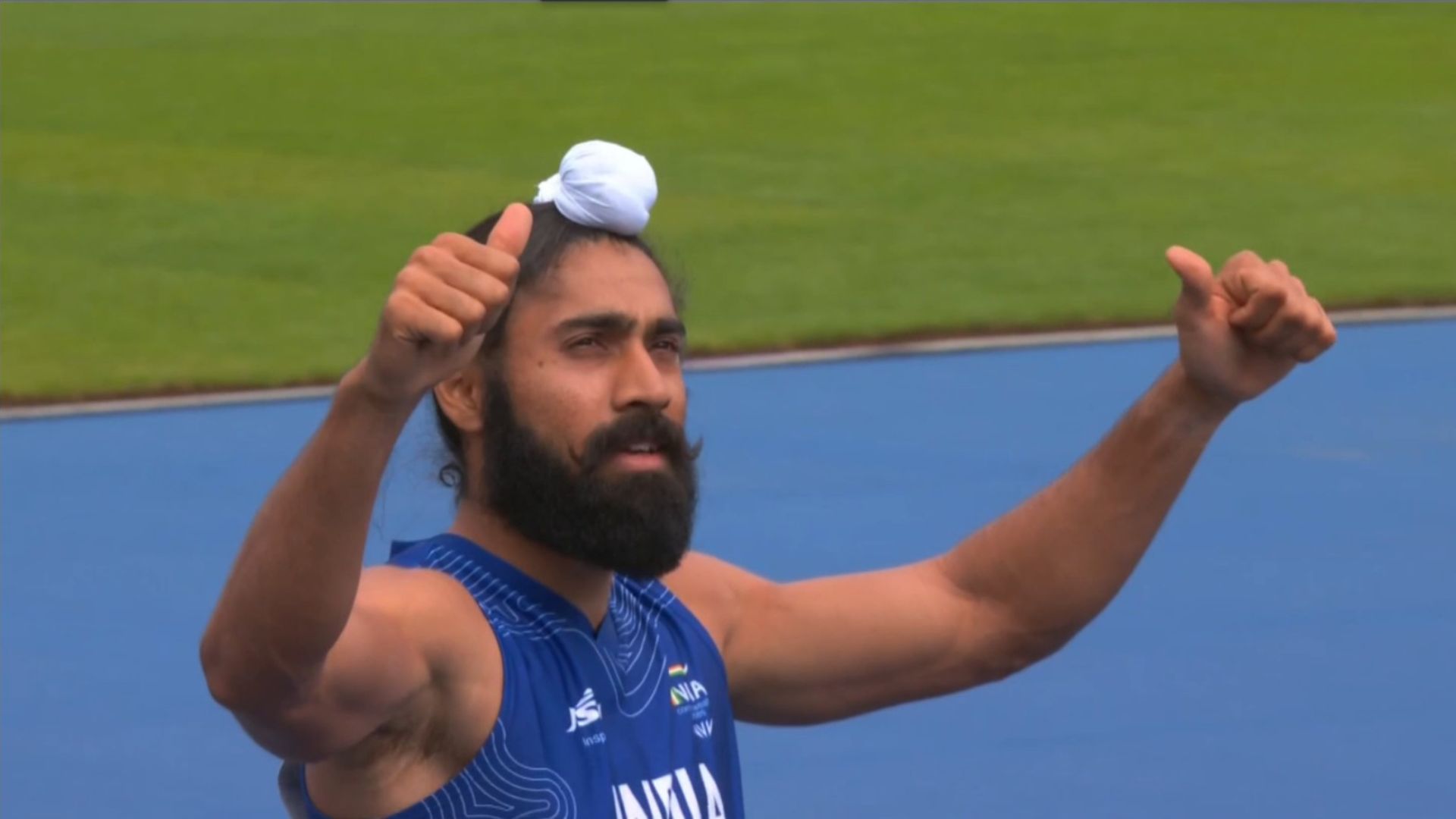
India’s hopes of a deep run in the men’s 100 metres at the Glasgow 2026 Commonwealth Games came to a disappointing end on the very first day after national record holder Gurindervir Singh failed to qualify for the semifinals—not because he lacked the speed, but because of a costly lapse in race execution.
Competing in Heat 4, Gurindervir finished second behind Jamaica’s Rohan Watson, who won the race in 10.13 seconds. The Indian crossed the line in 10.39 seconds, a performance that ultimately left him around 20th overall, with only the 17 fastest athletes across the 11 heats progressing to the semifinals.
The final qualifying spot went to Kuron Griffith of Barbados, who advanced with 10.24 seconds, leaving Gurindervir 0.15 seconds outside the cutoff.
The margin, however, tells only part of the story.
Having run strongly through the first two-thirds of the race, Gurindervir appeared to believe qualification was assured. In the closing metres, he visibly eased off his effort before the finish line and was even seen giving a thumbs-up towards his support staff before crossing the tape.
That premature celebration proved decisive.
In sprinting, athletes are taught to run through the finish line, not to it. Every hundredth of a second can determine qualification, especially in championship formats where athletes from different heats advance on time. By easing up over the final 20 metres, Gurindervir surrendered valuable time that could have comfortably secured his passage into the next round.
The result was particularly painful given his pedigree. Just weeks ago, the Punjab sprinter had rewritten the Indian record with a blistering 10.09 seconds, establishing himself as the fastest Indian in history. On paper, he possessed more than enough speed to qualify safely.
Instead, a race that appeared comfortably under control turned into one of the most frustrating exits of India’s athletics campaign.
Rather than being beaten by faster opponents, Gurindervir’s Commonwealth Games ended because of a misjudgment at the finish—a rare but costly lesson in championship sprinting, where athletes race the clock as much as those in the lanes beside them.
For more visit Commonwealth Games 2026
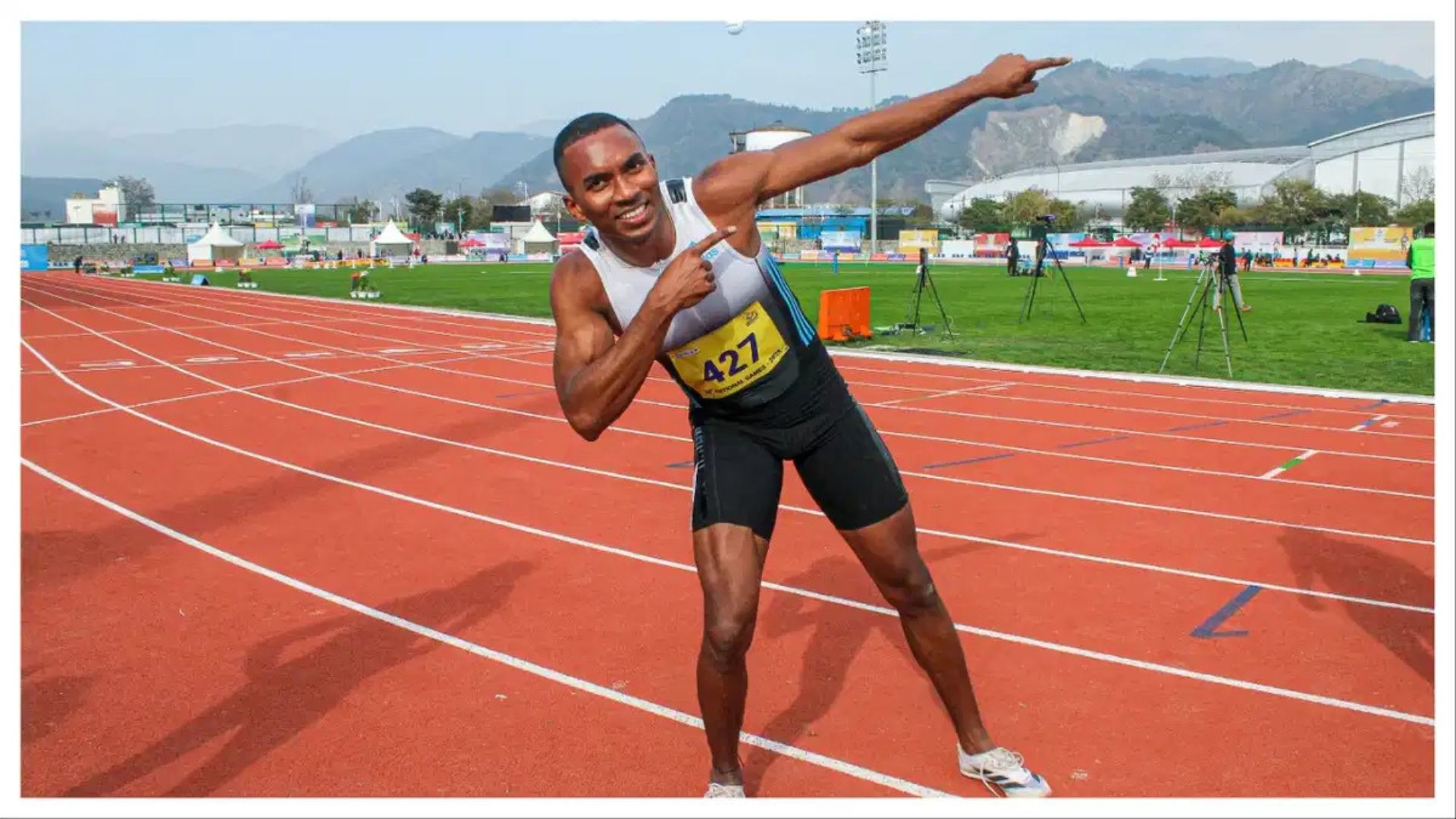
India’s 200m national record holder, Animesh Kujur, continued his remarkable rise in sprinting by producing a sensational lifetime best of 10.14 seconds in the men’s 100m final at the PUMA Fast Arms Fast Legs 2026, finishing second in the race.
Animesh had already impressed by clocking 10.19 seconds in the heats before improving to a blistering 10.14 seconds in the final.
The performance is now the fastest 100m ever recorded by an Indian outside the country.
It also strengthens his position as the second-fastest Indian in history over the distance, behind only Gurindervir Singh’s national-leading mark of 10.09 seconds.
Animesh had already become India’s second-fastest man over 100m earlier this season with a time of 10.15 seconds. He has now bettered that mark to 10.14 seconds, with both performances coming in the 2026 season.
The new personal best further underlines Animesh’s consistency at the highest level. He now owns three of the five fastest 100m performances ever recorded by an Indian, cementing his status as one of the country’s premier sprinters.
India’s All-Time Fastest Men’s 100m Performances
1. Gurindervir Singh – 10.09s
2. Animesh Kujur – 10.14s
3. Animesh Kujur – 10.15s
4. Gurindervir Singh – 10.17s
5. Animesh Kujur – 10.18s
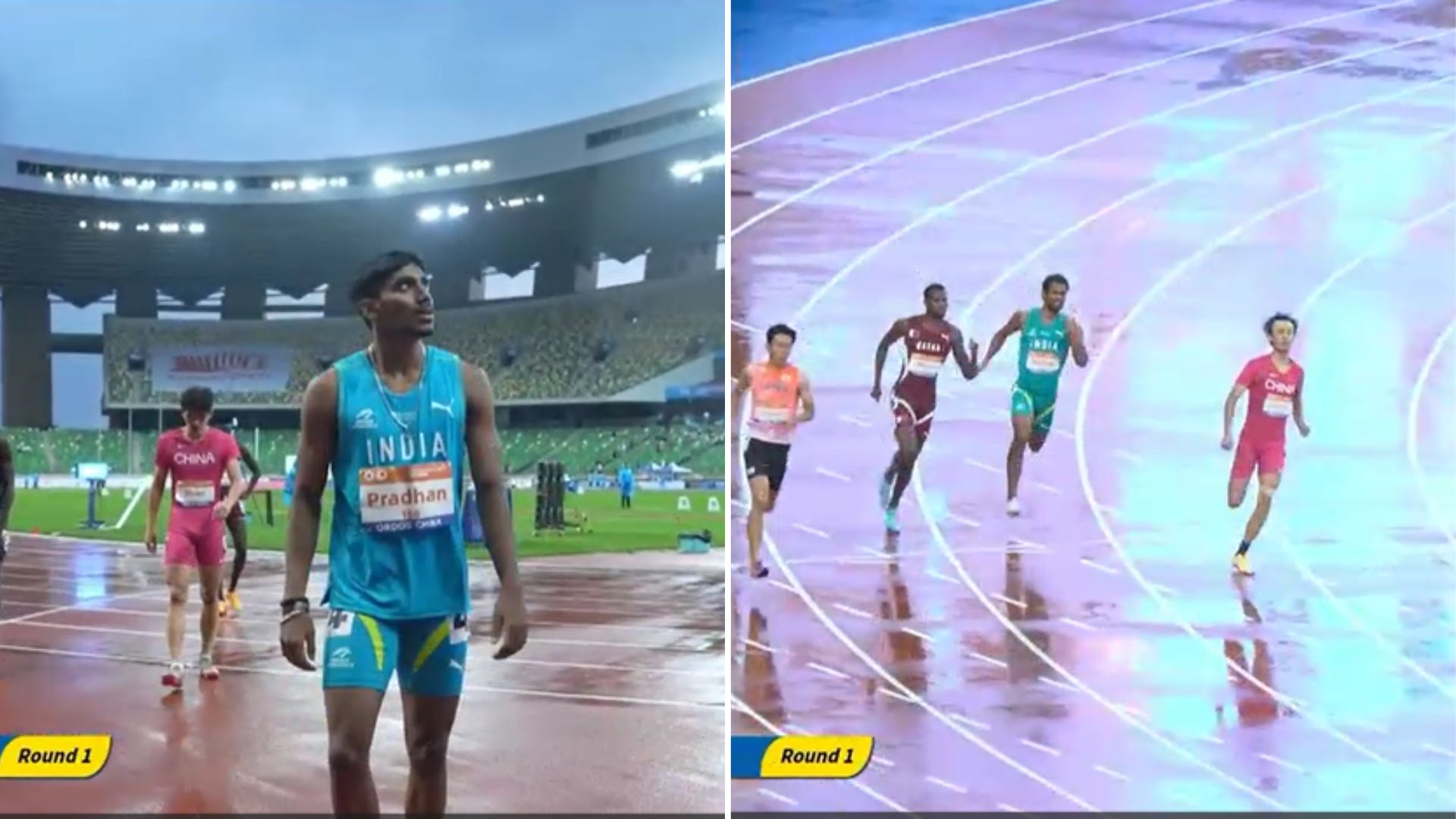
India will have two representatives in the men’s 400m final at the Asian U23 Athletics Championships 2026, with Setu Mishra and Astik Pradhan successfully progressing through the heats in Ordos, China.
Astik Pradhan delivered one of the standout performances of the qualifying round, producing a composed run to win Heat 2 in 46.51s. The Indian quarter-miler controlled the race well and finished strongly to secure automatic qualification for the final, reinforcing his credentials as one of the contenders for a podium finish.
In Heat 1, Setu Mishra also earned his place in the final after clocking 47.28s to finish fourth. His performance was sufficient to book a spot in the championship race, ensuring India will have a strong presence in the event with two athletes competing for medals.
The successful qualification of both runners is an encouraging result for the Indian contingent, reflecting the depth of the country’s emerging talent in the men’s 400m. The event has traditionally been one of India’s stronger disciplines, and the performances of Setu and Astik continue that trend at the continental U23 level.
Astik’s heat-winning run will provide him with confidence heading into the final, while Setu will look to build on his qualifying performance as both athletes prepare for the decisive race. With two Indians lining up in the final, the country will have multiple opportunities to challenge for a place on the podium.
The men’s 400m final is scheduled to be held tomorrow at 6:35 PM IST, where Setu Mishra and Astik Pradhan will take on Asia’s leading young quarter-milers in pursuit of championship honours.
With both athletes progressing successfully through the heats, India has strengthened its prospects in one of the premier track events at the inaugural Asian U23 Athletics Championships, and all eyes will now be on the final as the duo aims to convert qualification into medals.
India will have two representatives in the men’s 200m final at the inaugural Asian U23 Athletics Championships after Abhay Singh and Gokul Pandiyan successfully progressed through their respective heats in Ordos, China.
Abhay Singh produced an impressive run to finish second in Heat 2, clocking 21.11 seconds to qualify automatically for the final. Gokul Pandiyan also secured his place in the medal race, finishing third in Heat 1 with a time of 21.51 seconds.
China’s Youwen Huang emerged as the fastest qualifier after recording 20.84 seconds, while Japan’s Kota Uematsu posted the second-fastest time of 20.98 seconds. They were the only two athletes to break the 21-second barrier during the heats.
With two sprinters in the final, India will look to challenge for a podium finish when the men’s 200m final gets underway at 6:35 PM IST.
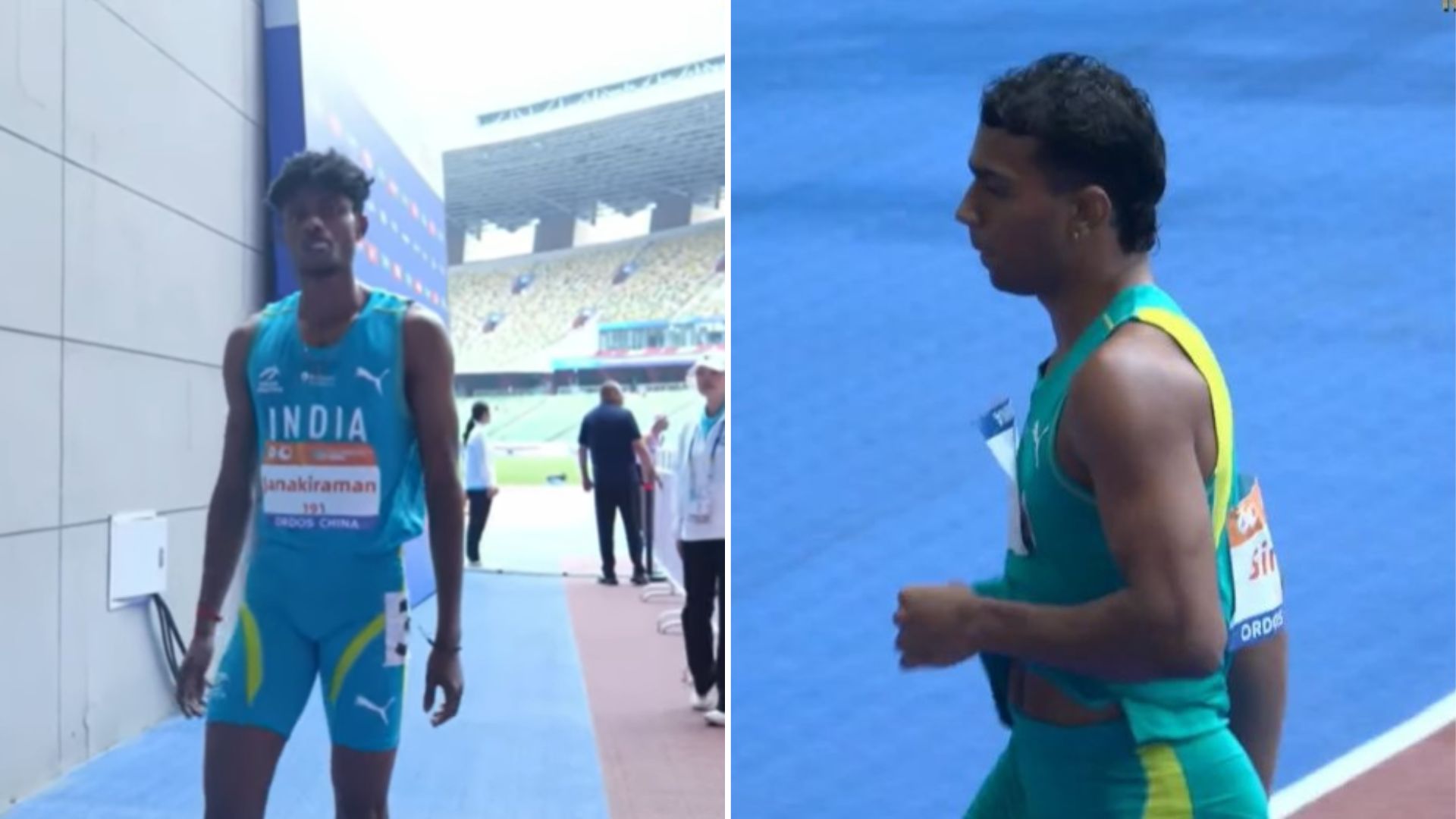
India’s challenge in the men’s 100m came to an end in the heats at the Asian U23 Athletics Championships 2026, with both Vibhaskar Kumar and Sam Vasanth missing out on qualification for the final.
Vibhaskar Kumar produced the better of the two Indian performances, clocking 10.50s to finish fourth in Heat 1. Despite a competitive run, his time was not enough to secure a place among the eight finalists.
In Heat 3, Sam Vasanth crossed the finish line in 10.66s, finishing sixth in his race. Like Vibhaskar, he was unable to advance to the medal round as the competition featured a strong field of sprinters from across Asia.
With both athletes falling short of the required qualification standard for the final, India will not have a representative in the men’s 100m title race at the championships.
The fastest performance of the opening round came from Malaysia’s Md. Fahimi, who impressed by clocking 10.15s across the three heats. His run established him as the quickest qualifier heading into the final and underlined the high standard of competition in the event.
Although the result marks a disappointing outcome for the Indian contingent in the men’s 100m, both athletes gained valuable experience competing against some of Asia’s leading young sprinters on the continental stage. The Asian U23 Athletics Championships continue to serve as an important platform for emerging athletes to test themselves against top regional competition and build experience for future senior international events.
Attention will now shift to the remaining events, where the Indian contingent will look to secure strong performances and challenge for podium finishes. While the men’s 100m campaign has concluded in the heats, India will be aiming for better results in the championships’ upcoming competitions.
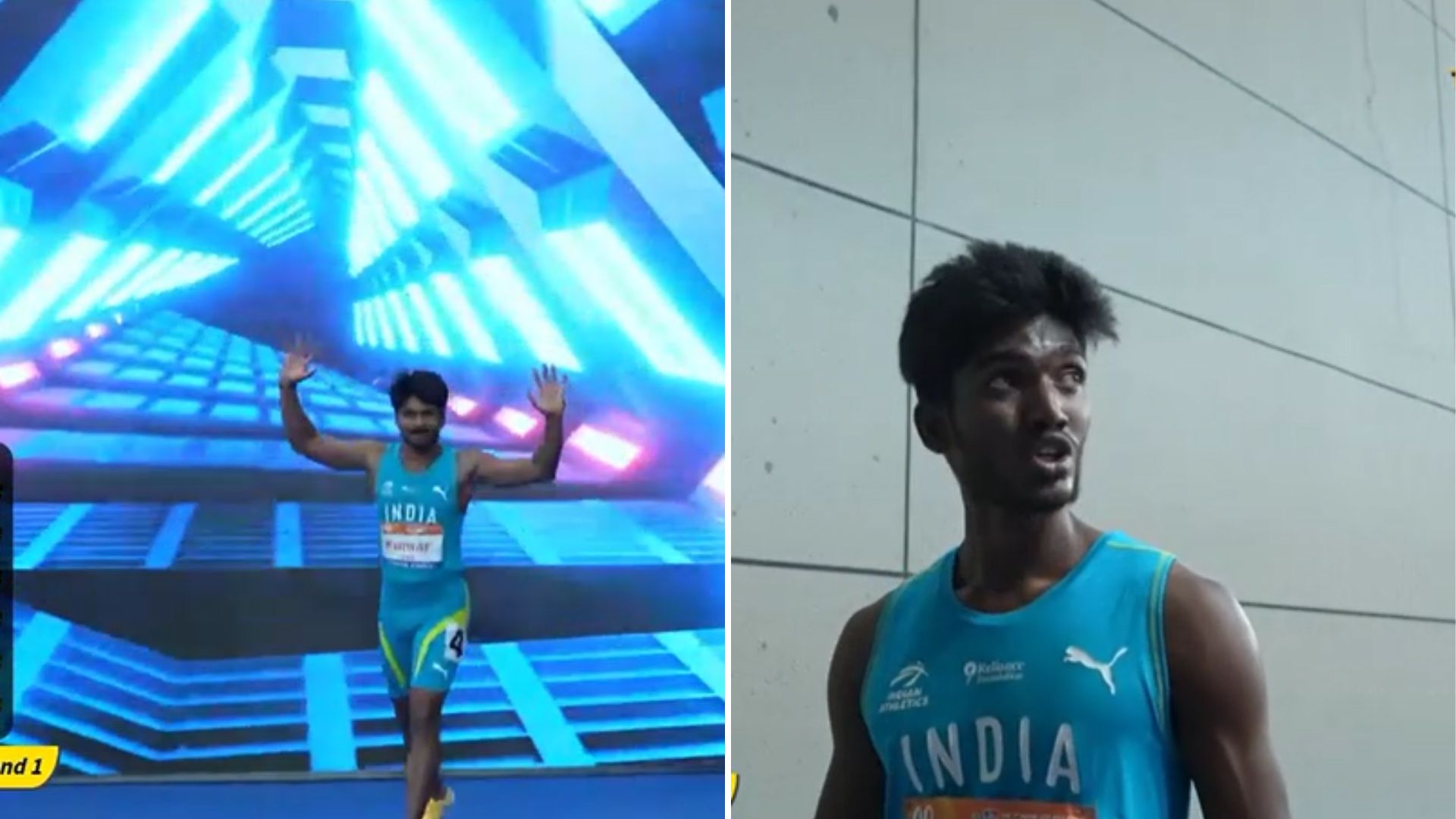
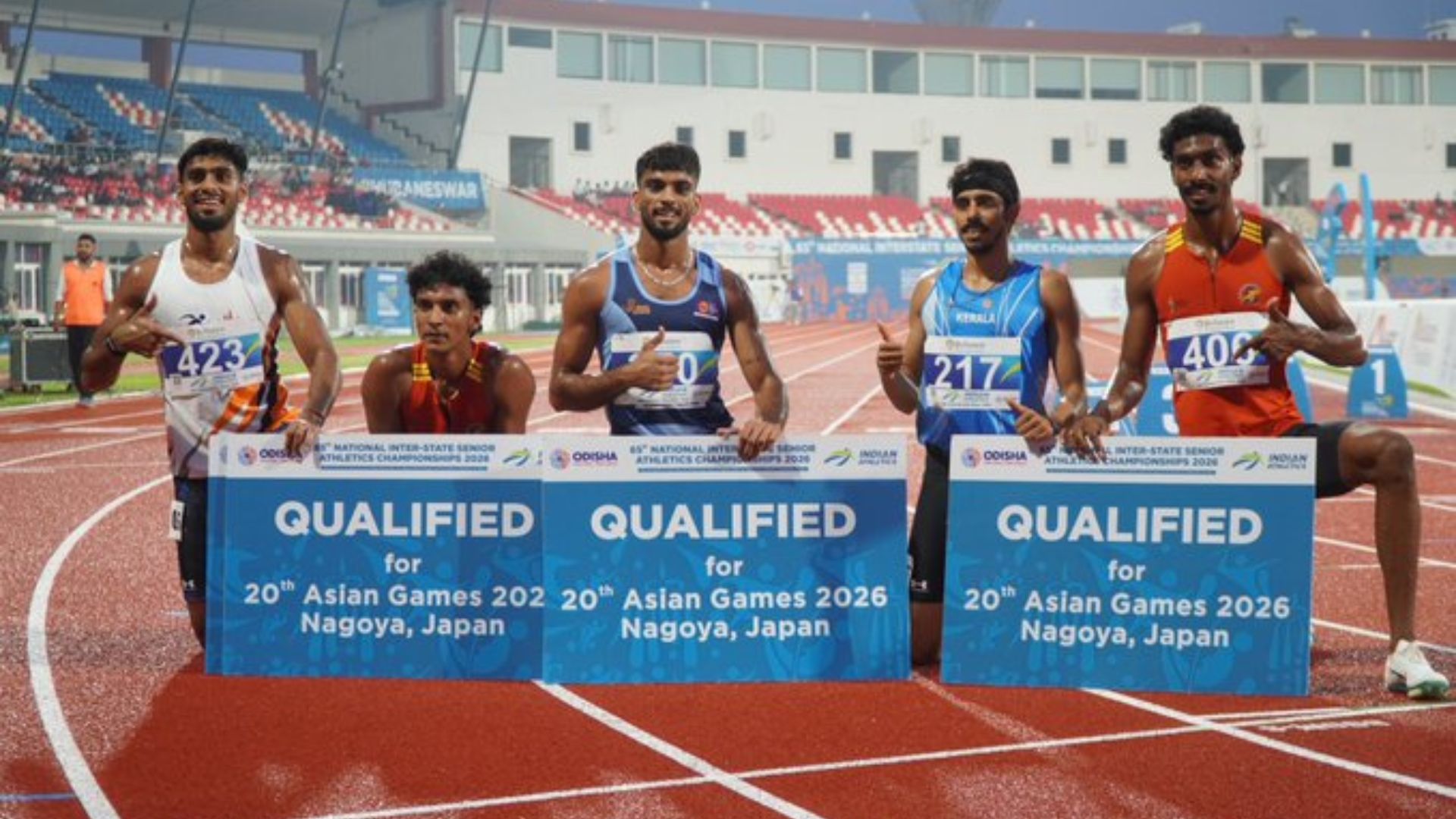
The men’s 400m final at the 65th National Inter-State Senior Athletics Championships 2026 delivered one of the finest one-lap races in Indian domestic athletics, with five athletes breaching the Asian Games qualification standard in a single race.
Representing Tamil Nadu, Vishal TK produced a brilliant performance to clinch the national title in 45.43s, leading a high-quality field and comfortably surpassing the Asian Games qualification mark. His victory capped off one of the most competitive 400m finals witnessed at the Interstate Championships in recent years.
Manu T S of Kerala secured the silver medal after clocking 45.60s, while Jay Kumar of Uttar Pradesh claimed bronze in 45.73s. Both athletes dipped well below the qualification standard, highlighting the exceptional depth in Indian men’s quarter-mile running.
The quality of the race extended beyond the podium. Dharmveer Choudhary of Rajasthan finished fourth in 45.90s, while Rajesh Ramesh of Tamil Nadu placed fifth with 45.91s. Both athletes also achieved the Asian Games qualification standard, making it a historic race in which all five leading finishers crossed the required benchmark.
The performances underline the remarkable progress Indian men’s 400m running has made in recent years. Having five athletes qualify in a single final reflects the increasing competitiveness of the event and provides a significant boost for Indian athletics ahead of major international competitions.
The Interstate Championships have once again proven to be the country’s premier stage for athletes to produce qualification-standard performances. The men’s 400m final, in particular, stood out for its quality, with every athlete in the top five delivering a time worthy of continental competition.
While all five athletes have successfully achieved the Asian Games qualification standard, qualification alone does not guarantee selection. The final Indian squad for the Asian Games 2026 will be determined by the Athletics Federation of India (AFI) Selection Committee, which will make the final selection based on its established criteria.
The race will be remembered as a landmark moment for Indian quarter-mile running, showcasing unprecedented depth and strengthening India’s prospects in the event on the international stage.