
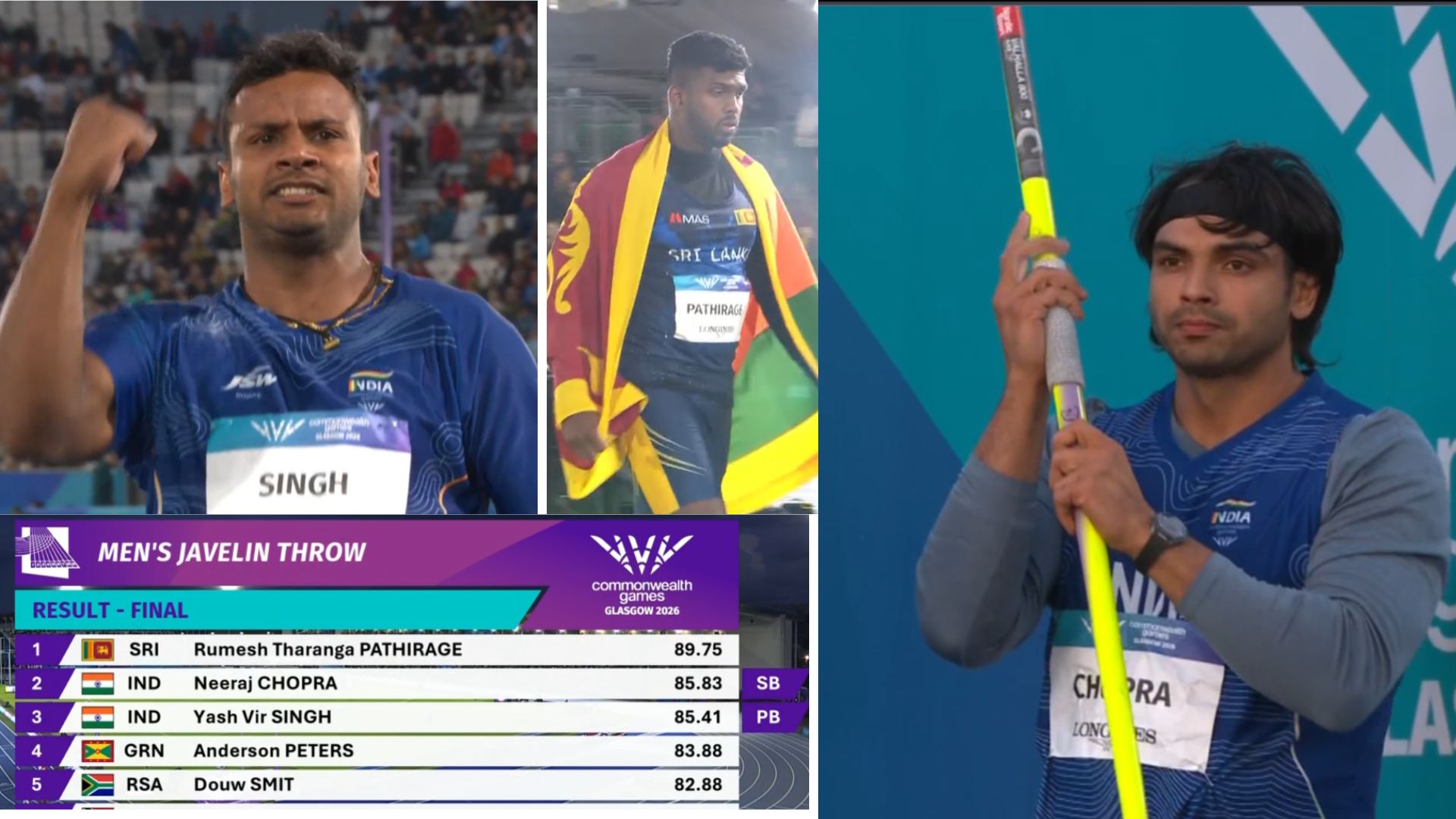
Pathirage seized the gold medal with an authoritative, soaring throw of 89.75 meters, leaving a stunned field trailing in his wake. Long gone are the days when the event felt like a closed bilateral conversation. The young Sri Lankan phenom, whose meteoric rise this season has kept the athletics world on edge, delivered a super performance under pressure with poise. When the spear left his hand, it carried not just momentum, but a clear message to the old guard: a new titan has arrived to claim the throne.
India secured a commendable 2-3 podium finish, anchored by Neeraj Chopra’s silver. Chopra fought hard, posting a season-best of 85.83 meters, displaying the resilience of a seasoned champion who refuses to yield easily. Yet, sport is relentlessly unforgiving. It is a harsh theatre where you either fight back with everything you have or sit back and watch your crown being stripped away, one majestic throw at a time. Chopra understands this dynamic better than anyone, recognizing that the standards of global excellence have shifted upward once again.
The absolute surprise of the pack, however, came from further down the Indian ranks. Yash Vir Singh authored the fairytale script of the night, pulling out a stunning personal best of 85.41 meters in the final round. Singh unleashed the ace of his life when it mattered most, leapfrogging world-class contenders to capture a sensational bronze medal. It was a breakthrough moment that announced Singh as a formidable new force on the international circuit.
Further back, the narrative was defined by the shocking fall of former giants. Olympic Champion Arshad Nadeem had a night to forget, failing to even crack the top eight after a disjointed series of throws. Similarly, former Olympic Champion and present World Champion Keshorn Walcott laboured through the evening, muted and off-colour, eventually having to settle for a distant sixth place.
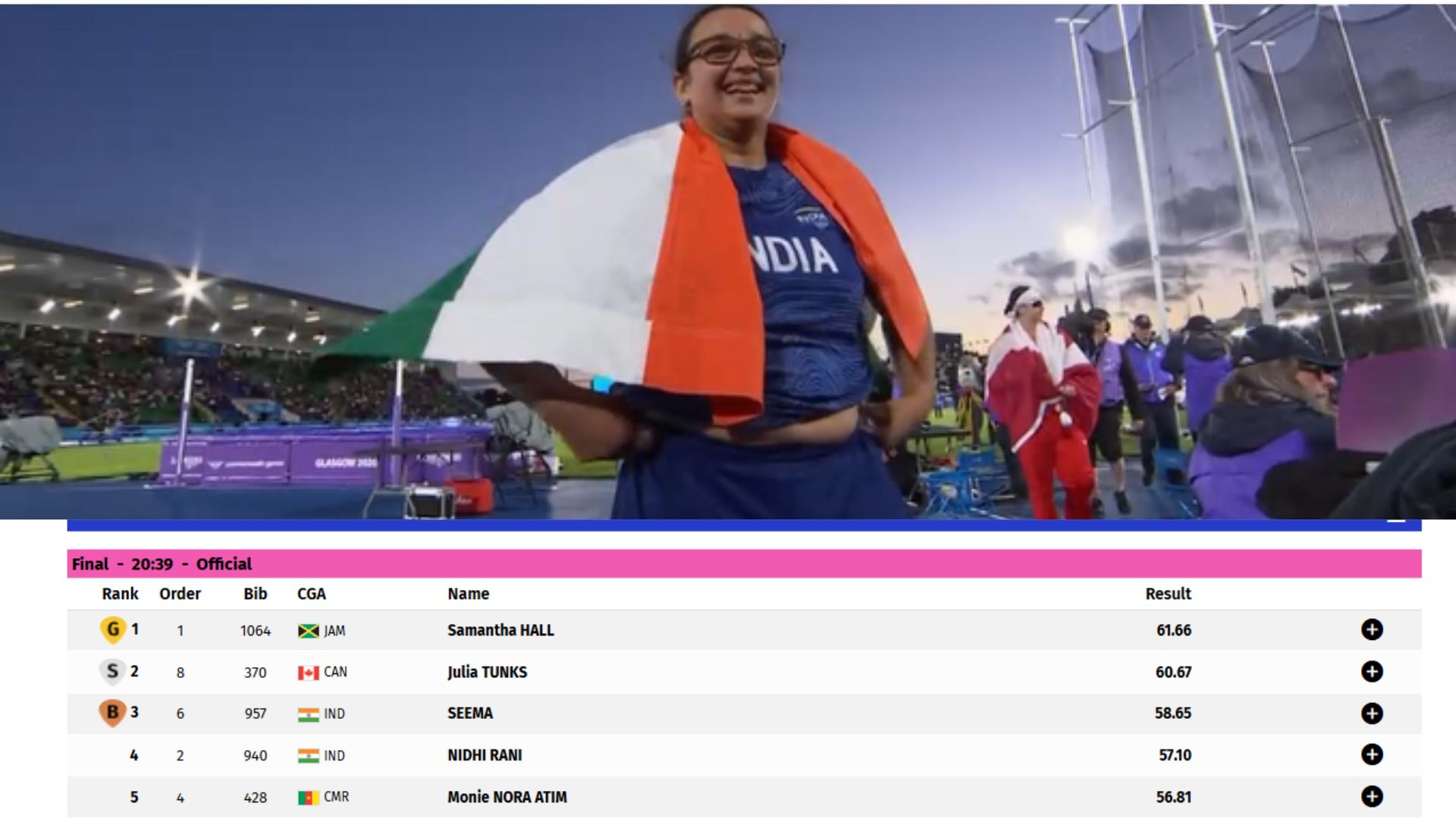
Jamaica’s Samantha Hall produced a commanding performance in the women’s discus throw final at Scotstoun Stadium to capture the gold medal. Canada’s rising talent Julia Tunks claimed silver, while India’s Seema Kaliramna completed a remarkable comeback by securing the bronze medal.
By Sundeep Misra
GLASGOW — Nigeria’s Chukwuebuka Enekwechi snatched a dramatic victory in the men’s shot put final at the 2026 Commonwealth Games in Glasgow, launching a stunning fifth-round throw of 21.07 metres to dethrone defending champion Tom Walsh of New Zealand.
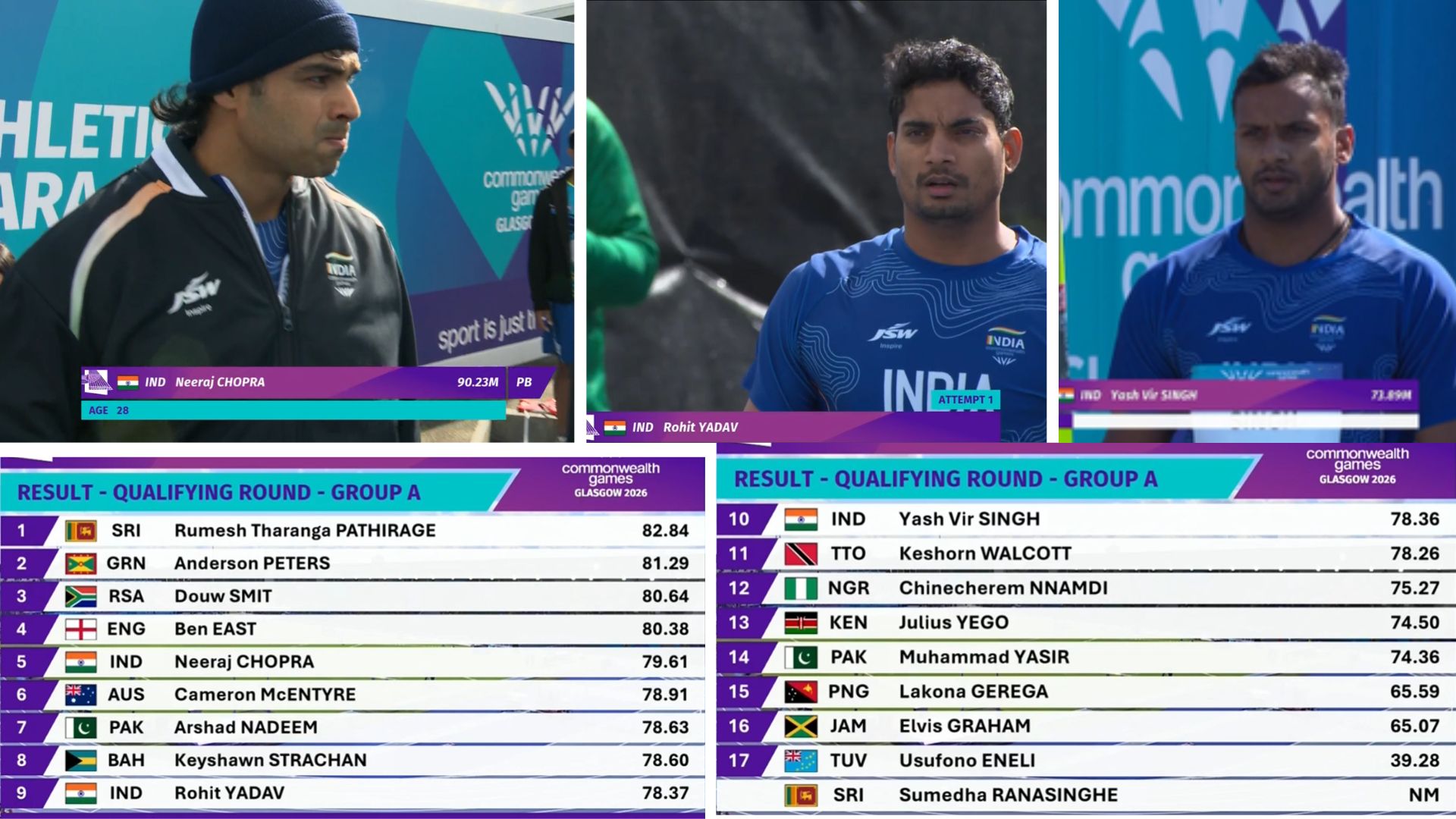
India will have three representatives in the men’s javelin throw final at the Commonwealth Games 2026, marking the first time ever that the country has qualified three athletes for the event’s medal round.
Neeraj Chopra, Rohit Yadav and Yashvir all advanced to Friday’s (31 July) final after finishing among the top 12 performers in a challenging qualification round in Glasgow.
The qualification competition proved to be a test of resilience rather than distance, with strong headwinds preventing athletes from producing their best throws. As a result, no thrower managed to achieve the automatic qualification standard of 84.00m, meaning all finalists progressed based on their overall rankings.
Indian Qualification Results
- Neeraj Chopra – 79.61m (5th)
- Rohit Yadav – 78.37m (9th)
- Yashvir – 78.36m (10th)
Neeraj improved from an opening-round throw of 76.28m to 79.61m, comfortably securing his place in the final. Rohit also built on his first effort of 77.04m, adding more than a metre to finish with 78.37m, while Yashvir improved from 73.89m to 78.36m, ensuring all three Indians advanced.
Earlier in the competition, Sri Lanka’s Rumesh Pathirage led the field with an impressive 82.84m, while South Africa’s Douw Smit occupied second place with 80.64m after the opening round. Despite multiple attempts, no athlete was able to breach the 84-metre automatic qualifying mark as the headwind continued to hamper performances throughout the session.
Pathirage ultimately topped the qualification standings with his opening throw of 82.84m, the best mark of the day.
The historic qualification gives India three genuine contenders in the final, with Olympic champion Neeraj Chopra leading the charge alongside the in-form Rohit Yadav and Yashvir, who produced one of the strongest performances of his international career to book his place.
The men’s javelin throw final will be held on 31 July, where India will aim to convert its unprecedented three-athlete representation into another Commonwealth Games medal.
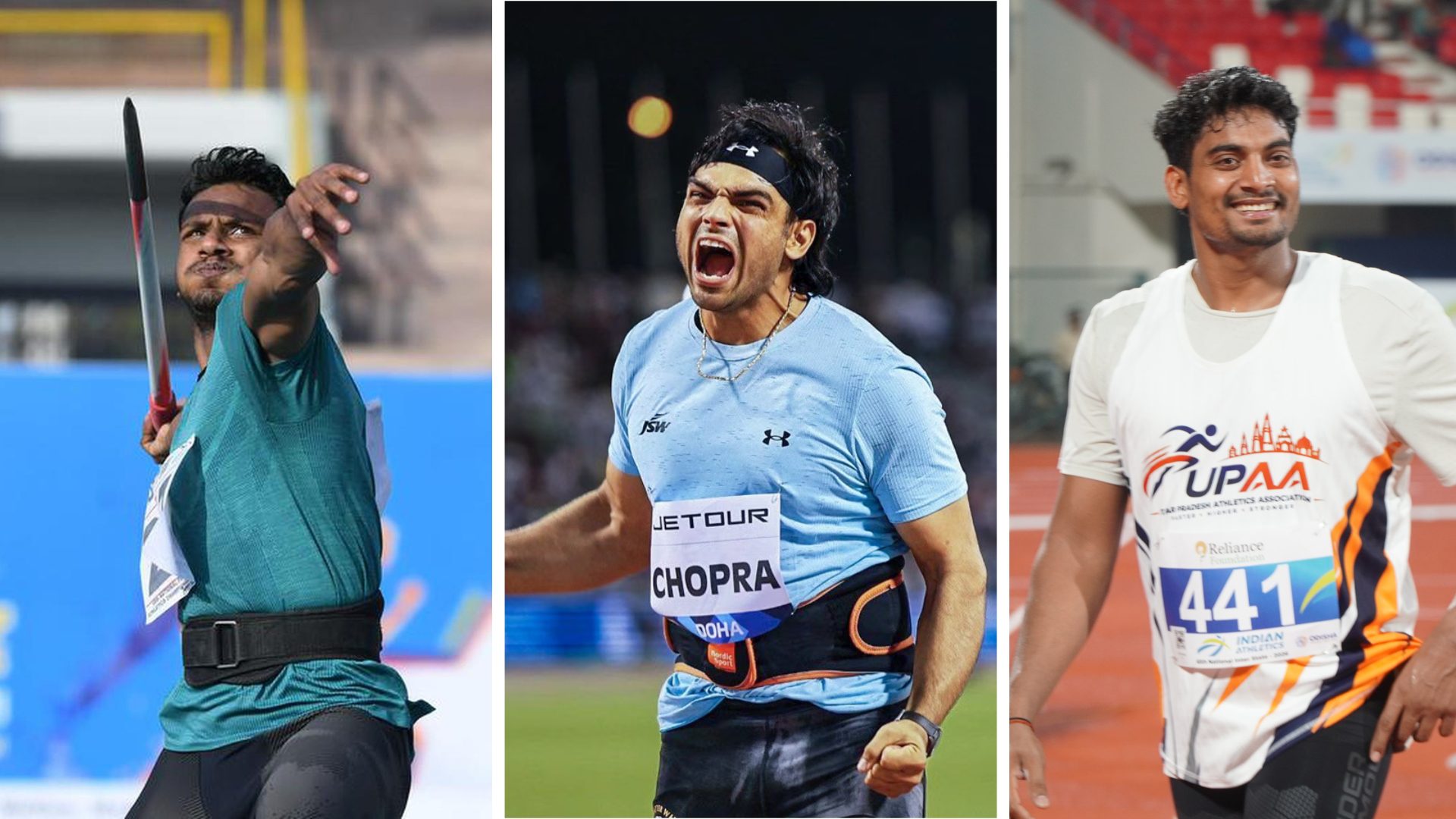
India will field one of the strongest men’s javelin throw squads at the Commonwealth Games 2026, with Neeraj Chopra, Rohit Yadav, and Yash Vir Singh set to represent the country in Glasgow. With three athletes ranked among the leading selected competitors this season, India enters the competition with genuine hopes of multiple medals.
Among athletes selected for the Commonwealth Games, Rumesh Pathirage of Sri Lanka tops the season list with an outstanding 92.62m. Close behind is Rohit Yadav, whose sensational 87.05m lifetime best ranks second among the selected athletes. His breakthrough throw has established him as one of the leading contenders heading into Glasgow.
Anderson Peters of Grenada occupies third with 86.38m, while Australia’s Cameron McEntyre has recorded 85.73m. Two-time Olympic medallist Neeraj Chopra enters the Games with a season-best of 85.69m, placing him fifth on the selected list. Douw Smit of South Africa (84.79m) and Chinecherem Nnamdi of Nigeria (84.68m) are also among the top contenders, while Yash Vir Singh rounds out the top eight with a personal best of 83.76m.
India’s trio combines proven championship experience with emerging talent. Neeraj Chopra remains the country’s most accomplished javelin thrower and will once again lead the Indian challenge. Alongside him, Rohit Yadav and Yash Vir Singh have enjoyed breakthrough campaigns, producing career-best throws of 87.05m and 83.76m, respectively, to establish themselves among the Commonwealth’s leading performers.
A notable feature of the 2026 season is India’s remarkable depth in the event. India is the only nation with three athletes ranked inside the top eight among the selected Commonwealth Games competitors, underlining the country’s growing strength in men’s javelin throw.
With an experienced champion in Neeraj Chopra and two rapidly improving throwers in Rohit Yadav and Yash Vir Singh, India travels to Glasgow with one of the strongest javelin squads in the competition. If the trio reproduces its season-best form, the country will be well placed to challenge for top honours in one of the marquee field events of the Commonwealth Games.
For more visit Commonwealth Games 2026
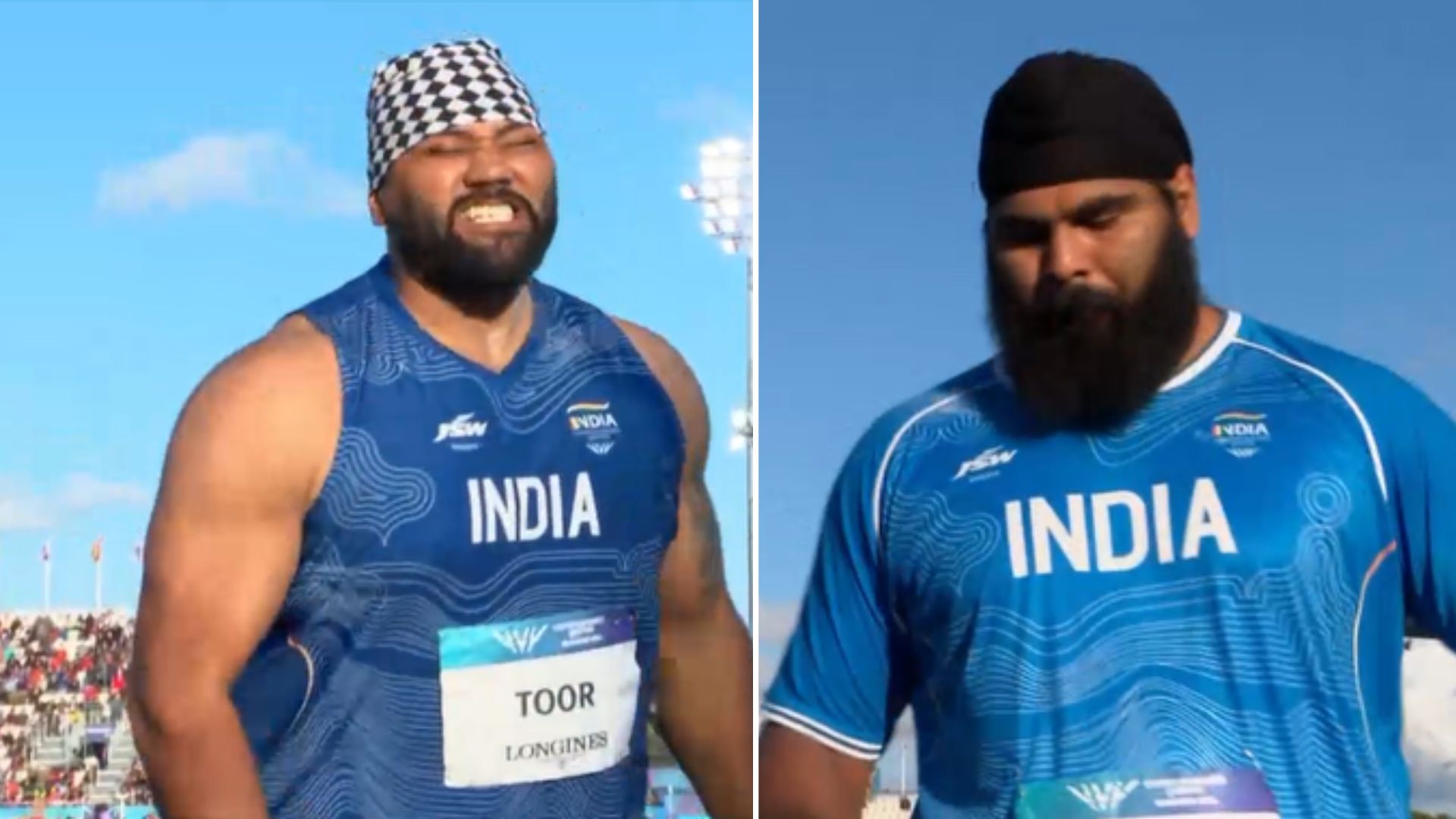
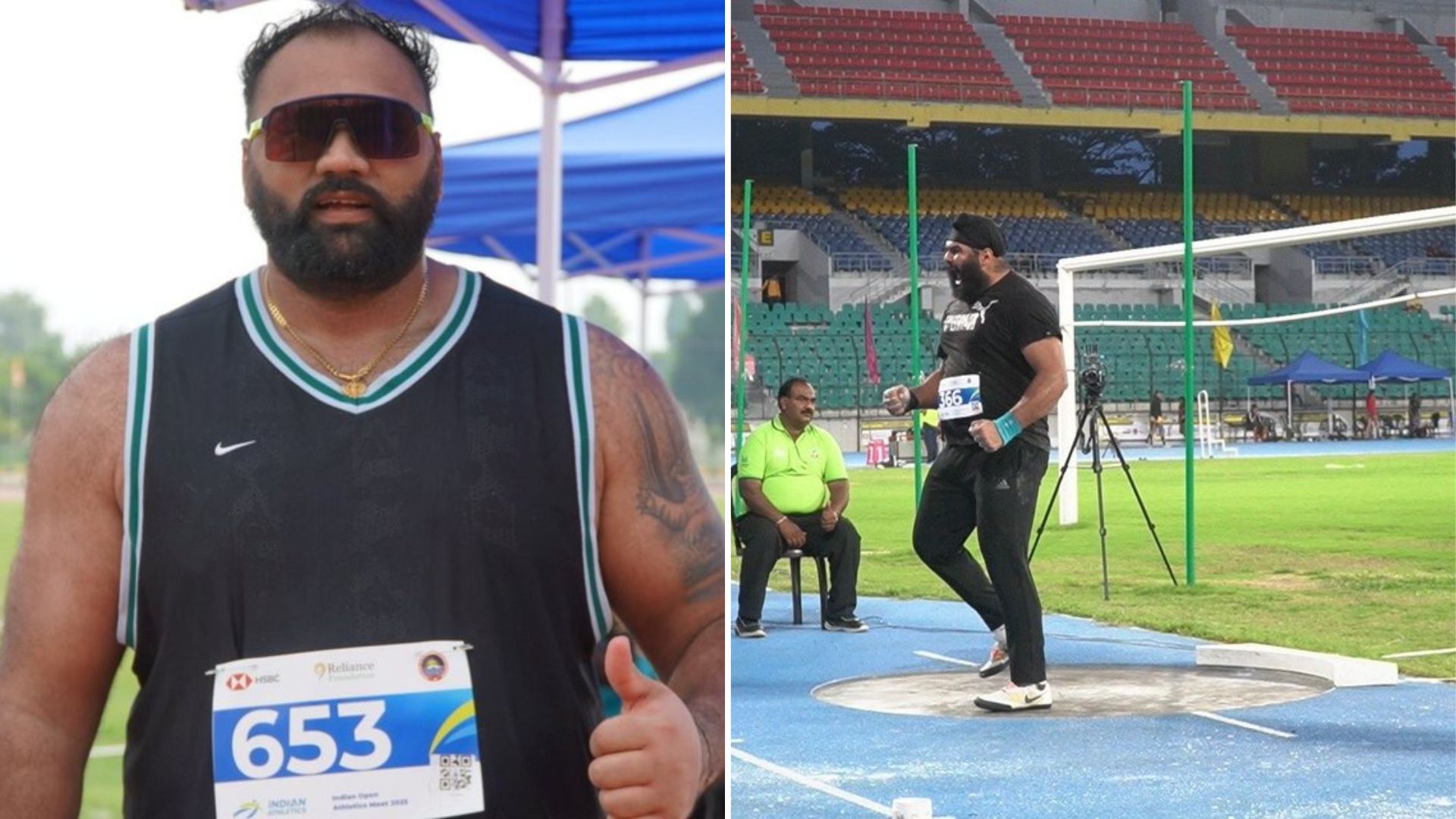
India will be represented by Tajinderpal Singh Toor and Samardeep Gill in the men’s shot put at the Commonwealth Games 2026, with both athletes heading to Glasgow after impressive seasons that have strengthened India’s prospects in the event.
Leading the Indian challenge is Tajinderpal Singh Toor, who has enjoyed a strong return to form in 2026. The experienced shot putter has recorded a season-best of 21.03m, ranking him sixth among athletes selected for the Commonwealth Games. More importantly, Toor has crossed the 21-metre mark for the first time in two years, signalling an encouraging comeback ahead of one of the biggest competitions of the season.
Joining him is Samardeep Gill, who has emerged as one of India’s most promising young throwers. Samardeep produced a lifetime best of 20.46m, becoming a 20-metre thrower for the first time in his career. His breakthrough performance places him 12th among the selected Commonwealth athletes, underlining the steady progress he has made this season.
The competition in Glasgow is expected to be of the highest standard. New Zealand’s Tom Walsh leads the selected field with a world-class 21.82m, followed closely by Chukwuebuka Enekwechi of Nigeria at 21.74m. New Zealand’s Nick Palmer (21.19m) and Great Britain’s Scott Lincoln (21.16m) also enter the Games in strong form, while South Africa’s Aiden Smith (20.89m) and New Zealand’s Jacko Gill (20.64m) are among the other leading contenders.
India’s two representatives arrive with contrasting but equally encouraging stories. Toor brings experience and proven pedigree after returning beyond 21 metres, while Samardeep represents the next generation of Indian shot putting following his breakthrough season.
With Toor rediscovering his best form and Samardeep making rapid strides, India has a balanced combination of experience and emerging talent. Both athletes will be aiming to produce their best performances in Glasgow as they challenge a world-class field and seek to bring another Commonwealth Games medal home for Indian athletics.
For more visit Commonwealth Games 2026
India will have a strong presence in the women’s discus throw at the Commonwealth Games 2026, with Seema and Nidhi Rani set to represent the country after outstanding breakthrough seasons that have placed them among the leading throwers in the Commonwealth.
Both athletes have achieved significant milestones in 2026. Seema enters the Games with a lifetime best of 59.73m, while Nidhi Rani has recorded a personal best of 58.82m. Their consistent performances throughout the season have earned them places in India’s Commonwealth Games squad and strengthened the country’s medal prospects in the event.
Among athletes selected for the Games, the season rankings are led by Samantha Hall of Jamaica, who has thrown 66.39m. Canada’s Julia Tunks occupies second with 63.58m, while Serena Brown of the Bahamas ranks third among selected athletes with 61.26m. Seema is positioned seventh overall on the Commonwealth season list with 59.73m, while Nidhi follows in ninth with 58.82m.
However, the rankings tell only part of the story. Since the list considers only athletes who have been selected by their respective Commonwealth Games squads, Seema and Nidhi effectively move into the group of the top five medal contenders after accounting for higher-ranked athletes who are not part of their national teams for Glasgow.
The progress shown by both Indian throwers has been one of the highlights of the domestic athletics season. Their personal-best performances reflect consistent improvement and growing confidence against high-quality competition, making them genuine contenders on the Commonwealth stage.
While the women’s discus throw features several accomplished international athletes, Seema and Nidhi have demonstrated that they can compete at a high level. With both arriving in Glasgow after career-best seasons, India has every reason to be optimistic about its chances in the event.
Armed with momentum, confidence, and personal-best form, Seema and Nidhi Rani will look to convert their impressive 2026 performances into success at the Commonwealth Games.
For more visit Commonwealth Games 2026
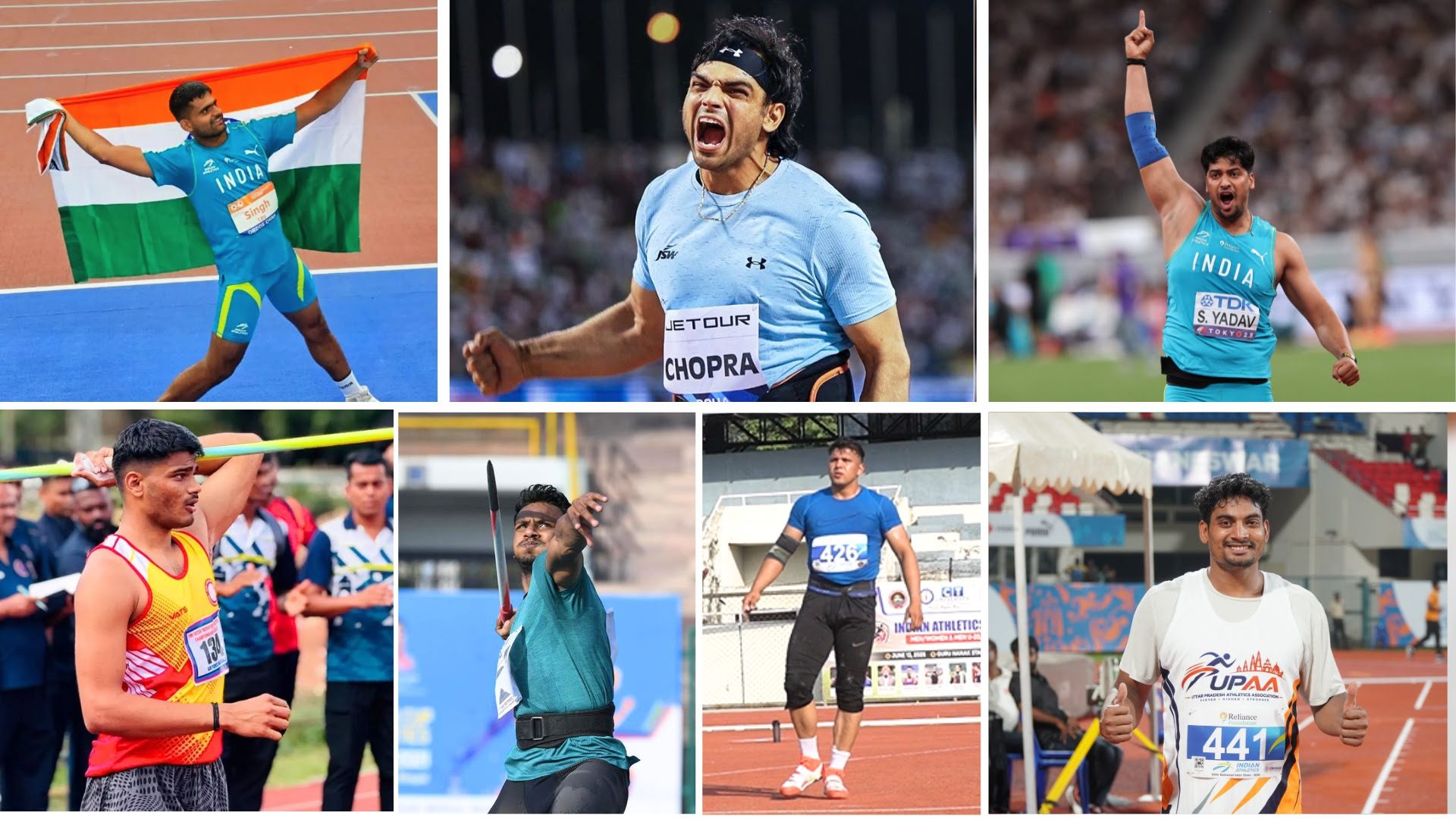
| India and javelin have been producing wonders for many years now. A boy from Panipat, Haryana, who clinched India’s first-ever Olympic track & field gold medal in javelin at the Tokyo Olympics, sparked something much bigger. It has taken time, but now the results are visible for everyone to see.
Javelin has unofficially become one of the favourite sports for many Indians—not only to watch but also to compete in. More athletes are choosing the event, as reflected by the growing participation at the national level and the high standard of performances, which at times rival the global level. For example, at the latest Indian National Championships, Uttar Pradesh’s Rohit Yadav was trailing until the final round before producing a lifetime best throw of 87.05m to clinch the title. That mark currently stands as the second-best throw in the world this season. In the same competition, three athletes crossed the 80m mark. Interestingly, a total of seven Indian athletes have crossed the 80m mark this season, with two of them achieving the feat for the first time in their careers.
These seven Indian athletes are the highest by any nation this season. Collectively, they have also produced 16 performances over 80m this season—the highest total by any country.
These figures are based on World Athletics statistics as of 13 July 2026. As per World Athletics, only the best throw from a single competition is counted as one performance. The United States ranks second with three throwers crossing 80m a combined 14 times this season:
Germany has three throwers who have crossed the 80m mark a combined five times this season:
India’s neighbour Sri Lanka has one thrower, Rumesh Pathirage, who has crossed 80m seven times this season. He also owns the world-leading mark of 92.62m. Among the top 10 throws in the world this season, India has two entries—Rohit Yadav’s 87.05m is ranked second, while Neeraj Chopra’s 85.69m is fifth. Apart from India, only the United States has two throwers in the world’s top 10 this season. |
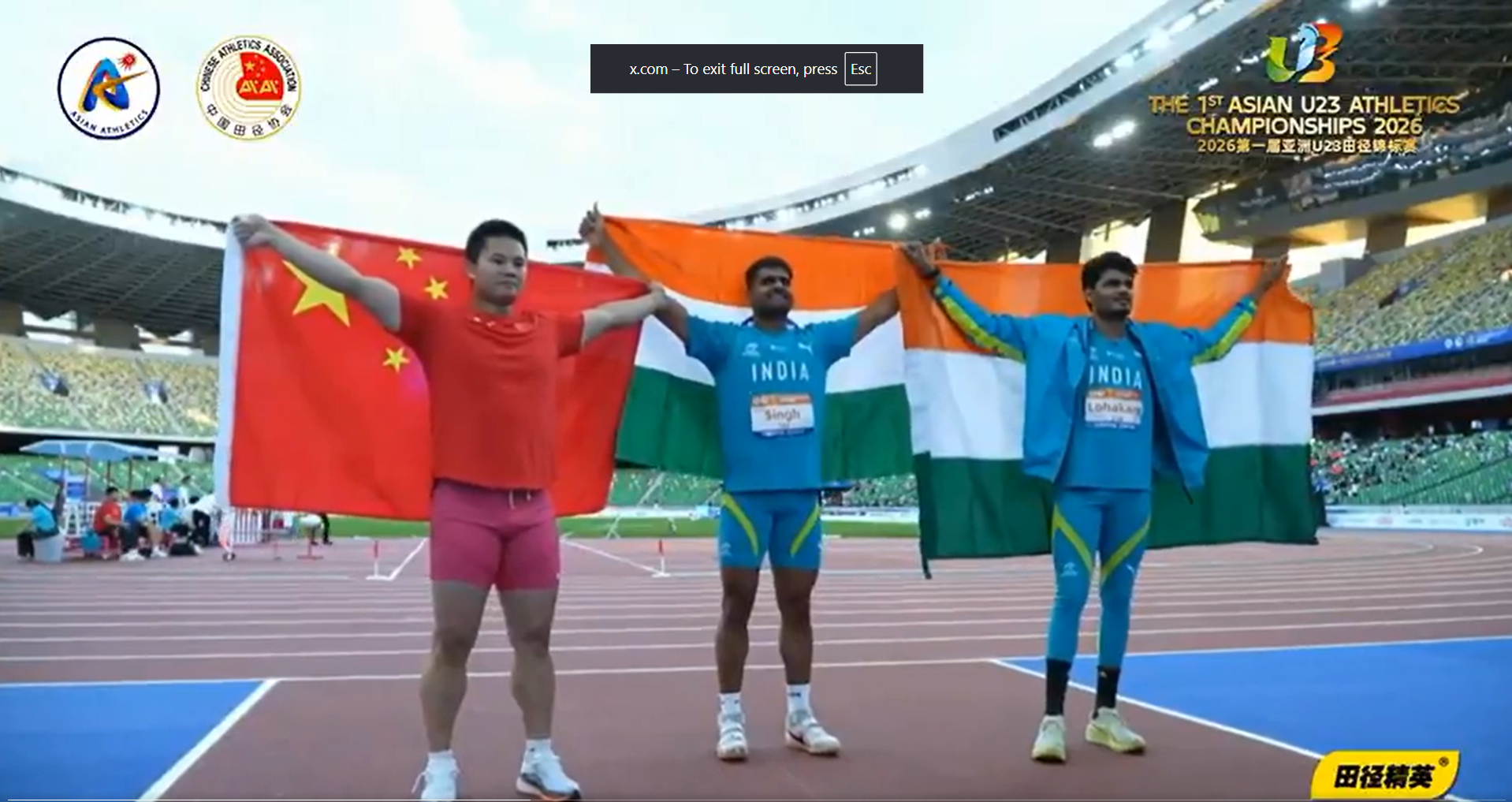
India celebrated a successful outing in the men’s javelin throw at the 2026 Asian U23 Athletics Championships, with Anand Singh winning the gold medal and Shivam securing bronze.
Anand Singh produced a stunning lifetime-best throw of 80.57m to claim the Asian U23 title, becoming India’s newest member of the prestigious 80m club. His championship-winning effort marked the first time he crossed the 80-metre barrier, improving significantly on his previous personal best.
China’s Wang Xiaobo finished second with a throw of 79.41m, while India’s Shivam claimed the bronze medal with 77.70m, completing a double podium finish for the country.
The gold and bronze medals underline India’s growing strength in men’s javelin throw, with Anand’s breakthrough performance emerging as one of the standout moments of the championships.
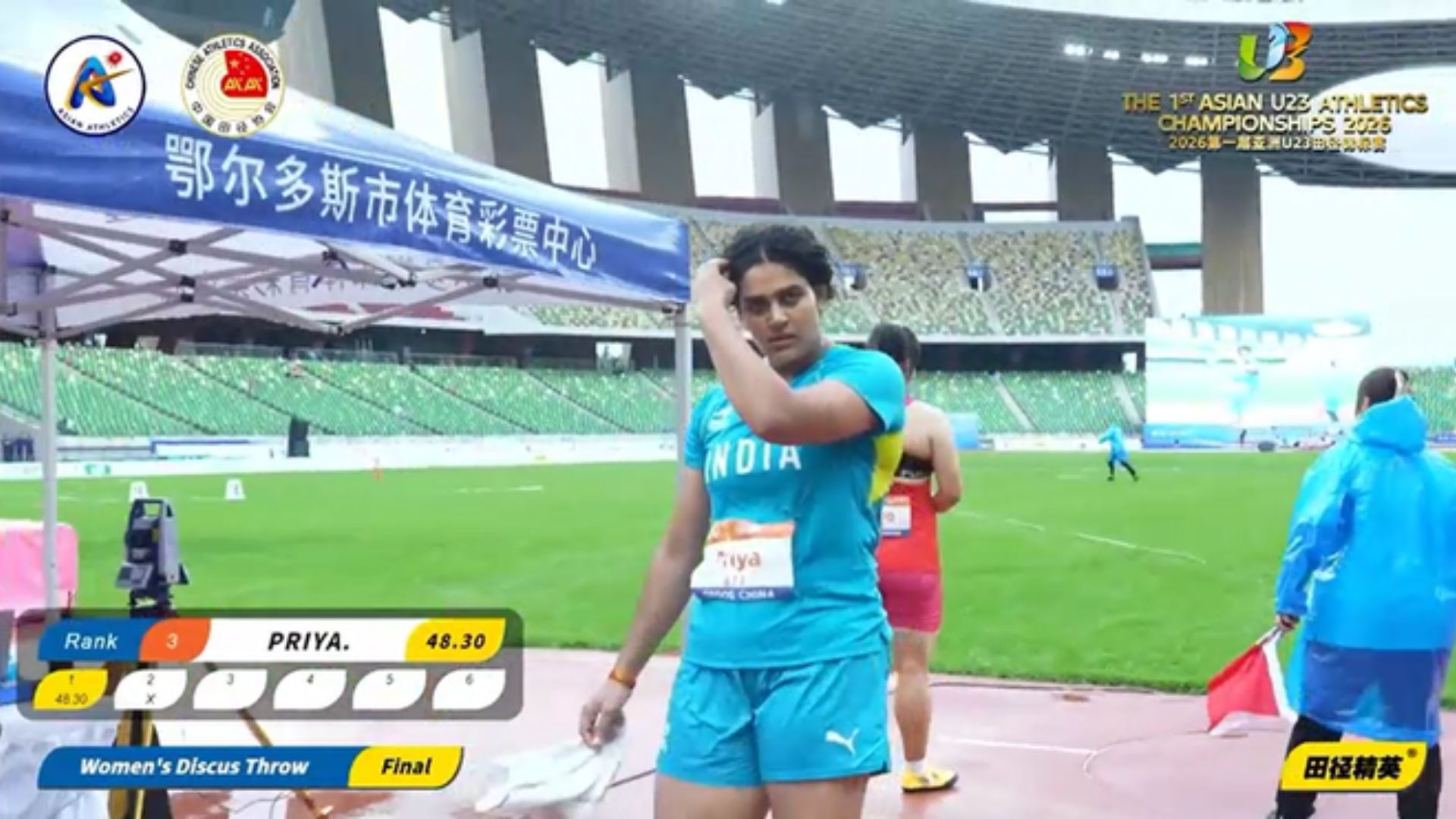
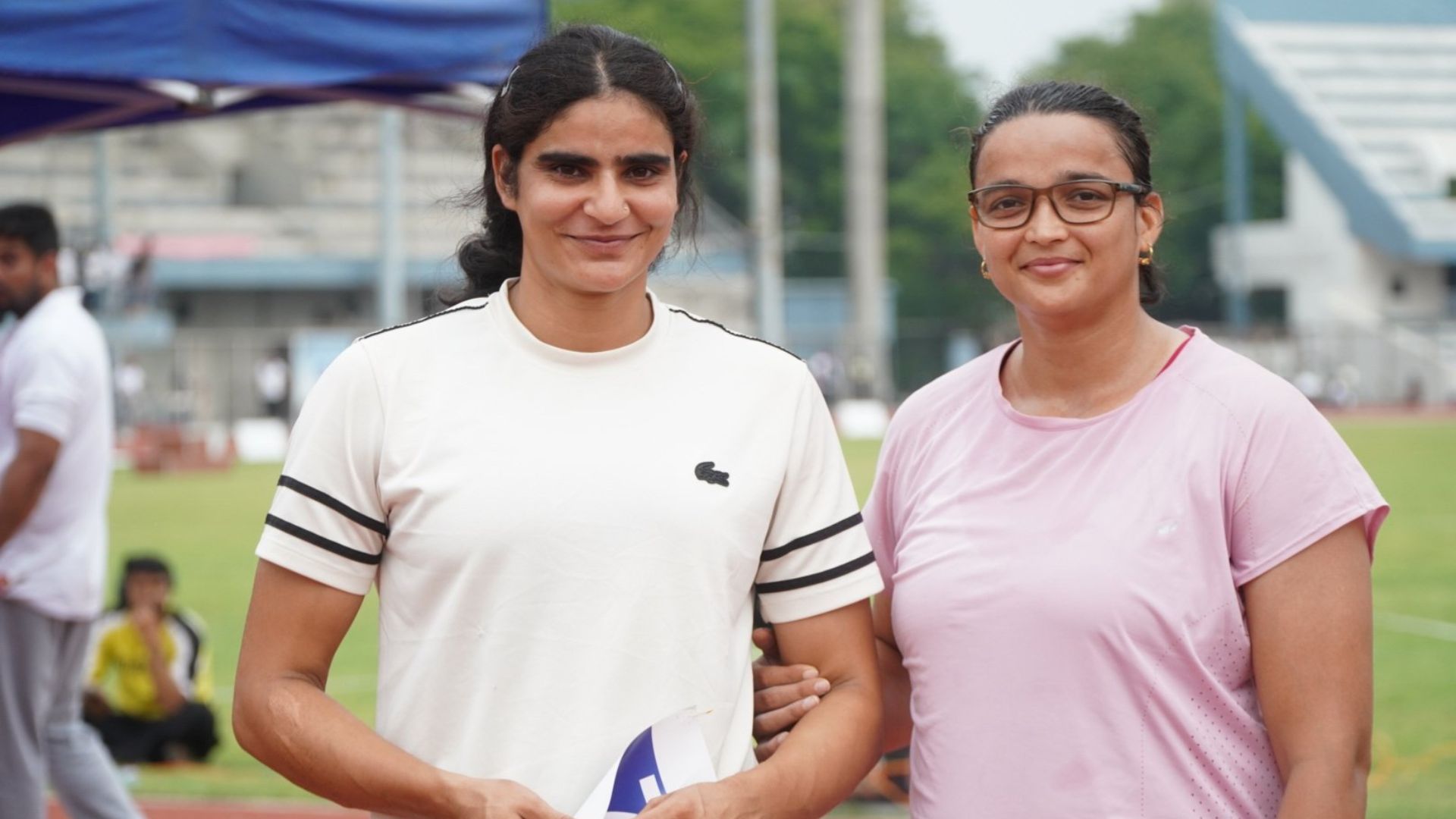
India continued its medal-winning campaign at the inaugural Asian U23 Athletics Championships 2026 as Priya Sheoran secured the bronze medal in the women’s discus throw in Ordos, China.
Priya produced a best effort of 50.44m to finish third in the competition, earning another podium finish for the Indian contingent. Competing against a strong field of Asia’s leading young throwers, she delivered a consistent series before her best throw secured the bronze medal.
The gold medal was claimed by China’s Zhichao Jiang, who dominated the competition with a winning throw of 58.63m. Her compatriot Jingru Huang took the silver medal after recording 55.33m, completing a one-two finish for the host nation.
Despite the strong challenge posed by the Chinese throwers, Priya held her own to secure a place on the podium and add another medal to India’s tally at the continental championships. Her bronze-medal performance reflects the growing strength of India’s emerging athletes in the throwing events and highlights the depth of talent coming through the national system.
The Asian U23 Athletics Championships serve as an important platform for young athletes to compete against the continent’s best while gaining valuable international experience ahead of senior-level competitions. Priya’s podium finish is another encouraging sign for Indian athletics, demonstrating the country’s continued progress across field events at the age-group level.
Winning a medal at the inaugural edition of the championships marks an important milestone in Priya’s career and provides valuable confidence for future international competitions. Her composed performance under championship conditions ensured India remained among the medal-winning nations as the competition progressed in Ordos.
With Priya Sheoran’s bronze medal, India further strengthened its medal tally at the historic first edition of the Asian U23 Athletics Championships. Her achievement adds to an impressive campaign by the Indian contingent and underlines the promising future of the country’s young field-event athletes on the continental stage.