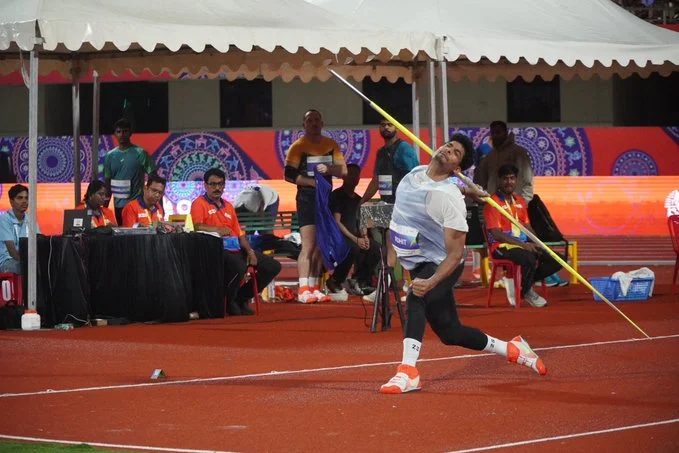

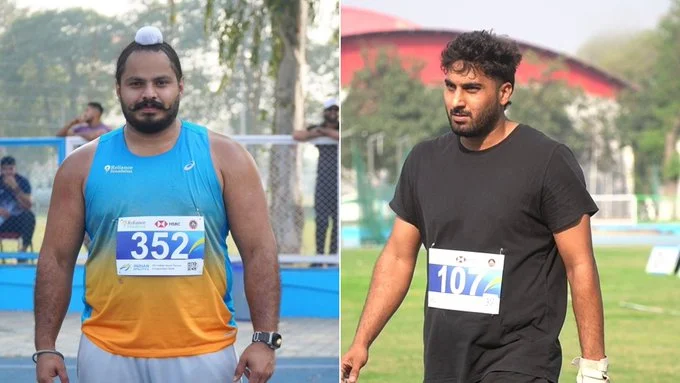
Nagoya: Damneet Singh finished ninth with a best throw of 67.56m, while Praveen Kumar placed 11th with 65.24m in the men’s hammer throw final at the Asian Games. Both Indians were making their debut at the continental Games.
For Damneet, the result marked a disappointing end to a season in which he had demonstrated the ability to compete at a significantly higher level.
Damneet Singh Falls Short of 70m Mark
The 22-year-old produced the biggest breakthrough of his senior career in March at the Indian Open Throws, where he crossed the 70m mark for the first time, recording three throws beyond the distance in the same competition.
He opened with 70.64m, followed by 70.21m on his third attempt and 70.04m on his fifth.
The performance also took him beyond the Asian Games qualification standard of 69.12m, marking a significant milestone for a thrower working to establish himself at the senior level.
However, maintaining that level proved difficult in the months that followed.
Eighth Place at Németh Pál Memorial in Hungary
In August, Damneet competed at the Németh Pál Memorial, a World Athletics Continental Tour Silver-level meeting in Hungary.
He finished eighth in the eight-athlete final with a best throw of 66.67m.
His series included 66.67m, 65.92m, 65.52m and 66.14m, followed by two fouls.
Croatia’s Matija Gregurić won the competition with a throw of 74.85m.
Damneet Finishes Ninth at Asian Games
At the Asian Games, Damneet once again fell short of the 70m mark.
His opening throw of 67.56m remained his best effort, leaving him outside the top eight and ending his competition after three attempts.
Praveen Kumar, who was also making his Asian Games debut, recorded 65.24m to finish 11th.
Both Indians fell short of the performances they would have wanted in the final.
Damneet’s 70m Throws Offer Encouragement
Despite the disappointing result in Nagoya, Damneet’s season includes a significant marker of progress.
His three throws beyond 70m at the Indian Open Throws in March demonstrated that he has the distance required to compete at this level.
The next challenge is consistency.
The Asian Games marked Damneet’s first appearance at a major continental championship. While his ninth-place finish was not the result he would have wanted, his performances earlier in the season showed that the 70m barrier is within his reach.
For now, the men’s hammer throw final in Nagoya ends with 67.56m and ninth place for Damneet Singh, while Praveen Kumar finishes 11th with 65.24m.
Neither performance was enough to reach the top eight, but the experience gives both first-time Asian Games competitors another reference point as they continue to develop.
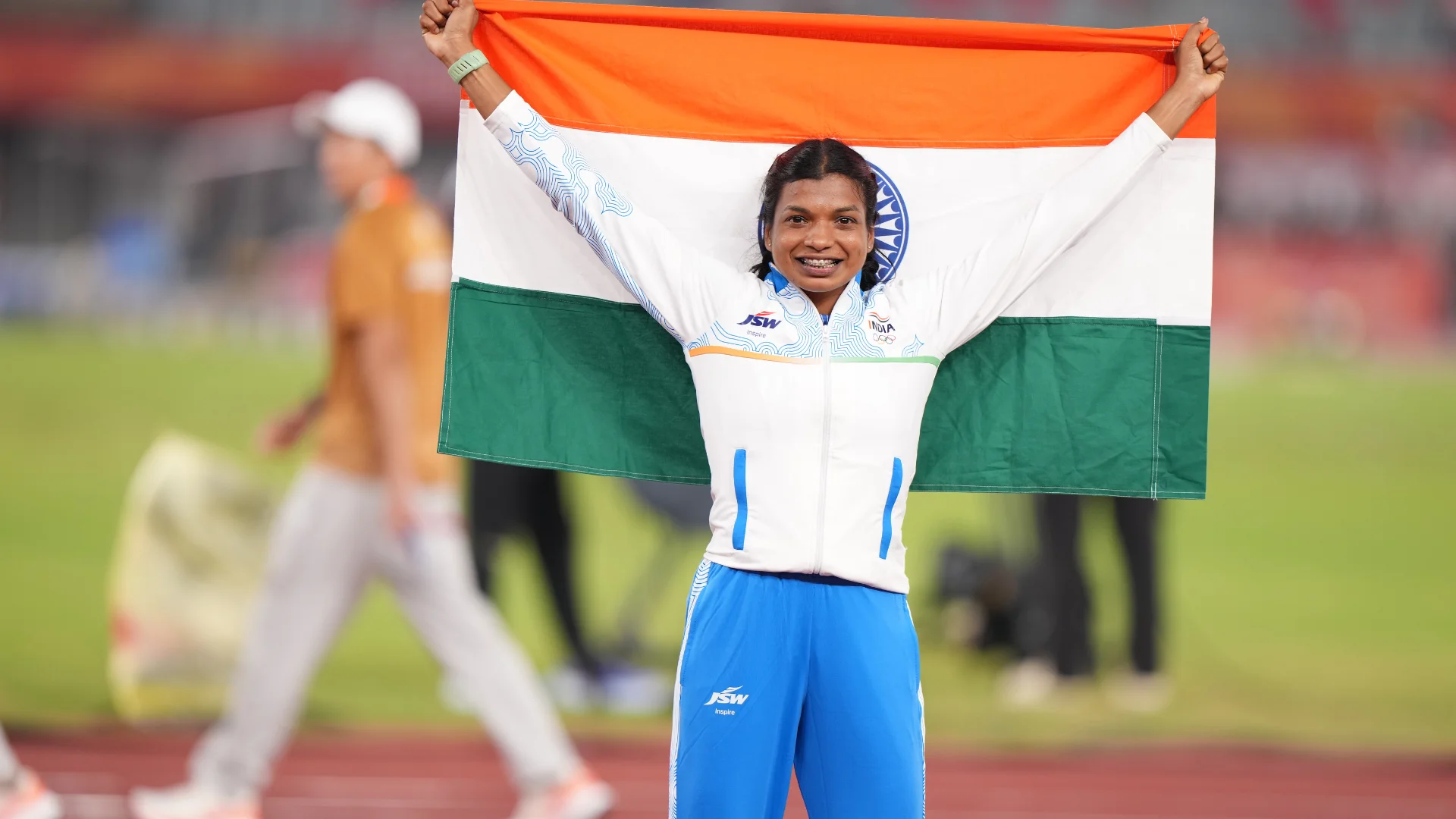
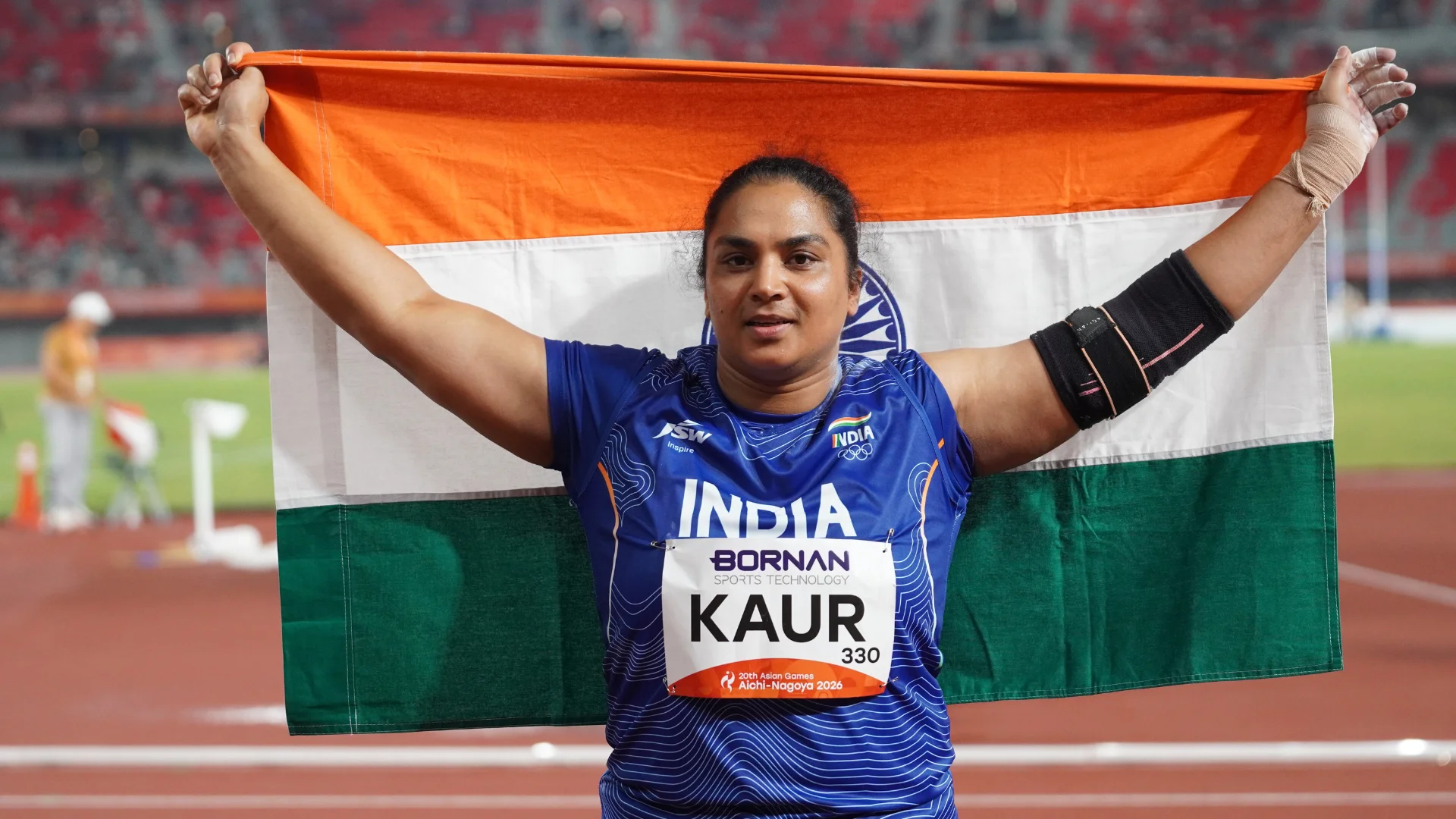
Aichi-Nagoya: Manpreet Kaur became the third Indian woman to win an Asian Games medal in the shot put, securing bronze at the Aichi-Nagoya Games on Friday with a best throw of 17.17m.
The 36-year-old Railways athlete finished behind Chinese duo Song Jiayuan and Zhang Linru, who claimed gold and silver respectively. Manpreet’s bronze adds her name to a select group of Indian women who have stood on the Asian Games podium in the event.
Before Manpreet, only Barbara Webster in 1951 and Kiran Baliyan in 2023 had won Asian Games medals in the women’s shot put for India. Both athletes had also secured bronze.
Manpreet did not have the smoothest start to the competition. Her opening throw measured 16.32m, leaving her with work to do as the field began to establish itself. However, she gradually found her rhythm, improving her mark with each successive attempt.
The breakthrough came with her fourth throw, when she finally crossed the 17-metre mark with 17.17m. That effort proved crucial and effectively secured her place on the podium.
For Manpreet, the medal comes after a long career at the top level of Indian shot put. Her lifetime best remains 18.06m, a mark she produced in 2022 that was also the Indian national record at the time.
Her 2026 season had already shown signs of a strong return to form. At Indian Series-5 in Sangrur, Manpreet won gold with a season-best 17.33m, producing what was then the best throw by an Indian woman in nearly two years. Her performance was also her best throw in almost three years.
The Indian national record has since moved beyond that mark. Abha Khatua’s 18.41m, recorded in 2024, stands as the current national record according to the information provided.
At the Asian Games, however, Manpreet’s task was not simply about chasing her personal best. She had to remain competitive against a strong Chinese contingent, with Song establishing control of the competition from the very first round.
Song led after her opening throw and strengthened her position with a season-best 19.40m on her second attempt. The performance continued China’s extraordinary dominance in the event at the Asian Games, with the country claiming its 13th consecutive women’s shot put gold.
Zhang Linru completed the Chinese one-two, leaving Manpreet to fight for bronze.
India also had another representative in the final, with Krishna Jayasankar Menon finishing fifth. Her best effort measured 16.57m, putting two Indian athletes inside the top five of the competition.
For Manpreet, the result marks another significant chapter in a career that has spanned more than a decade. At 36, she was able to produce when it mattered most, recovering from a modest opening throw and building her series before finding the 17-metre mark with her fourth attempt.
The 17.17m was well short of her lifetime best of 18.06m, but it was enough to deliver an Asian Games medal and place her alongside Webster and Baliyan as the only Indian women to have won a shot put medal at the continental Games.
After Kiran Baliyan’s bronze in 2023, Manpreet has now ensured that India has won medals in the women’s shot put at consecutive Asian Games.
For the Railways athlete, Friday’s bronze was a reward for persistence and a reminder of her longevity in Indian athletics.
Manpreet Kaur — 17.17m, Asian Games bronze.
At 36, she has added another major medal to her career and written her name into the history of Indian women’s shot put.
Delhi’s Nirbhay Choudhary produced the biggest performance of his career at the Indian Athletics Series Final, breaking the men’s hammer throw National Record with a lifetime best of 71.02m in New Delhi.
Choudhary surpassed the previous national record of 70.73m, set by Neeraj Kumar in 2016, ending a 10-year wait for a new national mark.
From 66.67m to a National Record
The record-breaking throw represents a remarkable improvement for the 21-year-old.
At Indian Athletics Series-14, Choudhary won the hammer throw with 66.67m. The AFI results listed 70.73m as the standing national record at the time.
Just weeks later, he added more than four metres to that mark. He also crossed the 70m barrier for the first time in the competition.
His latest performance underlines the progress he has made since his junior years. He had already established himself as one of India’s leading young hammer throwers.
A Unique Journey Into Hammer Throw
Choudhary’s development is particularly intriguing.
According to the information provided, he trains at Jawaharlal Nehru Stadium in Delhi. He has also largely learned the technical aspects of hammer throwing through YouTube, without a specialised hammer throw coach.
That makes his progression to a 71.02m national record even more notable.

By Sushant Singh
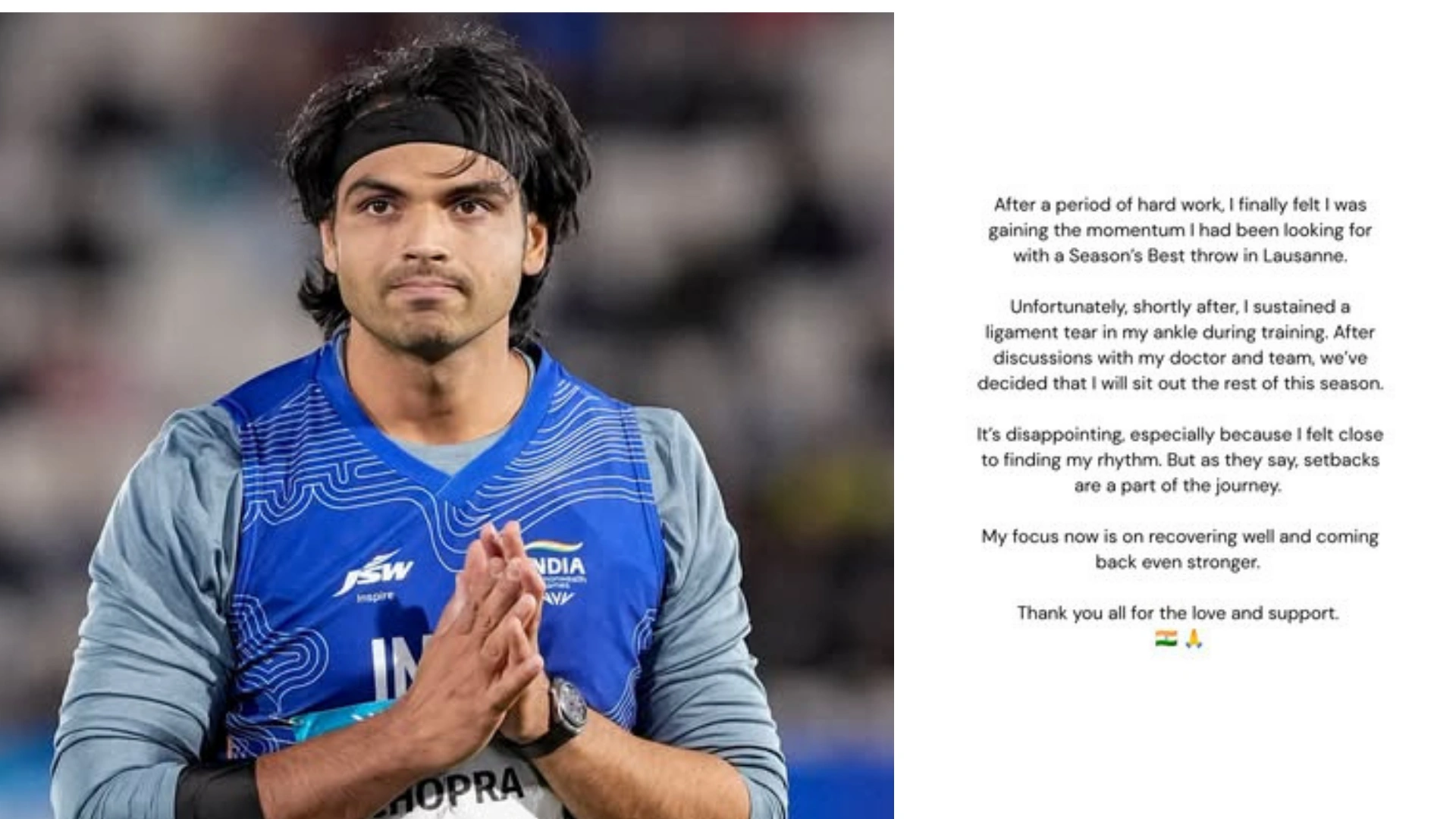
Neeraj Chopra has ended his 2026 season due to an ankle injury, meaning he will miss the upcoming Asian Games 2026.
He informed everyone through a social media post, announcing that a ligament tear in his ankle suffered during training will bring his 2026 season to an early and painful end.
Three major competitions were still on his calendar:
- 5 September – Diamond League Final
- 13 September – World Athletics Ultimate Championship
- 28 September – Asian Games 2026
Why Neeraj Chopra’s Absence Matters
The Asian Games are particularly important from India’s perspective, as the Indian athletics contingent came back with a 100+ medal haul in the last edition, with athletics bringing home the biggest share — 29 medals in total.
In men’s javelin, India won two medals, with Neeraj Chopra winning gold and Kishore Jena taking silver.
But with Neeraj Chopra now ruled out, the big question is: who will represent India in men’s javelin?
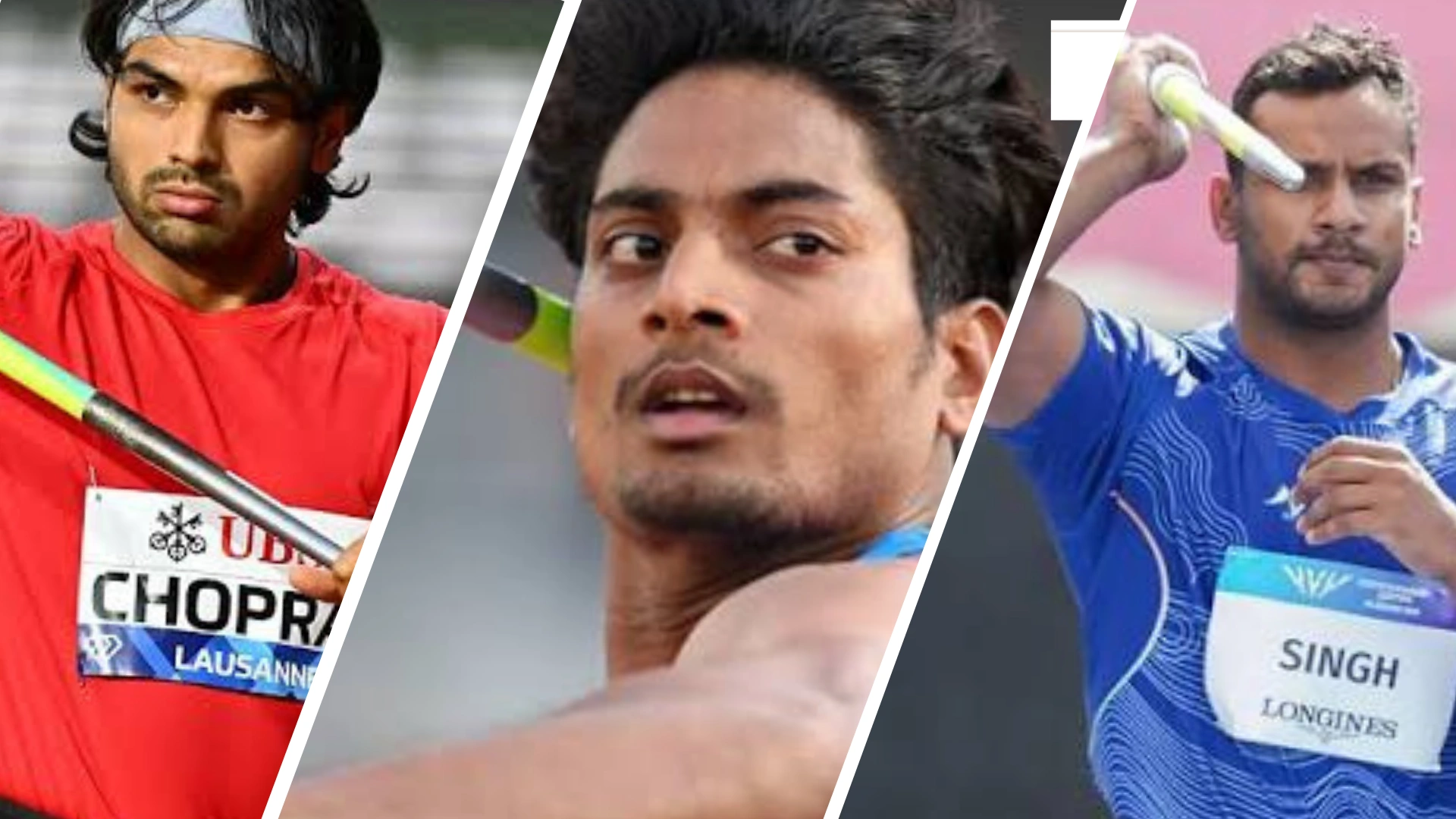
Rohit Yadav
Rohit Yadav has already been named in the provisional Asian Games squad.
He recently produced a massive lifetime best of 87.68m, making him India’s second-best thrower of all time. His 87.68m is currently the third-best throw in Asia this season.
His name was already in the provisional squad, but the question now is: who will replace Neeraj?
Yashvir
Yashvir could be another strong option.
He finished second in the Asian Games qualifier at the Inter-State Championships with 83.72m and later won Commonwealth Games bronze with a lifetime best of 85.41m, currently the fourth-best throw in Asia this season.
However, Yashvir’s name is not included in the current Asian Games long list.
Now, it remains to be seen whether AFI, SAI or IOA can replace Neeraj’s name with Yashvir’s ahead of the Asian Games.
The good news is that the Athletics Federation is yet to finalise the team for the Asian Games 2026, which means there could still be some changes.
But whether they can replace Neeraj’s name with Yashvir’s — that is something we will have to wait and find out.
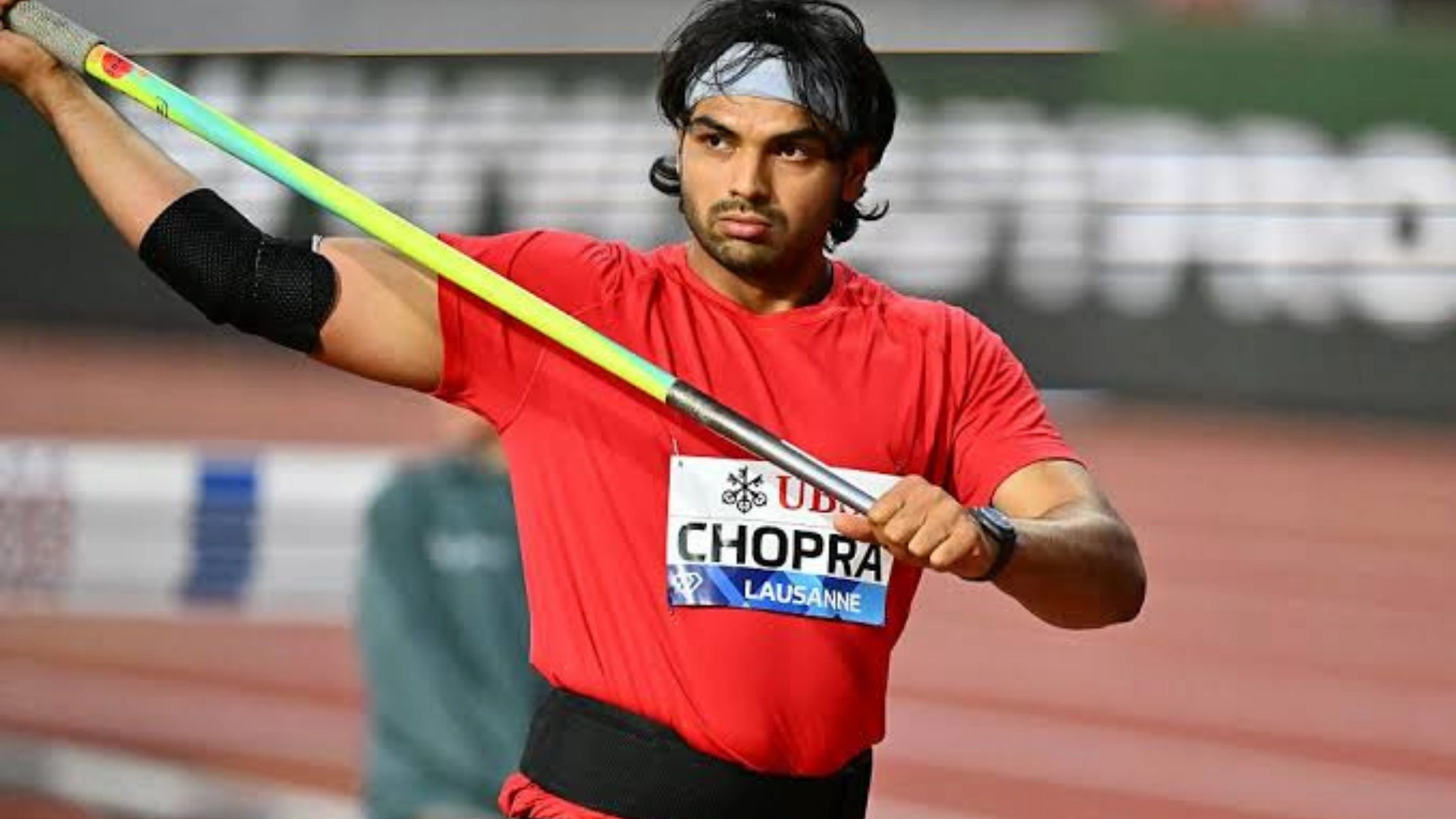
Neeraj Chopra is set for a packed September, with three major competitions lined up against some of the world’s best javelin throwers.
Neeraj, who has returned from a long lay-off due to injury, registered a season-best throw of 88.05m, India’s best throw of the season.
5 September | Diamond League Final, Brussels
After the Zurich Diamond League results, India’s golden boy Neeraj Chopra has secured his place in the Diamond League Final in Brussels, the final leg of the 2026 Diamond League season.
He has qualified alongside five other javelin throwers so far: Rumesh Pathirage, Anderson Peters, Keshorn Walcott, Curtis Thompson, Julius Yego and Neeraj Chopra.
13 September | World Athletics Ultimate Championships, Budapest
Neeraj Chopra’s second-place finish with 88.05m at the Lausanne Diamond League has moved him into the top eight in the World Athletics rankings for qualification to the World Athletics Ultimate Championships.
His Lausanne performance earned him:
88.05m:1216 points
2nd place: +120 points
Total: 1336 points
That pushed Neeraj into the seventh qualifying position.
The final list of athletes eligible for entry through the World Rankings will be determined on 3 September 2026.
28 September | Asian Games, Aichi-Nagoya
Neeraj is expected to represent India in the men’s javelin at the Asian Games, where he will be aiming for another major title.
He is expected to face strong competition from Olympic champion Arshad Nadeem and Sri Lankan javelin sensation Rumesh Pathirage.
Three major competitions. Three elite fields. One very busy month for India’s golden boy.
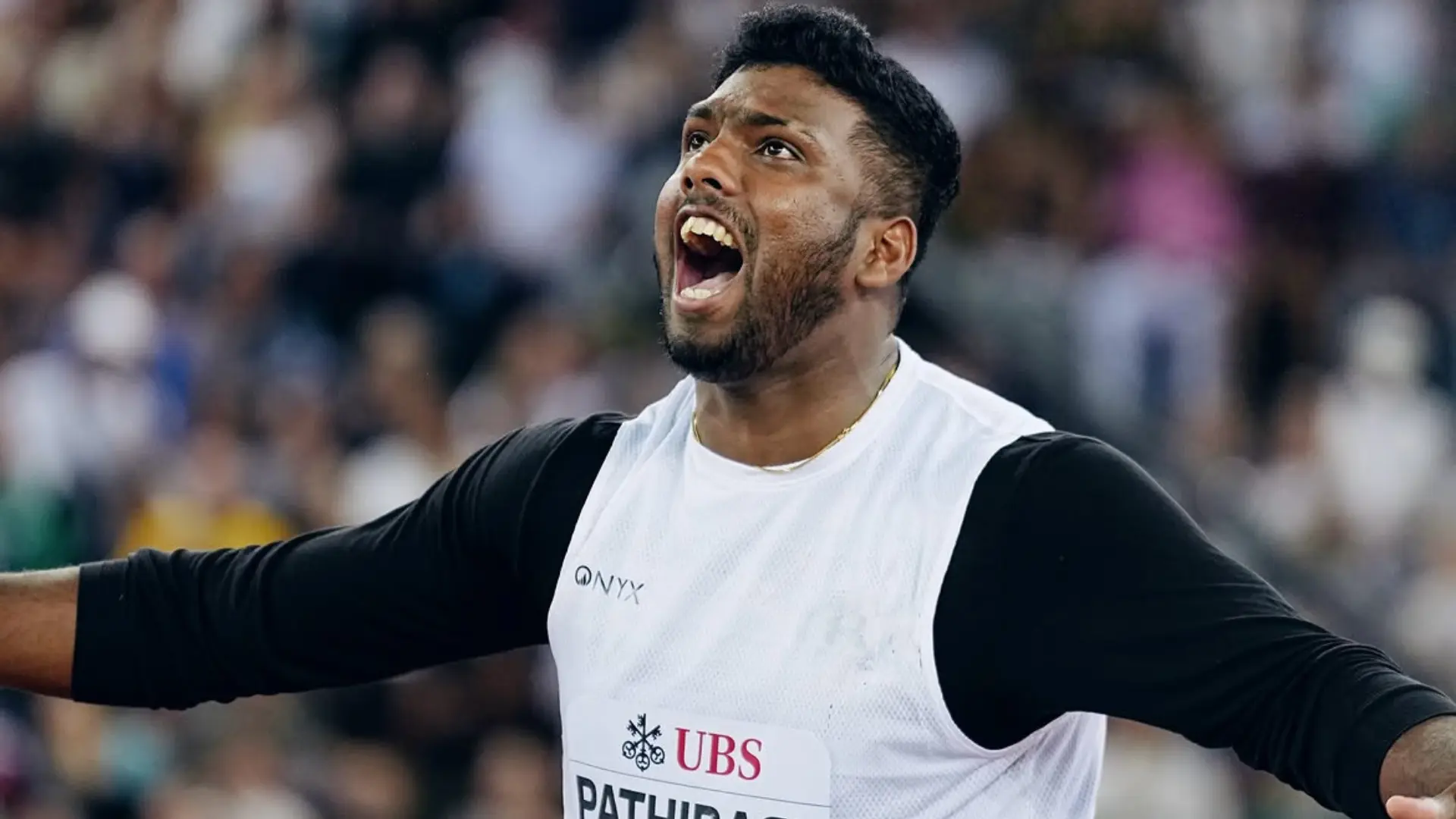
Sri Lanka has emerged as the new powerhouse of Asian javelin throwing, seizing the lead in the subcontinent and asserting global dominance through the astonishing rise of Rumesh Tharanga Pathirage.
For years, the subcontinental javelin narrative centred on the battle between India’s Neeraj Chopra and Pakistan’s Arshad Nadeem. However, the 2026 track and field season has witnessed a seismic shift. 23-year-old Rumesh Tharanga Pathirage has redefined South Asian athletics by mounting one of the most remarkable campaigns in modern javelin history.
With a world leading distance of 92.62m set in Rome and a recent 92.07m victory at the Weltklasse Zürich Diamond League, Pathirage has firmly taken the mantle as the subcontinent’s premier javelin thrower. His achievements have rewritten national and regional history while creating immense pressure on established global icons.
Pathirage’s ascension is not a flash in the pan. At the 2026 Weltklasse Zürich Diamond League meeting, he put on a clinical display of throwing under immense competitive conditions. Facing a world-class field that included two-time World Champion Anderson Peters and former Olympic champion Thomas Röhler, the Sri Lankan built an early lead with attempts of 88.23m and 89.90m before unleashing a monster 92.07m throw on his final attempt.
With this performance, Pathirage became only the fourth javelin thrower in history to breach the 92-meter mark twice in the same calendar year -joining legendary figures Jan Železný, Johannes Vetter, and Aki Parviainen.
Furthermore, Pathirage has dominated his direct subcontinental competition in 2026, holding multiple victories over two-time Olympic medallist Neeraj Chopra, including a tight victory in Lausanne by nine centimetres. With a Commonwealth Games gold medal in Glasgow already secured, his consistency across 12 major meets marks a structural shift in regional track and field.
Sri Lanka’s sudden dominance at the highest level of field events represents a transformation in international athletics. Pathirage leads the Diamond League qualifications standings with 39 points, standing well clear of established global champions.
As the Diamond League Final approaches in Brussels, all eyes are on the Sri Lankan star. His ability to launch throws consistently into the 88m to 92m range makes him the clear favourite heading into the championship phase of the season. Sri Lanka is no longer just participating in global athletics; it is setting the benchmark for the rest of the world to follow.
Men’s Javelin Throw Final Results
- 1. Rumesh Tharanga Pathirage (SRI) – 92.07
- 2. Anderson Peters (GRN) – 86.93 SB
- 3. Dawid Wegner (POL) – 85.16 SB
- 4. Keshorn Walcott (TTO) – 83.02
- 5. Julius Yego (KEN) – 81.66
- 6. Marc Anthony Minichello (USA) – 80.38
- 7. Curtis Thompson (USA) – 80.31
- 8. Thomas Röhler (GER) – 79.86
- 9. Simon Wieland (SUI) – 75.35
- 10. Patriks Gailums (LAT) – 74.30
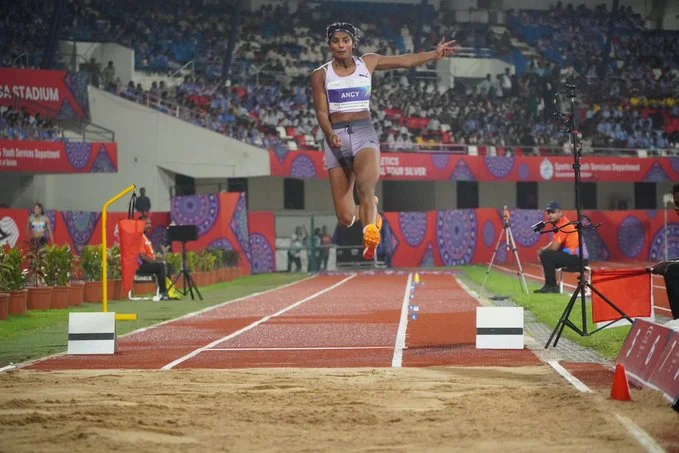
India’s Ancy Sojan Edappilly continued her impressive run at Kalinga Stadium, winning the women’s long jump title at the World Athletics Continental Tour Silver meet in Bhubaneswar with a best effort of 6.71m.
The Indian national record holder produced a consistent series, with her winning mark coming on her third attempt. She opened with 6.51m and 6.58m before landing 6.71m, followed by a foul, 6.65m and 6.56m.
Women’s Long Jump — Final
🥇 Ancy Sojan 🇮🇳 — 6.71m
🥈 Shaili Singh 🇮🇳 — 6.56m
🥉 Mubassina Mohammed 🇮🇳 — 6.31m
4️⃣ Kusuma Ravanada 🇮🇳 — 6.29m
5️⃣ Bhagavathi Bhavani 🇮🇳 — 6.25m
6️⃣ Danielle Nolte 🇿🇦 — 6.05m
Ancy’s victory comes just weeks after she produced a spectacular 6.88m at the same stadium to break the Indian women’s long jump national record.
Although she could not replicate that record-breaking distance this time, her 6.71m was comfortably enough to secure the gold medal and once again underline her dominance in the Indian event.
India also completed a clean sweep of the podium, with Shaili Singh taking silver at 6.56m and Mubassina Mohammed winning bronze with 6.31m.
The result makes the women’s long jump one of the highlights of India’s campaign at its first-ever World Athletics Continental Tour Silver-level meet, with the country’s leading jumpers delivering a memorable home performance at Kalinga Stadium.
For Ancy, the gold adds another strong result to what has already been a breakthrough season, following her record-breaking leap of 6.88m at the same venue.
Rohit Yadav delivered the standout performance of the World Athletics Continental Tour Silver meet in Bhubaneswar, winning the men’s javelin throw with a sensational 87.68m — a new lifetime best and one of the biggest throws in Indian athletics history.
The Uttar Pradesh thrower produced the massive mark on his sixth and final attempt, finishing well clear of compatriot Yashvir Singh, who secured silver with 82.94m.
Men’s Javelin Throw — Final
🥇 Rohit Yadav 🇮🇳 — 87.68m
🥈 Yashvir Singh 🇮🇳 — 82.94m
🥉 Sumedha Ranasinghe 🇱🇰 — 80.29m
4️⃣ Arshdeep Singh 🇮🇳 — 78.82m
5️⃣ Anand Singh 🇮🇳 — 78.34m
6️⃣ Ravi Rathushan 🇱🇰 — 77.24m
7️⃣ Douw Smit 🇿🇦 — 76.79m
Rohit’s winning throw places him second on India’s all-time list, behind only Neeraj Chopra’s national-record 90.23m. It also represents a major leap forward for the 2026 season, with Rohit adding nearly a metre to his previous personal best of 87.05m.
The 87.68m effort also puts Rohit among the leading javelin throwers globally this season, making his performance one of the biggest highlights of India’s first-ever World Athletics Continental Tour Silver-level meet.
Yashvir Singh further strengthened India’s dominance in the event by crossing 82 metres for silver, while Sri Lanka’s Sumedha Ranasinghe completed the podium with an impressive 80.29m.
Rohit’s breakthrough performance adds another exciting chapter to India’s growing strength in men’s javelin throw. With Neeraj Chopra, Rohit Yadav and Yashvir Singh all producing world-class marks this season, India’s javelin depth has rarely looked stronger.