
Birsa Munda Stadium, Ranchi | Federation Cup 2026 | May 24, 2026
Stop everything. Indian pole vault just had its greatest evening.
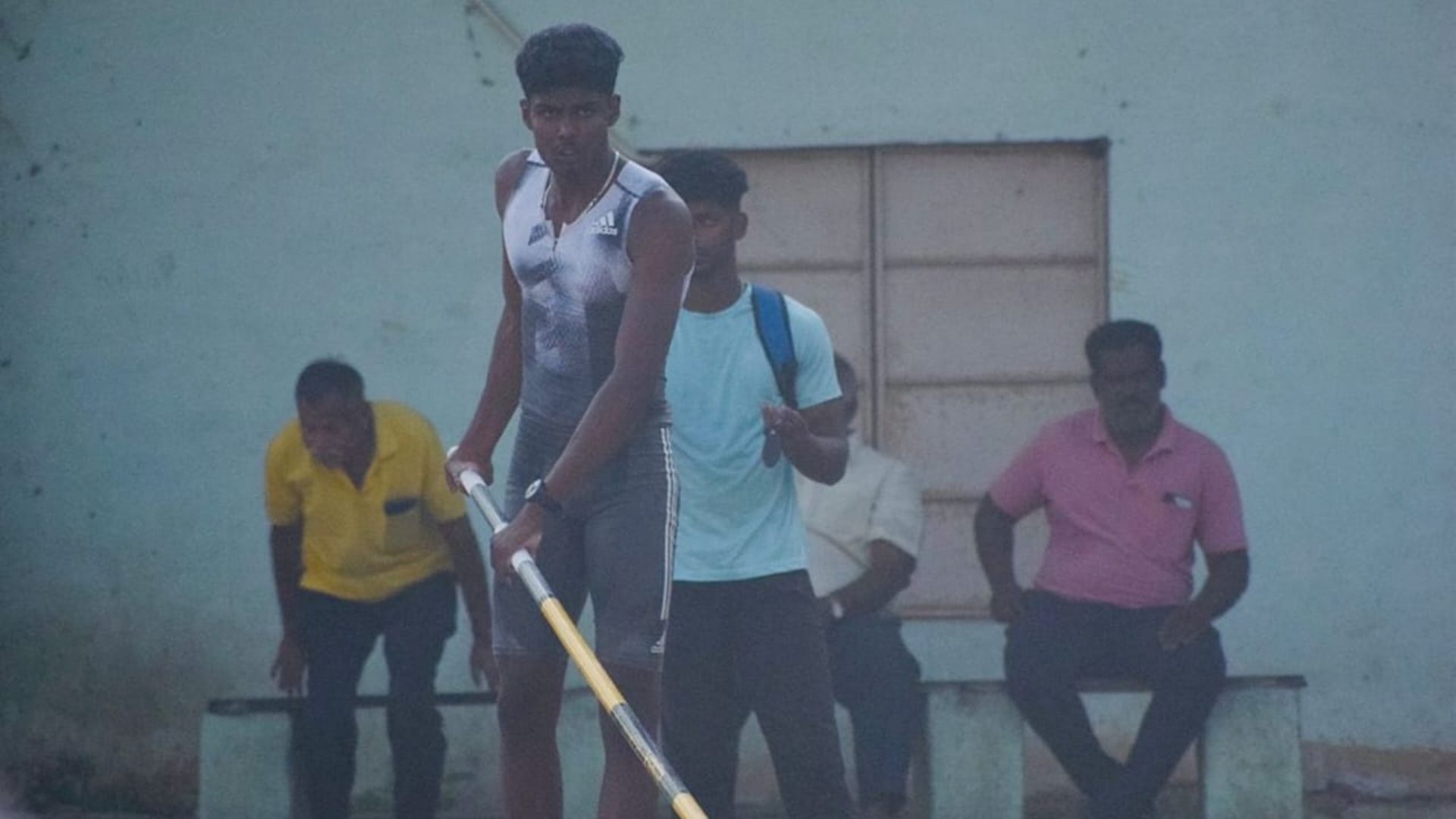
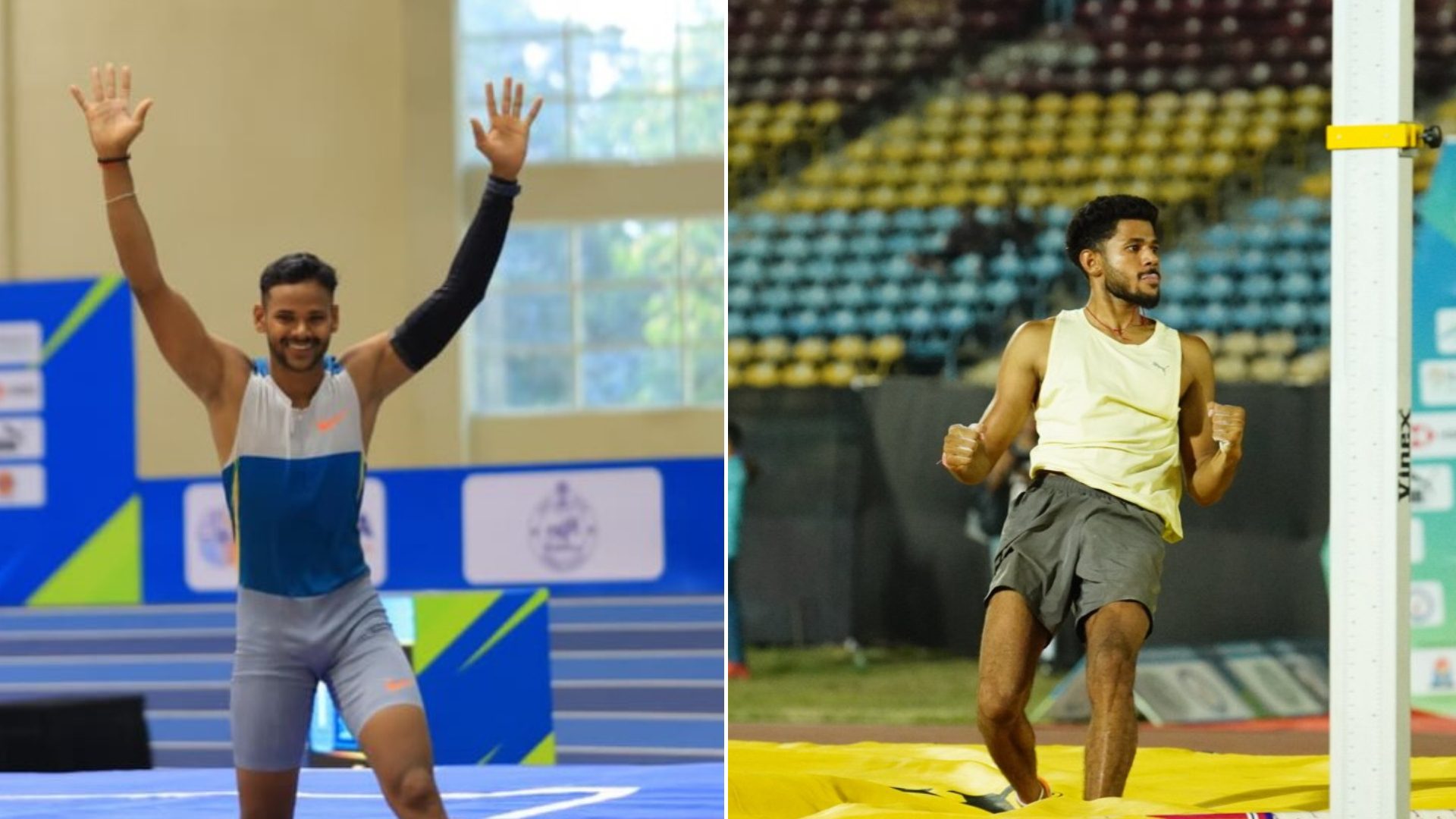
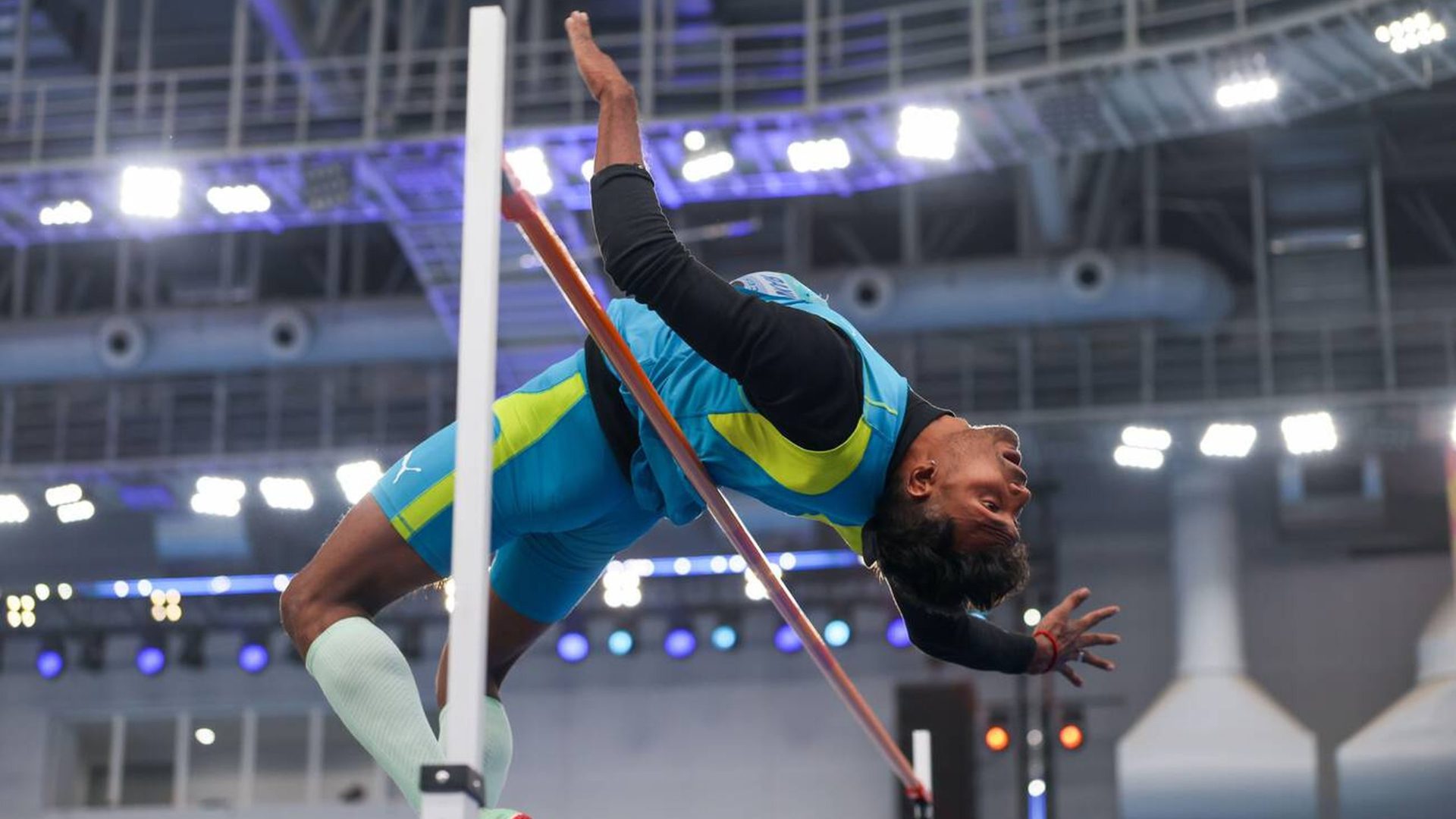
In a sequence of attempts that will be replayed and retold for years, Dev Meena and Kuldeep Yadav have shattered the Indian national record not once, not twice, but three times in the space of a few extraordinary attempts at Federation Cup 2026. And as if that weren’t enough — both athletes are now attempting 5.50m.
Three Attempts. Three National Records.
Here is how the history unfolded, almost too fast to process:
Dev Meena opened the fireworks by clearing 5.42m — a new Indian national record, surpassing the previous mark held by none other than Kuldeep Yadav himself standing right beside him.
Kuldeep’s response was immediate and emphatic. He cleared 5.45m — reclaiming the national record in the very next attempt as if to say the title was never leaving his hands.
Then Dev Meena stepped back onto the runway. He cleared 5.45m too — equalling the brand new national record and ensuring neither man could claim it alone.
Three national record moments. Back to back to back. One of the most breathtaking sequences of performances Indian athletics has ever witnessed at a domestic championship.
How history unfolded — attempt by attempt
Training Partners Pushing Each Other to History
What gives this story its most extraordinary dimension is what these two athletes are to each other off the runway. Dev Meena and Kuldeep Yadav are training partners. They train under the same coach. Every session, every drill, every vault in practice has been shared between them.
And now, on the biggest stage of the domestic calendar, they have pushed each other to places neither may have reached alone. This is what great training partnerships produce — not just improvement, but transformation. The rivalry is real, the competitiveness is fierce, but the foundation is one of shared purpose and mutual respect.
It echoes the greatest rivalries in athletics history — the ones where the competitor across the runway is not an enemy but a mirror, reflecting back what is possible when both athletes refuse to let the other have the last word.
Both Clear CWG Qualification
Amid the national record drama, an equally significant subplot: both Dev Meena and Kuldeep Yadav have now breached the Commonwealth Games 2026 qualification standard. The CWG mark of 5.25m has been cleared — emphatically — by both men. Barring selection complications, India will send two genuine pole vault medal contenders to the Commonwealth Games.
That alone would have been a headline. Tonight, it is almost a footnote.
Birsa Munda Stadium, Ranchi | Day 3 | May 24, 2026 | 17:00 IST
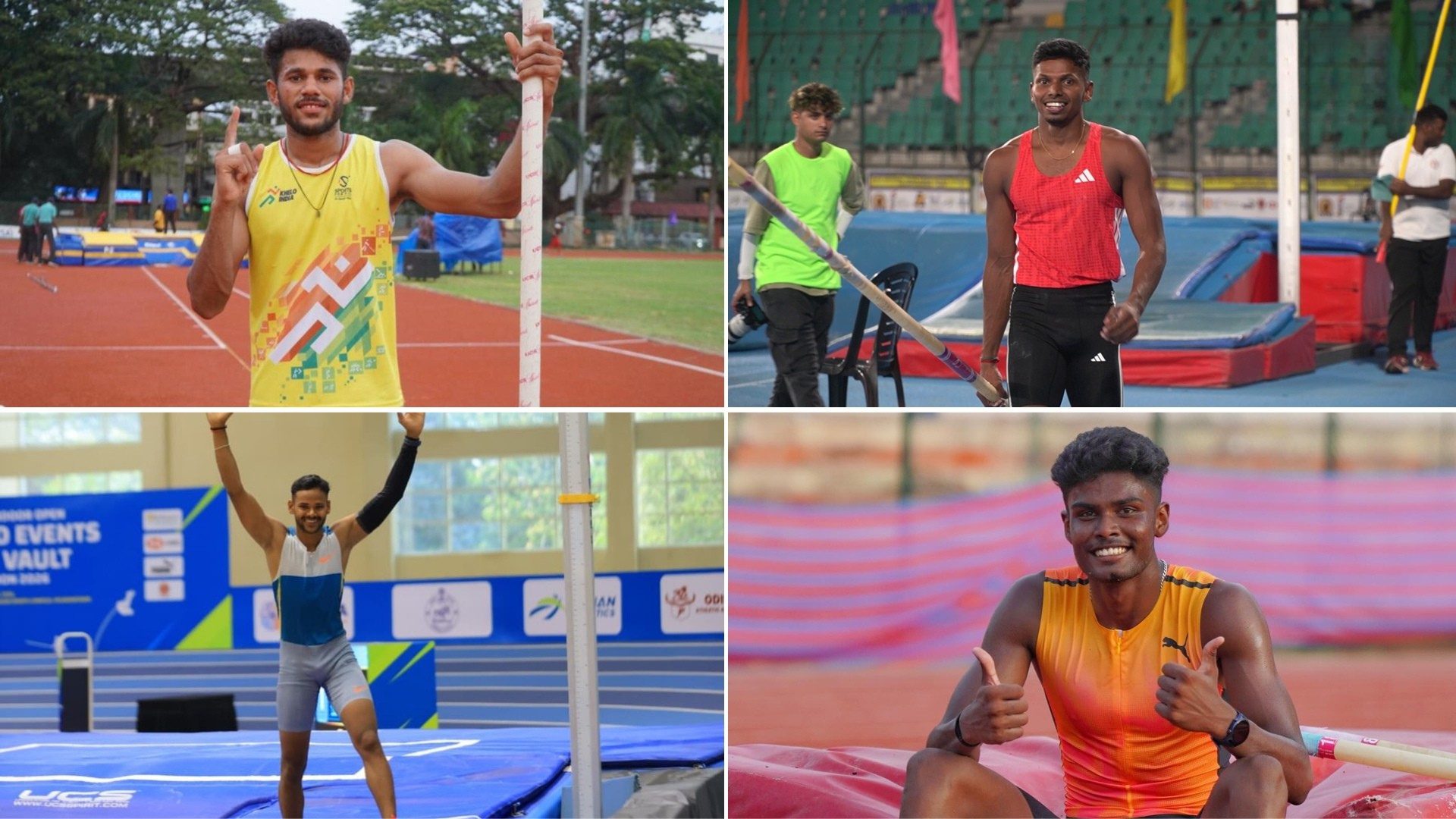
There is a stat about the Men’s Pole Vault Final at Federation Cup 2026 that deserves to be read twice: all four athletes competing this evening have already set personal bests this season. Not one of them. Not two. All four.
That is not a coincidence. That is a generation of Indian pole vaulters arriving together — and at 17:00 IST in Ranchi, they will go head to head in what promises to be one of the most fiercely contested vertical events in recent Indian athletics history.
The Top Four — All Flying in 2026
Kuldeep Yadav leads the field on paper with a season best of 5.41m, a mark that not only clears the Commonwealth Games qualification standard but places him firmly in the conversation as one of India’s finest pole vaulters. He enters the final as the man to beat, carrying the momentum of a personal best already banked this year.
Just one centimetre behind him is Dev Meena at 5.40m — a gap so small it is essentially meaningless in competition. Meena has been equally impressive this season and will not concede anything to Kuldeep without a fight. When the bar climbs to its upper heights, expect these two to be the last men standing.
Reegan Ganesh has cleared 5.35m this season — again, a personal best — and sits only six centimetres off the top. In pole vault, where athletes can clear or fail heights by fractions, that is absolutely nothing. Ganesh is a genuine podium contender and, on the right day, a title contender too.
The fourth name, Kavin Raja, has registered a season best of 5.12m. While he enters as the underdog against the top three, his personal best this season tells the same story as his rivals — he is jumping better than he ever has. Don’t rule him out for a performance that surprises everyone.
A Season of Personal Bests — What Does It Mean?
The fact that every single athlete in this final has already surpassed their previous career best in 2026 is remarkable context for what we might witness this evening. These are not athletes finding form slowly — they are already beyond where they have ever been. Federation Cup arrives at the peak of their seasons, not the beginning.
In a technical event like pole vault, personal bests signal more than fitness. They signal that an athlete’s technique, run-up, and bar clearance rhythm are all clicking at the same time. All four athletes are in that place simultaneously. The result is a final where the bar is likely to climb higher than any previous edition of this event.
Commonwealth Games in the Crosshairs
The CWG 2026 qualification mark of 5.25m is a realistic target for the top three athletes in this field — all of whom have already cleared it this season. Kuldeep, Meena, and Ganesh will not just be competing for the Federation Cup title this evening; they will be eyeing a confirmed berth at the Commonwealth Games.
For Kavin Raja, 5.25m represents a significant but not impossible step up from his 5.12m season best. A competition of this magnitude, against rivals of this quality, can unlock heights that time trials simply cannot.
One Bar, No Margin for Error
Pole vault rewards the brave and punishes the hesitant. With the margins between Kuldeep Yadav and Dev Meena at a single centimetre, this final could come down to a countback, a final attempt, or a single moment of magic under the Ranchi sky.
Four athletes. Four personal bests. One title.
The bar goes up at 17:00 IST. Let’s see who clears it last.
Federation Cup 2026 runs from May 22–25 at Birsa Munda Stadium, Ranchi.
Birsa Munda Stadium, Ranchi | Day 3 | May 24, 2026 | 18:00 IST
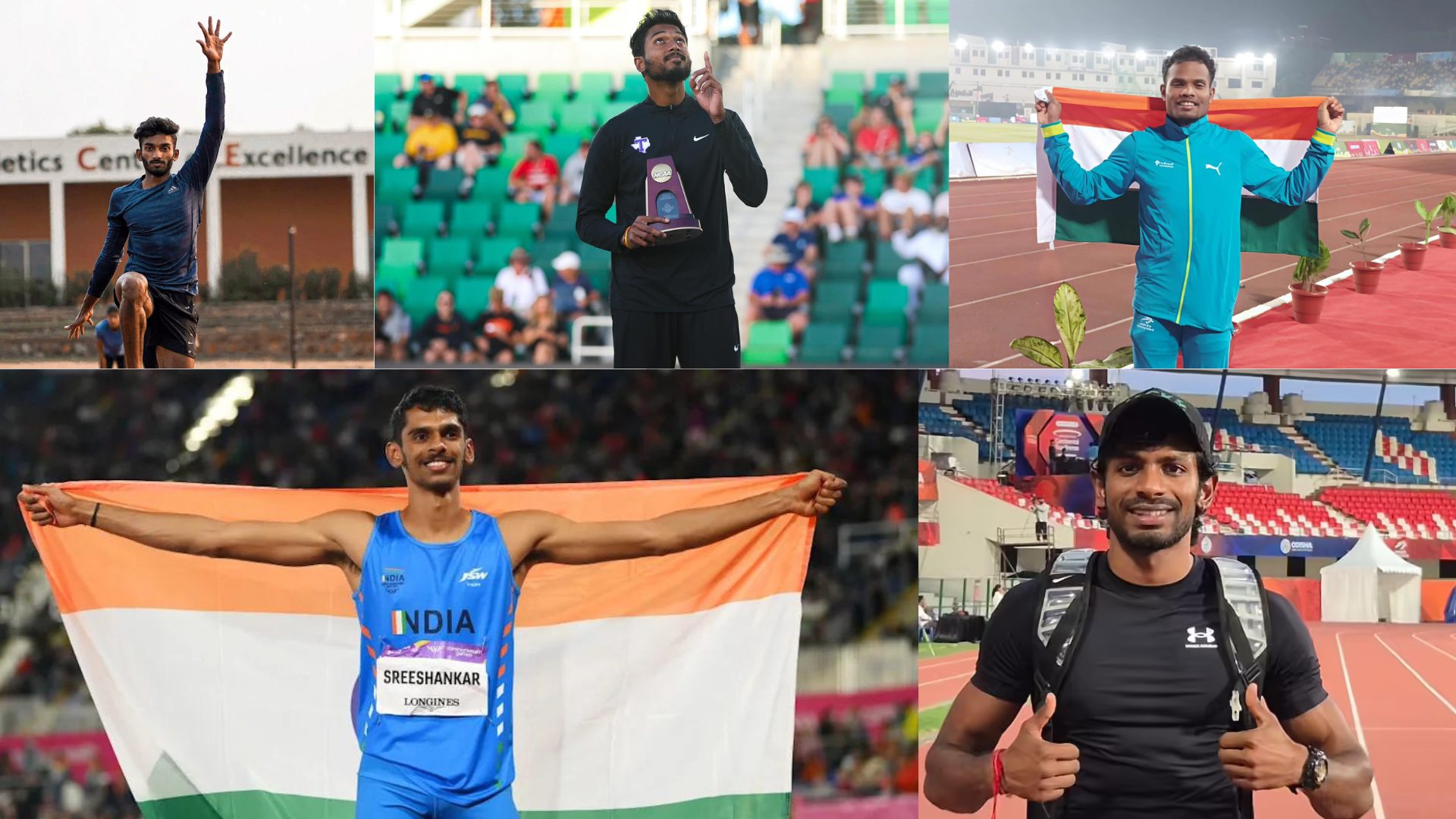
If Day 1 belonged to the sprinters and hammer throwers, Day 3 of Federation Cup 2026 has a event of its own lined up at 18:00 IST — the Men’s Long Jump Final. With three athletes capable of jumping beyond 8.40 metres, a Commonwealth Games qualification mark that is genuinely within reach, and a field that spans generations of Indian long jump excellence, this promises to be the standout field event of the entire championship.
The Big Three
At the top of the billing sit three athletes who have each touched or surpassed 8.41 metres — a number that places them among the finest long jumpers India has ever produced.
Murali Sreeshankar needs no introduction. The Kerala jumper and national record holder carries a personal best of 8.41m and a season best of 8.15m into Ranchi. Few athletes in Indian athletics history have combined the technical precision and explosive power that Sreeshankar brings to the runway. He arrives as the most decorated name in this field and the benchmark against which everyone else is measured.
Jeswin Aldrin is, in many ways, the most intriguing entry of all. The Tamil Nadu jumper opened his 2026 season with a stunning 8.41m — matching Sreeshankar’s personal best in what was just a season opener. That kind of form in the very first competition of the year signals that Aldrin is not just in form, he is primed. If he has found consistency to go with that distance, he could be the most dangerous athlete on the runway this evening.
Then there is S Lokesh, who holds the best season best in this field at 8.21m — a mark that already clears the Commonwealth Games qualification standard with room to spare. Lokesh has been quietly building a formidable 2026 campaign, and a national championship final is exactly the stage where he will want to deliver his biggest jump yet.
Commonwealth Games: The Real Prize
The CWG 2026 qualification mark of 8.05m is, unlike the women’s long jump standard, a genuinely realistic target for multiple athletes in this field. Sreeshankar, Lokesh, and Aldrin have all already cleared it this season. But David P (PB: 7.94m), Sunny Kumar (PB: 7.90m), Md. Atta Sazid (PB: 7.86m), and Sarun Payasingh (PB: 7.80m) will be fiercely motivated to use this final as their qualification bid — knowing that a personal best could punch their ticket to the Commonwealth Games.
For that group in particular, tonight is not just about winning a medal. It is about a leap that changes everything.
A Generational Showdown
What makes this final so compelling is the generational dynamic at play. Sreeshankar represents the established elite — a man who has competed and medalled at the highest international levels. Aldrin and Lokesh are the rising tide, younger, hungry, and increasingly capable of matching or surpassing him. The rest of the field adds unpredictability that no preview can fully account for.
Long jump finals have a way of producing the unexpected. A perfect stride pattern, a clean takeoff, an extra centimetre of hang time — and the leaderboard reshuffles entirely.
One Runway, Three Title Contenders
Sreeshankar, Aldrin, Lokesh. Any one of them can win this. All three of them want to. And somewhere in the mix, a lesser-fancied athlete may find the jump of his life.
The runway at Birsa Munda Stadium is ready. The sandpit awaits. At 18:00 IST, India’s finest long jumpers take flight.
Federation Cup 2026 runs from May 22–25 at Birsa Munda Stadium, Ranchi.
Birsa Munda Stadium, Ranchi | Federation Cup 2026 | May 22, 2026
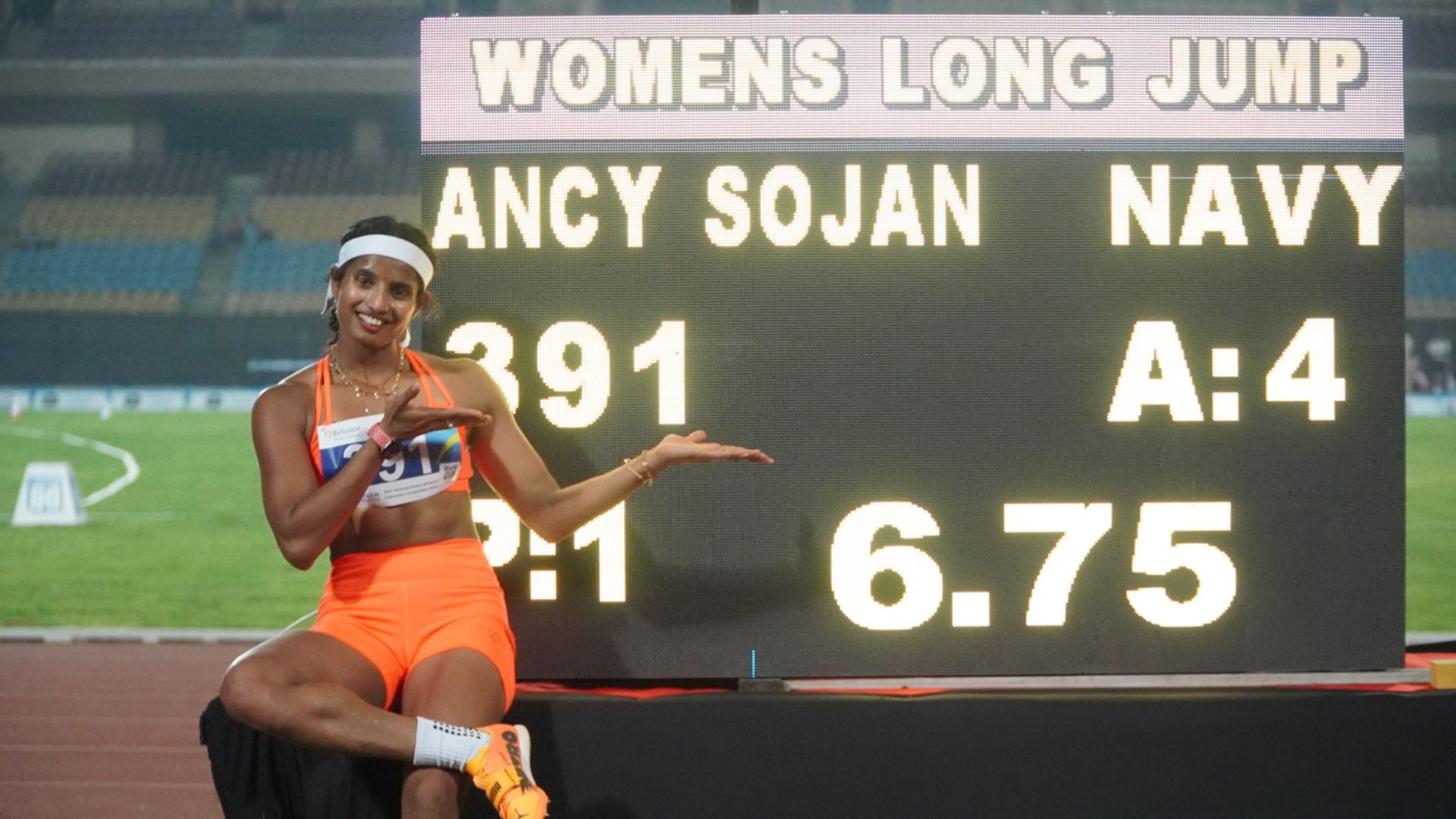
Ancy Sojan has moved to the top of the leaderboard in the Women’s Long Jump final at Federation Cup 2026, registering a season-best jump of 6.56m on her second attempt to assert her authority in what is shaping up to be a gripping contest.
Ancy Takes Control
The Kerala jumper came into today’s final as the season leader and favourite, and she has backed that billing up when it matters. Her 6.56m leap — an improvement on her previous season best of 6.54m — is a statement of intent. Ancy is jumping with confidence and rhythm, and if she continues to find her range with each attempt, a bigger mark looks well within reach before the competition closes.
Shaili Singh Close Behind
Hot on her heels is the ever-dangerous Shaili Singh, who has registered 6.46m to sit in second place. The gap between the two is 10 centimetres — significant, but far from insurmountable with attempts still remaining. Shaili has the biggest personal best in this field at 6.76m, and she is more than capable of producing a jump that completely reshuffles the standings. She will know that her best is still ahead of her this evening.
The top two are pulling away from the rest of the field, and the battle between Ancy and Shaili alone is worth the admission.
The 6.84m Mountain
While the immediate battle for the Federation Cup title is compelling, the number that truly defines the stakes of this competition remains 6.84m — the Commonwealth Games 2026 qualification mark. To reach it, an Indian athlete would need to surpass Anju Bobby George’s national record of 6.83m, a mark that has stood for over two decades.
Ancy’s current 6.56m and Shaili’s 6.46m both leave a significant gap to that standard. But with attempts still remaining and both athletes clearly in competitive form, the final is far from over. A special jump — the kind that only championship pressure can produce — is not out of the question.
The Final Is Live
The Women’s Long Jump final at Federation Cup 2026 is in the balance. Ancy leads, Shaili chases, and the runway at Birsa Munda Stadium holds the answer to what comes next.
Stay tuned for further updates as the final continues. Federation Cup 2026 runs from May 22–25 at Birsa Munda Stadium, Ranchi.
Birsa Munda Stadium, Ranchi | May 22, 2026 | 18:00 IST
The stage is set. The runway is ready. And six of India’s finest long jumpers are primed to take flight.
The Women’s Long Jump event at the Federation Cup 2026 promises to be one of the most compelling track and field contests of the domestic calendar year. Scheduled for Day 1 of the meet at Birsa Munda Stadium in Ranchi, the event gets underway at 18:00 IST — and with the Commonwealth Games qualification mark looming large, the stakes could not be higher.
Ancy Sojan: The Woman in Form
All eyes will be on Ancy Sojan, who arrives in Ranchi as India’s in-form long jumper and the current national season leader. Her 2026 season best of 6.54m, backed by a personal best of 6.71m, places her at the top of the domestic pecking order. Earlier this year, Ancy claimed a bronze medal at the Asian Indoor Championships — a performance that announced her intent and confirmed she is in the form of her life. She enters Federation Cup as the clear favourite, but she knows that resting on recent laurels is not an option.
Shaili Singh: The Perennial Contender
Hot on Ancy’s heels is Shaili Singh, arguably the most talented long jumper India has produced in a generation. With a personal best of 6.76m — the best in this field — Shaili is technically the athlete closest to the Commonwealth Games qualification mark. Her season best of 6.52m suggests she is still finding top gear, but when Shaili is on song, few in Asia can match her. A big performance in Ranchi would do wonders for her confidence ahead of a packed international season.
The Rest of the Field
The competition does not end there. Mubassina (PB/SB: 6.38m) and Pariksha (PB/SB: 6.10m) both come in with their personal bests also serving as their season bests, meaning they have room to grow — and surprise. Bhavani Yadav (SB: 6.27m, PB: 6.44m) and Sherin (SB: 6.07m, PB: 6.45m) are experienced campaigners who cannot be written off, particularly in the charged atmosphere of a national championship.
The Commonwealth Games Shadow
Hovering over every jump will be the Commonwealth Games 2026 qualification standard of 6.84m — a mark that demands not just excellence, but history. To hit that standard, an Indian athlete would need to surpass Anju Bobby George’s national record of 6.83m, a mark that has stood for over two decades and remains one of Indian athletics’ most celebrated achievements. It is a mountain of a task, but Federation Cup provides the platform, the competition, and the motivation.
Whether or not the national record falls on Thursday evening, this promises to be a breathtaking contest between six athletes all chasing the same dream — to fly further than any Indian woman ever has.
Federation Cup 2026 runs from May 22–25 at Birsa Munda Stadium, Ranchi.
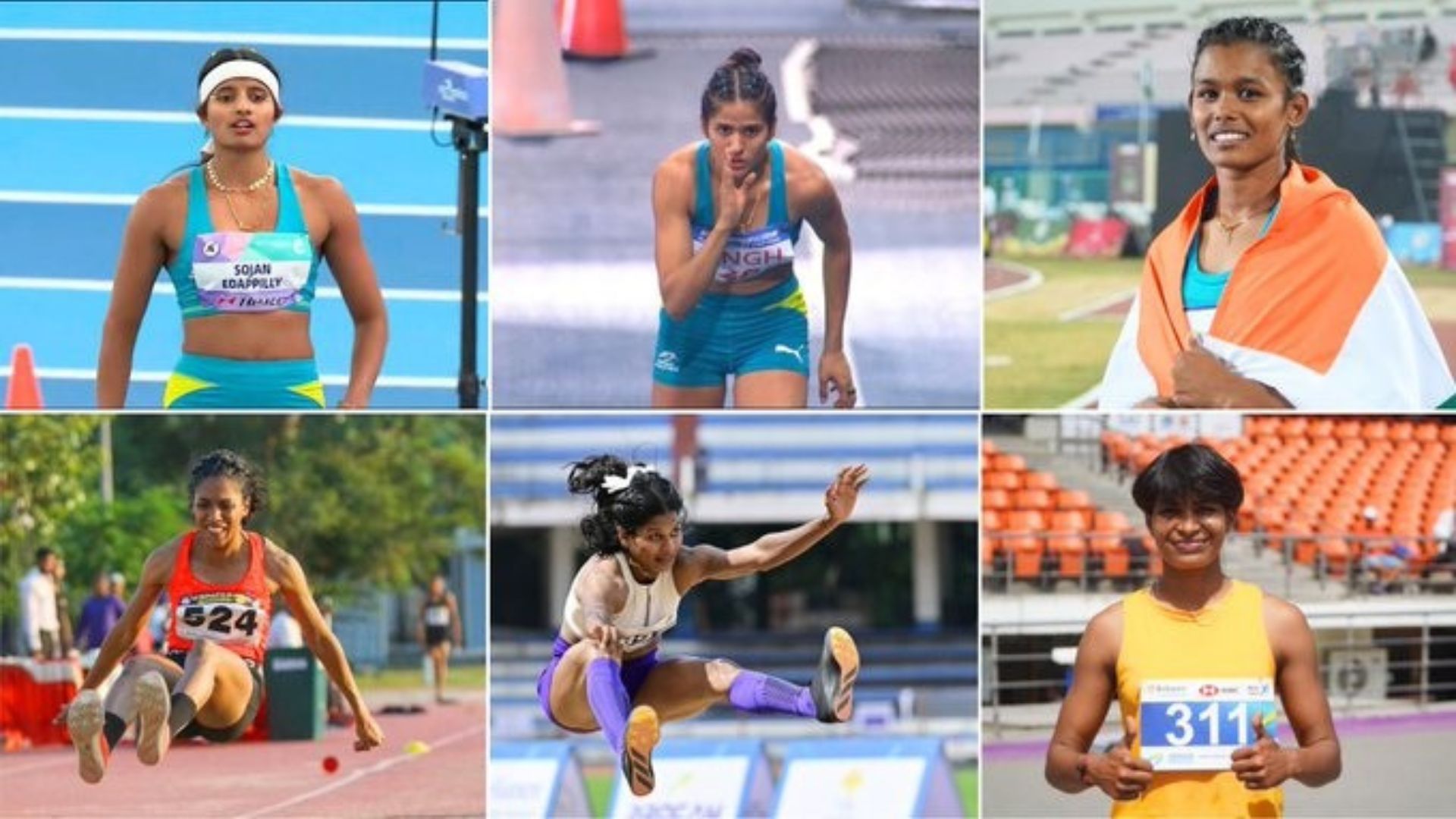
Indian triple jumper Selva Prabhu continued his remarkable 2026 season by winning gold in the men’s triple jump at the Big 12 Outdoor Track and Field Championships in the United States.
Representing Kansas State University, the 21-year-old produced a huge wind-aided jump of 17.19m (+4.6 m/s) to clinch the conference title against a strong collegiate field.
Although the mark will not count for record purposes due to the excessive tailwind, it once again highlighted the rapid rise of one of India’s most exciting young field event athletes.
Selva, who holds India’s U20 national record in triple jump, has been enjoying a breakthrough season on the American collegiate circuit. Earlier this year, he registered a lifetime best of 17.05m — the first legal 17m-plus jump of his career — while winning silver at the NCAA Indoor Championships, widely regarded as one of the toughest collegiate track and field competitions in the world.
The jump placed him among the leading Indian triple jumpers of his generation and strengthened his growing reputation internationally.
Apart from his success in triple jump, Selva has also shown improvement in the long jump this season, raising his personal best to 7.35m and underlining his all-round athletic ability.
The Big 12 Championships feature several of the strongest NCAA athletics programmes in the United States and regularly serve as a pathway for athletes progressing to global competition. For Selva, performing consistently at that level is another encouraging sign ahead of a crucial phase in Indian athletics.
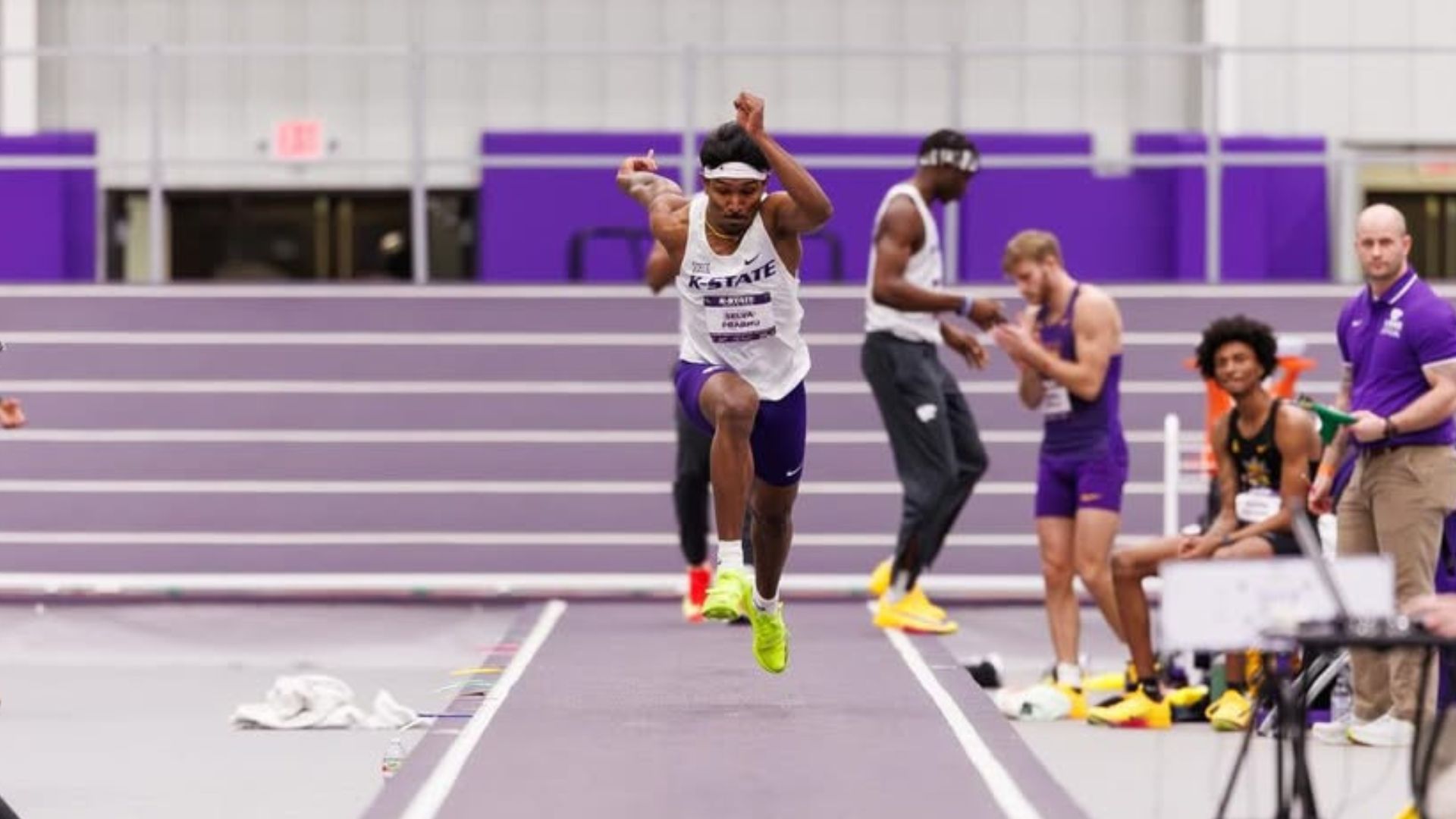
Sherin Gafoor Breaches 6m Barrier for First Time This Season
In a competition that emphasized grit over record-breaking distances, Sherin Abdul Gafoor secured the women’s long jump title at the Indian Athletics Series-6. Competing at the Jawaharlal Nehru Stadium, Sherin recorded a season-best jump of 6.07m, making her the only athlete in the field to cross the 6-meter mark.
While 6.07m secured the gold today, it remains a conservative mark for an athlete of Sherin’s calibre. The 24-year-old Tamil Nadu jumper has a formidable pedigree, with a personal best of 6.46m set in 2024 at the Tamil Nadu Senior State Championships.
Sherin’s recent career has been a battle against resilience. After an injury-laden 2023 that limited her to just two competitions, she has been on a quest to rediscover the form that once made her a top-three jumper in the country. Her 6.07m today is a significant psychological milestone, marking the first time she has cleared 6 meters in the 2026 season—a clear sign that her physical conditioning is trending in the right direction.
Despite the win, the overall performance of the field was notably below par compared to the explosive marks seen earlier this year. To put today’s results in perspective, India’s top long jumpers have been operating at a much higher altitude this season:
- Ancy Sojan: 6.54m (Season Best)
- Shaili Singh: 6.52m (Season Best)
- Pavana Nagaraj: 6.47m (Season Best)
In comparison to these elite benchmarks, the 6.07m winning mark highlights a “defensive” day in the pit for the second-string field. Meryl Ann Mathew finished second with 5.85m, while Lakshanya S.N. took the bronze with 5.82m.
For Sherin Gafoor, the gold medal is a vital stepping stone. As a Master’s student at Loyola College and a former World Youth silver medalist, Sherin has the technical foundation to bridge the 40cm gap between her current form and the Asian Games qualifying standards.
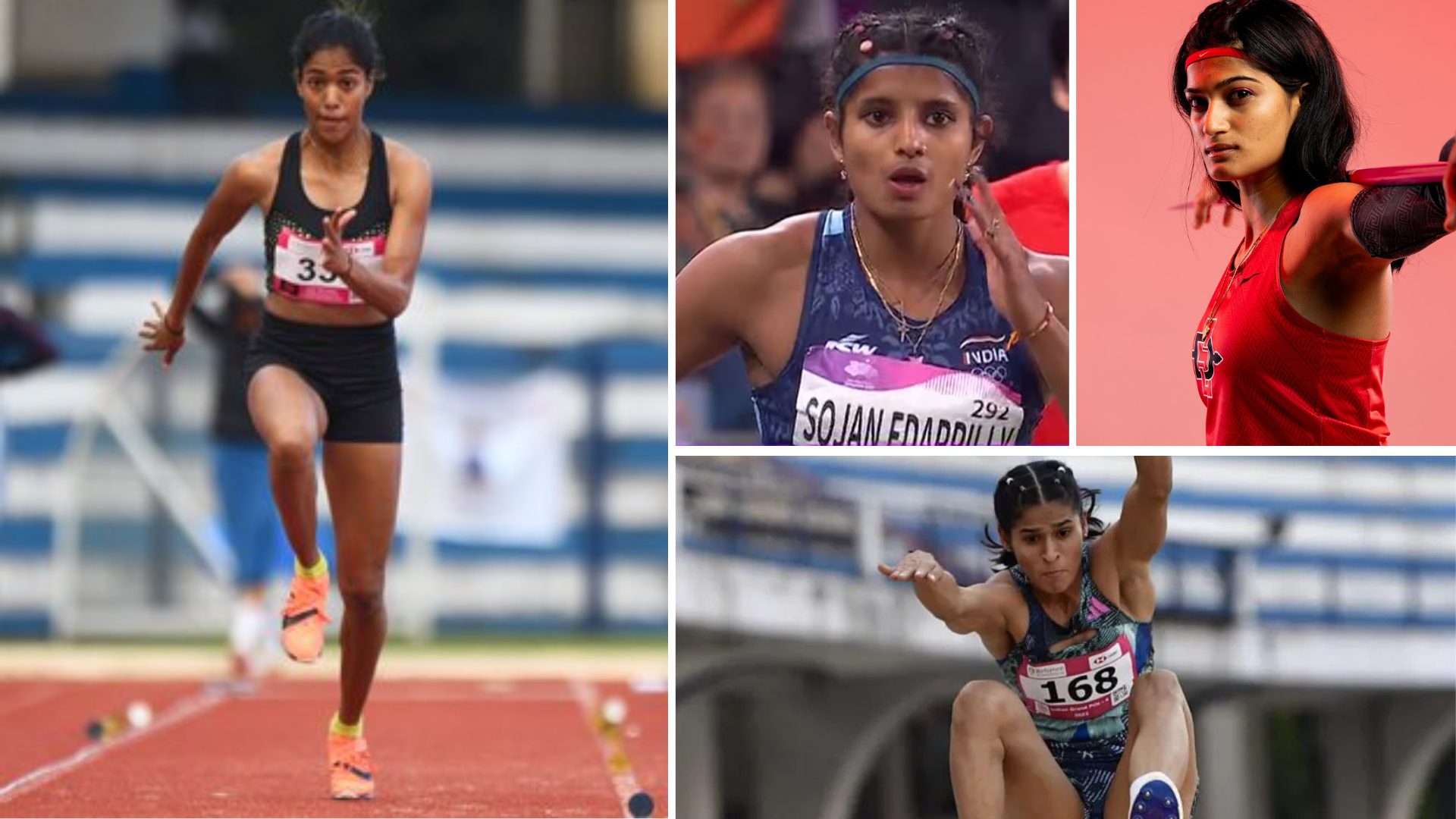
Triple Jump Triumph: Asha Ilango Soars to Season-Best Mark at Indian Series-6
The Indian triple jump circuit has a new frontrunner. Representing Tamil Nadu, Asha Ilango delivered a career-defining performance at Indian Series-6, shattering the 13m barrier for the first time with a massive leap of 13.52m. The mark not only secures her a lifetime best but also stands as the fastest and furthest jump in India this season, signaling her arrival as a major contender for the upcoming Interstate Championships.
Ilango’s progression has been steady, but this 13.52m leap represents a significant tactical breakthrough. By finding her rhythm on the runway, she managed to outclass a field that included seasoned champions and rising stars.
The competition in Sangrur also highlighted the incredible depth of India’s youth talent. Sadhana Ravi, only 18 years old, claimed the second spot on the podium. Ravi proved her mettle by clearing 13.02m, making her and Ilango the only two athletes in the field to breach the elusive 13m mark during this meet. Ravi, who has been consistently climbing the junior ranks, is quickly becoming a name that senior athletes can no longer afford to overlook.
Rounding out the podium was the reigning National Indoor Champion, Mallala Anusha. While Anusha fell just short of the 13m threshold with a best of 12.94m, her consistency remains a benchmark for the discipline.
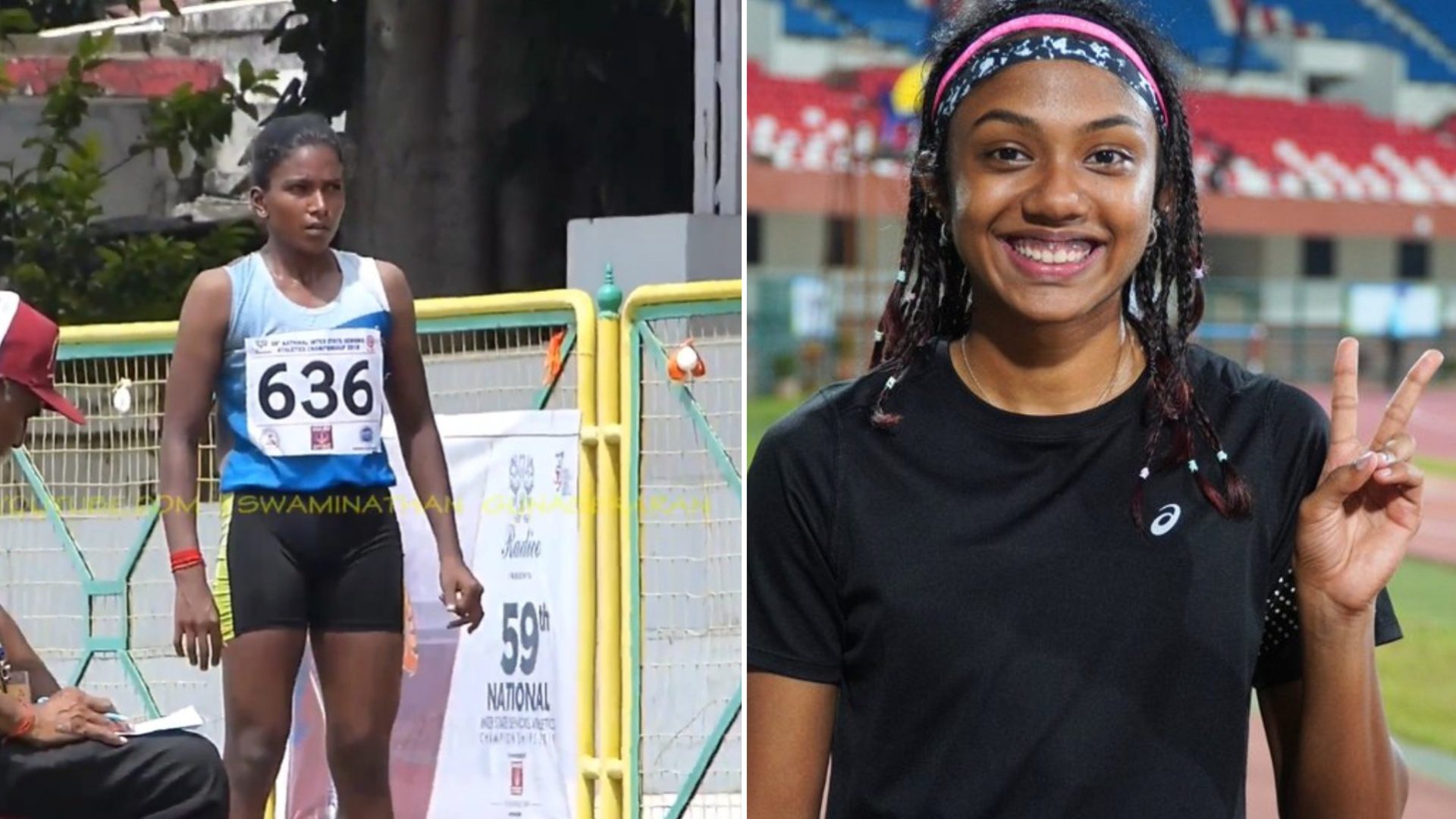
There is a recurring nightmare in Indian sports that has nothing to do with podium finishes or doping scandals. It is the logistical humiliation of the journey home.
For the second time in recent history, a national-level pole vaulter has been forced to reach out to nnissports as a last resort, pleading for the dignity that their medals should have already bought them. In January 2026, it was Dev Meena and Kuldeep Kumar who faced a similar ordeal. Today, the victim is Kavin Raja, the 2026 U20 Federation Cup champion and the freshly minted gold medalist at the Indoor Nationals in Bhubaneswar.
The image is as jarring as it is shameful: A young man, having just conquered the vault in the U20 category, finds himself stranded for over 12 hours at Rajahmundry railway station. He isn’t alone; he is accompanied by fellow athletes and his primary tool of the trade—his poles.
The Ordeal at Rajahmundry
Pole vaulting is a sport of precision and expensive equipment. Yet, Kavin Raja was forced to navigate an overcrowded train where there was literally no space to breathe, let alone store 15-foot fiberglass poles. With no other option, the athletes tied the poles safely to the outside of the train window.
While the train was in motion, the situation turned from difficult to dangerous. Reports suggest that railway staff, who initially raised no concerns, later cut the ropes securing the equipment while the train was moving. It took an emergency chain pull by a fellow athlete to prevent the destruction of the gear—and a potential disaster on the tracks.
Critics and bureaucrats will undoubtedly hide behind the “Railways Manual,” arguing about luggage dimensions and safety protocols. They will say that poles are “oversized items” and that athletes should follow the bureaucratic labyrinth of freight booking.
But this raises a much larger, more haunting question: How do we actually treat our athletes?
We are a nation that erupts in collective euphoria when an athlete stands on a podium. We tweet our pride and drape them in garlands upon their return. But the reality between the “Gold” and the “Gala” is a grim one. Imagine the scenario: an athlete wins a national championship, represents the future of Indian track and field, and is then expected to be packed like sardines in a general compartment, guarding their life’s work against a system that treats them as a nuisance.
A Systemic Failure
If a musician travels with a cello or a photographer with a tripod, the world understands. Yet, our elite vaulters—the few who can actually clear five meters—are left to negotiate with unsympathetic station masters.
We cannot demand Olympic medals on one hand while allowing our champions to be stranded on railway platforms with their equipment tied to windows like an afterthought.
Kavin Raja’s story has been heard several times over. It is a story of a gold medalist treated like a trespasser. Until we fix the journey, we have no right to celebrate the destination.
If you have been in a similar situation or have more information on Kavin’s current status, DM us or write to us. This needs to change.