
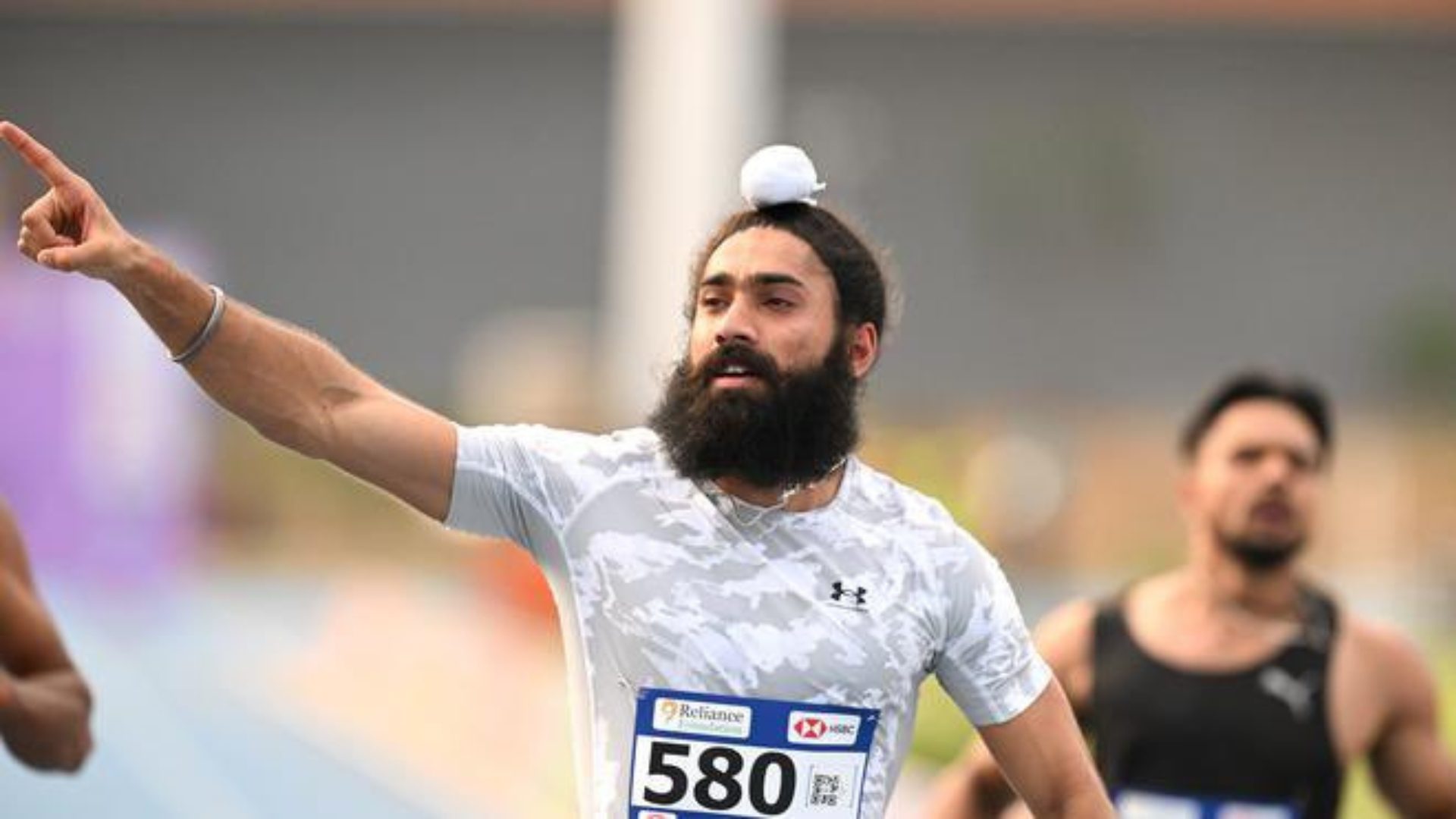
Indian sprinter Gurindervir Singh is set to open his 2026 season at the upcoming National Indoor Athletics Championships.
The former national record holder in the men’s 100m enjoyed a breakthrough start to last season, clocking 10.20 seconds at the Indian Grand Prix 1 to break the previous national record of 10.23 seconds held by Manikanta Hoblidhar.
The record was later surpassed by Animesh Kujur, but Gurindervir’s performance marked a significant moment in Indian sprinting.
His most recent appearance came at the World University Games in Germany, and his return to competition is expected to draw attention.
The National Indoor Athletics Championships, being held for the first time, will take place in Bhubaneswar from March 24 to 25.
Gurindervir’s return adds excitement to the event as he looks to begin his season on a strong note.
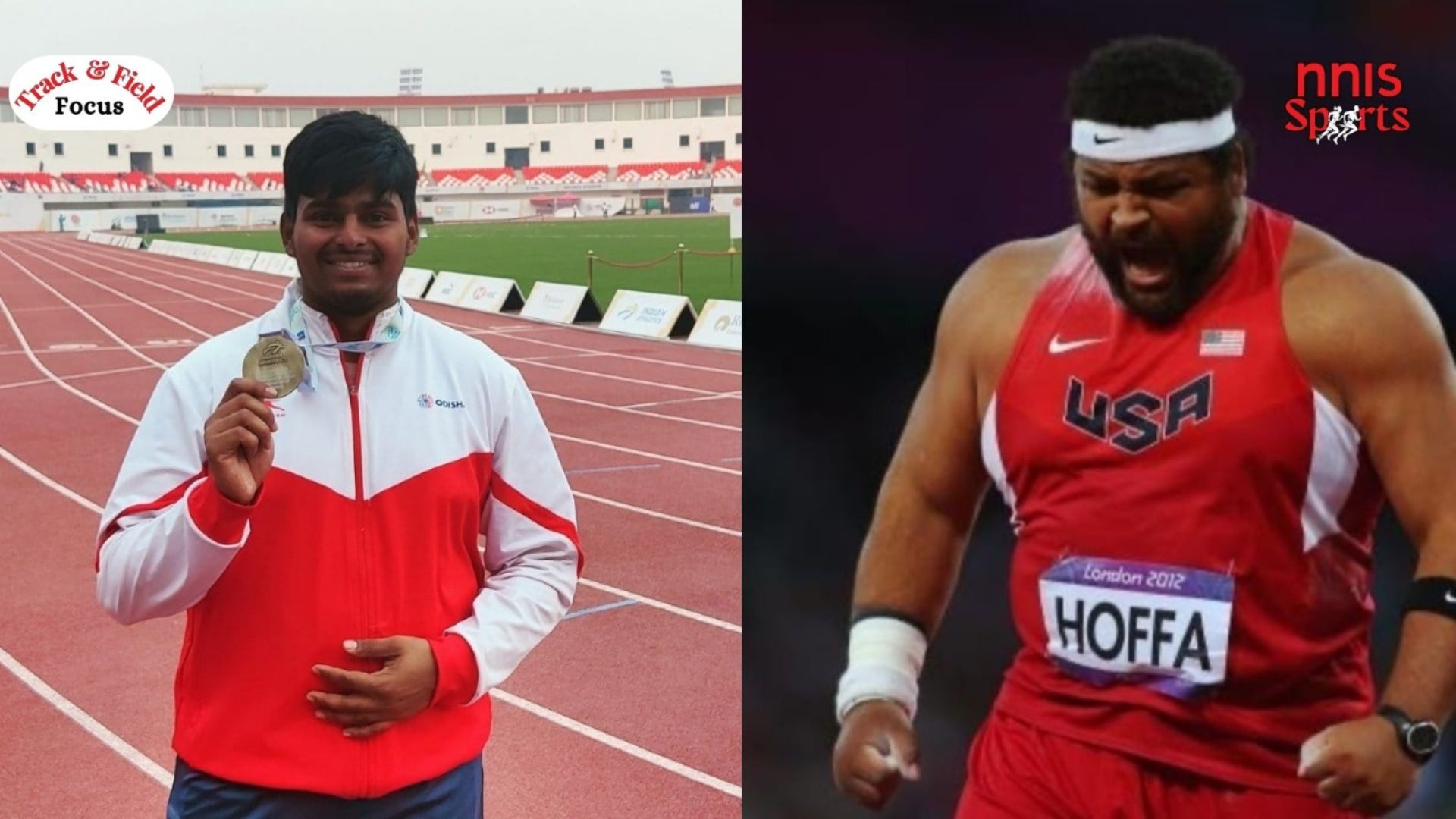
Young Indian shot putter Omkar Nanda has revealed how American champion Reese Hoffa played a key role in transforming his mindset.
Speaking about his journey, Omkar shared that he once believed height was a decisive factor in shot put. However, that perception changed after learning about Hoffa’s achievements.
At 5 feet 10 inches, Hoffa went on to throw 22.43 meters and win a World Championships gold medal, proving that success in the event is not limited by height.
Inspired by this, Omkar began to focus more on technique and performance rather than physical attributes.
The mindset shift appears to be paying off. Just days ago, Omkar Nanda won the gold medal in the men’s U-20 shot put at the Indian Open Throws, registering a best throw of 17.85 meters.
Reese Hoffa, one of the most accomplished shot putters, has won medals at the Olympic Games, World Championships, and World Indoor Championships.
Omkar’s story highlights how inspiration from global champions can shape the next generation of athletes.
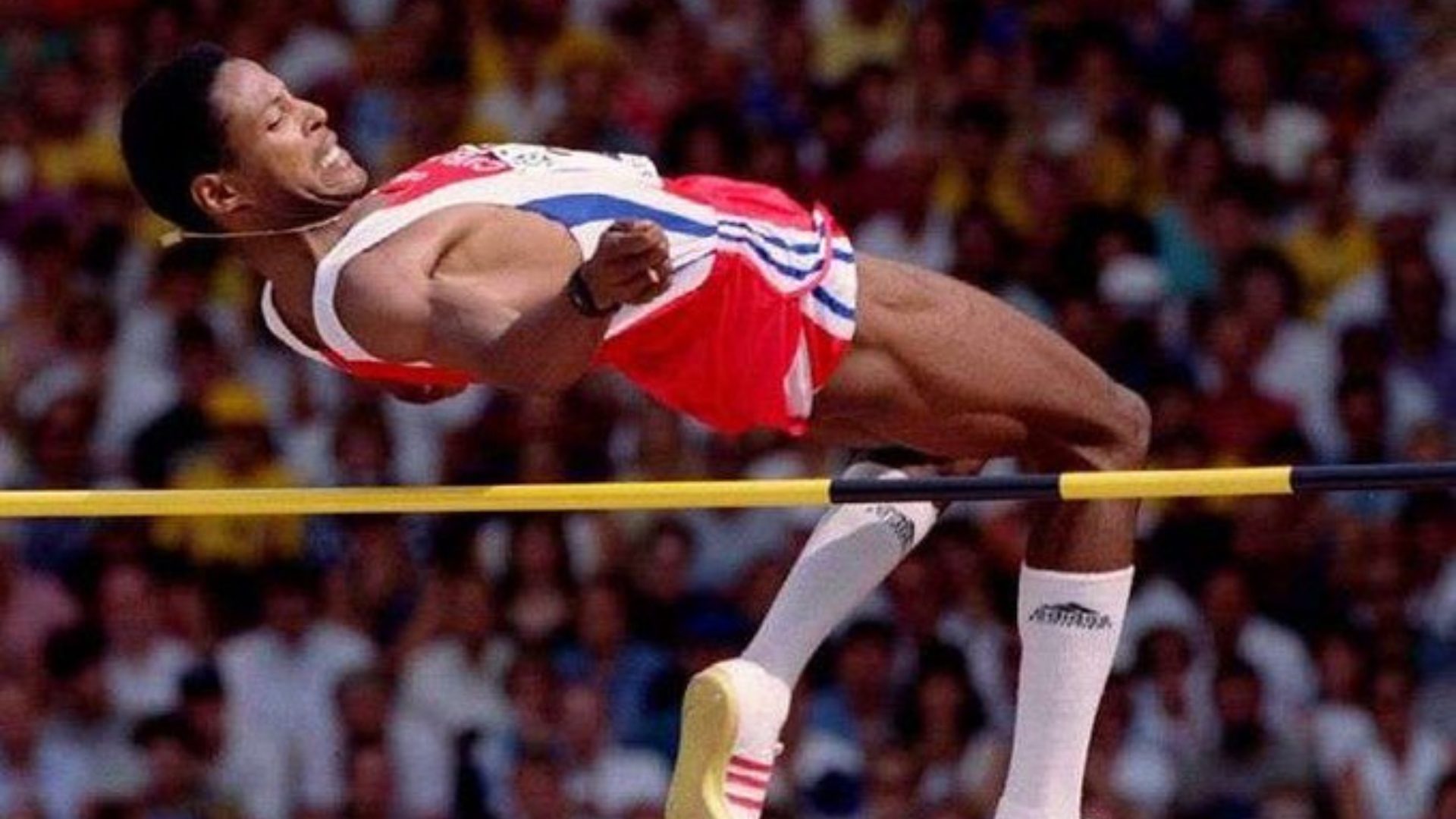
The men’s high jump at the World Indoor Championships has seen several legendary athletes dominate over the years, with multiple medal-winning performances defining the event’s history.
Javier Sotomayor stands at the top of the list, having won a record six medals in the competition, making him the most decorated athlete in the men’s high jump at the World Indoor Championships.
Close behind is Stefan Holm, who secured four gold medals during his career, establishing himself as one of the most consistent performers in the event.
Woo Sanghyeok has also made a strong mark in recent years with multiple medals, including two golds and a bronze. Yaroslav Rybakov is another notable name, having collected five medals across his appearances.
Hamish Kerr, Mutaz Essa Barshim, and Patrik Sjoberg have all achieved multiple podium finishes, further highlighting the depth of excellence in the discipline.
Other athletes such as Charles Austin, Gianmarco Tamberi, and Lambros Papakostas have also secured more than one medal, contributing to the rich history of the event.
The list reflects the sustained dominance and consistency required to succeed at the highest level of indoor high jump competition.
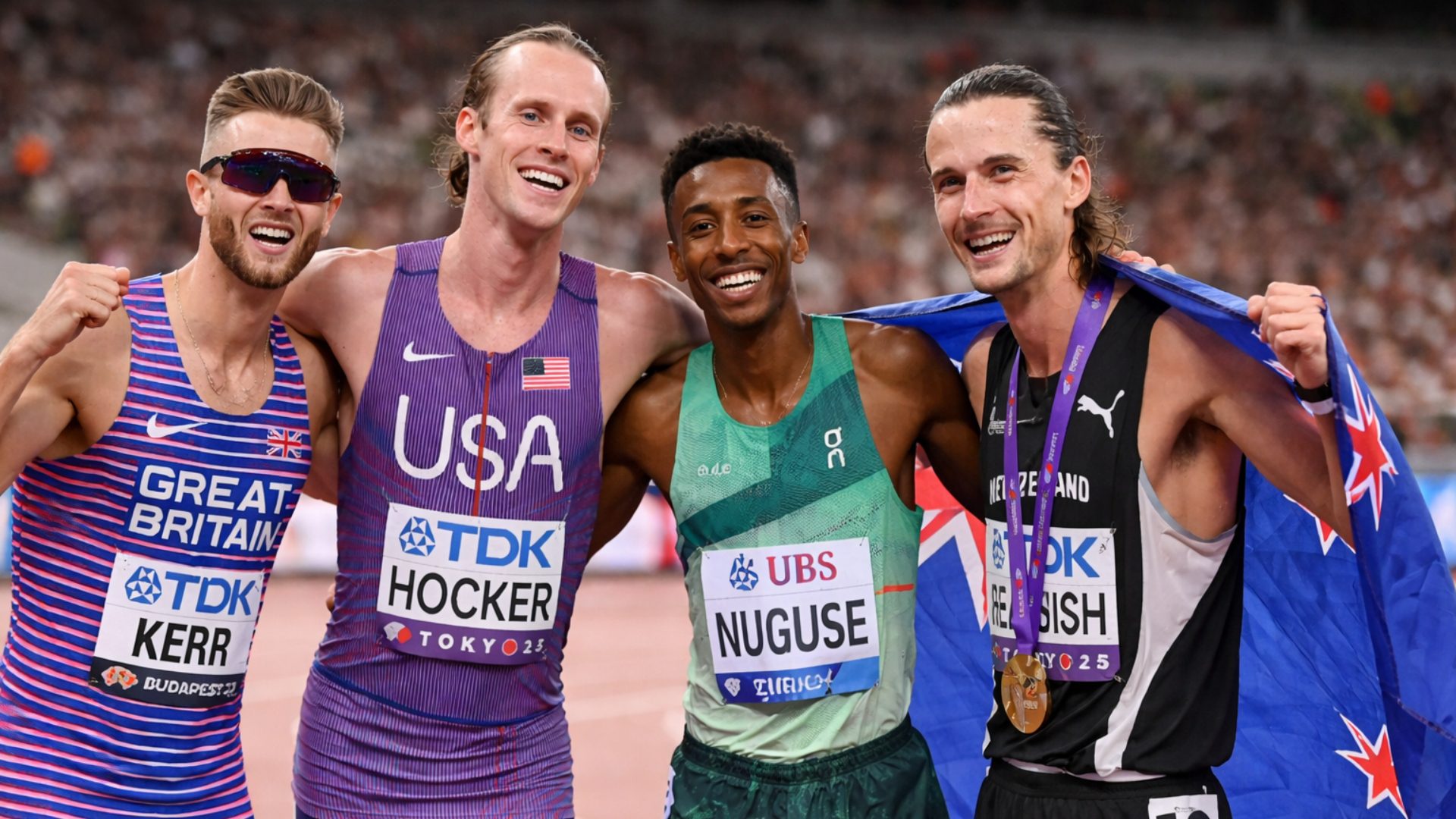
The men’s 3000m is shaping up to be one of the most electrifying events at the 2026 World Indoor Championships, featuring a stacked field of global stars.
Josh Kerr will be aiming to reclaim the title he won in Glasgow in 2024, but the path to gold will be far from straightforward.
Leading the challengers is Cole Hocker, who famously defeated Kerr to win Olympic gold in the 1500m in Paris. Also in contention is Yared Nuguse, the Olympic bronze medalist from that same race, adding further depth to an already competitive lineup.
Geordie Beamish brings additional intrigue to the field. The New Zealander claimed the indoor 1500m title in 2024 and has also proven his versatility with a gold medal in the 3000m steeplechase in Tokyo.
With multiple champions and Olympic medalists on the start line, the race promises a tactical battle where pace, positioning, and timing will be crucial.
All eyes will be on the men’s 3000m as it delivers one of the standout moments of the championships.
India is set to host the 2028 World Athletics Indoor Championships, with Bhubaneswar emerging as the chosen venue after a World Athletics Council meeting in Torun, Poland. The event will be staged at the Kalinga Indoor Stadium — a facility that has quietly turned the Odisha capital into one of Indian athletics’ most reliable hosts.
This isn’t a one-off. Bhubaneswar has built a reputation over the past decade, from the 2017 Asian Athletics Championships to regular stops on the World Athletics Continental Tour. Officials who inspected the venue earlier this year were convinced it could handle a global indoor meet.
For Indian athletics, the timing matters. The sport is riding a wave led by athletes like Neeraj Chopra and Avinash Sable, alongside emerging distance runners pushing new limits.

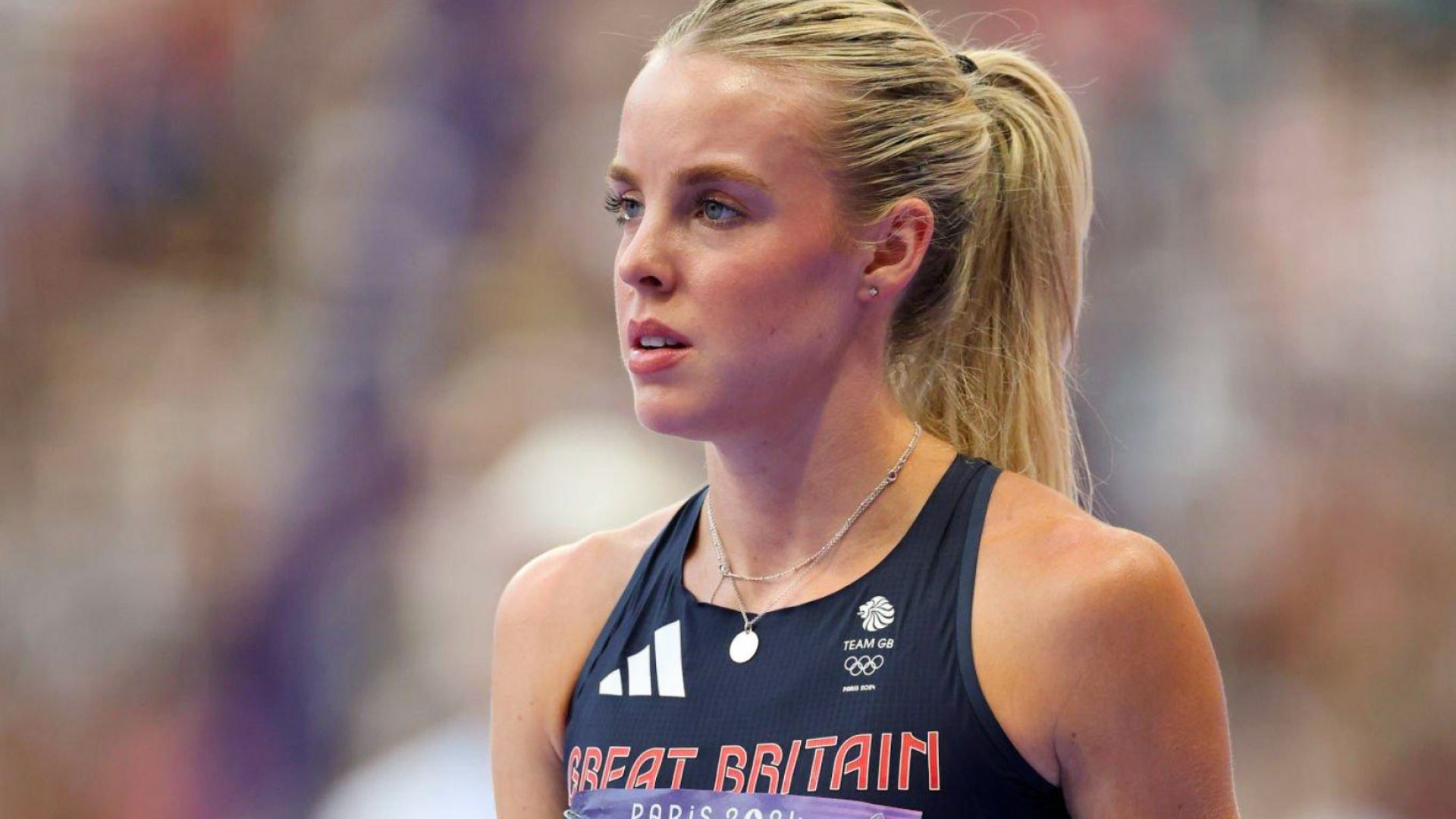
Keely Hodgkinson has a CV that would be the envy of any 24-year-old on the planet: Olympic gold, European titles, and a shiny new world record. But there is a glaring, four-lap-sized hole in her trophy cabinet. Despite her dominance, the Briton has never stood on a World Indoor podium.
That isn’t a failure of talent—it’s a failure of luck. Three times, injuries have derailed her indoor campaigns. In 2022, she arrived in Belgrade as the fastest woman in two decades, only for a quad muscle to snap during her warm-up. This year, the narrative feels different. Hodgkinson arrives in Toruń not just healthy, but historic, having recently clocked 1:54.87 in Liévin to become the first woman ever to break 1:55 on a short track.
She won’t be running against a clock alone. Swiss sensation Audrey Werro has emerged as a legitimate threat, fresh off a 1:57.27 national record that suggests she’s ready to turn this into a tactical dogfight rather than a victory lap. With defending champion Tsige Duguma looming and British teammate Isabelle Boffey in career-best form, the margin for error is razor-thin.
For Hodgkinson, this isn’t just about the gold. It’s about finally finishing the job.
In the world of the 60-meter sprint, the difference between a podium finish and a plane ride home is often smaller than the time it takes to click a stopwatch. As the World Indoor Championships descend on Toruń, that margin has never felt more microscopic.
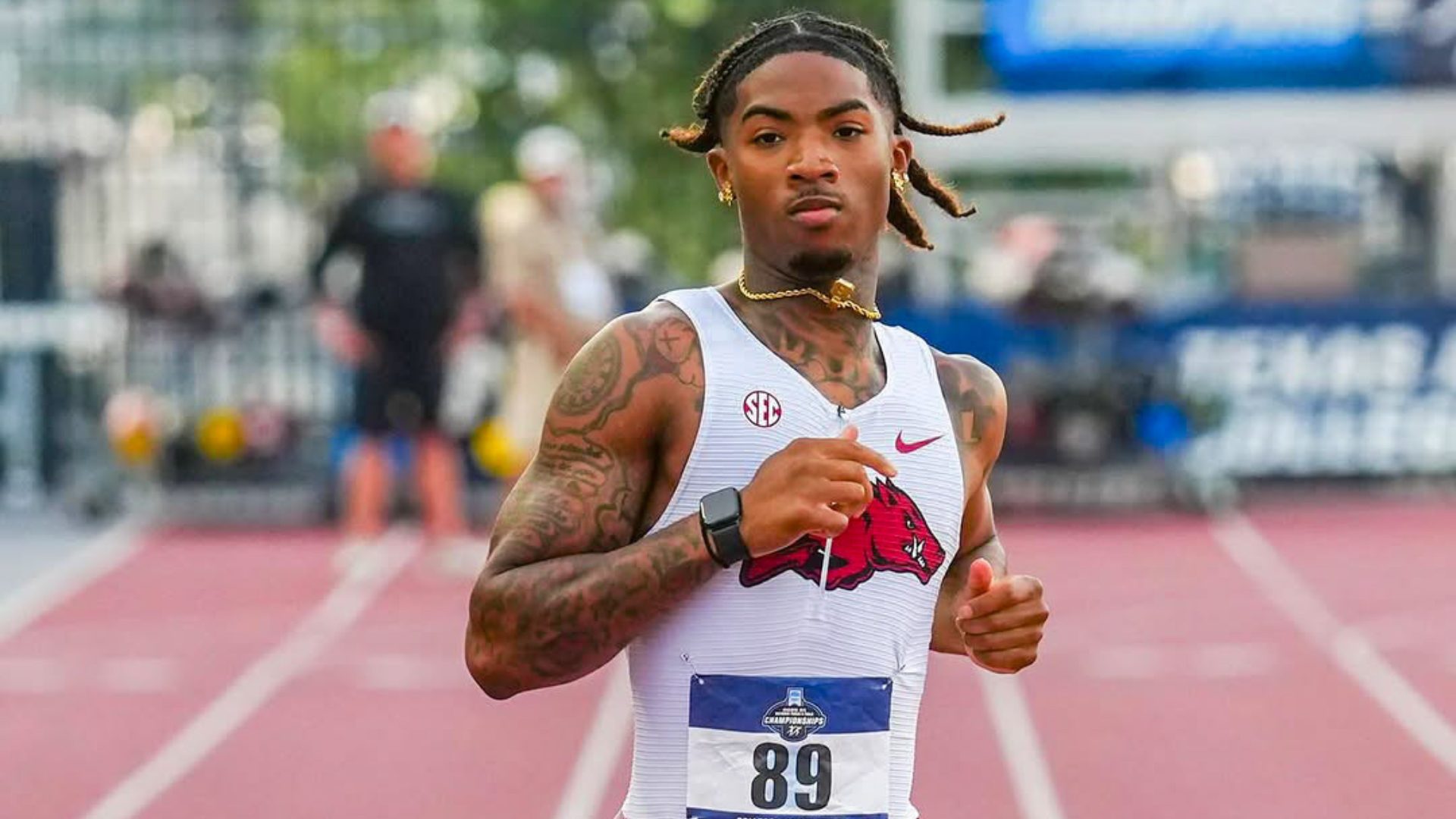
The narrative centre of gravity is firmly fixed on 21-year-old American sensation Jordan Anthony. The NCAA breakout star hasn’t just arrived; he’s kicked the door down, clocking a world-leading 6.43 in Fayetteville—a mark that plants him joint-ninth on the all-time list. After dismantling a field that included Olympic king Noah Lyles at the U.S. Indoors, Anthony is the undisputed man to beat.
But he’ll be running into a wall of seasoned speed. Jamaica is hunting its first-ever men’s world indoor 60m gold, led by Kishane Thompson. The Olympic 100m silver medalist is in career-best shape, matched stride-for-stride by teammates Ackeem Blake and Bryan Levell. Throw in defending champion Jeremiah Azu—the Brit who thrives on the tight curves and high stakes of championship racing—and you have a final where the top eight are separated by just 0.05 seconds.
In Toruń, there is no room for a slow start. Blink, and the gold is gone.
The 2026 World Athletics Indoor Championships will see a series of rule tweaks aimed at improving competition flow and athlete experience. Here are five key changes to watch:
1. New 400m format
The 400m will feature an updated structure for both heats and finals, designed to make racing more competitive and reduce lane-based advantages.
2. Revised 800m break point
Athletes and fans will need to keep a close eye on the break point in the 800m, with adjustments that could impact positioning and race tactics early on.
3. Mixed 4x400m relay introduced
A major addition to the programme, the mixed 4x400m relay brings a new tactical dimension, blending men’s and women’s splits in one race.
4. Changeover adjustments
Relay changeover rules have been refined to ensure smoother transitions and minimise interference, particularly in tighter indoor tracks.
5. Dropped baton rule relaxed
A dropped baton will no longer automatically end a team’s race, offering athletes a chance to recover and stay in contention.

In a surprising development ahead of the World Relays in Botswana, the United States will not field either a Men’s or Women’s 4x400m team. The decision comes as a combination of logistical and financial challenges, coupled with the unavailability of many top-tier “A-team” athletes.
The 4x400m relay has long been a marquee event for the USA, consistently producing podium finishes at global competitions. However, with funding constraints and the scheduling demands on elite athletes, Athletics USA has opted to focus resources elsewhere, leaving a notable gap in the relay lineup.
While the absence of American teams removes some of the star power from the event, it also opens the door for other nations to challenge for medals and make a mark on the world stage. Teams from Europe, Africa, and the Caribbean will now have an opportunity to compete for top honours without facing the historically dominant Americans.
Officials have emphasised that the withdrawal is purely a logistical decision and does not signal any long-term shift in priorities for US track and field. Fans and athletes alike will now watch closely to see how the competition unfolds, and which nations step up to fill the void left by the absence of the USA’s 4x400m squads

“If everything continues to go normally, Femke will run her next race at the end of May,” Meuwly said, offering a measured but positive update on the Olympic champion’s recovery timeline.
The setback emerged after Bol’s 800m season debut in Metz, where the step up in distance placed additional strain on an existing tendon concern. While the issue worsened in the aftermath of that race, her camp has since adopted a cautious, structured approach to rehabilitation.
Bol has temporarily shifted away from track work and is currently focusing on low-impact conditioning, including cycling, to maintain fitness while reducing load on the affected area. The transition back to running is expected to begin shortly, provided there are no setbacks.
The Dutch star’s progression will be closely monitored over the coming weeks, with her team prioritising long-term readiness over an early return. With the outdoor season gathering pace, a late-May comeback would keep Bol firmly on track for the major championships ahead.