
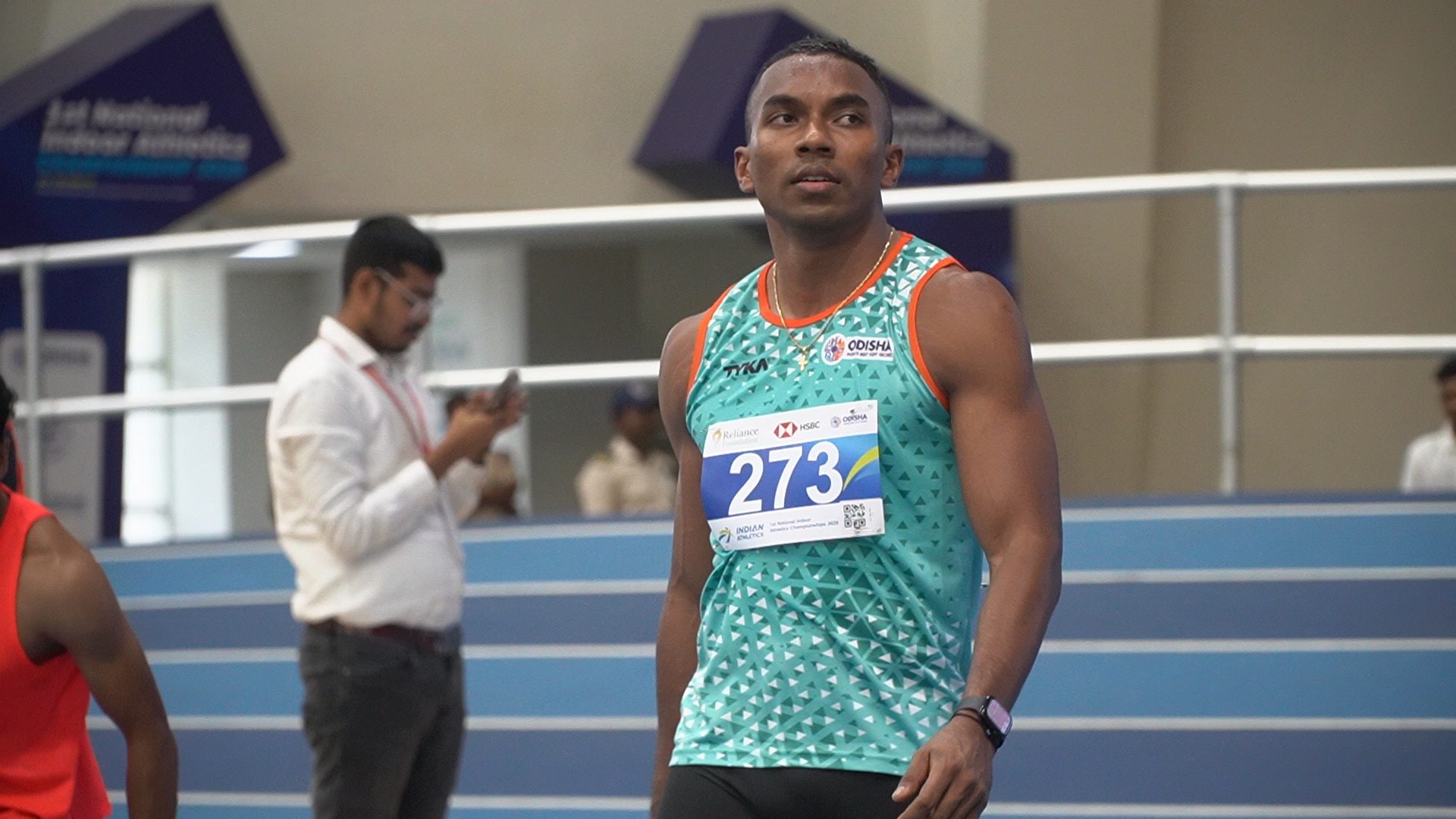
The stage is set for an exciting men’s 60m final at the National Indoor Athletics Championships, with a strong lineup of India’s top sprinters.
Gurindervir Singh enters the final as the fastest qualifier with a time of 6.69 seconds, closely followed by Animesh Kujur at 6.71 seconds.
Lalu Prasad Bhoi and Nuzrat both clocked 6.72 seconds, while Dondapati Jayaram recorded 6.74 seconds to stay in contention.
Laukik Anant Melge qualified with 6.77 seconds, while Nehal Sagar and Sarun Payasingh both registered 6.88 seconds to complete the lineup.
With minimal differences separating the athletes, the final is expected to be a closely contested race where reaction time and execution will be crucial.
These are the semi-final timings. The men’s 60m final will start at 7:20 PM.
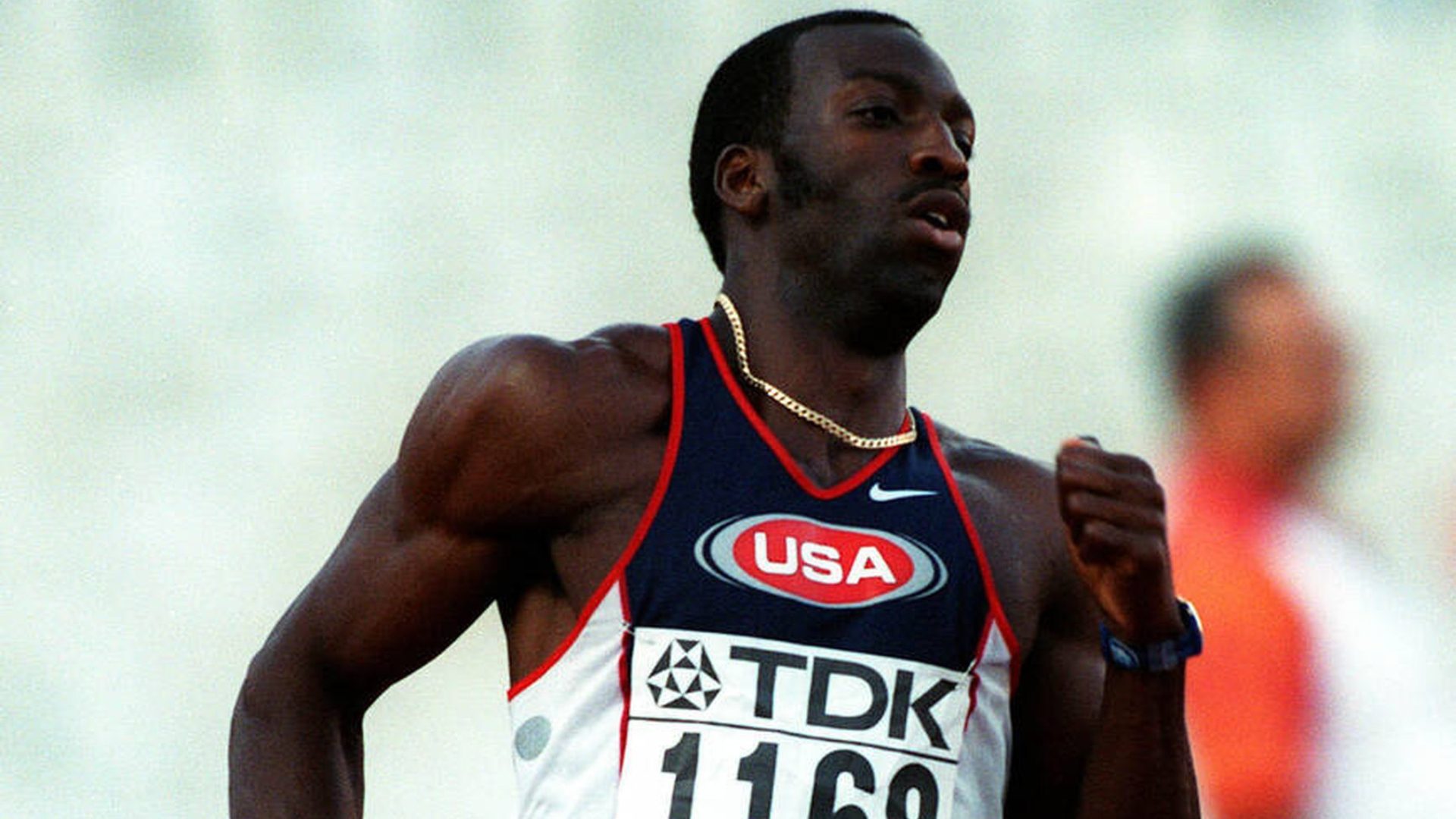
Michael Johnson to Return $500K After Grand Slam Track Collapse
Michael Johnson — four-time Olympic champion, architect of ambition, and founder of Grand Slam Track — is set to return a $500,000 payment he made to himself, as part of a bankruptcy settlement with creditors owed millions.
It is a quiet coda to a project that once aimed to reshape athletics’ commercial future.
Grand Slam Track was conceived as a break from the sport’s fragmented calendar — a league model, cleaner, tighter, built for broadcast and modern audiences. But like many such attempts in track and field, vision ran ahead of viability. Revenues lagged, costs mounted, and the structure never quite held.
The “secret” payment, now folded into bankruptcy proceedings, underscores the financial strain beneath the surface. For creditors, it is partial recovery. For Johnson, it is reputational management as much as restitution.
There is, too, a familiar lesson here.
Athletics has long struggled to sustain league formats outside global championships. Even with credibility, even with star power, the economics remain unforgiving.
Johnson’s return of funds closes one chapter. It does not resolve the larger question his venture posed: whether the sport can ever build a stable, commercially viable league of its own.
HISTORY IN THE AIR!
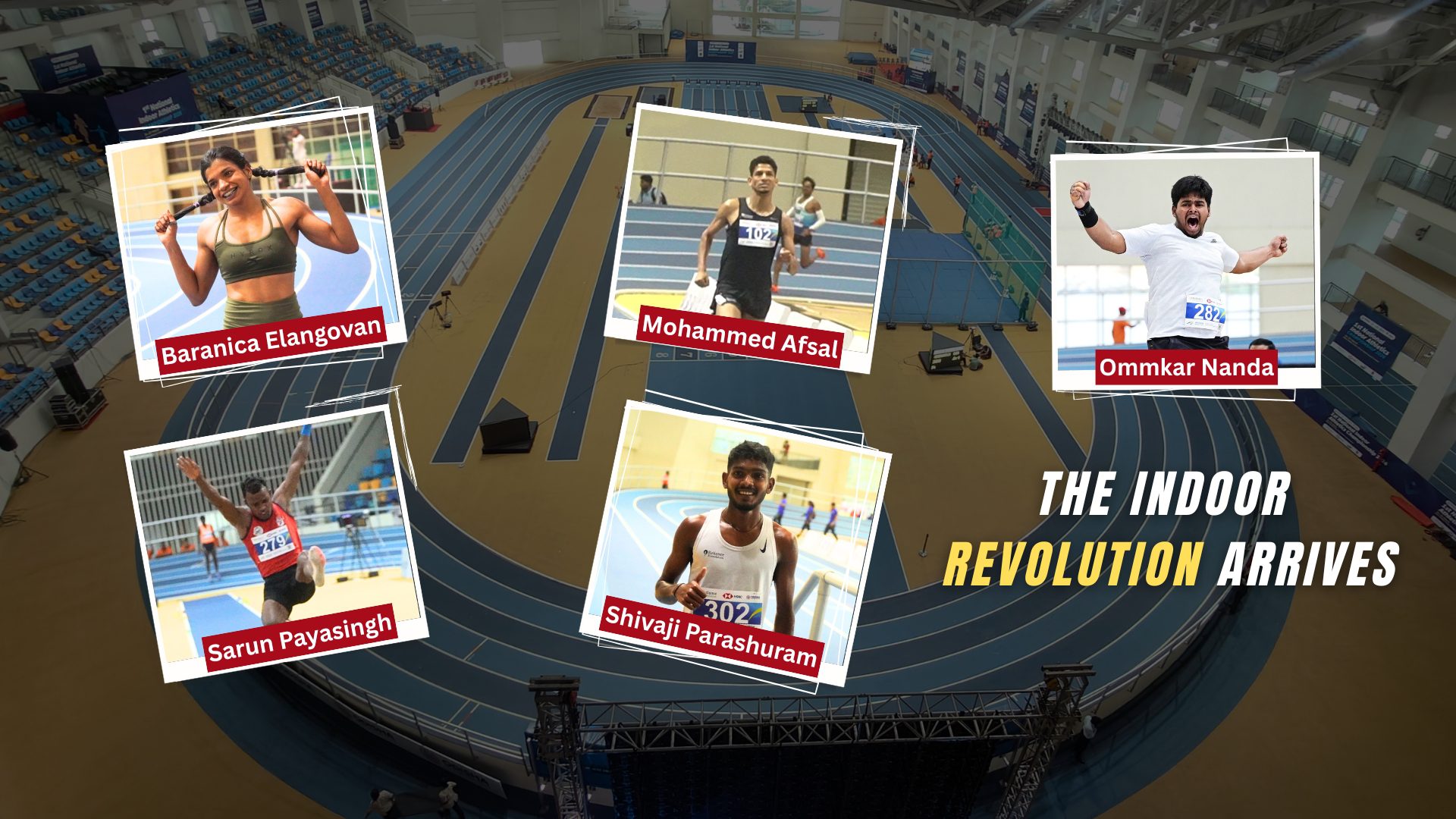
Baranica Elangovan just stole the show at the inaugural National Indoor Athletics Championships in Bhubaneswar. With a massive 4.22m clearance, she shattered the long-standing National Record. The Kalinga Stadium has a new Queen of the Vault! #IndianAthletics #Bhubaneswar2026
SPEED KING DELIVERS! Mohammed Afsal is officially the master of the 800m. Already the outdoor king, he clocked a blistering 1:47.86 to break the National Indoor Record. That’s two records in one day for the record books!
GIANT KILLER! In the shock of the night, local hero Sarun Payasingh soared to a PB of 7.80m in the Long Jump, taking down Asian medallist Praveen Chithravel. A farmer’s son from Kalahandi proving that on the indoor boards, reputation means nothing.
SLICING OFF 20-SECONDS: Shivaji Parashuram didn’t just win the 3000m; he dismantled it. Slicing an incredible 20 seconds off his personal best to clock 8:09.08, he stunned the field and favourite Vinod Singh. The endurance depth in India is encouraging.
THE CONSISTENCY KING! Odisha’s Ommkar Nanda continues his golden run! Using a “worn-out shoe” for better grip on the slippery wooden circle, the U-20 star threw 17.77m for gold. From Patiala to Bhubaneswar, Nanda is the most consistent arm in the country right now.
THE VERDICT: Records falling, veterans toppled, and a world-class indoor facility that looks ready for the 2028 World Indoors. Indian Athletics is evolving. The indoor era is officially HERE.
The World Athletics Indoor Championships in Kujawy Pomorze concluded as the highest-quality edition in the event’s history, setting a new benchmark for global indoor competition.
The three-day event recorded a competition performance score of 49,516, surpassing the previous record set in Belgrade 2022 and reinforcing the growing stature of indoor athletics.
The championships featured two world records, highlighted by Simon Ehammer’s heptathlon performance, along with a standout showing in the 60m hurdles. In total, six championship records were broken, including Armand Duplantis’s 6.25m pole vault.
Athletes delivered exceptional performances across the board, with 46 national records set during the competition. Participation also reached new heights, with 632 athletes representing 111 countries.
The event also produced historic milestones. Duplantis secured his ninth consecutive global title, while Tom Walsh became the most decorated male athlete in World Indoor history with his seventh medal. Cooper Lutkenhaus made headlines as the youngest individual champion in the event’s history.
Off the track, the championships were equally successful, with a sell-out crowd and a 72 percent increase in media visibility compared to Glasgow 2024. Digital engagement reached an estimated 41.6 billion across global platforms.
World Athletics President Sebastian Coe praised Poland’s hosting, as the sport now looks ahead to future editions in India in 2028 and Kazakhstan in 2030.
Kujawy Pomorze 2026 now stands as a defining moment for indoor athletics and sets the standard for future championships.
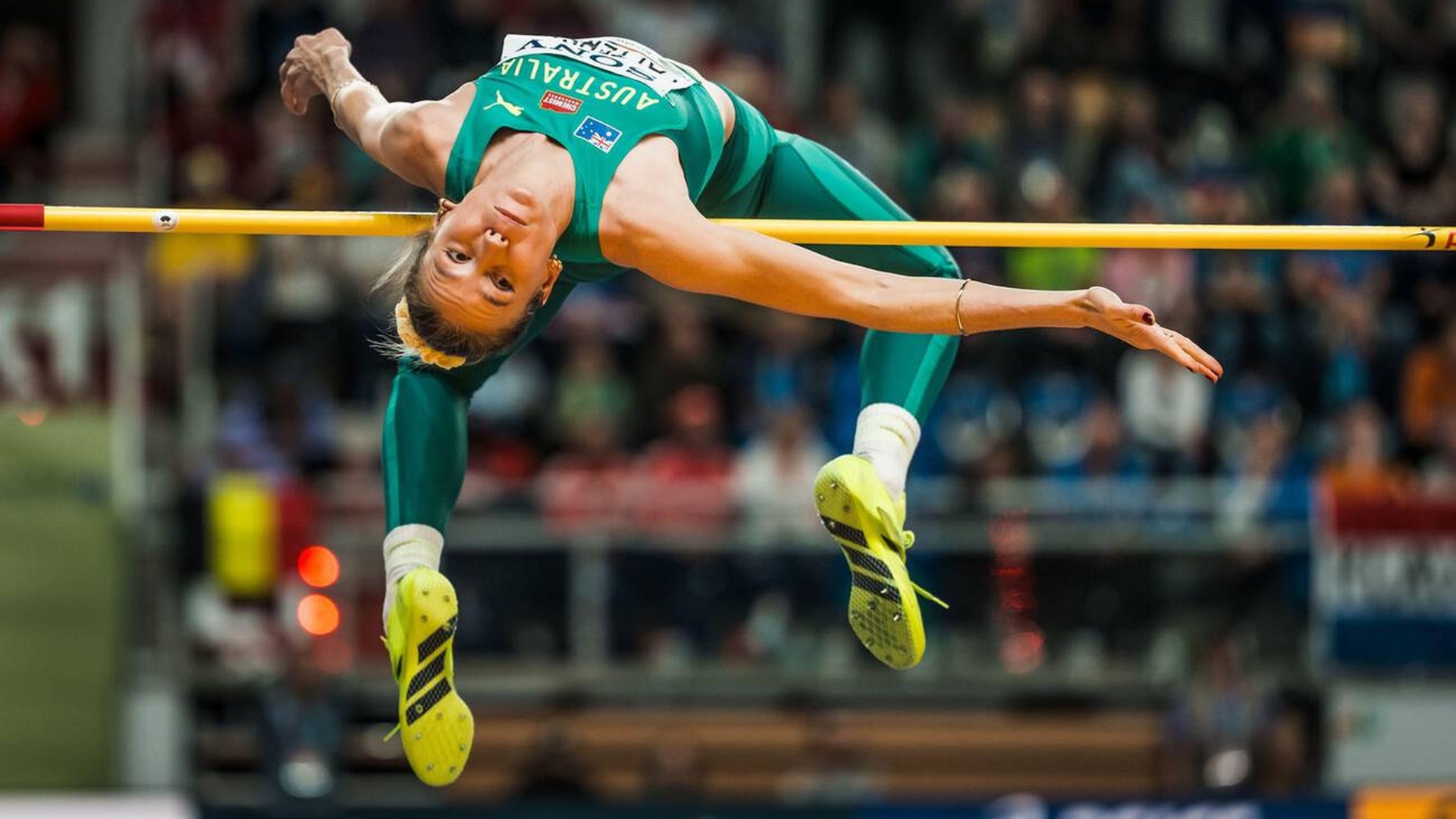
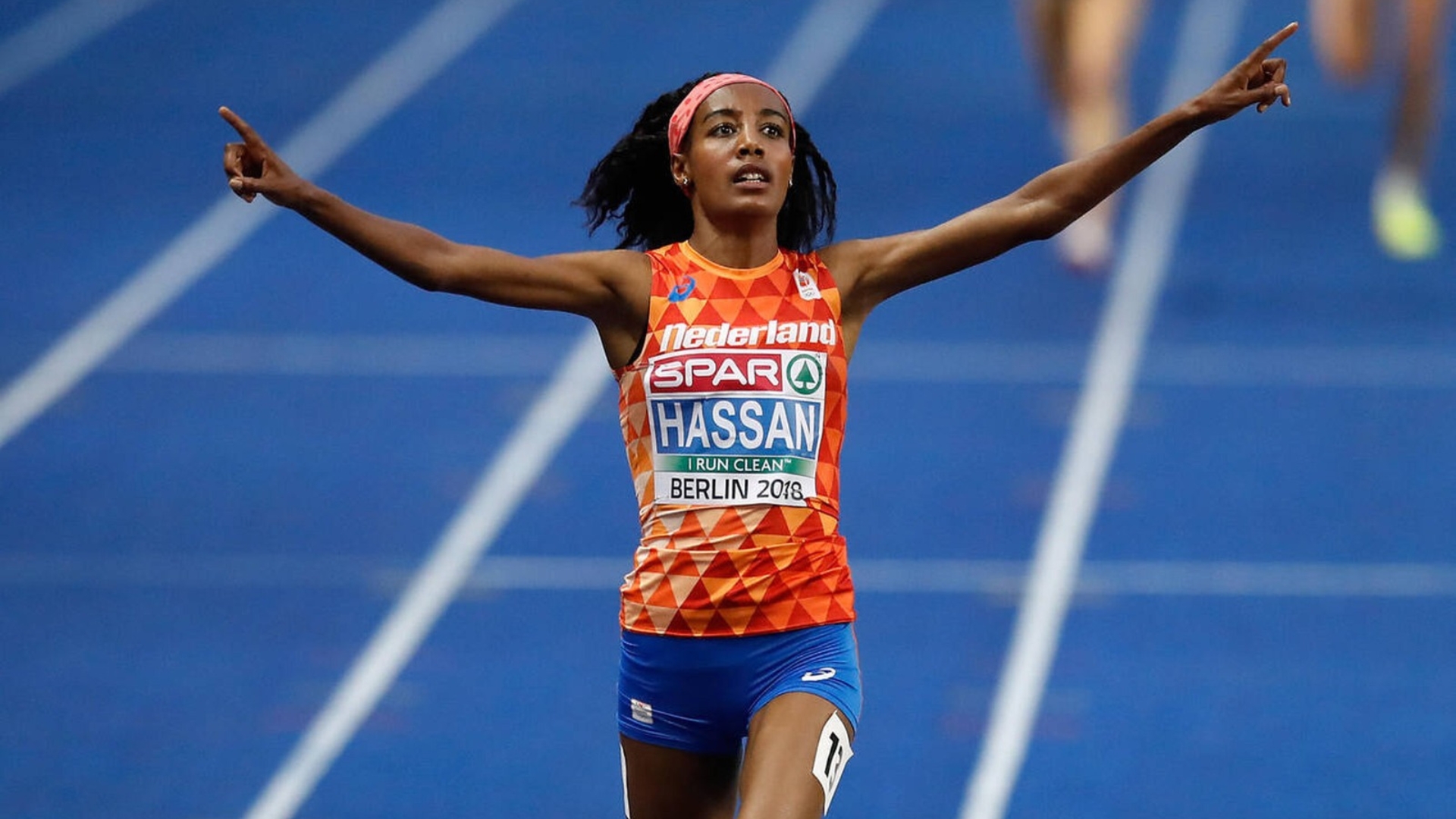
Olympic marathon champion Sifan Hassan has withdrawn from the upcoming London Marathon scheduled for April 26 due to an Achilles injury.
The Dutch star sustained the injury during a training session around six weeks ago. Initially considered minor, the issue worsened as her training intensity increased, ultimately forcing her to pull out of the race.
Hassan, who holds a personal best of 2:13:44, has enjoyed significant success in London, including a victory in 2023 and a third-place finish last year.
Speaking about her decision, Hassan emphasized the importance of being in peak condition to compete at the highest level, adding that she was unable to prepare to her usual standards.
She is not the only notable absence, as wheelchair athlete Susannah Scaroni has also withdrawn, impacting the overall field.
Hassan will now focus on recovery and long-term fitness, prioritising the remainder of the 2026 season over an early return to competition.
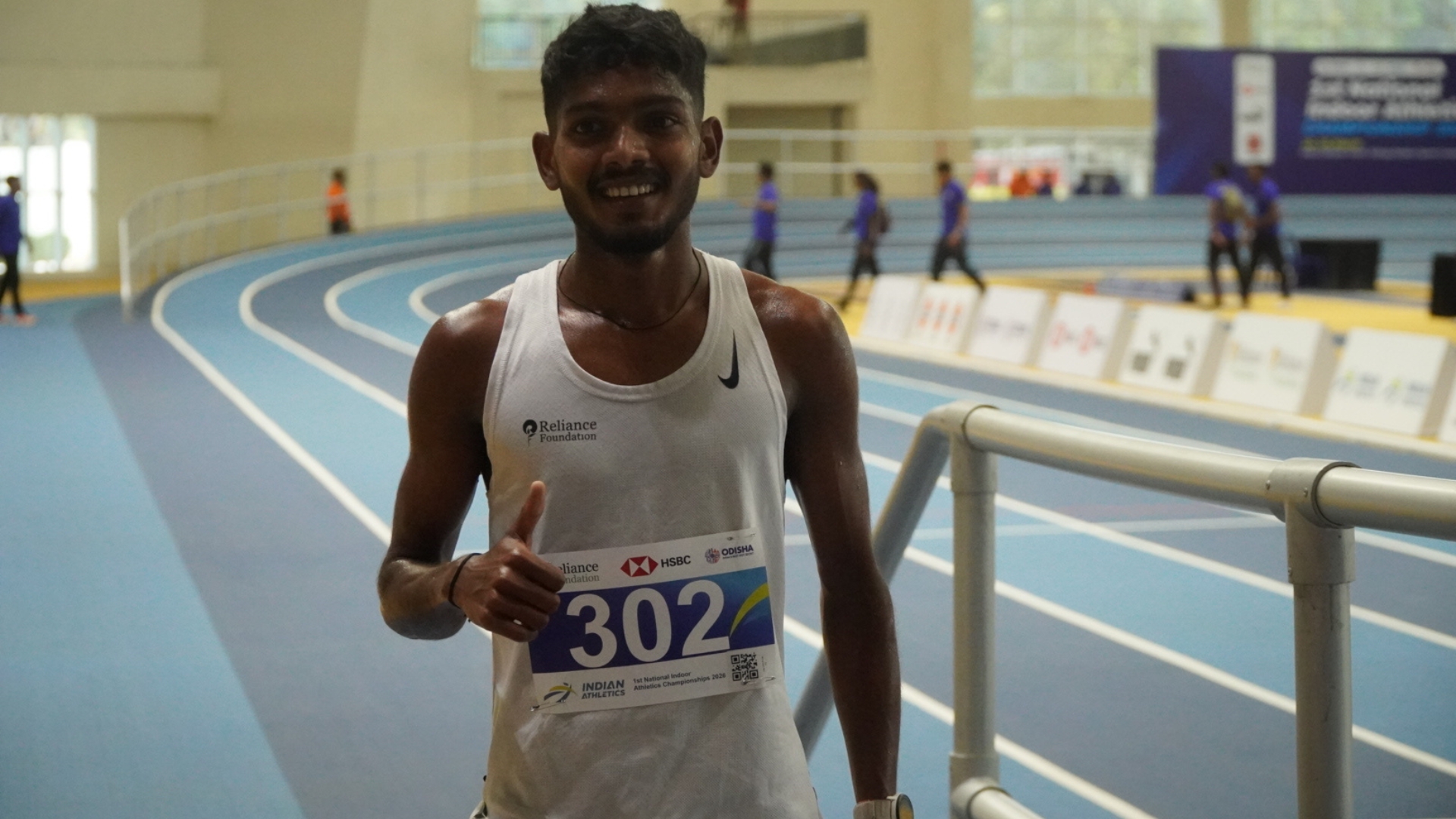
Shivaji Parashuram delivered a breakthrough performance at the inaugural National Indoor Athletics Championships in Bhubaneswar, winning gold in the men’s 3000m with a personal best time of 8:09.08.
The run marked a massive improvement from his previous best of 8:29.67, set in 2023, highlighting his rapid progress in middle-distance running.
Parashuram also produced one of the biggest upsets of the event by defeating race favourite Vinod Singh, the reigning Junior Federation Cup champion.
Vinod Singh finished second with a time of 8:16.93, as Parashuram controlled the race to secure victory.
The performance signals Parashuram’s emergence as a strong contender in the 3000m and adds another highlight to the first-ever National Indoor Championships.
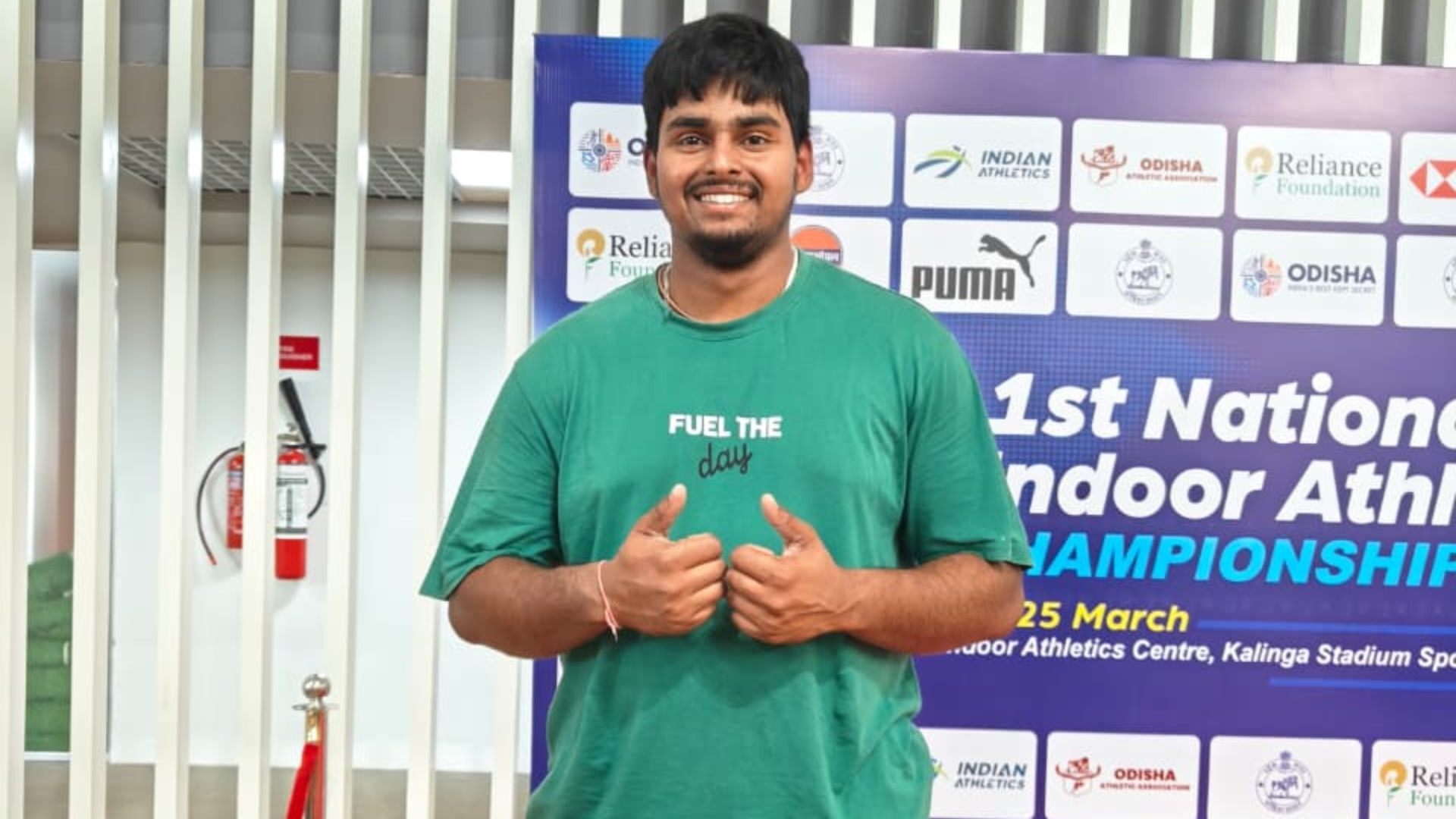
Odisha’s Ommkar Nanda delivered another impressive performance, winning gold in the men’s U-20 shot put at the National Indoor Athletics Championships in Bhubaneswar.
Competing on home soil, Ommkar registered a best throw of 17.77 meters to secure the top position.
The victory comes shortly after his gold medal performance at the Indian Open Throws in Patiala, underlining his consistent form this season.
Sai Kiran finished second with a throw of 17.00 meters, while Harshit Gahlot secured the bronze medal with 16.98 meters.
Ommkar’s back-to-back wins highlight his growing dominance in the U-20 category and mark him as one of the promising talents in Indian athletics.
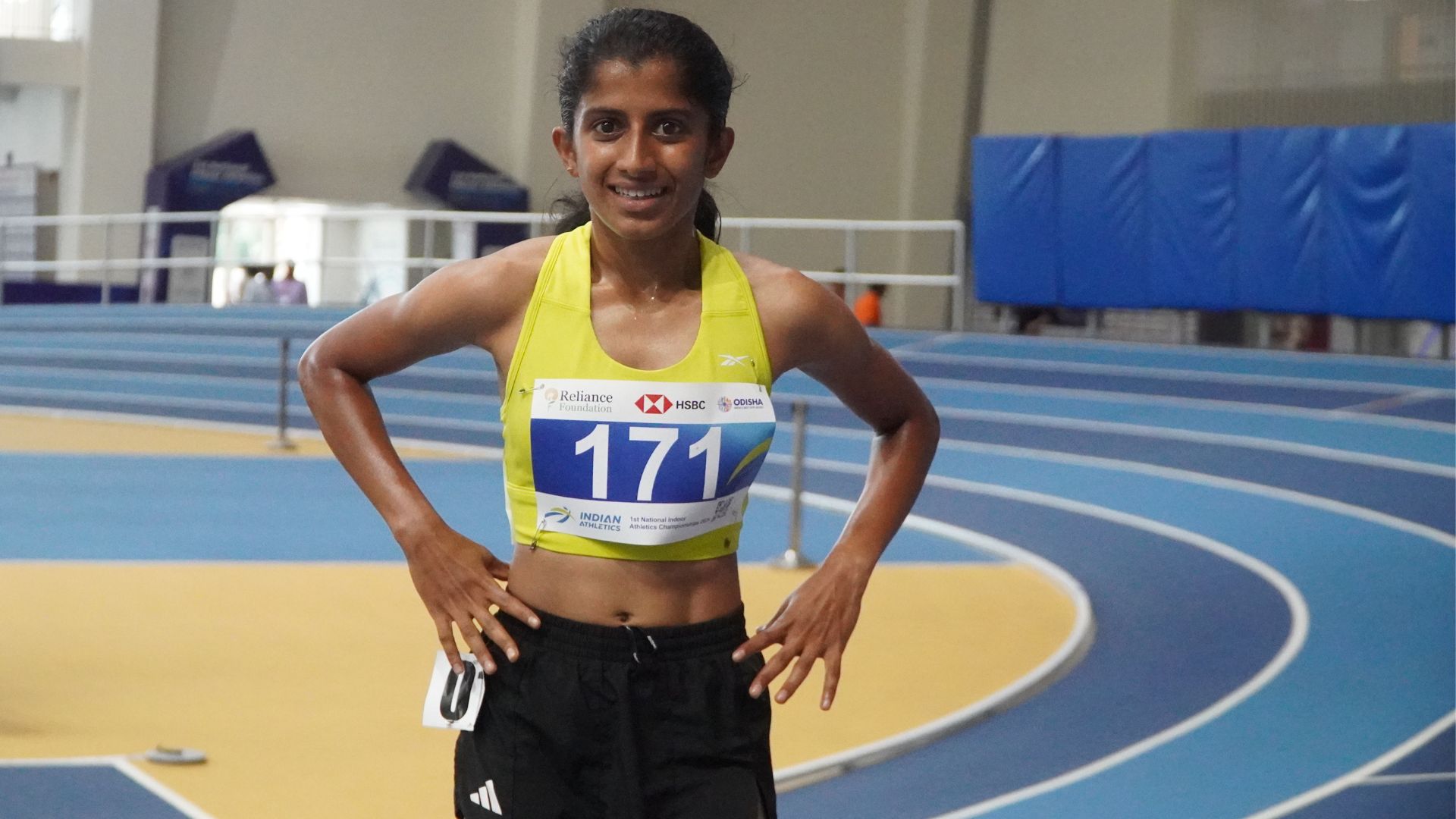
Karnataka’s Priyanka C delivered a standout performance at the National Indoor Athletics Championships in Bhubaneswar, winning gold in the women’s 3000m with a personal best time of 9:42.05.
The run marked a significant milestone in her career, as she broke the 10-minute barrier for the first time.
Priyanka showed strong improvement from her previous outing in the event, having clocked 10:07.14 in 2023.
Kajal Rangnath secured the silver medal with a time of 9:44.01, while Susmita Tigga finished third in 10:22.30.
Priyanka’s performance highlights her growing presence in middle-distance running and signals further potential in upcoming competitions.
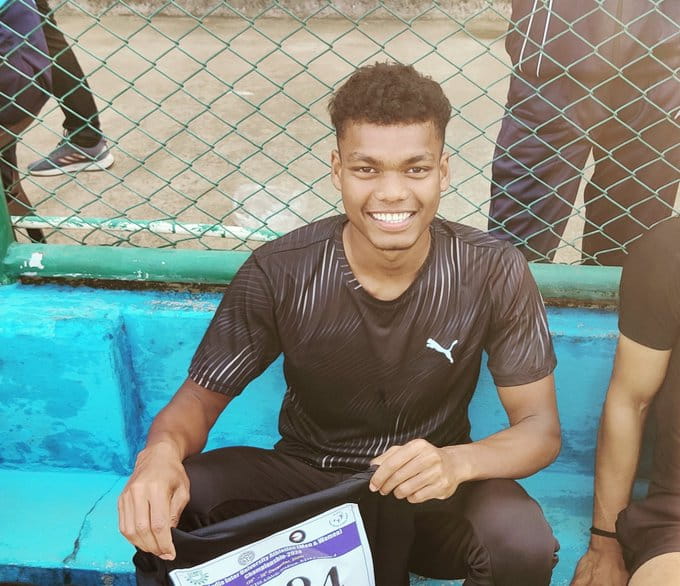
Indian quarter-miler Bapi Hansda is set to return to competition at the National Indoor Athletics Championships in Bhubaneswar.
The Asian U-18 medallist had a breakthrough performance last year, winning gold in the men’s 400m at the National Games with a personal best time of 46.82 seconds.
However, his season was cut short after he suffered a lower back injury while running the final leg of the relay for Team Odisha at the same event.
Following the injury, Hansda stayed away from competition before making his comeback in December 2025.
He marked his return with a silver medal in the men’s U-23 400m at the Odisha State Athletics Championships, clocking 49.48 seconds.
Now, with the National Indoor Championships approaching, Hansda will be looking to build momentum and return to his best form.
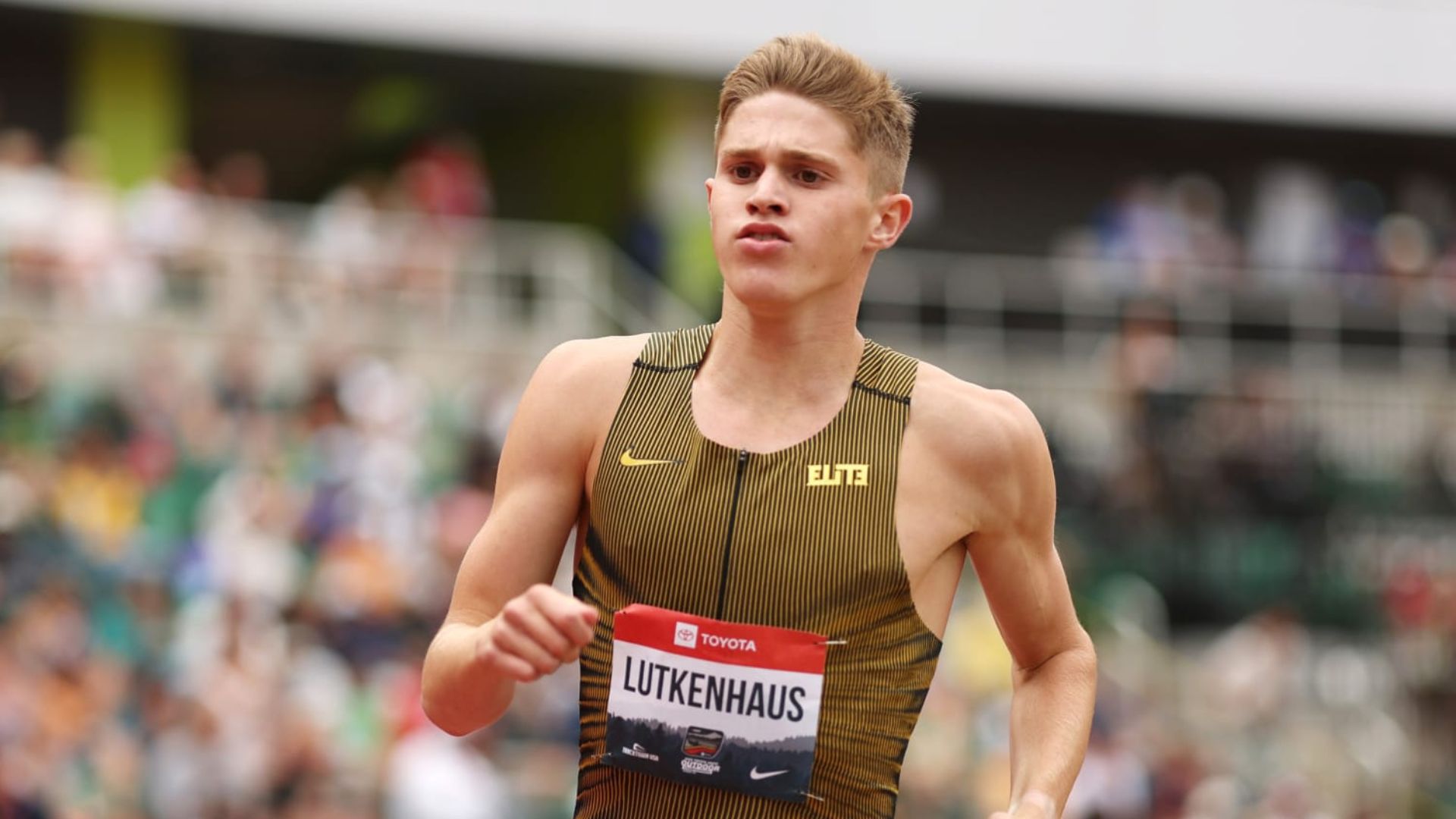
A new star has emerged in middle-distance running as Cooper Lutkenhaus made history at the 2026 World Indoor Championships.
At just 17 years old, Lutkenhaus became the youngest-ever World Indoor Champion, clinching gold in the men’s 800m and announcing himself on the global stage.
Already a record holder at both the U18 and U20 levels, the young athlete has now secured his first major senior title, marking a significant milestone in his rapidly rising career.
His victory not only highlights his exceptional talent but also signals the arrival of a new force in the 800m event.
With age on his side and records already to his name, Lutkenhaus is widely seen as one of the brightest prospects in world athletics.