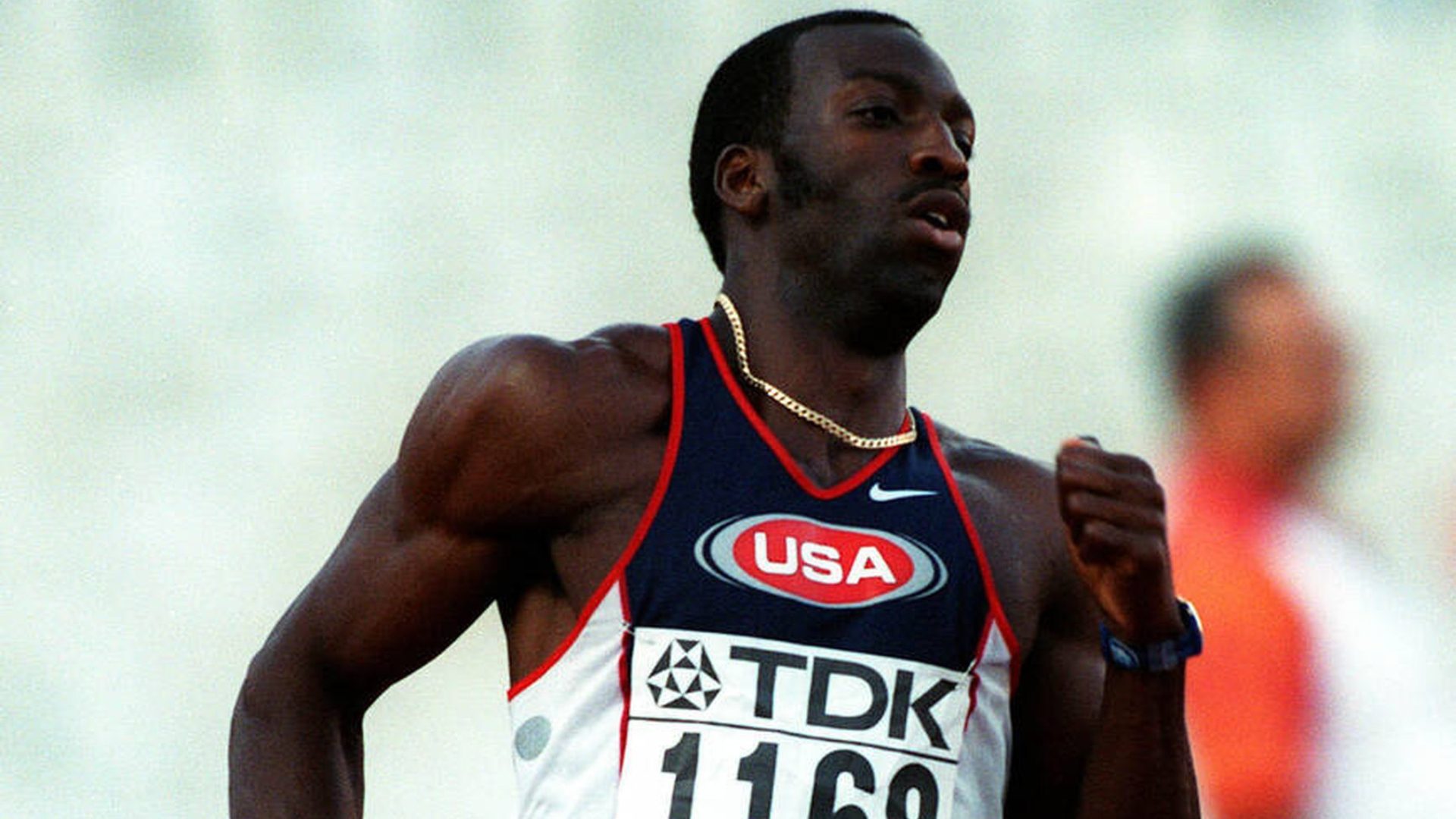


Medal Winners — All Categories
▶ BOYS UNDER-14 (2 KM)
Gold Manish Kumar
P.M. Sri J.N.V.
Led from the front to clinch the top spot in a fiercely competitive Boys U/14 2 km race.
Silver Kanhaiya Kumar
St. Joseph’s Sr. Sec., Juran Chapra
Delivered a strong finish, narrowly missing Gold in an exciting Boys U/14 contest.
Bronze Ashish Kumar
High School, Baruari
Showed impressive grit and pace to earn the Bronze in the Boys U/14 2 km.
▶ GIRLS UNDER-14 (2 KM)
Gold Arti Kumari
M.S. Harpur
Dominated the Girls U/14 2 km race with a commanding performance to take Gold.
Silver Shresti
P.M. Sri J.N.V.
Ran with determination to secure Silver in the Girls U/14 category.
Bronze Sonam Kumari
M.S. Harpur
Fought hard throughout the race to claim a well-deserved Bronze in Girls U/14.
▶ BOYS UNDER-16 (3 KM)
Gold Nitish Kumar
Bhola Singh H/S, Kurhani
Showed exceptional stamina over 3 km to win Gold in a competitive Boys U/16 field.
Silver Ashok Kumar
K.V.S.
Put up a spirited challenge to take Silver in the Boys U/16 3 km Road Race.
Bronze Satyam Kumar
Bihari Fitness Academy, Parod
Earned Bronze with a strong and composed run in Boys U/16.
▶ GIRLS UNDER-16 (3 KM)
Gold Ruchika Kumari
K.V.S.
Raced brilliantly to claim Gold in the Girls U/16 3 km, setting the pace from start to finish.
Silver Binni Kumari
U.M.S. Hanuman Nagar
A determined runner who pushed all the way to Silver in Girls U/16.
Bronze Anshu Kumari
U.M.S. Hanuman Nagar
Showed great endurance to secure Bronze in the Girls U/16 3 km race.
▶ BOYS UNDER-18 (3 KM)
Gold Md. Fadzan
Zila School, Muzaffarpur
Demonstrated superior speed and strategy to win Gold in the Boys U/18 3 km Road Race.
Silver Ravi Kumar
Inter College Sarmastpur, Sakra
Ran with great heart to finish a close Silver in the Boys U/18 category.
Bronze Purushottam Kumar
Individual
An impressive Bronze-winning run in Boys U/18, representing individual spirit and dedication.
▶ GIRLS UNDER-18 (3 KM)
Gold Pallavi Bharti
Chapman Girls H/S
A commanding victory in the Girls U/18 3 km race, taking Gold with poise and power.
Silver Asha Kumari
Govt. H/S, Chhapra Megh
Raced with consistency and composure to earn Silver in Girls U/18.
Bronze Nisha Kumari
Individual
Claimed Bronze in Girls U/18, a remarkable achievement competing as an individual entry.
Concerns are mounting over the upcoming Diamond League season opener in Doha, as silence from organizers raises questions about the event’s status.
For nearly a month, there have been no official announcements, promotions, or athlete confirmations linked to the Doha meet. In contrast, multiple athletes have already been confirmed for other stops on the circuit during the same period.
The lack of communication has created uncertainty about whether the season opener will proceed as scheduled.
Doha has traditionally played a crucial role in the Diamond League calendar, often hosting the opening meet and setting the tone for the global track and field season.
As anticipation builds, athletes and fans alike await clarity on the situation, with the future of the opener still unclear.
LGBTQ+ Athletes Lead Pushback Against IOC’s Trans Women Ban
Prominent LGBTQ+ athletes have strongly criticised the International Olympic Committee following its decision to ban transgender women and some intersex athletes from competing in women’s events at the Olympics. The policy, set to take effect from the 2028 Games, introduces mandatory SRY gene testing to determine eligibility — a move widely condemned as invasive and scientifically outdated.
Among the most vocal critics is Caster Semenya, who has previously faced scrutiny over her natural hormone levels. She described the policy as discriminatory and politically driven, echoing concerns that the decision prioritises ideology over evidence.
Other athletes, including Harrison Browne and Devin Ibañez, argued that the issue of transgender participation in elite sport is being exaggerated. Notably, only one openly transgender woman has competed in Olympic history, underscoring the limited scale of the issue.
For Chris Mosier, the concern goes beyond inclusion. He warned that genetic testing could lead to broader surveillance of all women athletes, raising serious questions about privacy and bodily autonomy.
A coalition of over 90 human rights organisations has also urged the IOC to reconsider, warning that the policy risks reversing decades of progress toward inclusion in sport.
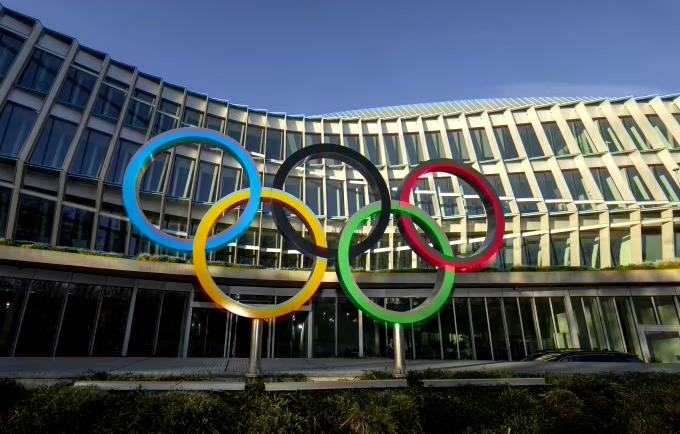
Harita Bhadra announced her arrival on the national stage with a stunning performance at the National Indoor Athletics Championships, winning gold in the women’s 60m.
The Maharashtra sprinter clocked 7.32 seconds, a massive personal best that now ranks as the second-fastest time ever recorded by an Indian in the event.
She finished just 0.04 seconds shy of the national record of 7.28 seconds, held by Dutee Chand.
In a remarkable debut, this was Bhadra’s first-ever senior competition in India, and she made an immediate impact with both a gold medal and a top-tier performance.
Her run signals the emergence of a new sprinting talent, with strong potential to challenge national records in the near future.
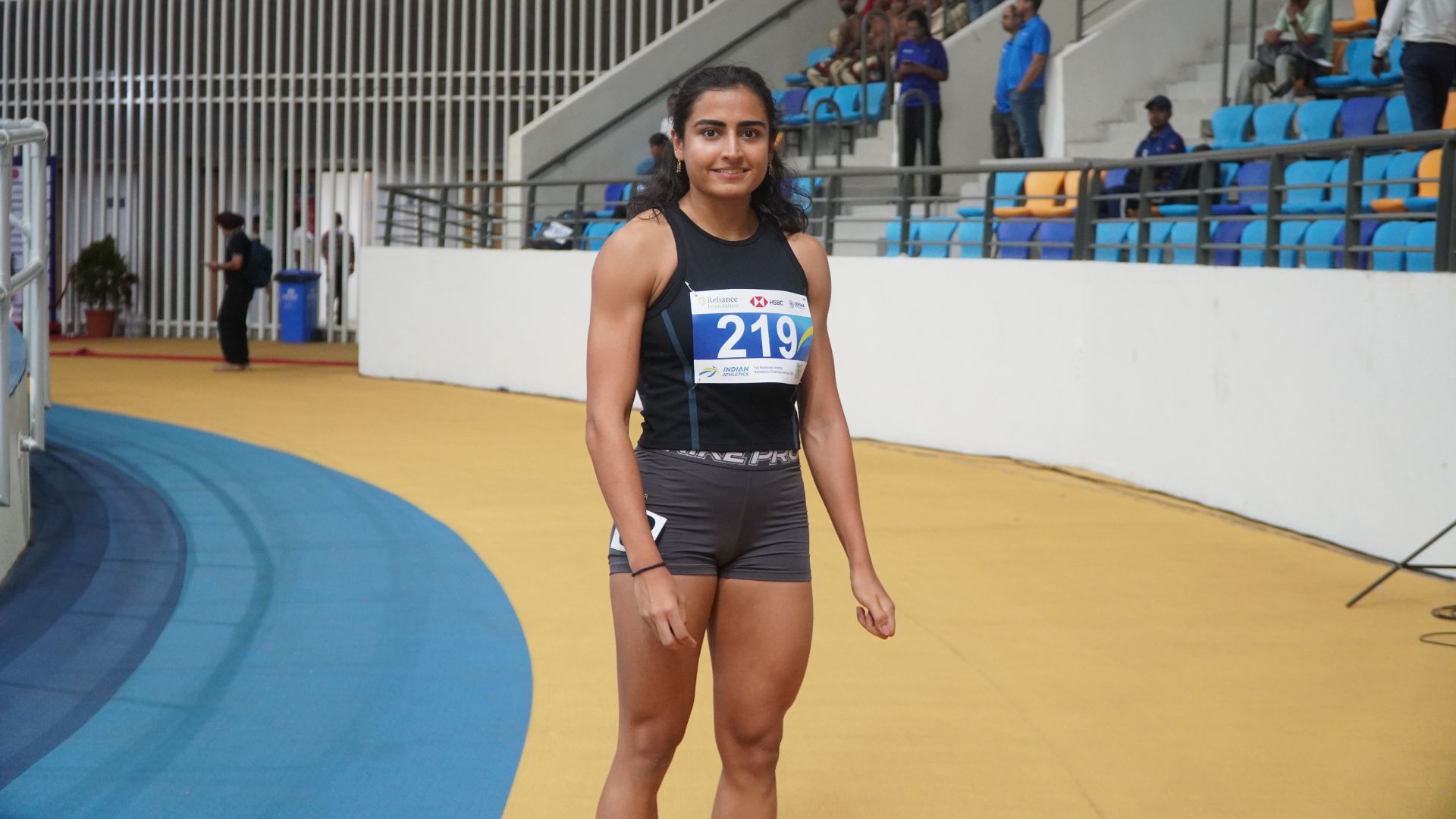
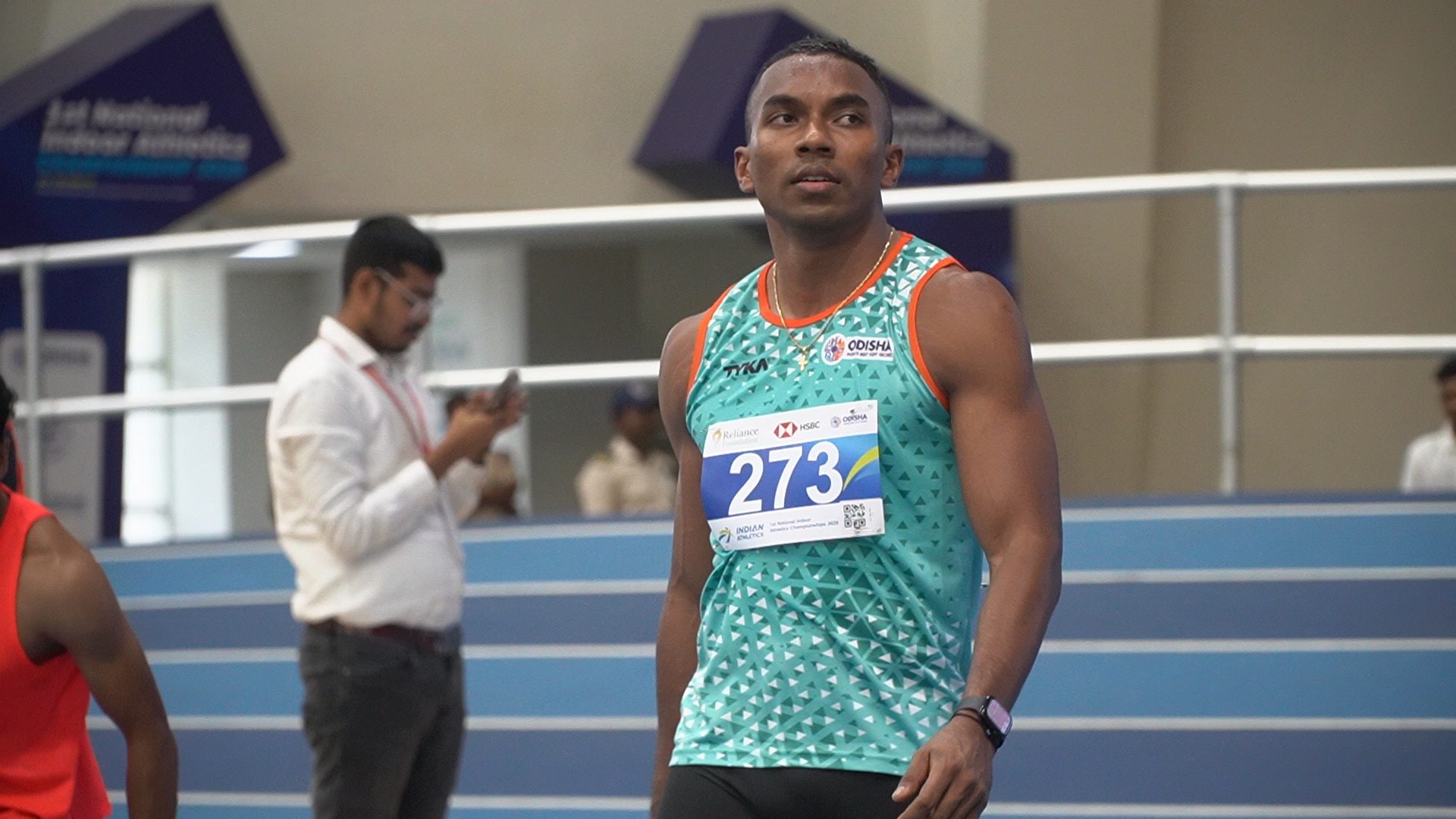
Lalu Prasad Bhoi delivered a standout performance at the National Indoor Athletics Championships, clocking 6.65 seconds in the men’s 60m final to achieve a national record timing.
Earlier in the semifinals, he had already impressed with a run of 6.72 seconds, setting up a strong showing in the final.
Despite his record-level performance, Gurindervir Singh ran an even faster race, clocking 6.60 seconds in the same final.
Speaking after the race, Lalu revealed that he had written his goal on his spikes, aiming to achieve the national record.
The result continues a period of consistent performances for Lalu, who has emerged as one of India’s most reliable sprinters over the past two years.
He was part of the bronze medal-winning 4x100m relay team at the World University Games last year and also recorded a major win at the 2024 Open Nationals, where he finished ahead of top sprinters including Manikanta, Amlan, and Gurindervir.
With performances like this, Lalu is quickly establishing himself as a rising force in Indian sprinting.
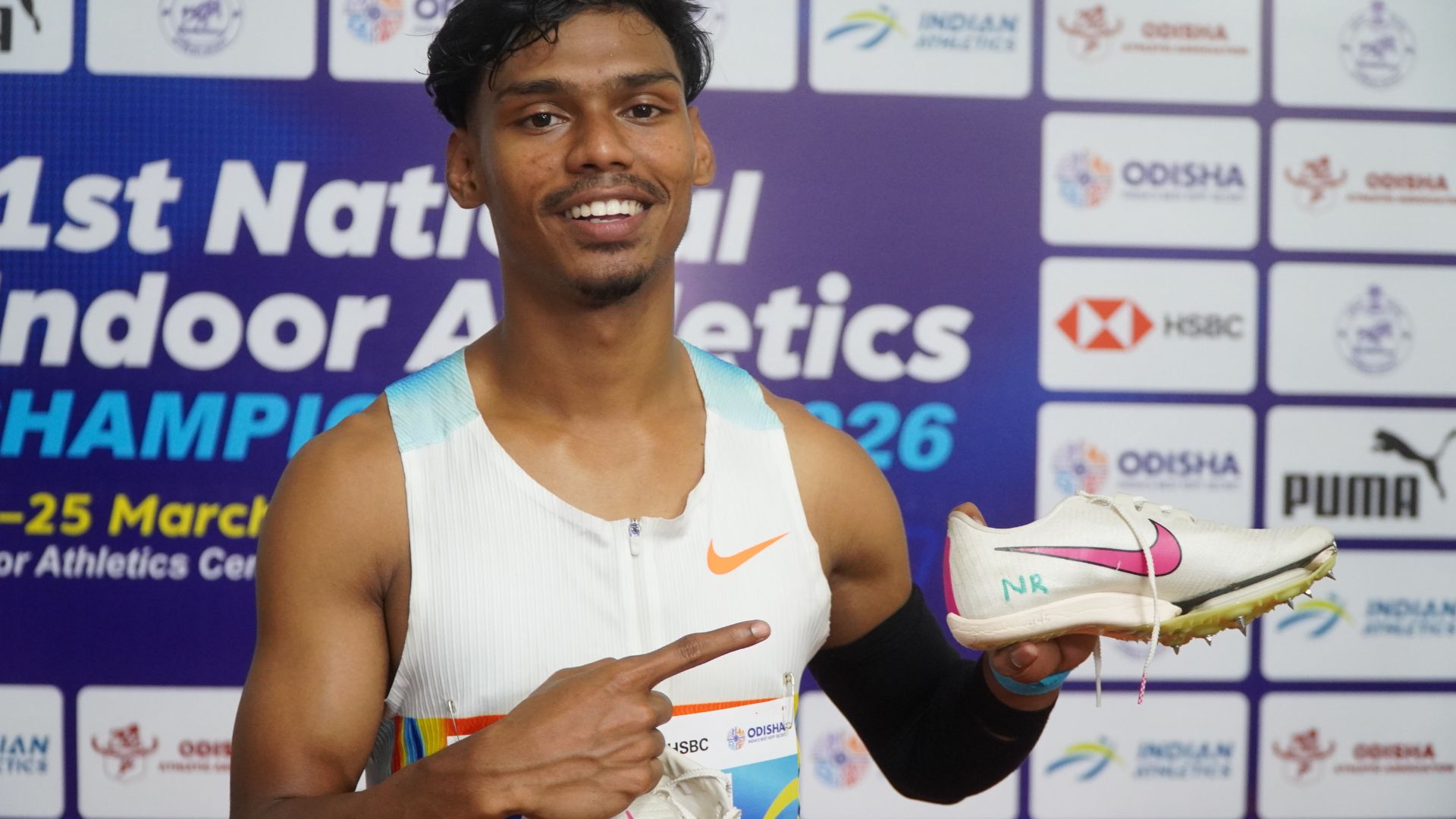
Bapi Hansda made a strong return to national-level competition by securing a bronze medal in the men’s U-20 400m at the National Indoor Athletics Championships.
Competing after a long injury layoff, Hansda clocked 49.18 seconds to finish third in the final.
Odisha’s Malaya Barik claimed the gold medal with a time of 48.98 seconds, delivering a solid performance to top the podium.
This race marked Hansda’s first national-level appearance since suffering an injury at the National Games in Uttarakhand last year.
His return to the podium highlights a positive comeback and signals his intent to regain top form in the upcoming season.
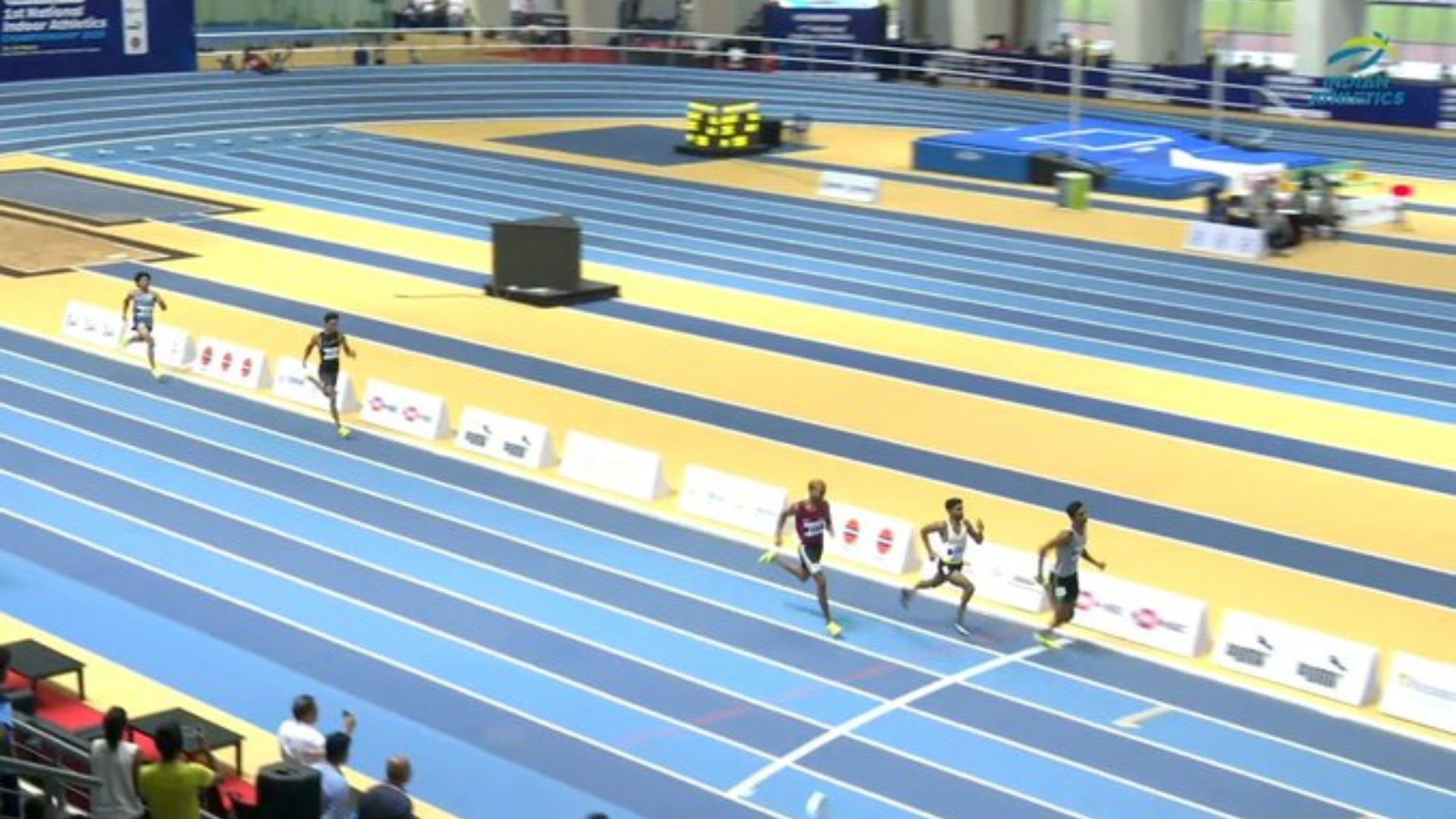
Asian U-20 medalist Vinod Singh continued his strong run of form by winning the gold medal in the men’s 1500m at the National Indoor Athletics Championships in Bhubaneswar.
He clocked 3:46.13 to secure the top spot in the final, delivering a composed performance.
Notably, Mohammed Afsal did not start the race, leaving the field open for Vinod to capitalize.
Vinod has shown consistent progress since last season and is currently training under coach Basanta Bahadur Rana, which appears to be contributing to his steady performances.
His victory further establishes him as one of the promising middle-distance runners in Indian athletics.
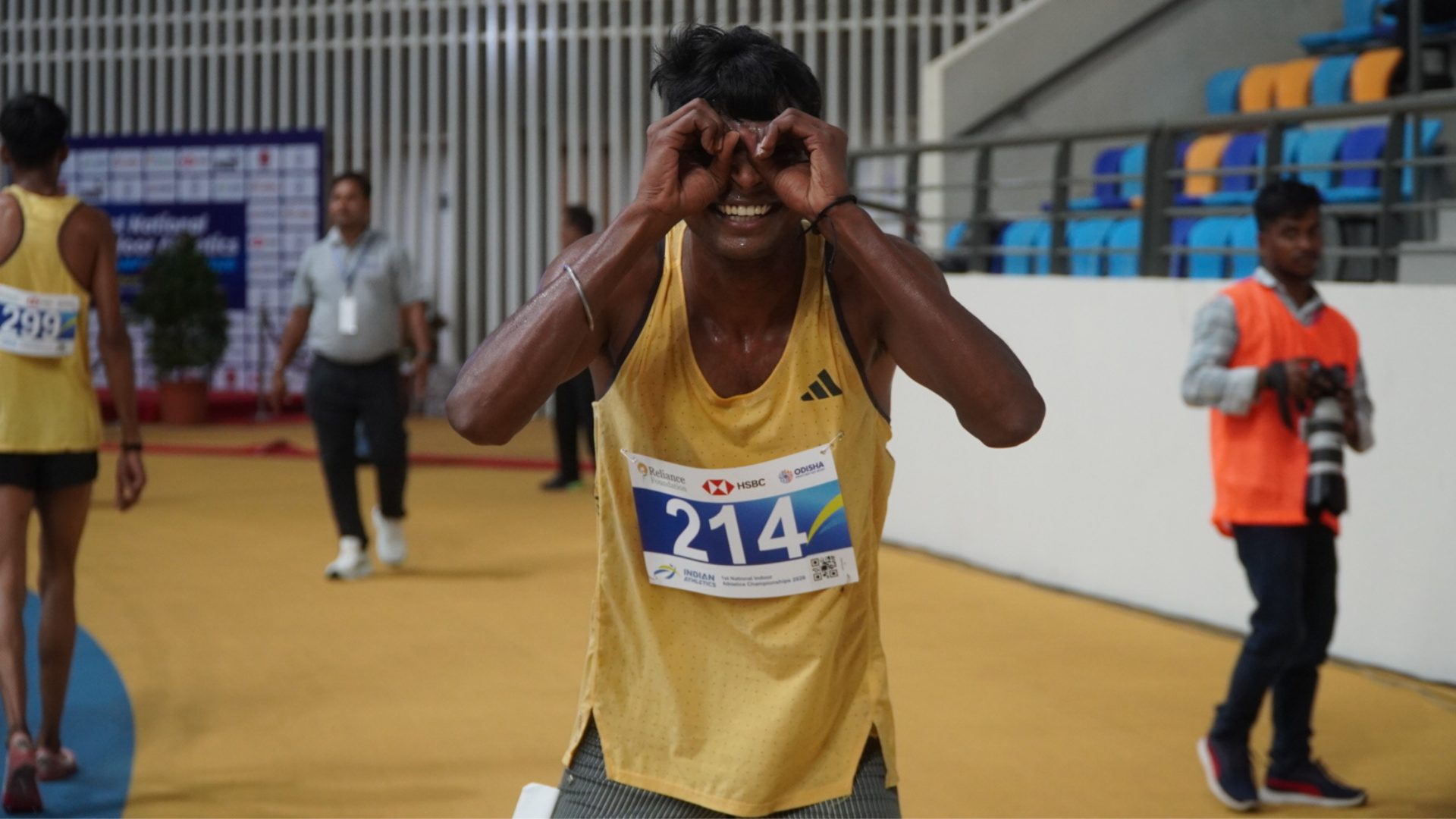
The stage is set for an exciting men’s 60m final at the National Indoor Athletics Championships, with a strong lineup of India’s top sprinters.
Gurindervir Singh enters the final as the fastest qualifier with a time of 6.69 seconds, closely followed by Animesh Kujur at 6.71 seconds.
Lalu Prasad Bhoi and Nuzrat both clocked 6.72 seconds, while Dondapati Jayaram recorded 6.74 seconds to stay in contention.
Laukik Anant Melge qualified with 6.77 seconds, while Nehal Sagar and Sarun Payasingh both registered 6.88 seconds to complete the lineup.
With minimal differences separating the athletes, the final is expected to be a closely contested race where reaction time and execution will be crucial.
These are the semi-final timings. The men’s 60m final will start at 7:20 PM.
Michael Johnson to Return $500K After Grand Slam Track Collapse
Michael Johnson — four-time Olympic champion, architect of ambition, and founder of Grand Slam Track — is set to return a $500,000 payment he made to himself, as part of a bankruptcy settlement with creditors owed millions.
It is a quiet coda to a project that once aimed to reshape athletics’ commercial future.
Grand Slam Track was conceived as a break from the sport’s fragmented calendar — a league model, cleaner, tighter, built for broadcast and modern audiences. But like many such attempts in track and field, vision ran ahead of viability. Revenues lagged, costs mounted, and the structure never quite held.
The “secret” payment, now folded into bankruptcy proceedings, underscores the financial strain beneath the surface. For creditors, it is partial recovery. For Johnson, it is reputational management as much as restitution.
There is, too, a familiar lesson here.
Athletics has long struggled to sustain league formats outside global championships. Even with credibility, even with star power, the economics remain unforgiving.
Johnson’s return of funds closes one chapter. It does not resolve the larger question his venture posed: whether the sport can ever build a stable, commercially viable league of its own.