



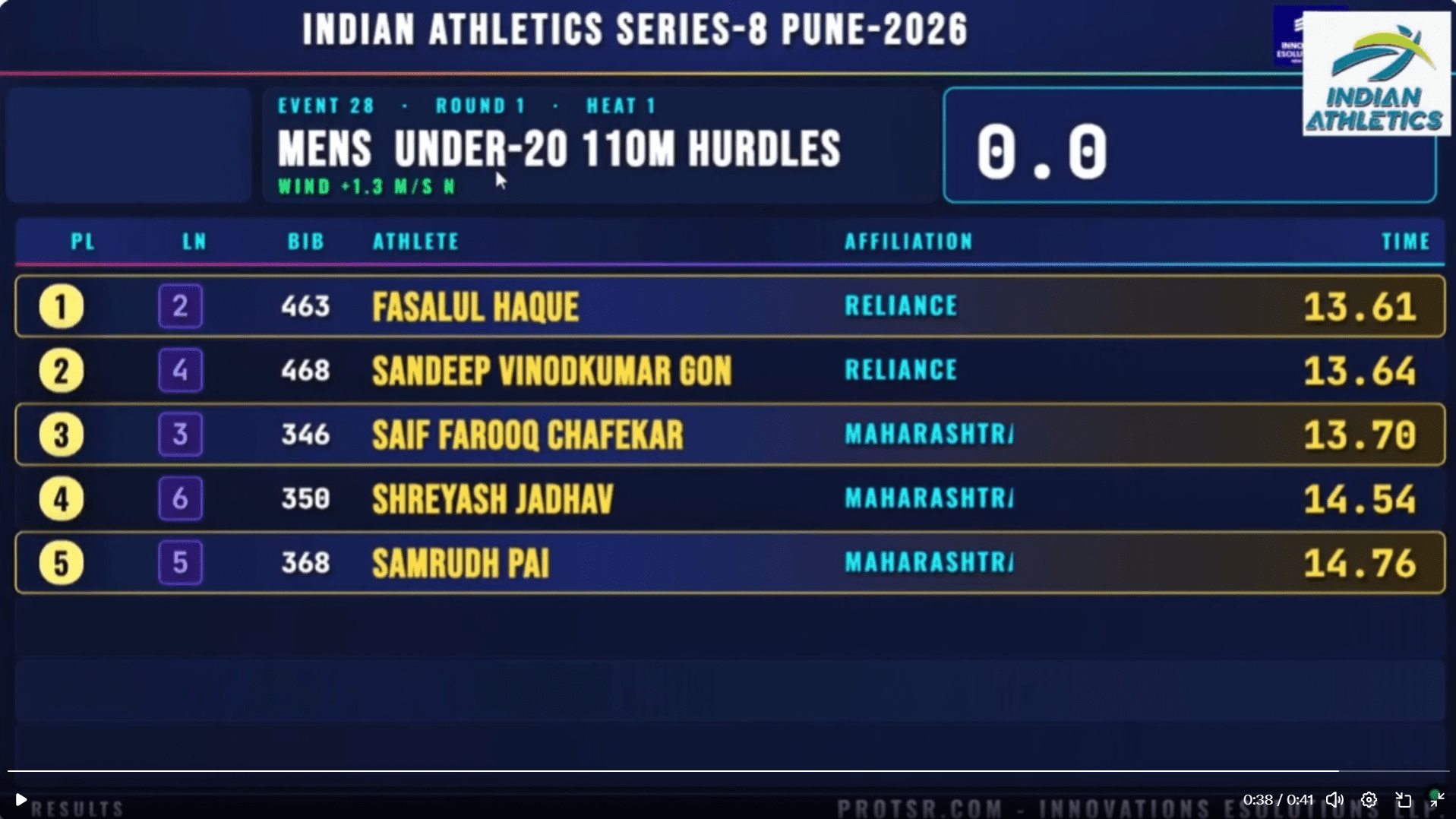
Reliance athlete Fasalul Haque delivered a sensational performance at the Indian Athletics Series–8, breaking the Indian U20 national record in the men’s 110m hurdles with a lifetime best of 13.61 seconds.
The young hurdler eclipsed the previous national record mark and continued the remarkable rise in standards that Indian junior hurdling has witnessed over the past year.
Adding further depth to the event, Sandeep, who finished second, also clocked a time faster than the previous national record, highlighting the growing competitiveness of the discipline among India’s emerging athletes.
According to Athletics Federation of India records, the previous U20 national record of 13.69 seconds was set by Yuvaraj S at the Junior Federation Cup last year. However, that mark had already been surpassed earlier this season when Kiran K clocked 13.66 seconds at the Junior Federation Cup.
Fasalul’s 13.61s now establishes a new national benchmark and further cements his status as one of India’s most promising sprint hurdlers.
The progression of the event over the last 12 months has been particularly striking. In the span of just one year, four different athletes have collectively produced six performances faster than the old national record of 13.69 seconds. During that period, the national record itself has been improved three separate times, underlining the rapid evolution of men’s junior hurdling in India.
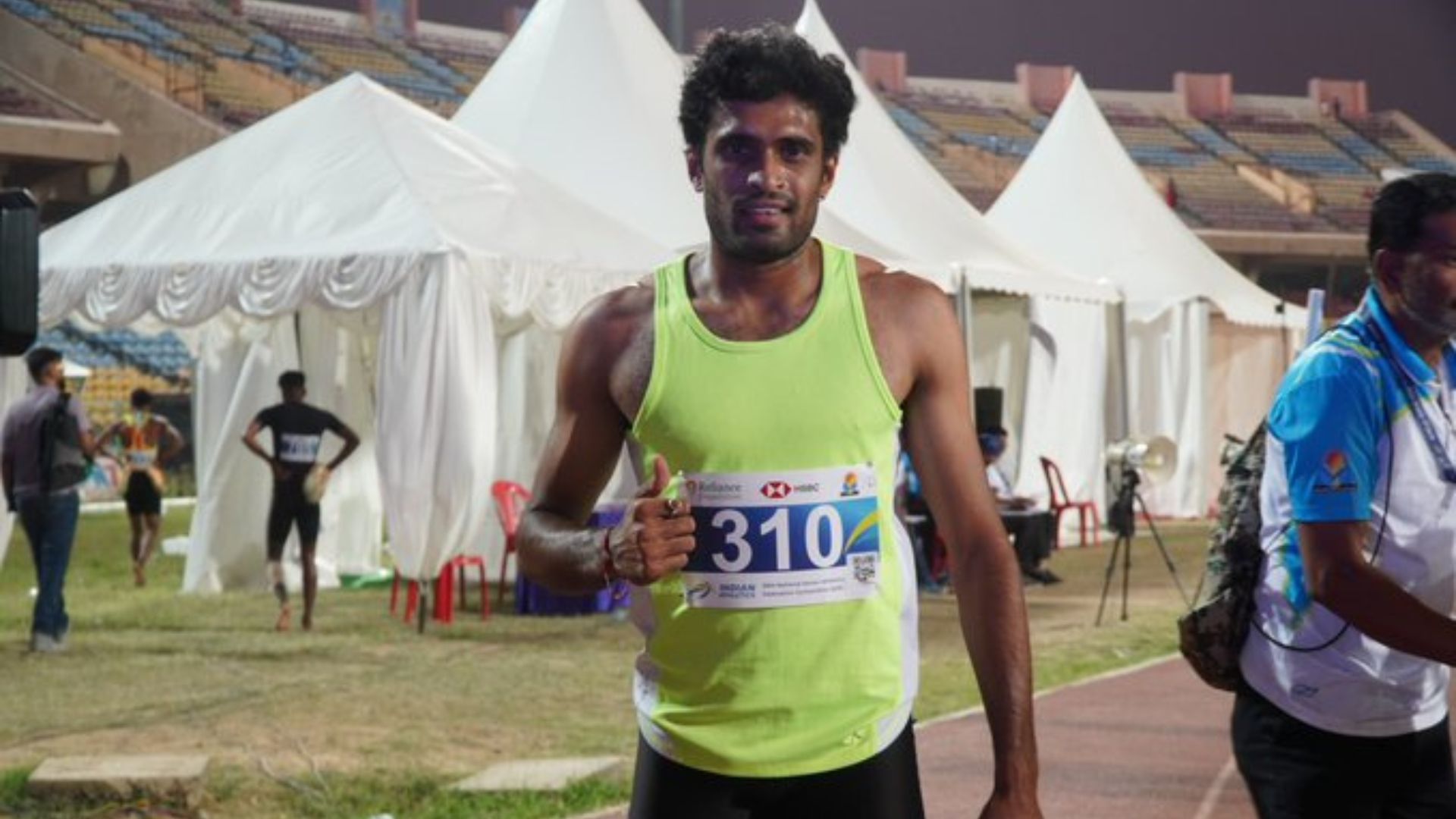
India’s national record holder Tejas Shirse continued his impressive run on the international circuit, clinching the silver medal in the men’s 110m hurdles at the New Taipei City Athletics Open 2026.
In a thrillingly close final, Shirse clocked 13.58 seconds to finish second, missing out on gold by the narrowest of margins. Chinese Taipei’s 20-year-old Hsieh Yuan-kai produced a stunning run to take top honours in 13.57 seconds, with just 0.01 seconds separating the two athletes at the finish line.
The result adds another strong international performance to Shirse’s growing résumé as he continues to establish himself as one of Asia’s leading hurdlers.
The Maharashtra athlete has been India’s premier 110m hurdler over the last two seasons. In May 2024, he rewrote the national record books when he clocked 13.41 seconds at the Motonet Grand Prix in Finland, breaking Siddhanth Thingalaya’s seven-year-old national mark of 13.48 seconds.
Since then, Shirse has enjoyed a remarkable rise. He has dominated the domestic circuit, winning three consecutive National Games gold medals and setting a new Games record of 13.65 seconds at the 2025 edition in Dehradun. Earlier that year, he also broke the Indian national record in the 60m hurdles indoors, underlining his growing consistency across formats.
The 23-year-old’s journey has not been without challenges. After suffering an injury setback earlier this year, Shirse returned to competition in May and immediately reminded everyone of his quality by clocking 13.43 seconds in Chennai, just 0.02 seconds outside his own national record. The performance came after only a few weeks of training following a four-month injury layoff.
Born in Aurangabad to a farming family with no sporting background, Shirse transformed from a talented junior athlete into the country’s fastest-ever sprint hurdler

Yashas Palaksha becomes India’s all-time 2nd fastest in men’s 400m hurdles!
Karnataka’s Yashas Palaksha breached the Commonwealth Games 2026 qualification standard, clocking a stunning 49.00s at Federation Cup 2026.
With this performance he became India’s all-time 2nd fastest 400m hurdler Santhosh, who finished 2nd, also produced a massive run of 49.06s — now India’s 3rd fastest ever.
Till now, only one Indian had ever gone sub-49 seconds in men’s 400m hurdles:
National record holder Dharun Ayyasamy – 48.80s
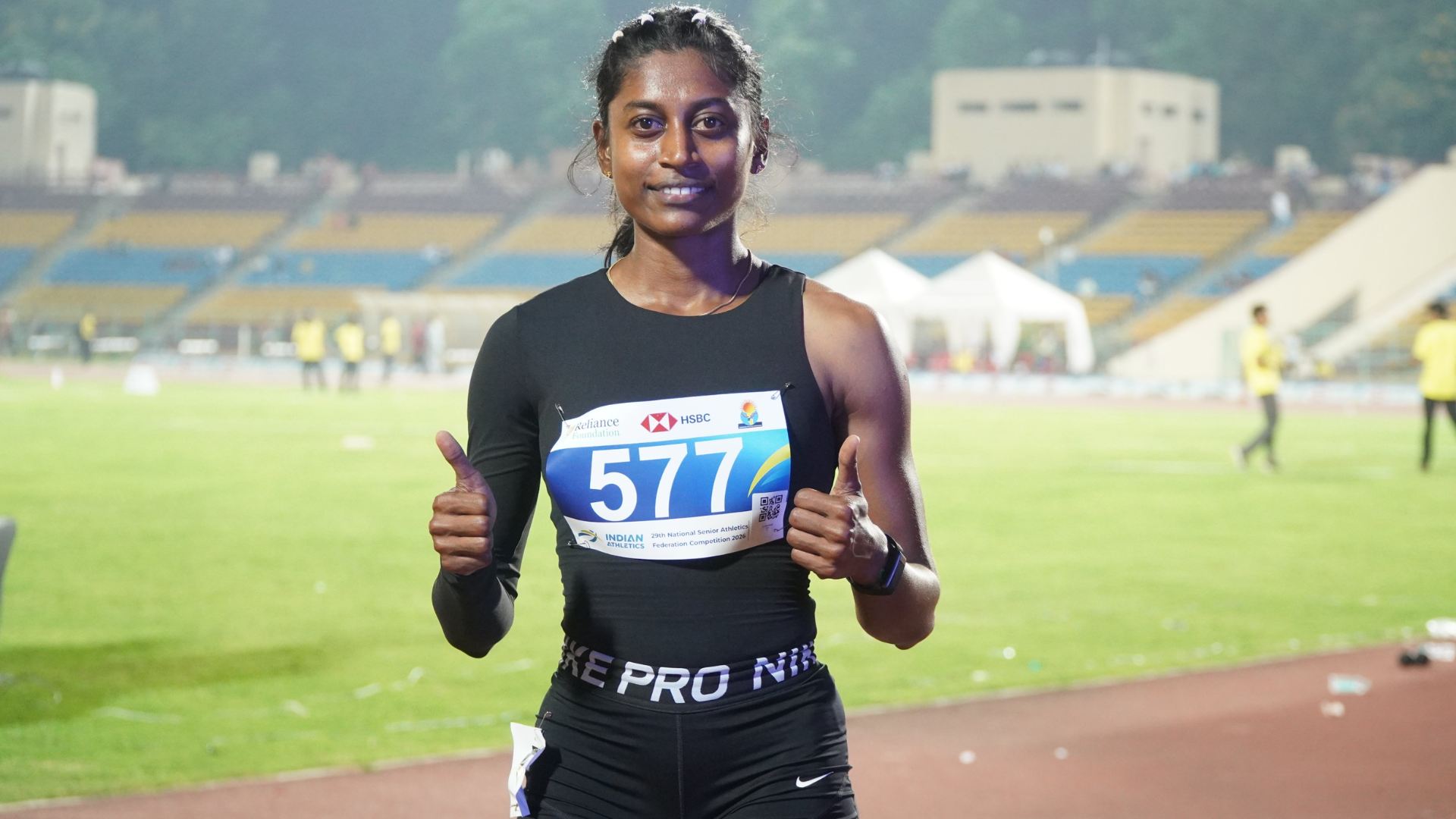
Birsa Munda Stadium, Ranchi | Federation Cup 2026 | May 24, 2026
Tamil Nadu’s Nandhini K arrived at Federation Cup 2026 as an athlete in form. She left it as a national champion — and the woman who upstaged one of South Asia’s finest hurdlers in the process.
Running the race of her life, Nandhini crossed the line in 13.24 seconds — a lifetime best that sliced 0.21s off her previous personal record in a single, defining run. In a sprint hurdles event where margins are measured in hundredths, a 0.21s improvement is not incremental progress. It is a leap.
Standing in her way was no ordinary rival. Pragyan Prashanti Sahu, the reigning SAAF champion, is the benchmark of women’s hurdles in South Asian athletics. Pragyan ran 13.33s — a time that, on most days, would be more than enough to win a national title. On this evening in Ranchi, it earned her silver.
The race for gold was settled. The race for bronze was not.
Anjali C and Shreeya Rajesh pushed each other to the line in one of the most breathtaking finishes of the entire Federation Cup. When the photo finish equipment delivered its verdict, the margin between them was 0.007 seconds — a gap so small it exists beyond the limit of human perception. One bronze medal. Two athletes who deserved it equally. The numbers gave it to one of them by the width of a heartbeat.
For Nandhini, however, the evening belonged entirely to her. A lifetime best. A national title. A statement result against the reigning SAAF champion. Federation Cup 2026 will be remembered as the day Tamil Nadu’s finest hurdler announced herself on the biggest domestic stage in Indian athletics.
Tejas Ashok Shirse and Krishik M both clocked faster timings than the previous Federation Cup meet record in the men’s 110m hurdles final.
Tejas Shirse – 13.50s
Krishik M – 13.52s
This is now the second consecutive competition where the two finished extremely close.
At Indian Series-6, they were separated by just 0.01s.
It was also a breakthrough day for Muhammed Lazan, who registered back-to-back personal bests in both the heats and final.
He finished 3rd with 13.83s — going sub-14 seconds for the first time in his career.
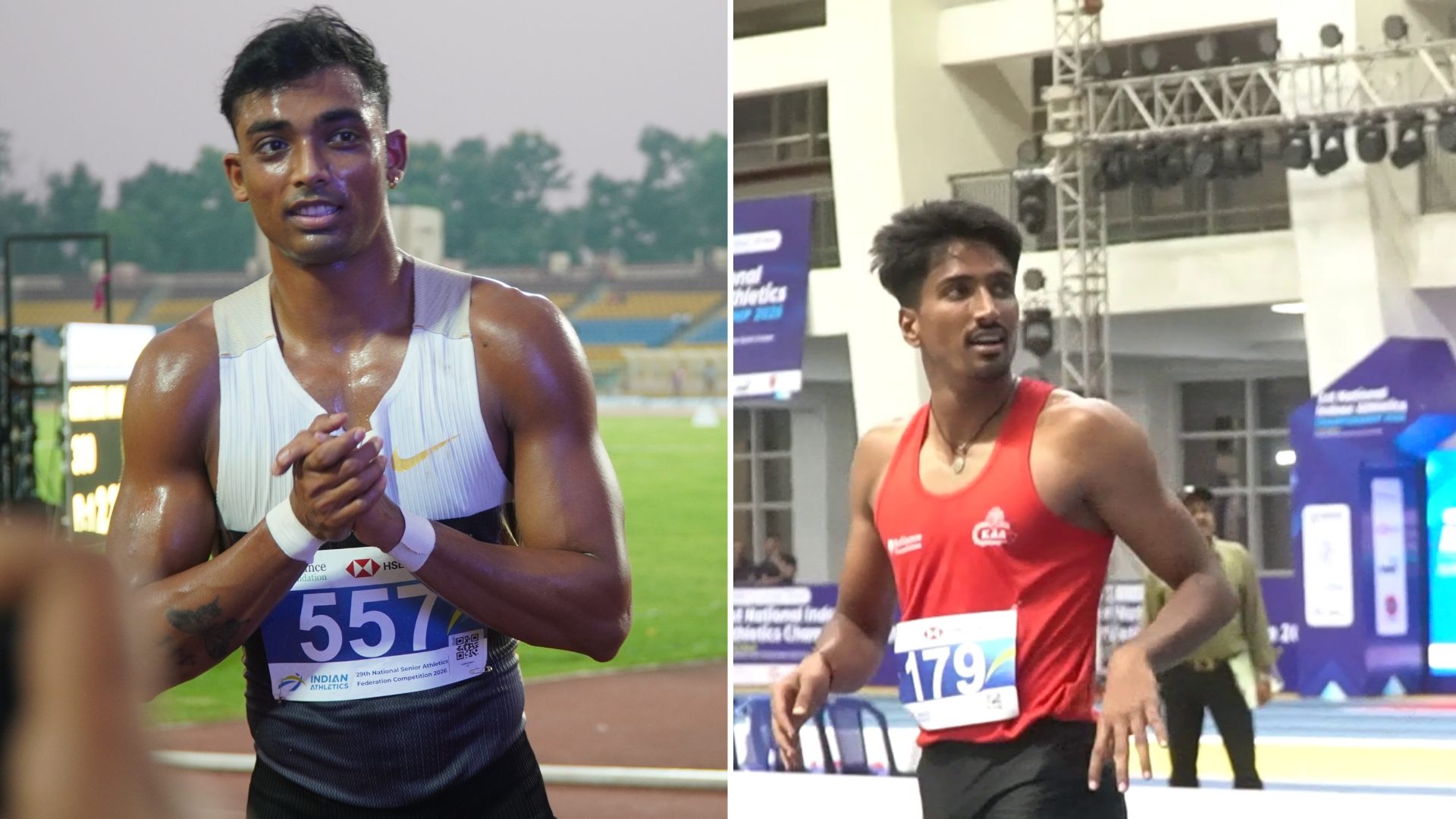
Indian athletics will have strong representation at the Saudi Athletics Grand Prix, with rising stars Krishik M and Shivaji M set to compete at the World Athletics Continental Tour Bronze meet in Riyadh on May 15-16, 2026.
Krishik heads into the competition in the form of his life after producing a sensational performance in his last outing. The hurdler clocked a massive personal best of 13.44 seconds in the men’s 110m hurdles, making him India’s second-fastest athlete ever in the event. The timing marked a major breakthrough for the young sprinter-hurdler and underlined his growing consistency at the national and international level.
With the Asian season gathering momentum, the Riyadh meet offers Krishik another valuable opportunity to test himself against a quality international field and continue his push towards the top of the Asian rankings.
Joining him in Saudi Arabia will be distance runner Shivaji M, who will compete in the men’s 3000m event. Shivaji has steadily built an impressive résumé over the last few seasons. Earlier this year, he won the 2026 national indoor title over 3000m and remains one of India’s most promising endurance athletes.
The 2023 Asian U20 Championships bronze medallist in the 5000m will now look to carry that momentum onto the continental circuit. Competing in Riyadh could provide both athletes crucial exposure and ranking points as they prepare for a busy international season ahead.
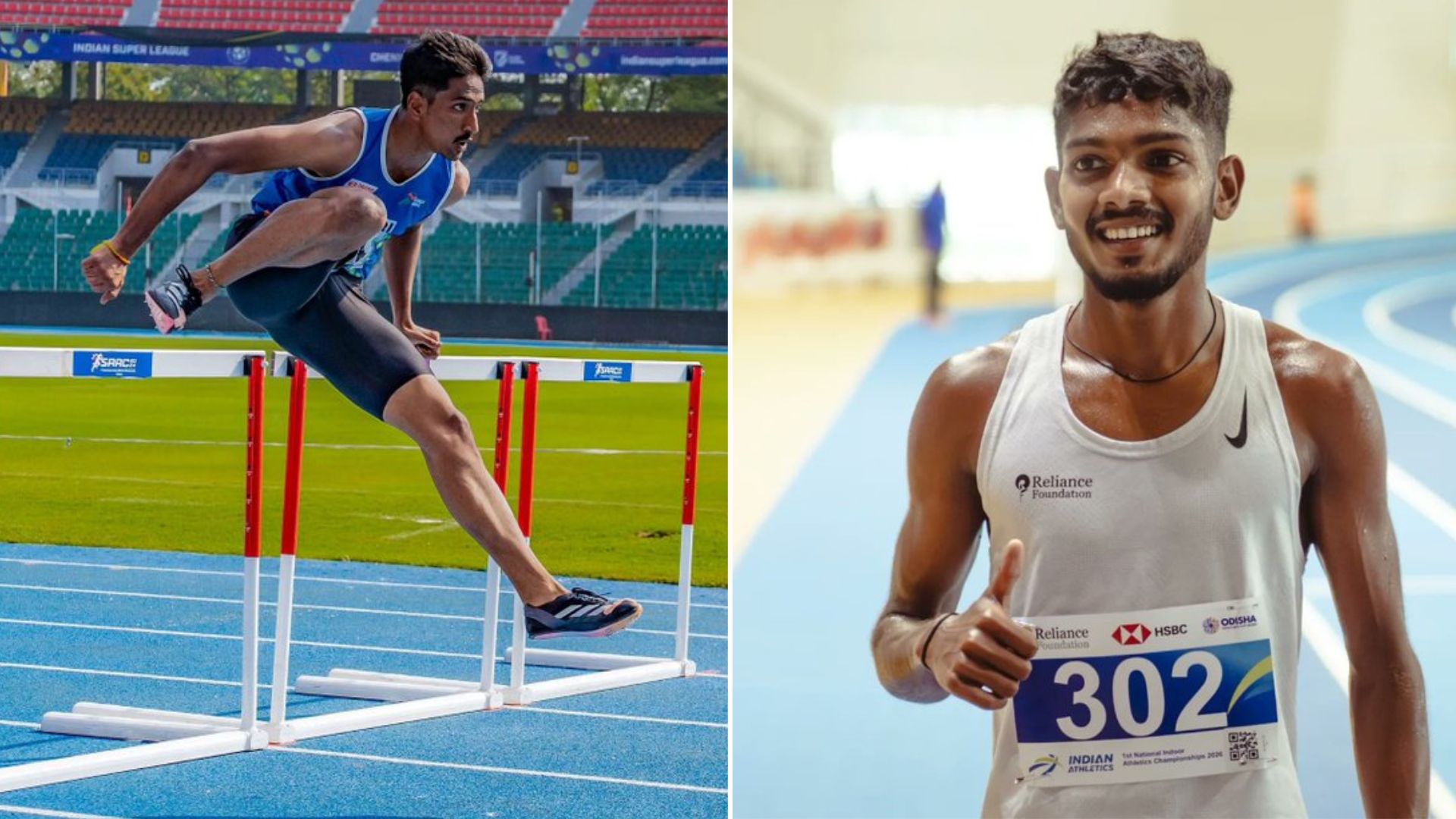
The first race of the season is rarely about perfection. It’s about signals.
In Race A of the men’s 110m hurdles at the Indian Athletics Series – 3 in New Delhi, Harmanjeet Singh’s signal was clear. He opened his season with a controlled 14.45s, enough to take the win and set an early marker.
There was no rush, no overreach—just a clean race, executed with the kind of composure that tends to matter more in April than outright speed. For a hurdler, especially, rhythm is everything. On this evidence, Harmanjeet looks settled.
Behind him, Shivdarsha finished in 14.86s, while Vikash Kumar followed closely at 14.93s. The margins weren’t wide, but the race never quite felt in doubt.
Season openers can be deceptive. Times improve, races get sharper. But they also reveal where an athlete is starting from.
For Harmanjeet, this was a steady beginning—and perhaps, the outline of what’s to come.
