
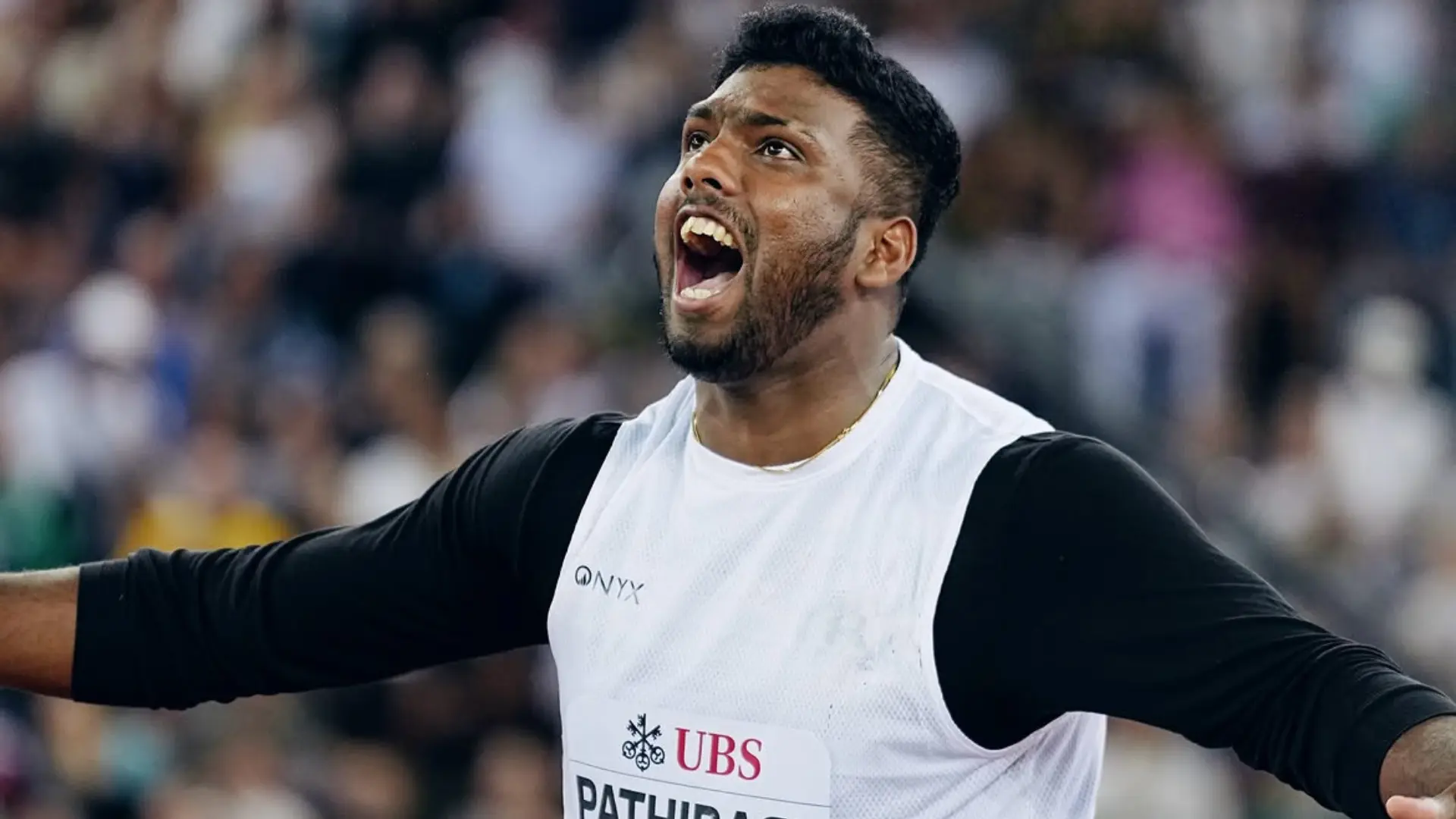
Sri Lanka has emerged as the new powerhouse of Asian javelin throwing, seizing the lead in the subcontinent and asserting global dominance through the astonishing rise of Rumesh Tharanga Pathirage.
For years, the subcontinental javelin narrative centred on the battle between India’s Neeraj Chopra and Pakistan’s Arshad Nadeem. However, the 2026 track and field season has witnessed a seismic shift. 23-year-old Rumesh Tharanga Pathirage has redefined South Asian athletics by mounting one of the most remarkable campaigns in modern javelin history.
With a world leading distance of 92.62m set in Rome and a recent 92.07m victory at the Weltklasse Zürich Diamond League, Pathirage has firmly taken the mantle as the subcontinent’s premier javelin thrower. His achievements have rewritten national and regional history while creating immense pressure on established global icons.
Pathirage’s ascension is not a flash in the pan. At the 2026 Weltklasse Zürich Diamond League meeting, he put on a clinical display of throwing under immense competitive conditions. Facing a world-class field that included two-time World Champion Anderson Peters and former Olympic champion Thomas Röhler, the Sri Lankan built an early lead with attempts of 88.23m and 89.90m before unleashing a monster 92.07m throw on his final attempt.
With this performance, Pathirage became only the fourth javelin thrower in history to breach the 92-meter mark twice in the same calendar year -joining legendary figures Jan Železný, Johannes Vetter, and Aki Parviainen.
Furthermore, Pathirage has dominated his direct subcontinental competition in 2026, holding multiple victories over two-time Olympic medallist Neeraj Chopra, including a tight victory in Lausanne by nine centimetres. With a Commonwealth Games gold medal in Glasgow already secured, his consistency across 12 major meets marks a structural shift in regional track and field.
Sri Lanka’s sudden dominance at the highest level of field events represents a transformation in international athletics. Pathirage leads the Diamond League qualifications standings with 39 points, standing well clear of established global champions.
As the Diamond League Final approaches in Brussels, all eyes are on the Sri Lankan star. His ability to launch throws consistently into the 88m to 92m range makes him the clear favourite heading into the championship phase of the season. Sri Lanka is no longer just participating in global athletics; it is setting the benchmark for the rest of the world to follow.
Men’s Javelin Throw Final Results
- 1. Rumesh Tharanga Pathirage (SRI) – 92.07
- 2. Anderson Peters (GRN) – 86.93 SB
- 3. Dawid Wegner (POL) – 85.16 SB
- 4. Keshorn Walcott (TTO) – 83.02
- 5. Julius Yego (KEN) – 81.66
- 6. Marc Anthony Minichello (USA) – 80.38
- 7. Curtis Thompson (USA) – 80.31
- 8. Thomas Röhler (GER) – 79.86
- 9. Simon Wieland (SUI) – 75.35
- 10. Patriks Gailums (LAT) – 74.30
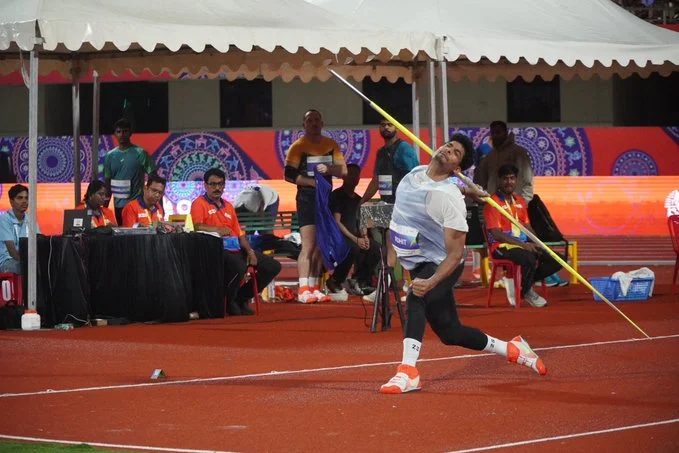
Rohit Yadav delivered the standout performance of the World Athletics Continental Tour Silver meet in Bhubaneswar, winning the men’s javelin throw with a sensational 87.68m — a new lifetime best and one of the biggest throws in Indian athletics history.
The Uttar Pradesh thrower produced the massive mark on his sixth and final attempt, finishing well clear of compatriot Yashvir Singh, who secured silver with 82.94m.
Men’s Javelin Throw — Final
🥇 Rohit Yadav 🇮🇳 — 87.68m
🥈 Yashvir Singh 🇮🇳 — 82.94m
🥉 Sumedha Ranasinghe 🇱🇰 — 80.29m
4️⃣ Arshdeep Singh 🇮🇳 — 78.82m
5️⃣ Anand Singh 🇮🇳 — 78.34m
6️⃣ Ravi Rathushan 🇱🇰 — 77.24m
7️⃣ Douw Smit 🇿🇦 — 76.79m
Rohit’s winning throw places him second on India’s all-time list, behind only Neeraj Chopra’s national-record 90.23m. It also represents a major leap forward for the 2026 season, with Rohit adding nearly a metre to his previous personal best of 87.05m.
The 87.68m effort also puts Rohit among the leading javelin throwers globally this season, making his performance one of the biggest highlights of India’s first-ever World Athletics Continental Tour Silver-level meet.
Yashvir Singh further strengthened India’s dominance in the event by crossing 82 metres for silver, while Sri Lanka’s Sumedha Ranasinghe completed the podium with an impressive 80.29m.
Rohit’s breakthrough performance adds another exciting chapter to India’s growing strength in men’s javelin throw. With Neeraj Chopra, Rohit Yadav and Yashvir Singh all producing world-class marks this season, India’s javelin depth has rarely looked stronger.
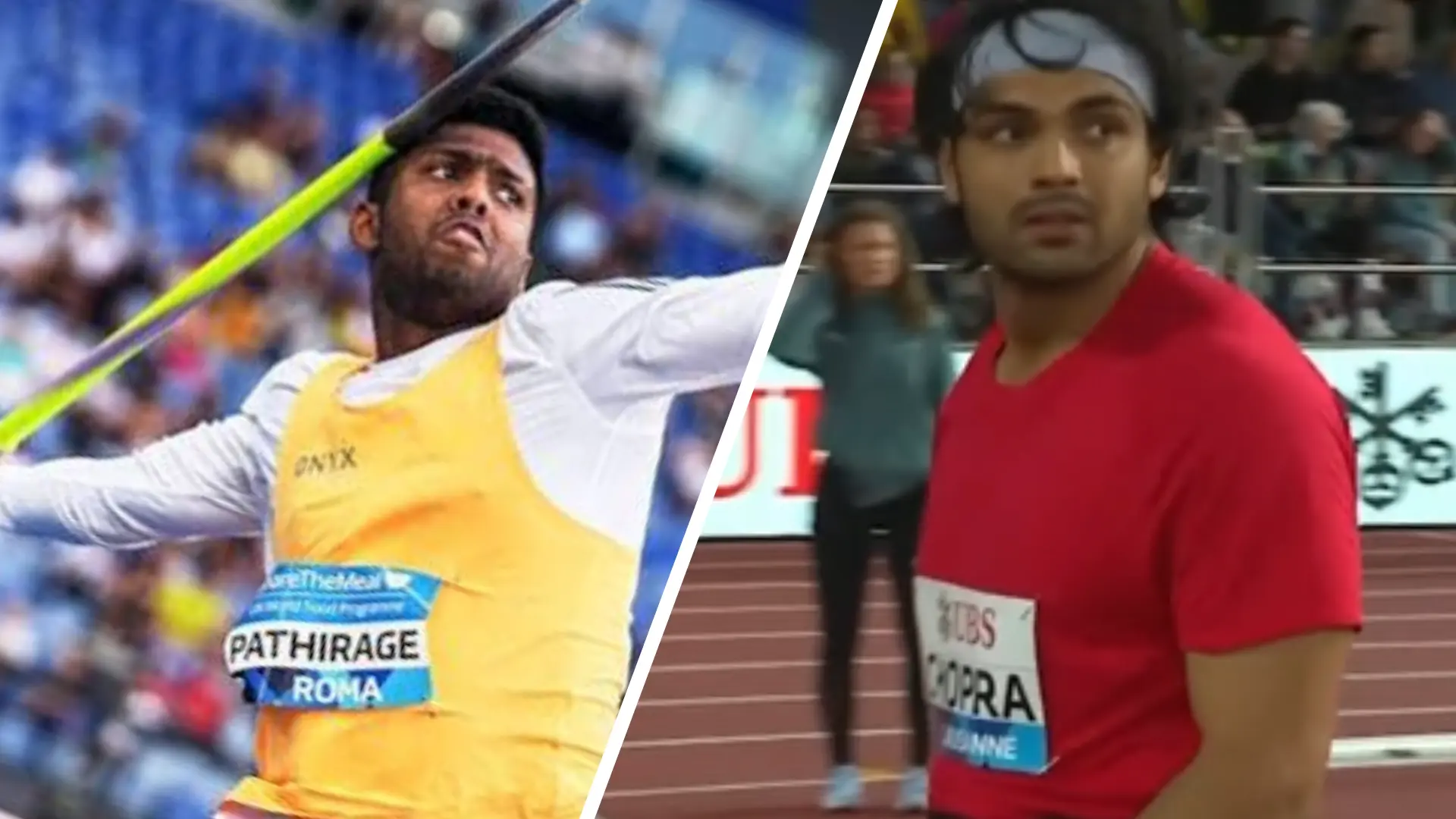
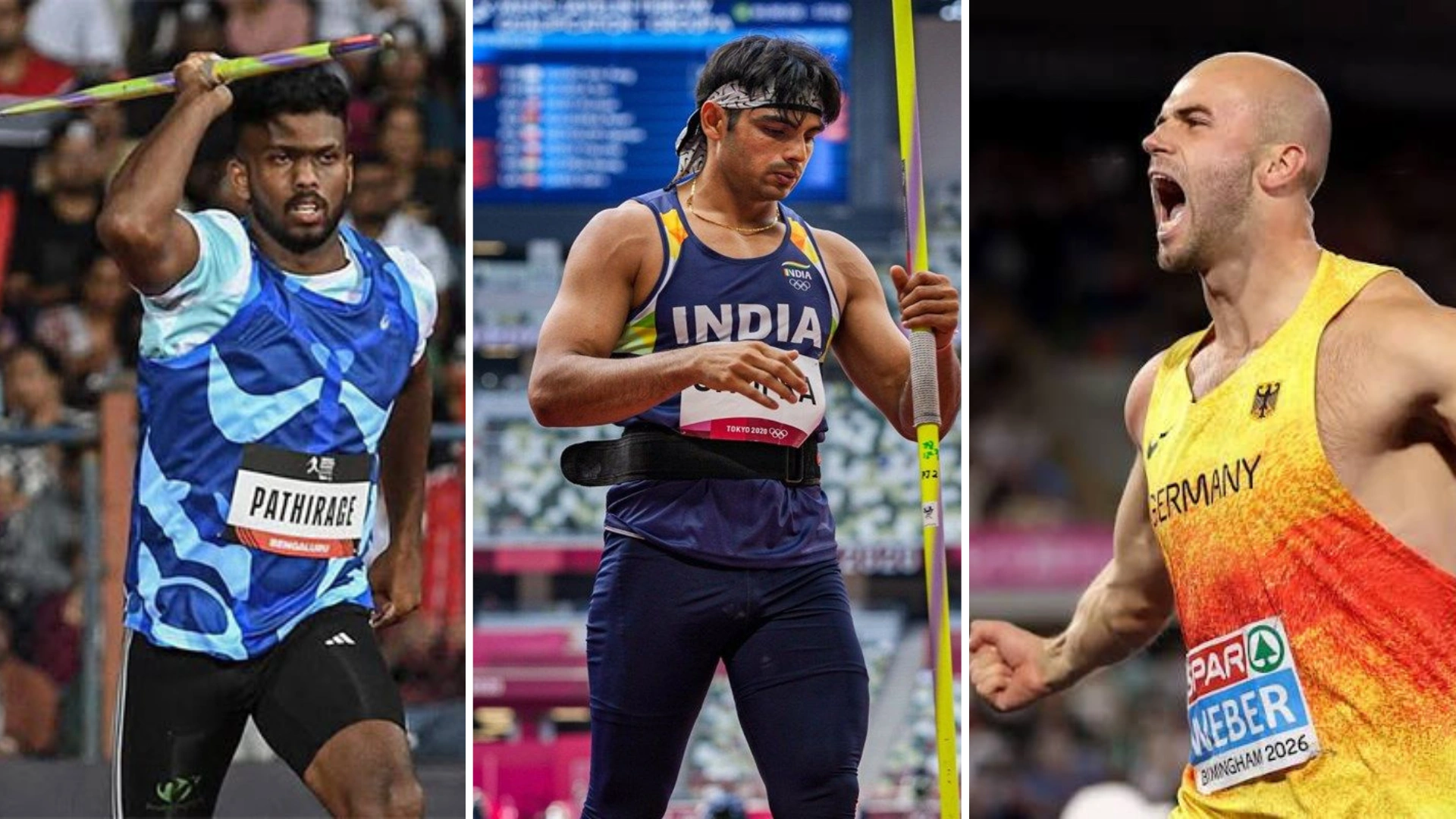
German javelin star Julian Weber enters the spotlight following his impressive performance after crossing the 90-meter barrier at the European Championships, setting the stage for an explosive showdown at the Lausanne Diamond League 2026. Taking centre stage alongside him on August 21 will be former Olympic and world champion Neeraj Chopra, with organisers confirming what is shaping up to be one of the most competitive fields in recent memory.
For Chopra, Athletissima marks his fourth appearance in Lausanne, a venue where he boasts a stellar history. The 28-year-old Indian athlete famously won the event in 2022 with a throw of 89.08m and successfully defended his crown in 2023 with 87.66m, before clinching a runner-up finish in 2024 with 89.49m. Returning this season following a lengthy injury lay-off, Chopra heads to Switzerland after securing a Commonwealth Games silver medal in Glasgow with a season-best throw of 85.83m. There, he finished just behind newly crowned Commonwealth Games champion and world leader Rumesh Pathirage, who claimed gold with an 89.75m throw.
Pathirage now leads a formidable entry list that also features two-time world champion Anderson Peters, Olympic gold medallist Keshorn Walcott, Jakub Vadlejch, Julian Weber, Curtis Thompson, and Simon Wieland. This star-studded lineup gives Chopra another golden opportunity to end an international title drought that has persisted since his victory at the NC Classic in July 2025.
As for how the night will pan out, the stage is set for a historic battle. Looking back at past editions, Lausanne has consistently served as a breeding ground for big distances, and Chopra’s own track record proves the venue brings out peak performances. With athletes like Weber riding high on momentum and Pathirage holding world-leading form, the elusive 90-meter barrier is well within reach on Lausanne’s fast runway. While the looming shadow of Budapest usually demands tactical pacing, the elite field is unlikely to hold back with Diamond League points, peak momentum, and heavy psychological advantages on the line. Expect Pathirage to set a ferocious early pace, while a progressively sharper Chopra and a surging Weber push right to the final round in a thrilling contest for the crown.
It is no surprise that the global dynamics of the javelin are undergoing a fundamental transformation. For decades, the event operated in the exclusive domain of Europe, but that geopolitical map in track and field is rapidly shifting. Led by a rising surge across Asia and Africa—evidenced by South Africa’s Jan-Hendrik Heymans taking gold and India’s Ashish Yadav securing silver in Eugene, Oregon—the event is democratizing. India is no longer an isolated anomaly riding solely on Neeraj Chopra’s individual genius; it is quietly establishing an enduring footprint on the global stage.
At 19 years old, Yadav’s podium finish at the World U20 Athletics Championships with a 74.09m effort marks a decisive moment for Indian athletics. Coming a decade after Chopra’s historic gold in 2016, Yadav became only the second Indian thrower to win a world junior javelin medal. What makes the achievement stand out is not merely the silverware, but what it signals about India’s maturing talent pipeline. The ability to identify raw athletic potential in non-traditional belts and convert it into world-class performance points to a structural shift in how the nation approaches Olympic discipline development.
Yadav’s journey is typical of India’s rural sports landscape. Coming from Mawaiya village in Mirzapur, Uttar Pradesh, sporting glory was the last thing on his mind—economic survival took priority. He assisted his father in milking cows and delivering milk to nearby households. His early training was rudimentary; the simple flight of wooden spears was what initially excited him.
Like any athlete’s turning point, Yadav’s came when his training environment changed: first at the Inspire Institute of Sport and later at the IIS-SAI centre in Hisar under coach Arvind Kumar. Within 15 months, sports nutrition, biomechanical monitoring, and targeted physical conditioning moulded a different athlete. He added bulk to his lean frame and increased his throw by almost 15 to 20 meters, pushing his distances close to 80m.
The path was far from easy. Yadav suffered a Posterolateral Corner (PLC) knee injury. Yet, despite that setback and the intense pressure of competing in his first global championship, he managed a 74.09m throw—speaking volumes of his resilience and hunger to win.
“I thought if I could do well in the sport, I could get a job,” Yadav revealed in an interview with Sportstar, reflecting the pragmatic mindset that initially drove his athletic pursuit.
Even as India consolidates its reputation as a formidable javelin nation, young throwers face the daunting shadow of Chopra’s achievements. Yadav is quick to distance himself from premature comparisons, recognizing the vast ground he still needs to cover.
“Neeraj bhai is an inspiration for taking up the javelin… I still have a lot more to do, so I don’t want to be compared to Neeraj bhai,” Yadav told The Indian Express following his medal-winning throw. “This medal is a good start for me because it proved that I can compete at the highest level and finish on the podium.”
As javelin dominance disperses beyond traditional strongholds, India’s ability to consistently place athletes on junior world podiums confirms that its grassroots system is finally matching its international ambitions. Yadav’s world junior silver demonstrates that India’s presence at the top of field athletics is evolving from a single superstar narrative into a sustained, long-term pipeline.
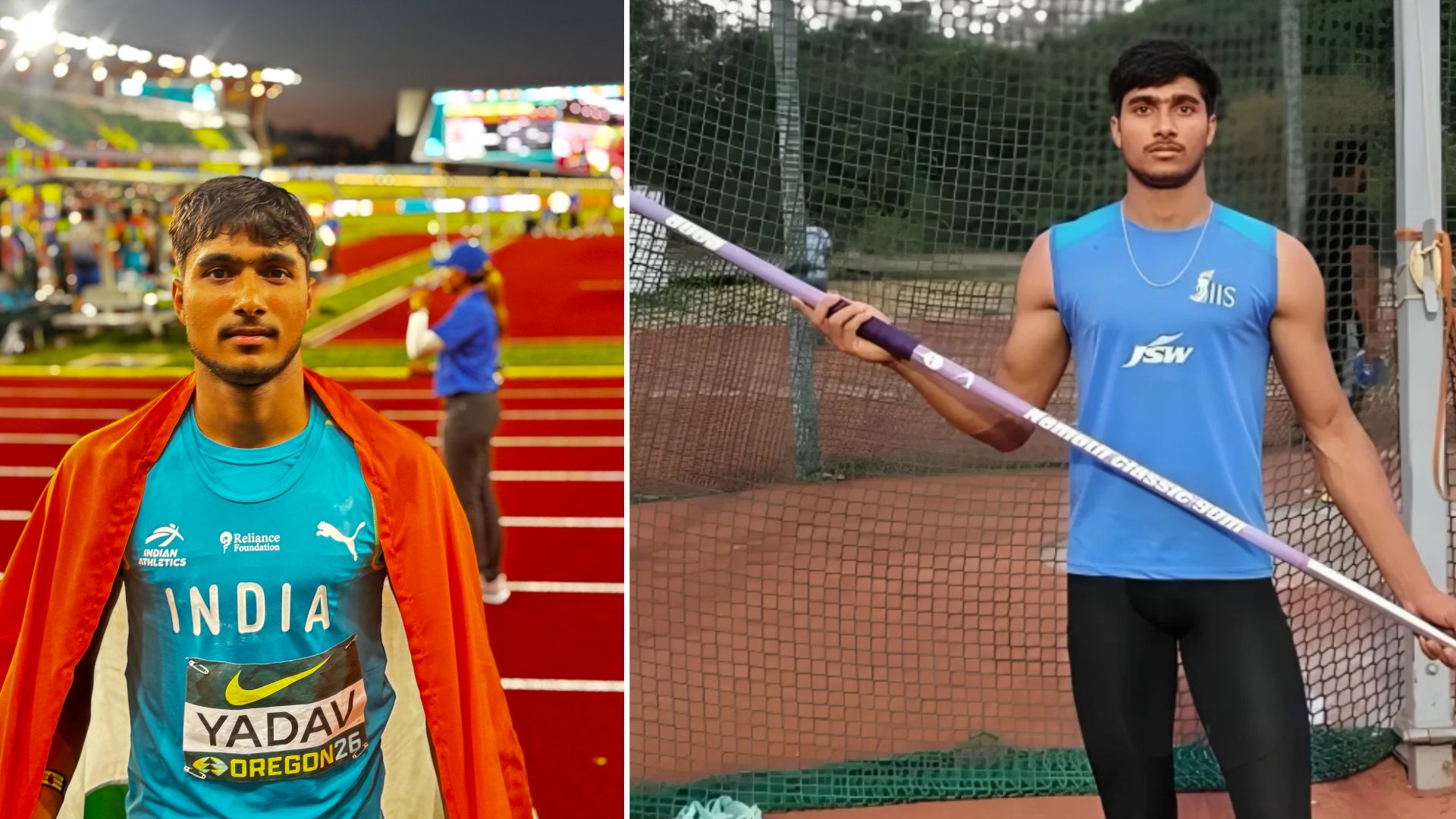
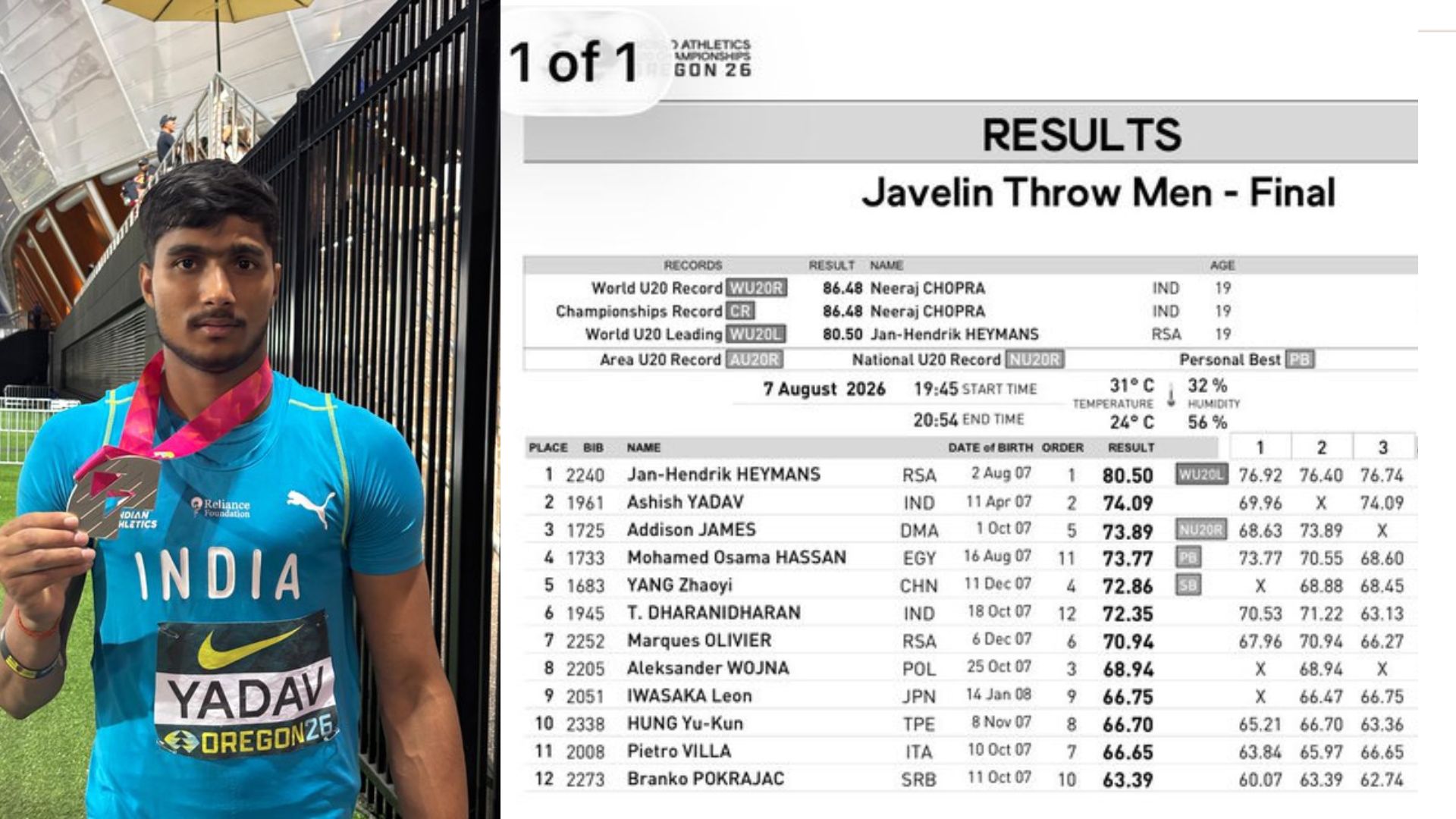
Ashish Yadav created history by winning the silver medal in the men’s javelin throw at the World Athletics U20 Championships 2026 in Eugene, becoming only the second Indian ever to win a medal in the event at the prestigious global age-group competition.
The young Indian produced a best throw of 74.09m to finish second, giving India its first medal of the championships. His achievement comes exactly a decade after Neeraj Chopra announced himself on the world stage by winning the World U20 javelin title in 2016, making Ashish only the second Indian after Neeraj to stand on the World U20 podium in the men’s javelin.
South Africa’s Jan-Hendrik Heymans dominated the competition with a world-leading throw of 80.50m to take the gold medal, while Dominica’s Addison James claimed bronze with a national U20 record of 73.89m.
Final standings:
Gold: Jan-Hendrik Heymans (South Africa) – 80.50m (World Lead)
Silver: Ashish Yadav (India) – 74.09m
Bronze: Addison James (Dominica) – 73.89m (U20 National Record)
Ashish’s silver-medal throw came in the early stages of the competition and proved good enough to keep him in medal position throughout. After three rounds, he had climbed to second place behind Heymans, with compatriot T. Dharanidharan lying fifth at 71.22m.
Remarkably, Ashish’s best effort was just 40cm short of his personal best of 74.49m, underlining the composure and consistency he displayed on one of the biggest stages in junior athletics.
The medal is another significant milestone for Indian javelin, a discipline that has enjoyed remarkable success since Neeraj Chopra’s breakthrough at the same championships in 2016. Ashish Yadav’s silver now adds another chapter to that legacy and reinforces India’s growing strength in the event at the global junior level.
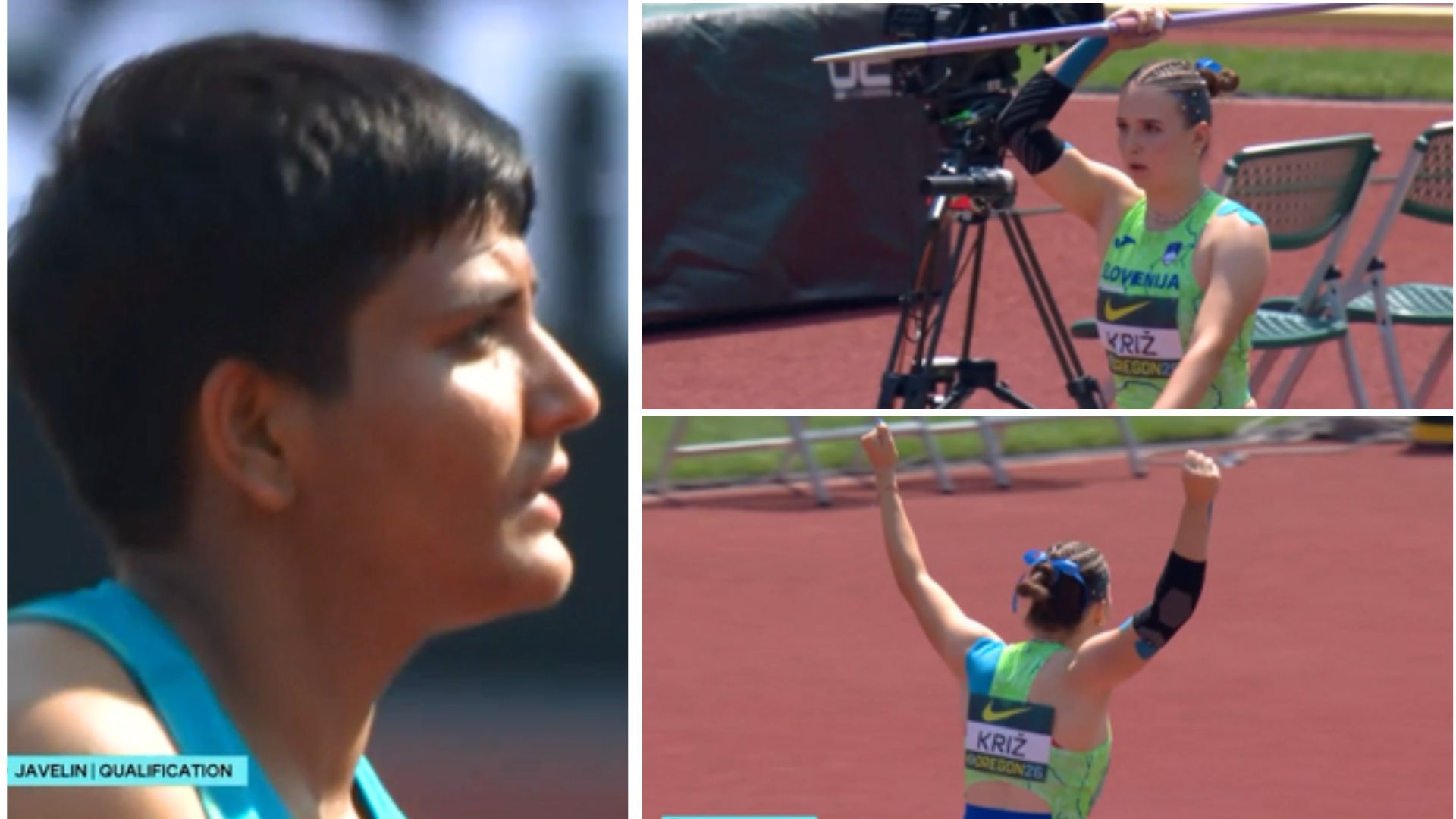
Poonam came agonisingly close to qualifying for the women’s javelin final at the World Athletics U20 Championships 2026, missing out by just one place after a dramatic finish to qualification.
Poonam opened with a throw of 48.81m, a mark that kept her firmly in contention for a place in the final. However, she was unable to improve on it, recording two consecutive fouls in her second and third attempts.
Her opening effort was enough to put her 7th in Qualification Group A and, for much of the qualification round, 12th overall — a position that would have secured the final qualifying spot.
But the qualification battle went down to the wire.
With Group B still completing its attempts, Slovenia’s Živa Križ, who was 12th in the throwing order, produced a crucial 49.22m on her final attempt.
That late effort lifted Križ into the top 12 and pushed Poonam down to 13th overall.
The Indian youngster was therefore left just outside the final despite a solid 48.81m opening throw.
It was a particularly painful exit for Poonam, who was just one position — and less than half a metre — away from making the World U20 final.
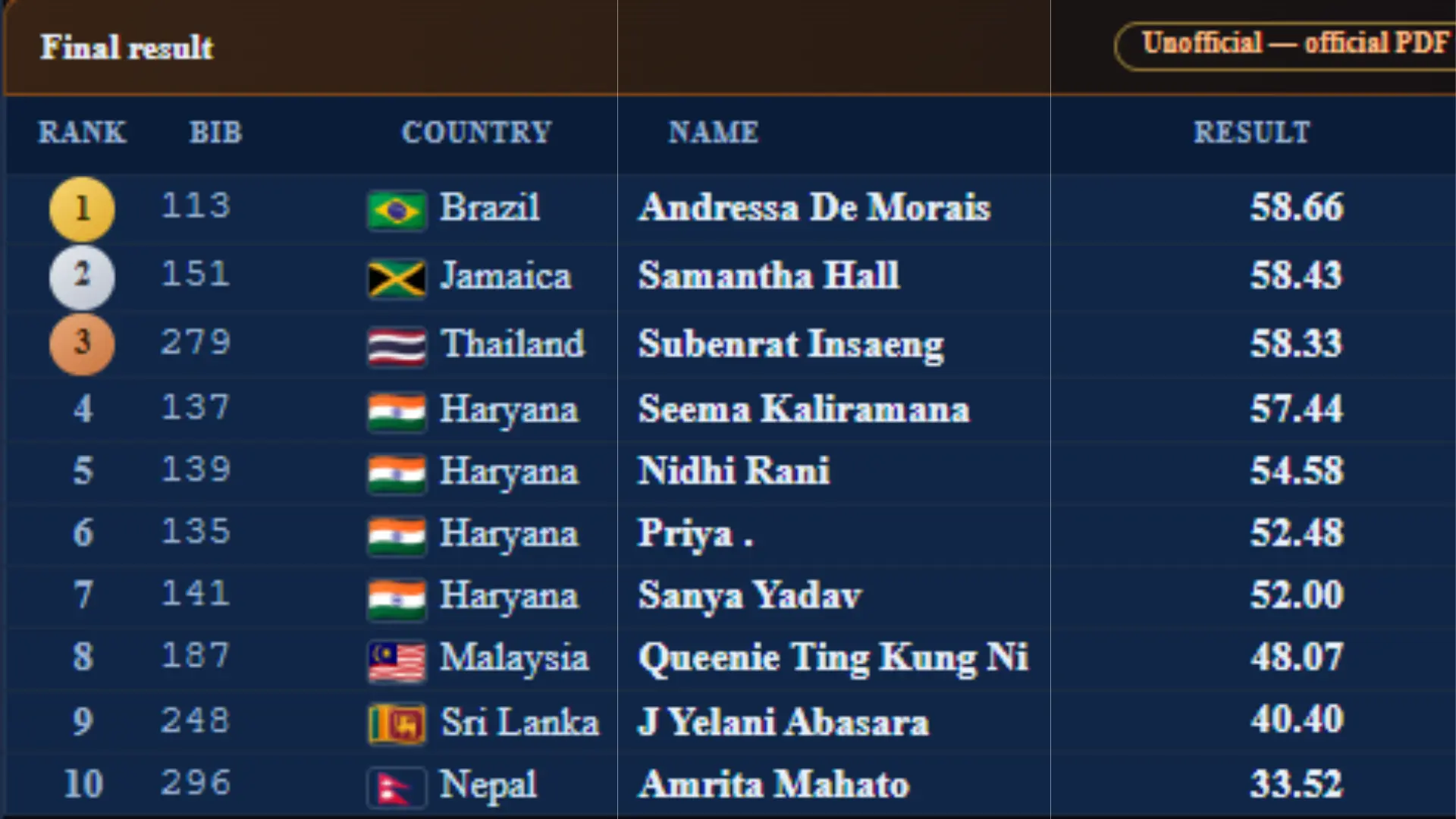
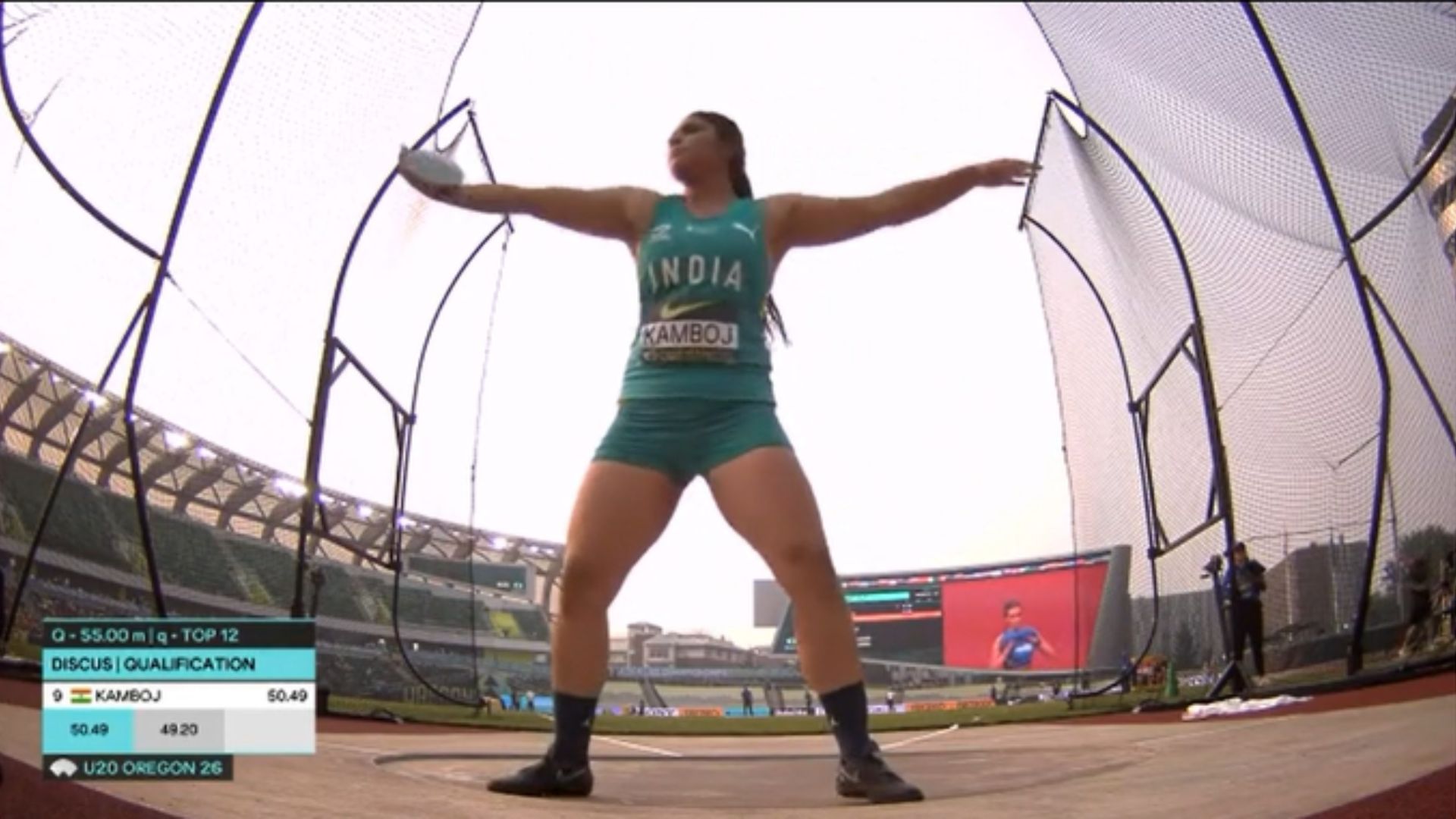
Amanat Kamboj has qualified for the women’s discus throw final at the World Athletics U20 Championships 2026 producing a season’s best throw of 52.58m to book her place among the world’s top young throwers.
The 19-year-old from Haryana finished sixth in Qualification Group A and 12th overall claiming the final qualifying spot for the championship final. Her 52.58m effort proved enough to edge into the 12-athlete field after the completion of both qualification groups.
Amanat, one of India’s leading junior throwers, delivered her best performance of the season when it mattered most. The throw highlighted the consistency that has made her one of the country’s brightest prospects in the discipline through a string of strong performances at the national junior level.
China dominated the qualification round, with Yixin Su topping the overall standings with a throw of 58.06m, while compatriot Chenyi Ma finished second overall after registering a season’s best 57.72m.
The World Athletics U20 Championships is the premier global competition for athletes under the age of 20 and has served as a launchpad for numerous future Olympic and World Championships medallists. A place in the final represents another significant milestone in Amanat’s development as she continues her transition towards the senior international circuit.
With qualification secured, Amanat will now turn her focus to the final, where she will look to build on her season’s best performance and challenge for a strong finish against the world’s best junior discus throwers.
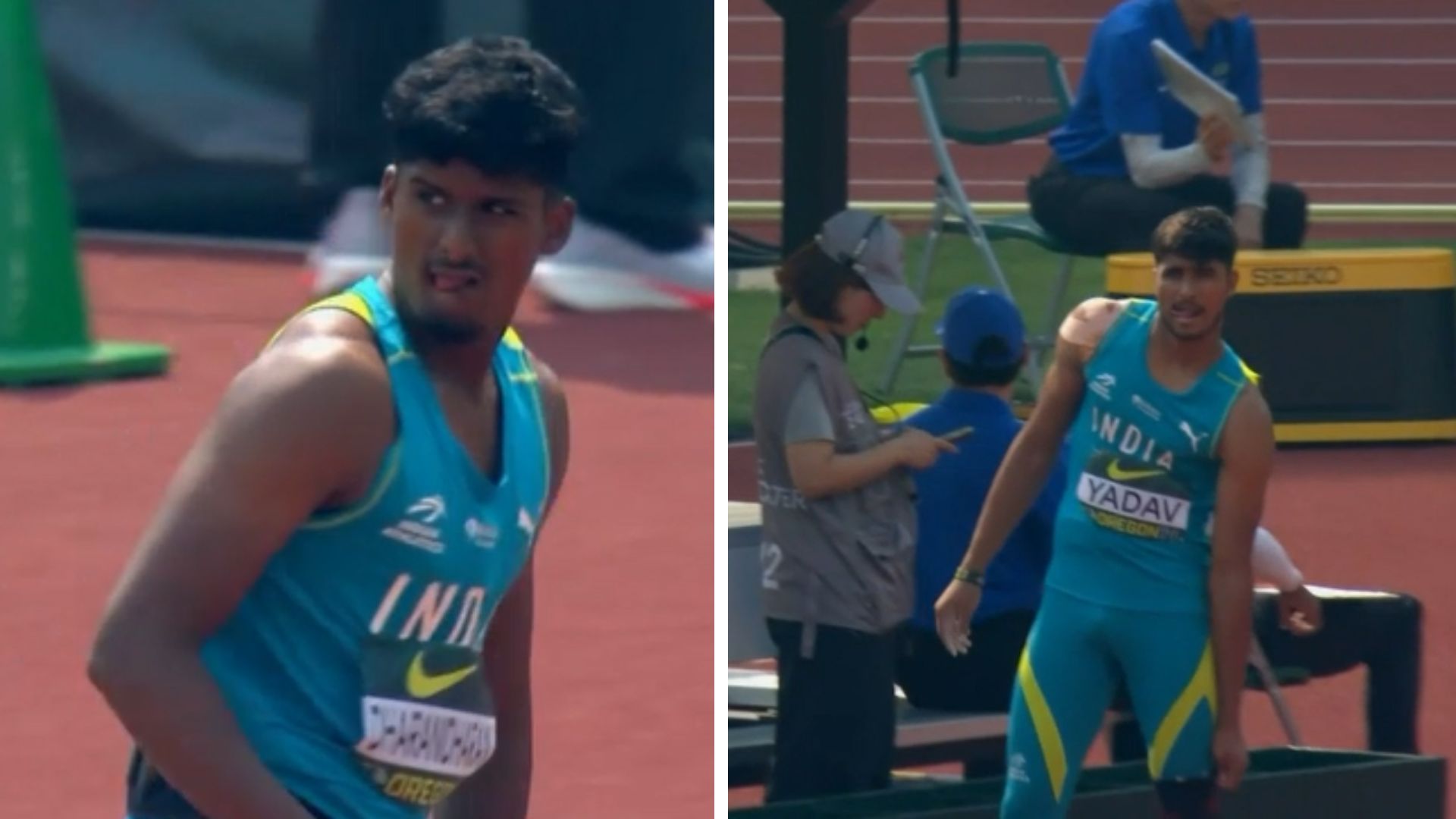
India will have two representatives in the men’s javelin throw final at the World Athletics U20 Championships 2026, with Ashish Yadav and T. Dharanidharan successfully advancing from the qualification round.
Ashish Yadav produced a confident performance to finish second overall across both qualification groups, registering a best throw of 69.87m. His consistent display ensured a comfortable qualification and established him as one of the leading contenders heading into the final.
Joining him in the medal round is T. Dharanidharan, who secured the 12th and final qualifying spot with a best effort of 68.07m. The Indian thrower held his nerve in a closely contested qualification round to book his place among the world’s top junior javelin throwers.
The qualification competition was topped by South Africa’s Jan-Hendrik Heymans, who was the only athlete to surpass the automatic qualification standard, recording an impressive 76.02m to lead the field into the final.
India’s double qualification is a significant achievement, ensuring strong representation in one of the championship’s most competitive field events. With Ashish finishing second overall and Dharanidharan also progressing, the Indian contingent will have two opportunities to challenge for medals in the final.
Both athletes have demonstrated consistency throughout the season and will now aim to produce their best performances on the biggest stage in junior athletics. Ashish enters the final with momentum after one of the strongest qualification performances, while Dharanidharan will look to build on his successful progression and improve further in the medal contest.
With two Indian javelin throwers reaching the World U20 final, India continues to showcase its growing strength in the event at the junior level. The final promises to be an exciting contest as Ashish Yadav and T. Dharanidharan take on the world’s best young javelin throwers in pursuit of a podium finish.